
Film
Workingman's Death
- Investigative journalism
- Very dark
Michael Haneke's unflinching documentary follows five sites of brutal manual labour across the globe—Ukrainian coal mines, Indonesian sulphur pits, Nigerian slaughterhouses, Pakistani shipbreaking yards, Chinese steel mills. It's meditative and devastating, asking what we've forgotten about the human cost of global commerce. For anyone willing to sit with discomfort.
If you liked this
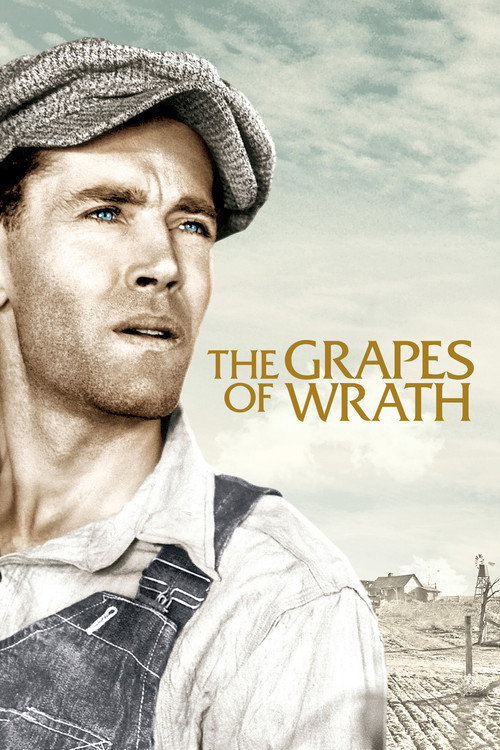
The Grapes of Wrath1940
Steinbeck's Depression-era tragedy about migrant workers fighting for survival. It shares Haneke's refusal to look away from labour's dignity and brutality, shot with classical restraint that lets suffering speak.
But It's a period piece that can feel slow and sentimental by modern standards, and the ending may feel tidy compared to the documentary's rawness.
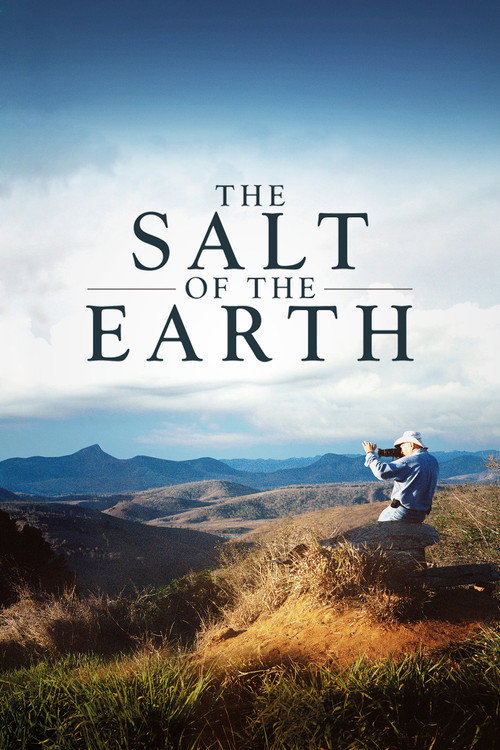
The Salt of the Earth2014
Wim Wenders' documentary on photographer Sebastião Salgado, whose life's work documents global manual labour and human endurance. It's visually stunning and asks the same questions about visibility and witness.
But Very long and meditative; some may find Salgado's romantic framing of suffering at odds with Haneke's clinical approach.
Stalker1979
Andrei Tarkovsky's Soviet masterpiece about a guide leading seekers through a mysterious industrial zone. Like Workingman's Death, it treats labour and landscape as spiritual inquiry, shot with hypnotic patience.
But Nearly three hours of oblique philosophical cinema with minimal plot. Requires the viewer to do interpretive work, which some experience as pretentious rather than profound.

Not sure tonight? Get a pick in a minute, starting from Workingman's Death
The wildcard
Something you would not have found on your own.
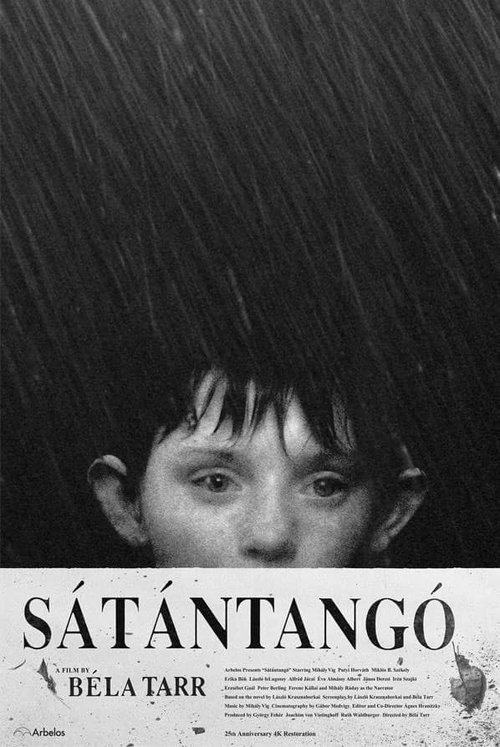
Satantango1994
Both are Eastern European artists documenting the aftermath of industrial collapse; both use labour as a lens into systemic failure and human resilience.
Béla Tarr's Hungarian masterpiece is a seven-hour apocalyptic vision of social collapse and labour in post-communist Eastern Europe. Like Workingman's Death, it documents the invisible underclass with unflinching visual poetry and shares Haneke's Mitteleuropean moral seriousness.
But Seven hours of black-and-white cinema shot in long takes with minimal dialogue. It demands an act of faith that feels less like watching a film and more like a commitment.
More like this (7)
Taxicab Confessions1995
HBO's unscripted series captures real workers—taxi drivers—in unguarded moments. It shares the documentary's interest in what ordinary labour reveals about human nature and economic life.
But Anecdotal and episodic rather than investigative; lacks Haneke's systemic critique and intellectual framework.

The Act of Killing2012
Joshua Oppenheimer's documentary on Indonesian mass murder has the same unflinching gaze at complicity and trauma. It's visually inventive but ethically uncompromising in ways that echo Haneke's work.
But Extremely difficult subject matter; the reconstructions can feel manipulative, and the length (159 minutes) tests patience with ambiguity.

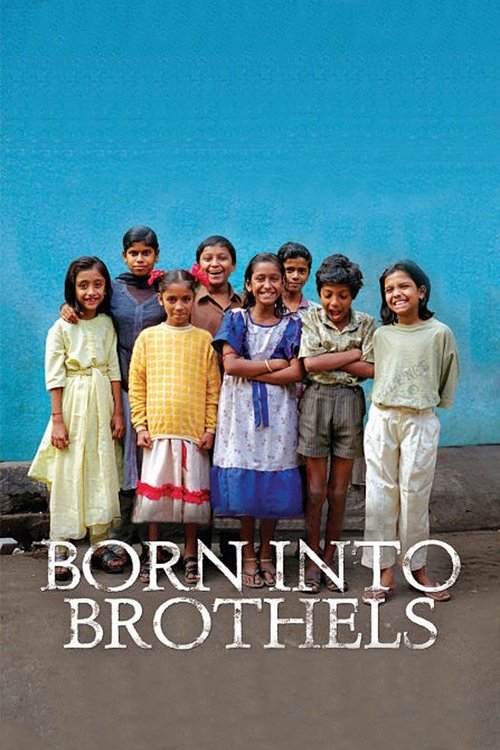
Born into Brothels: Calcutta's Red Light Kids2004
A documentary about children of sex workers in Kolkata that documents labour, dignity, and survival with intimacy and respect. It asks similar questions about who we see and who we ignore.
But Some viewers find it problematic in its focus on suffering; others feel it doesn't go far enough in systemic critique.
Man with a Movie Camera1929
Dziga Vertov's silent Soviet avant-garde film is a symphony of urban labour—workers, machines, movement. It's radically different in form but shares the fascination with labour as visual and social text.
But Silent, experimental, and abstract; plot-free, which makes it feel more like visual essay than narrative cinema to many viewers.

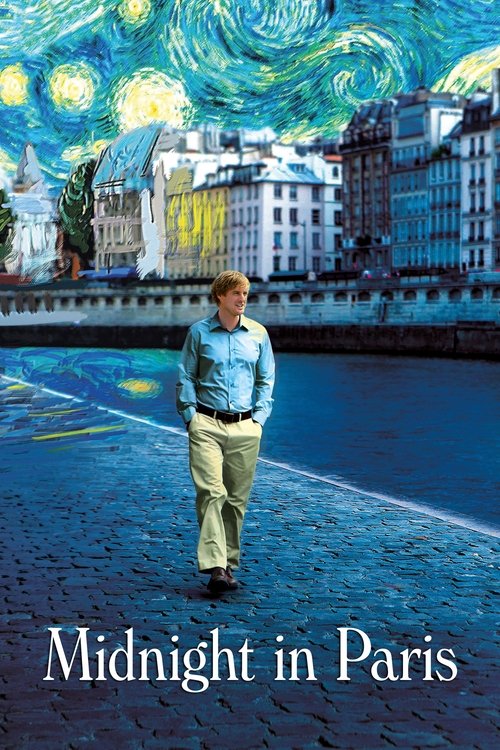
Midnight in Paris2011
Woody Allen's romantic comedy about a writer who travels through time includes vivid scenes of manual labour in 1920s Paris. It's lighter fare, but captures work's texture and romance with affection.
But A Hollywood confection that romanticises labour rather than interrogating it; it's escapist where Haneke is confrontational.
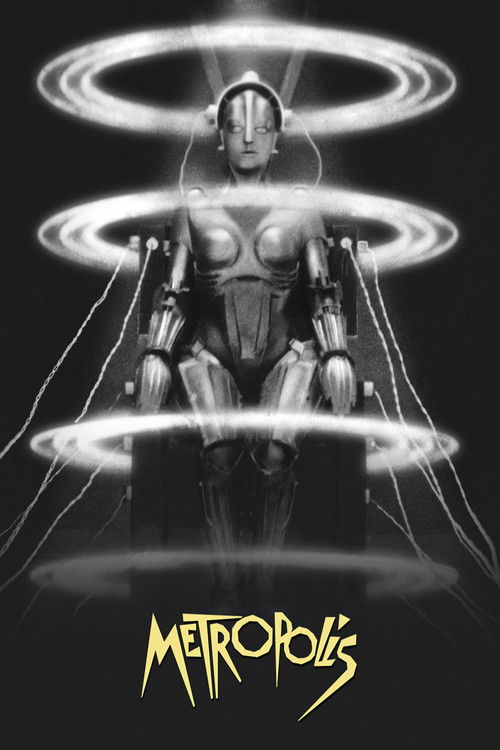
Metropolis1927
Both use visual spectacle to make labour visible as the foundation of society; both see work as a moral problem, not just an economic one.
Fritz Lang's silent science-fiction epic depicts an underground city of workers toiling to sustain luxury above. It's visually staggering and prophetic about mechanised labour, class division, and the human cost of progress—themes Haneke returns to as documentary fact.
But A 1920s sci-fi film that can feel theatrical and melodramatic; the restoration efforts mean you'll encounter multiple versions of varying quality.
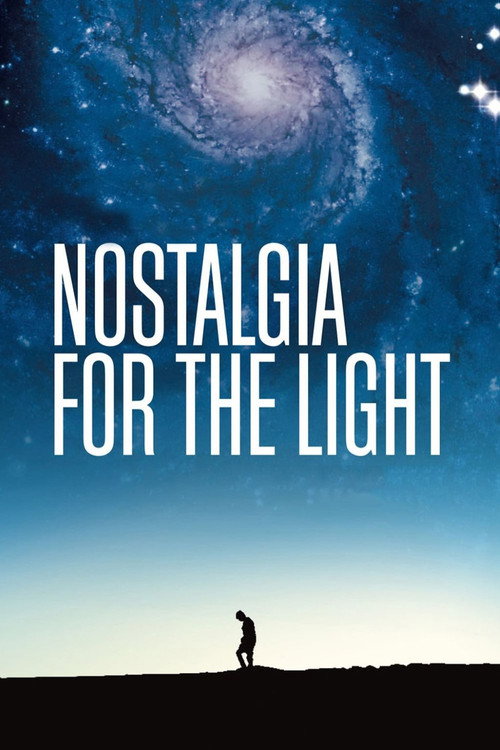
Nostalgia for the Light2010
Both documents hidden labour—work that society refuses to acknowledge—and both treat witnessing as a moral obligation and an aesthetic act.
Patricio Guzmán's Chilean documentary interweaves astronomy, desert archaeology, and the labour of women searching for their disappeared relatives in the Atacama. It connects cosmic wonder to human suffering and grief-work with Haneke's precision and poetry.
But Poetic and elliptical rather than direct; some viewers find its metaphorical density obscures rather than clarifies its political argument.
People
Directing
- Michael GlawoggerDirector
Production
- Erich LacknerExecutive Producer
- Mirjam QuinteProducer
- Pepe DanquartProducer
- Peter WirthensohnProduction Manager