
Film
The Forgotten Space
A searing examination of how global shipping and transport networks have hollowed out communities across continents. We follow displaced workers in Europe, underpaid drivers in America, and exploited factory workers in China—the invisible people bearing the cost of cheap goods. It's patient, angry, and clarifies how your everyday consumption runs on the exhaustion of others.
If you liked this
The True Cost2015
Traces fashion's supply chain from Bangladeshi garment factories to Western closets, revealing the human cost of fast fashion with quiet, devastating clarity. Same investigative spirit, different industry.
But Heavy on statistics and interviews; it can feel repetitive if you're already aware of exploitation in manufacturing.

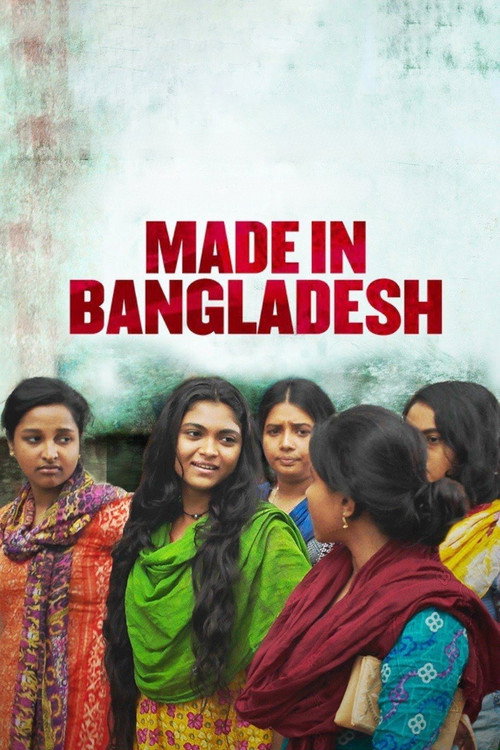
Made in Bangladesh2019
Follows three garment workers fighting for wages and conditions. Specific, human, angry—it complements The Forgotten Space's macro view with micro stories of resistance.
But Lower production values and limited English availability make it harder to track down than mainstream documentaries.
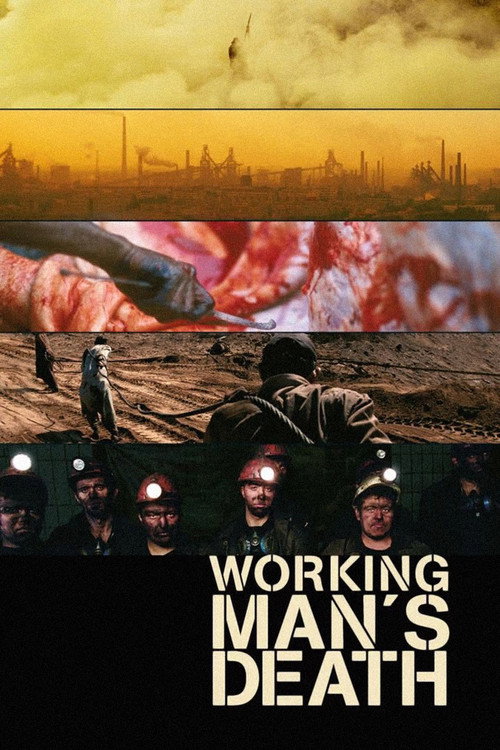
Workingman's Death2005
Raw, unflinching portrait of workers in Nigeria, Pakistan, Ukraine, and China doing the most dangerous jobs on earth. Brutal visual companion to The Forgotten Space's analysis.
But Extremely graphic and disturbing. Not documentary-as-slideshow; you feel the physical toll on your body watching it.
Not sure tonight? Get a pick in a minute, starting from The Forgotten Space
The wildcard
Something you would not have found on your own.
Stalker1979
Both films understand that globalized systems are like the film itself: you're inside the structure before you realize what's moved you, and there's no clean way out.
A science-fiction poem about desire, capitalism, and the spaces we're willing to cross. Tarkovsky built a formal architecture that mirrors The Forgotten Space's meditation on systems—invisible, inescapable, beautiful and terrible.
But Soviet sci-fi from 1979; almost nothing happens in the traditional sense. It's glacial, abstract, and you need to surrender to its rhythm completely.

More like this (3)
The Iron Ministry2014
Sits on Chinese trains for a lyrical study of class, movement, and infrastructure. Poetic where The Forgotten Space is analytical, but asks similar questions about who builds the modern world.
But Demands a different kind of patience—more essay film than investigation. May feel too slow if you're looking for narrative momentum.
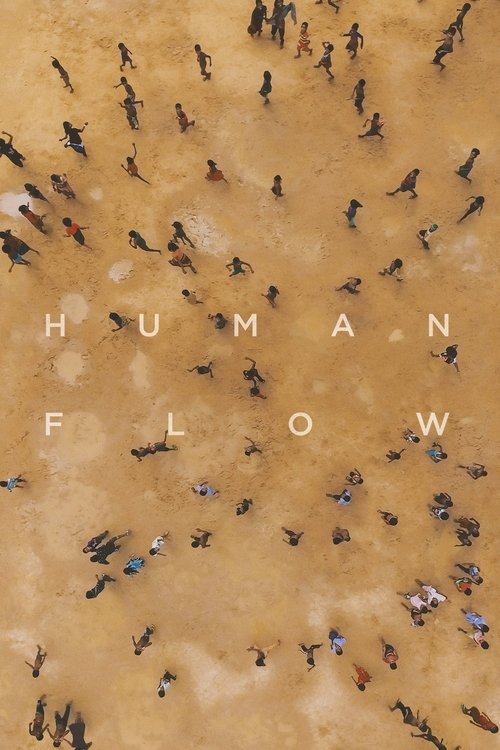
Human Flow2017
Both ask: what does a system reveal about itself in how it treats the powerless? What gets made invisible by design?
Ai Weiwei's documentary on global displacement and refugee crises. Where The Forgotten Space traces economic migrants, this traces those fleeing violence—but both show humanity at the mercy of forces they cannot control.
But Enormous in scope and sometimes drowns in its own ambition; the sheer volume of suffering can feel numbing rather than clarifying.
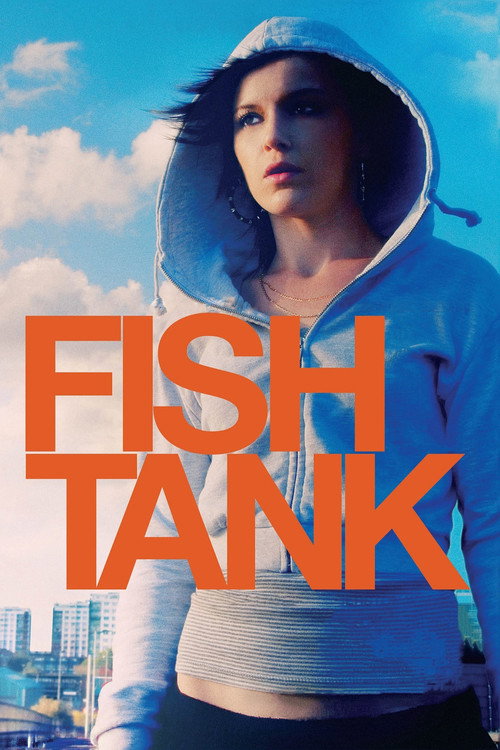
Fish Tank2009
Same subject—the cost of being disposable—but told from inside the skin of one person rather than across continents. Shows what The Forgotten Space's interviews add up to: a life constrained and diminished.
British social realism about a working-class girl in East London, directed by Andrea Arnold with ferocious empathy. No voice-over analysis—instead, the texture of precarity lived daily, sexually, intimately.
But It's a narrative fiction, not documentary. If you're seeking explicit analysis of systems, you're getting that analysis embedded in lived experience instead.
People
Directing
- Allan SekulaDirector
- Noël BurchDirector