
Film
Lost Horizon
A 1937 adventure-fantasy about diplomats and civilians stranded in a hidden Himalayan paradise called Shangri-La. It's a slow-burn, visually lavish film that trades plot momentum for atmosphere and philosophical reverie. A meditation on escapism, aging, and whether utopia can survive contact with the real world. For dreamers and patient viewers.
Should you watch it?
Watch it if you enjoy slow, talky studio-era fables that trade plot momentum for a dreamy mood and a sincere longing for a gentler way of living.
Skip it if you need brisk pacing or modern sharpness, since the middle stretches are leisurely and the dialogue often explains its ideas rather than showing them.
What it asks of you: Its 132 minutes move unhurriedly through scenes of quiet talk and gradual wonder, with a contemplative tone that builds rather than arriving in bursts.
Not sure? Find tonight's pick in a minute.
If you liked this
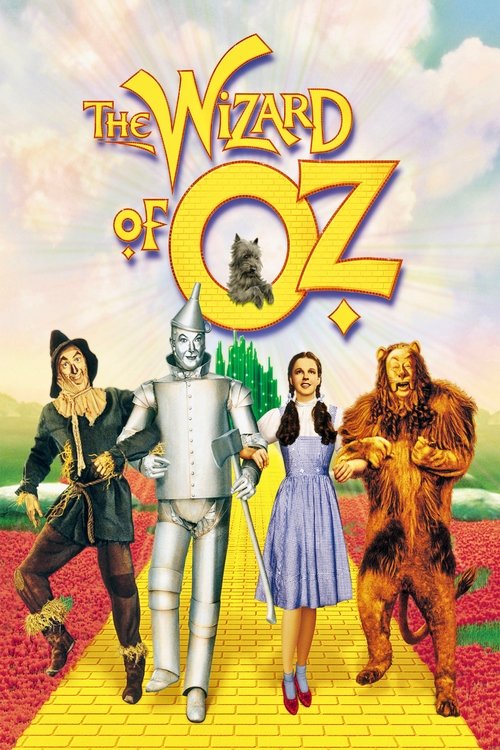
The Wizard of Oz1939
Contemporary fantasy with the same sense of awe and wonder, built on elaborate sets and practical effects. Both traffic in magical worlds that grapple with whether home or escape matters more.
But The Wizard of Oz feels faster and lighter, with more whimsy and less philosophical weight. If you want existential vertigo, you might find it saccharine.
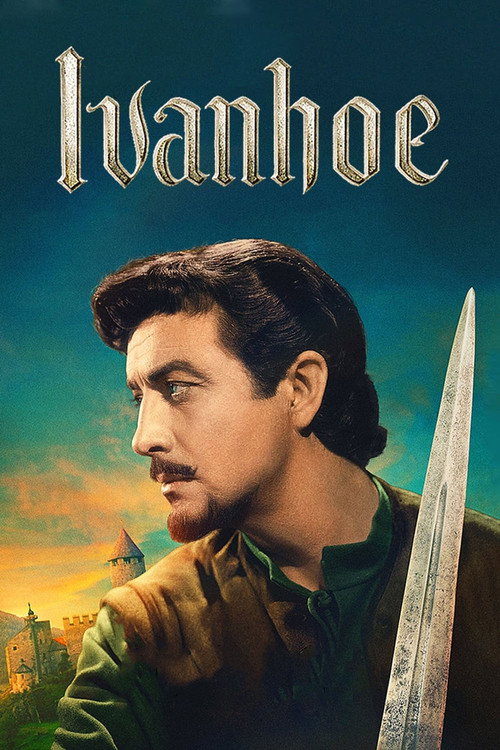
Ivanhoe1952
Technicolor adventure in the same tradition, with Ronald Colman's successor (Robert Taylor) as a noble hero navigating conflicting loyalties. Sweeping, romantic, and genuinely epic in scope and execution.
But It's a swashbuckler, not a meditation. All action and courtly romance, which means less philosophical substance and more conventional narrative drive.
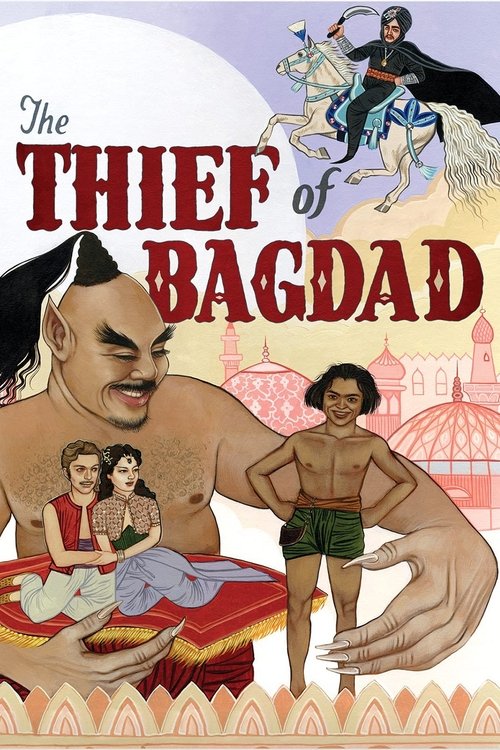
The Thief of Bagdad1940
Dazzling Technicolor fantasy about escape and desire, with elaborate practical effects and the same otherworldly atmosphere. A love letter to impossible worlds and the men enchanted by them.
But Younger cast, lighter tone, and a more straightforward adventure story. Less introspection, more spectacle and magic-system logic.
Not sure tonight? Get a pick in a minute, starting from Lost Horizon
The wildcard
Something you would not have found on your own.
Metropolis1927
Both imagine enclosed worlds as refuge from societal collapse, and both ask whether peace can survive contact with the outside.
Fritz Lang's science-fiction epic, a full decade earlier, explores the same tension: hidden utopia (the worker's paradise below ground) versus the decaying real world above. Both are architectural fantasies about social dreaming and whether it can survive.
But It's silent German expressionism, visually and narratively very different from Lost Horizon. The structure is harder to follow, and the restored versions vary wildly in completeness.

More like this (8)
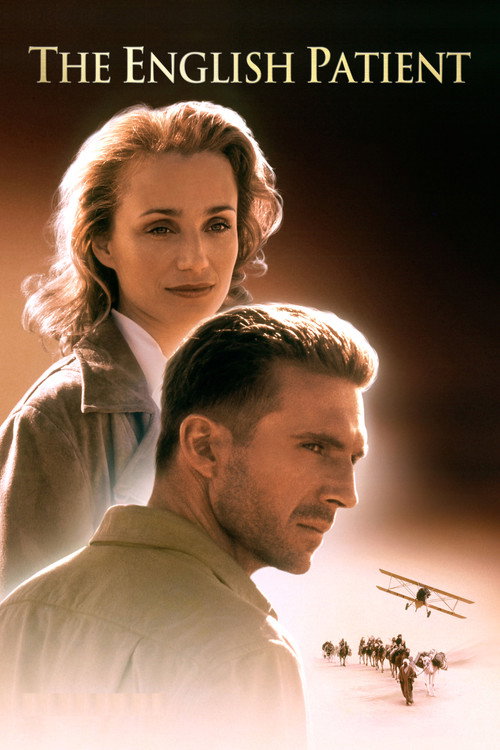
The English Patient1996
Epic romance framed by World War II, structured around a hidden paradise and the pull between escape and moral duty. Lush, deliberate, and unafraid to hold on beauty and stillness.
But Much longer and moodier, with a non-linear structure. Modern sensibilities may find it slow, and the romance can feel overwrought.
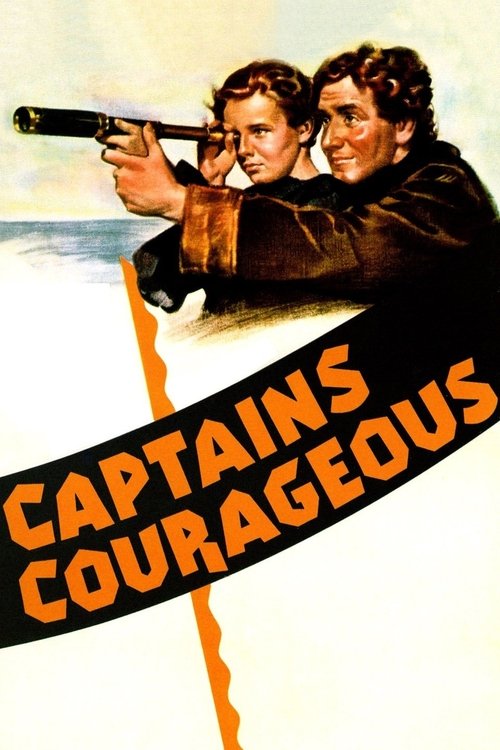
Captains Courageous1937
Released the same year, another film about transformation through displacement. A spoiled man learns humility among working people. Warmer and more humanist than Lost Horizon.
But It's fundamentally optimistic about character reform, whereas Lost Horizon is more ambiguous and melancholy about whether change sticks.
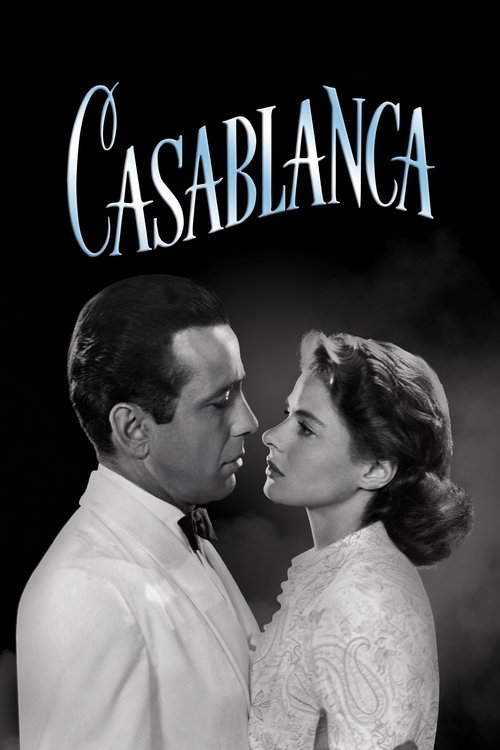
Casablanca1943
A war-era film about choosing between escape and duty, between personal happiness and the moral weight of the world. Noble men sacrificing paradise for principle.
But It's a tight, propulsive drama, not a philosophical reverie. If you loved Lost Horizon's dreamy pacing, this will feel urgently real-world.
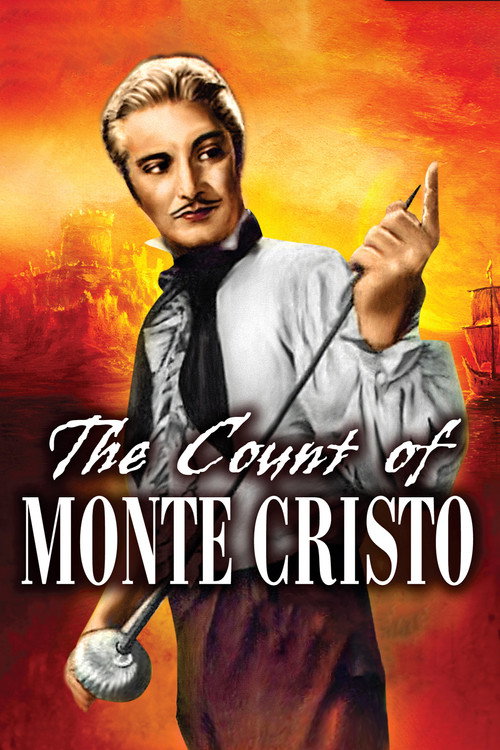
The Count of Monte Cristo1934
A man obtains paradise and must decide what it means. Elaborate production design, romantic obsession, and a hero undone by his own desires. Richly appointed and emotionally complex.
But It's a revenge story with momentum, not a contemplative fable. The arc is toward action, not withdrawal.
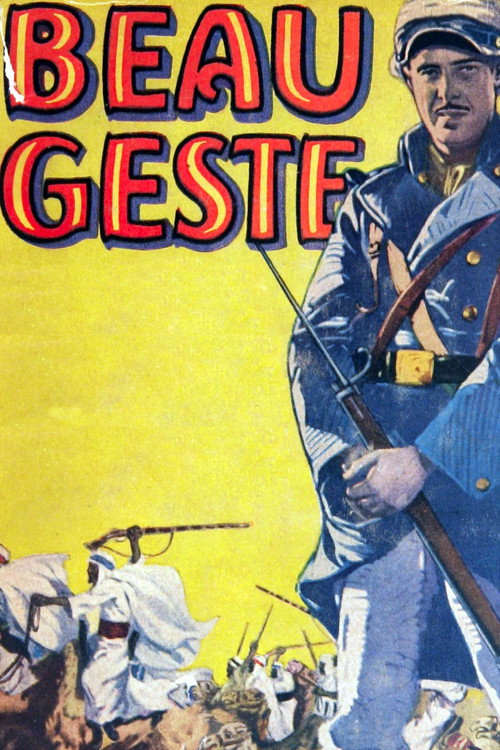
Beau Geste1926
Ronald Colman in his prime, playing a man who abandons his life for an ideal. Silent, luminous, and full of romantic melancholy about duty and escape.
But It's silent, which demands patience. And it's less visually ambitious than Lost Horizon's Himalayan sets, for all its beauty.
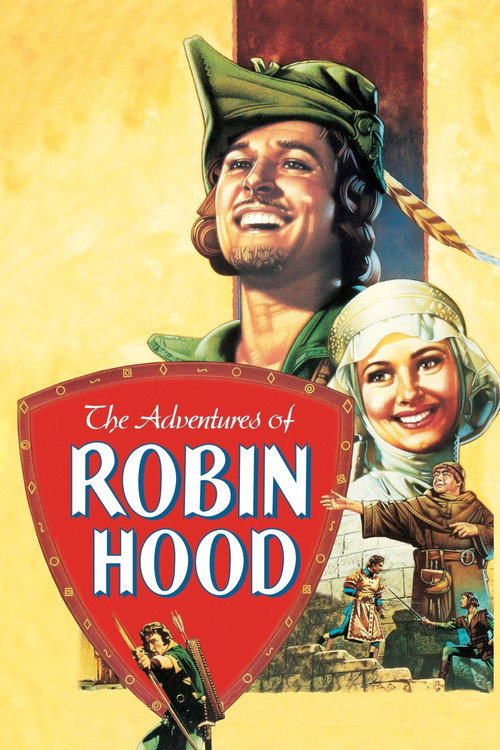
The Adventures of Robin Hood1938
Technicolor adventure from the same moment, with elaborate sets and a hero choosing paradise in the greenwood over the corrupt world. Joyful where Lost Horizon is wistful.
But It's cheerful and swiftly paced, almost a fairy tale. If you want existential dread, this is a tonic rather than a mirror.
Ikiru1952
Both ask what a man's life means when he finally stops striving. Both are slow elegies about the cost of illusion, though they draw opposite conclusions.
Kurosawa's film about a man facing death who finds redemption in small human connection rather than grand escape. Where Lost Horizon seeks paradise, Ikiru finds meaning in the world as it is. Quiet, devastating, and philosophically profound.
But It's a black-and-white Japanese film about bureaucratic routine and mortality. Not escapist; the opposite. Demands emotional maturity and patience with stillness.

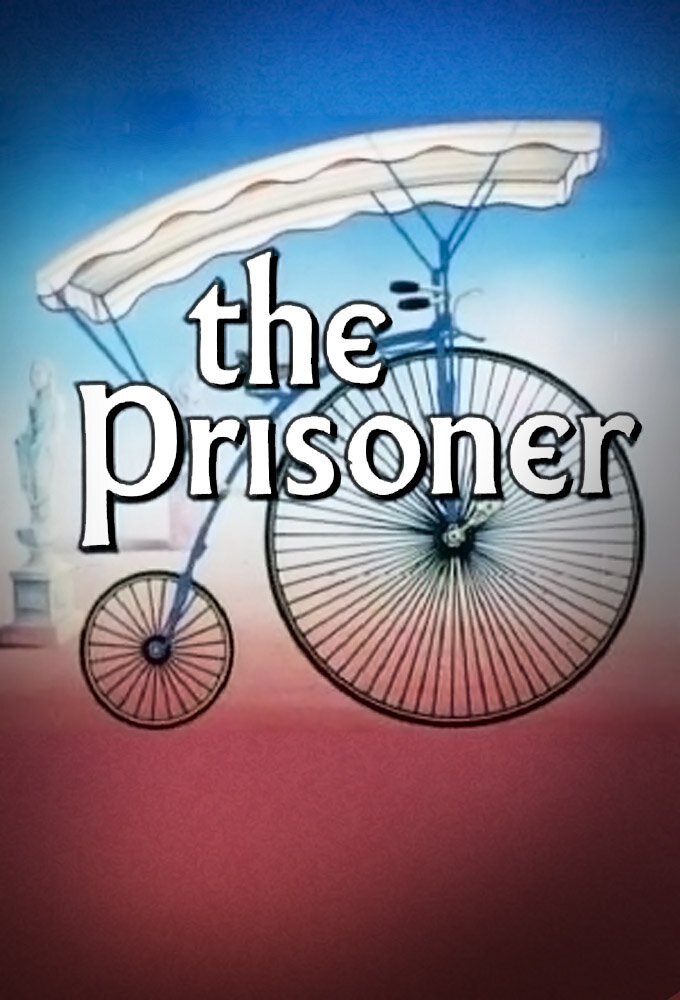
The Prisoner1967
Both imprison their heroes in isolated paradises and ask whether they will choose freedom or peace. Both end ambiguously, refusing easy answers.
Patrick McGoohan's surreal miniseries treats an enclosed valley (the Village) as both utopia and prison. A single man resists a perfect world, asking whether belonging and safety matter if you lose yourself. Visually strange and philosophically relentless.
But It's abstract, sometimes impenetrable, and explicitly hostile to comfort or resolution. The 1960s psychedelia looks nothing like Lost Horizon's romantic fantasy, and the mood is paranoid rather than wistful.
People
Cast
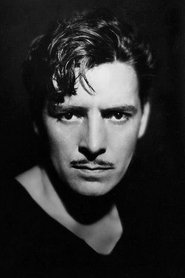 Ronald ColmanRobert " Bob " Conway
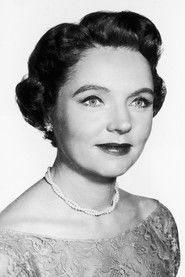 Jane WyattSondra Bizet
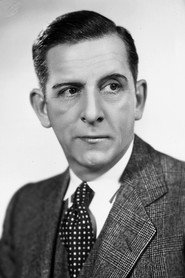 Edward Everett HortonAlexander P. " Lovey " Lovett
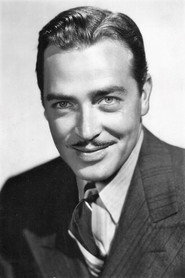 John HowardGeorge Conway
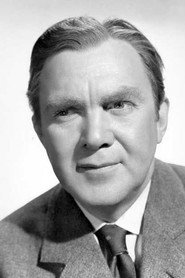 Thomas MitchellHenry Barnard
 MargoMaria
 Isabel JewellGloria Stone
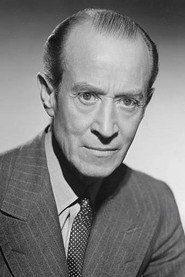 H.B. WarnerChang
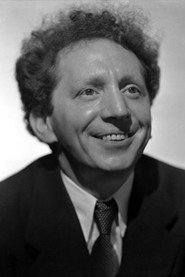 Sam JaffeHigh Lama
- John BurtonWynant (uncredited)
- Milton OwenFenner (uncredited)
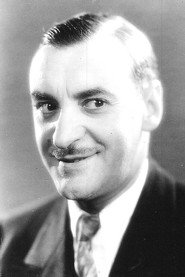 John T. MurrayMeeker (uncredited)
Directing
- Charles C. ColemanAssistant Director
- Frank CapraDirector
Writing
- James HiltonNovel
- Robert RiskinScreenplay
- Sidney BuchmanScreenplay
Production
- Frank CapraProducer