
Film
Kings & Queen
A woman caught between three men and three versions of her life: a marriage waiting in Paris, her dying father in Grenoble, and her son's troubled biological father languishing in a psychiatric hospital. Arnaud Desplechin's *Kings & Queen* is a restless, digressive film that moves between comedy and heartbreak, refusing to choose a tone or hurry toward resolution. It's for people who like character over plot and don't mind a film that breathes.
If you liked this
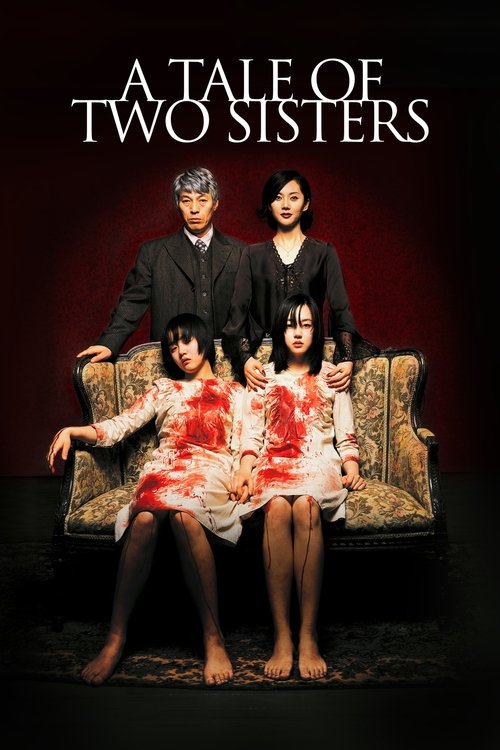
A Tale of Two Sisters2003
Another Desplechin film exploring family, obligation, and how people fail each other across generations. Tighter than *Kings & Queen* but with the same warmth and acute observation of how love and resentment coexist.
But Slower, more austere, and shot in greys and browns. Less charming and considerably more bleak.
Certified Copy2010
Abbas Kiarostami's portrait of a day between two people—a writer and a woman—who may or may not be falling in love. Like Desplechin, Kiarostami trusts conversation and complication over plot.
But Almost entirely a two-hander with minimal music or visual flourish. Long stretches where nothing 'happens' will test your patience.

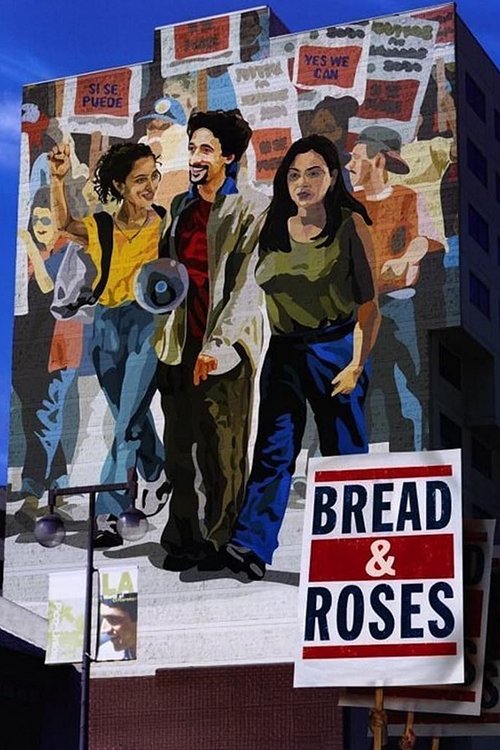
Bread and Roses2000
Ken Loach's drama about janitors organising for better conditions, shot with documentary immediacy. The same commitment to showing how people actually speak and move through compromise.
But Political agenda is front and centre, and characters sometimes serve the message rather than the reverse.
Not sure tonight? Get a pick in a minute, starting from Kings & Queen
The wildcard
Something you would not have found on your own.
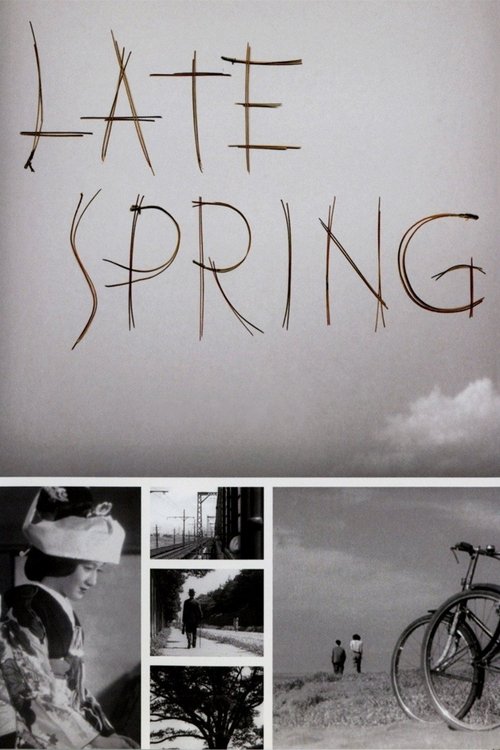
Late Spring1949
Both treat the dissolution of family units (by death, marriage, obligation) as the central human tragedy, but refuse to make it dramatic. They live in the spaces between decisions.
Ozu's masterwork: a father and daughter's daily rituals before marriage separates them. The connection is tonal and structural—both films move through time as comedy, tragedy, and ordinary life at once, never deciding between them. Both find depth in repetition and small conversations.
But Japanese cinema from 1949, shot in black and white, with Ozu's static camera and pillow-shots. The premise is domestic to the point of apparent plotlessness.
More like this (8)
Blue Is the Warmest Color2013
Abdellatif Kechiche's intimate portrait of a relationship between two women across years. Digressive, sensual, and interested in the texture of daily life between big moments.
But Extremely long, deliberately paced, and the famous sex scenes may feel gratuitous depending on your tolerance for explicitness.

The Farewell2019
Lulu Wang balances family comedy and genuine grief with surgical precision. About obligation, translation, and what we owe each other across culture and death.
But Lighter in tone than *Kings & Queen*, which some will find a relief and others may find avoids the real weight.

Manchester by the Sea2016
Kenneth Lonergan's portrait of a man forced to become guardian to his nephew, fumbling through grief and responsibility. Quiet, digressive, and built from small moments of grace.
But American indie sensibility, and the slowness can feel self-conscious rather than earned.

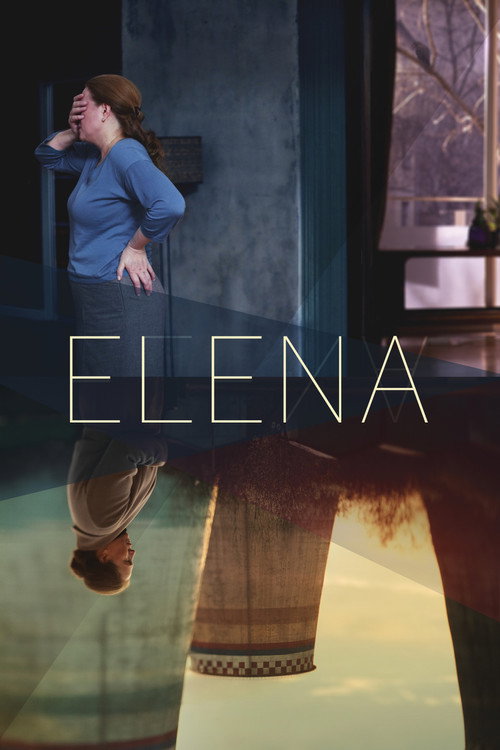
Elena2011
Andrey Zvyagintsev's study of class resentment within a marriage, told largely through routine. Visual mastery and a premise that unfolds like a trap.
But Cold, deliberately paced, and the emotional payoff is devastation rather than catharsis.
Synecdoche, New York2008
Charlie Kaufman's sprawling, self-destructing portrait of an artist cannibalising his own life for his work. Messy, ambitious, and formally inventive in ways *Kings & Queen* aspires to.
But Willfully obscure, sometimes incoherent, and suffocating in its own cleverness. Not everyone will find that liberating.

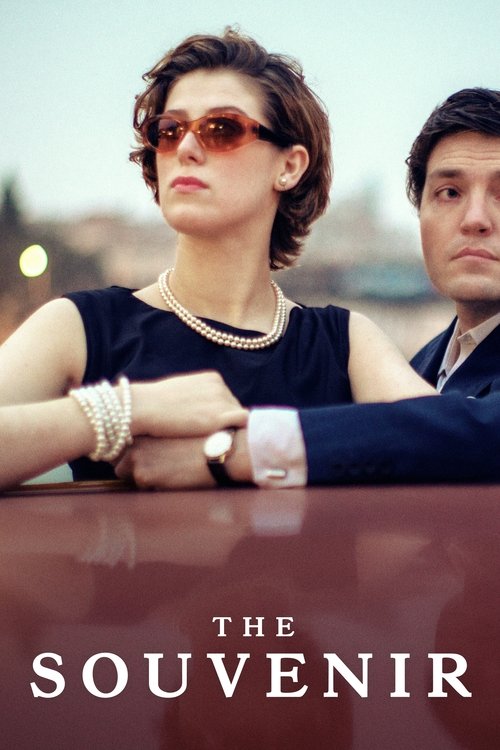
The Souvenir2019
Honor Swinton Byrne and Joanna Hogg exploring memory, love, and how we mythologise relationships after they end. Fractured, painterly, and tender without ever becoming easy.
But Resistant to conventional narrative. Long sequences of characters simply existing. Formal and distant in a way that can feel withholding.
Jeanne Dielman, 23, quai du Commerce, 1080 Bruxelles1976
Both films argue that character is revealed through routine and that disruption—Nora's fractured obligations, Jeanne's breaking routine—is where humanity lives.
Chantal Akerman's three-hour essay on domestic routine: a woman's day, repeated across three days, as her rituals begin to unravel. It's about time, labour, and what happens when routine breaks. The connection is structural and philosophical—both films insist that everyday life is where the real story is.
But Deliberately boring by design. Three hours of a woman cooking, cleaning, and moving through an apartment. No dialogue, minimal music. A test of patience that some will find meditative and others tedious.

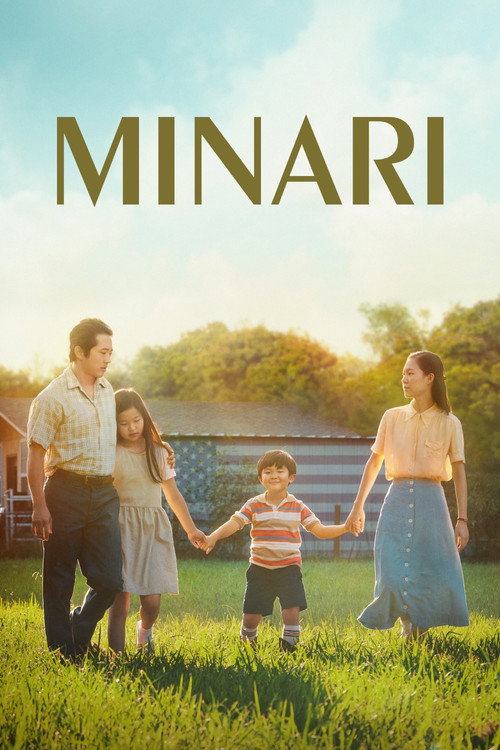
Minari2021
Both films trust that the drama of family—sacrifice, resentment, love, obligation—is enough without plotting or melodrama. Both are about people trying to make a life work despite circumstance.
Lee Isaac Chung's tender, funny film about a Korean-American family building a life in Arkansas. Like Desplechin, it's interested in how people hold onto each other when circumstances pull them apart, and it finds humour in genuine tenderness.
But Contemporary and accessible, but built on patience rather than incident. The emotional stakes are domestic and quiet, which some will find unsatisfying.
People
Cast
 Emmanuelle DevosNora Cotterelle
 Mathieu AmalricIsmaël Vuillard
 Maurice GarrelLouis Jenssens
 Catherine DeneuveMme Vasset
 Nathalie BoutefeuChloé Jenssens
 Joachim SalingerPierre Cotterelle
 Hippolyte GirardotMaître Marc Mamanne
 Magali WochLouis Jenssens
- Valentin LelongElias Cotterelle
 Shulamit AdarMme Seyvos
 Elsa WolliastonDr. Devereux
 Olivier RabourdinJean-Jacques
Directing
- Arnaud DesplechinDirector
Writing
- Arnaud DesplechinWriter
- Roger BohbotWriter
Production
- Pascal CaucheteuxProducer