
Film
The Safety of Objects
- Drama
- Slow-burning
A portrait of suburban families in quiet crisis, where grief, ambition and emotional withdrawal slowly poison the lives around them. Glenn Close anchors an ensemble of four interconnected households where nobody knows how to ask for help. It's observant and patient, sometimes devastating, for anyone who recognises themselves in the slow damage of neglect.
If you liked this
American Beauty1999
The same scalpel applied to suburban malaise and the performance of normalcy. Watches like a reckoning with the American dream, with ensemble character work that reveals rot beneath the surface.
But It has aged into a film about terrible men that sometimes seems to like them anyway. The metaphorical density can feel overwrought.

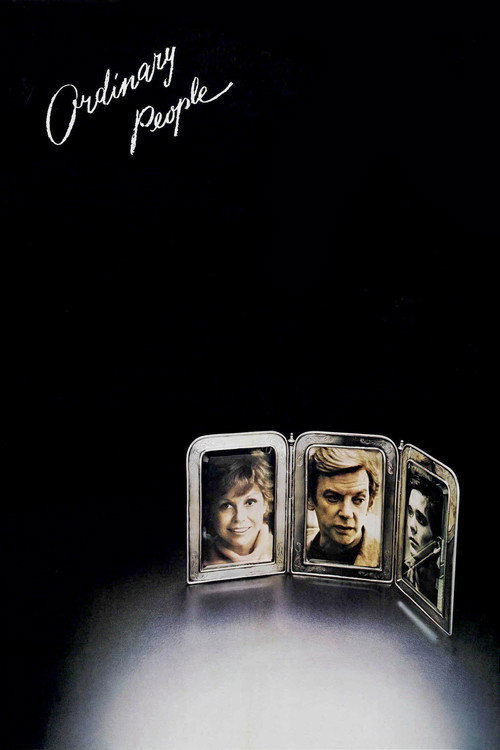
Ordinary People1980
Grief fracturing a family from the inside, with the same focus on what people cannot say to each other. Redford's direction finds devastation in small moments and silences.
But It moves slowly and the emotional payoff requires patience. Some find it dated in its treatment of psychology.
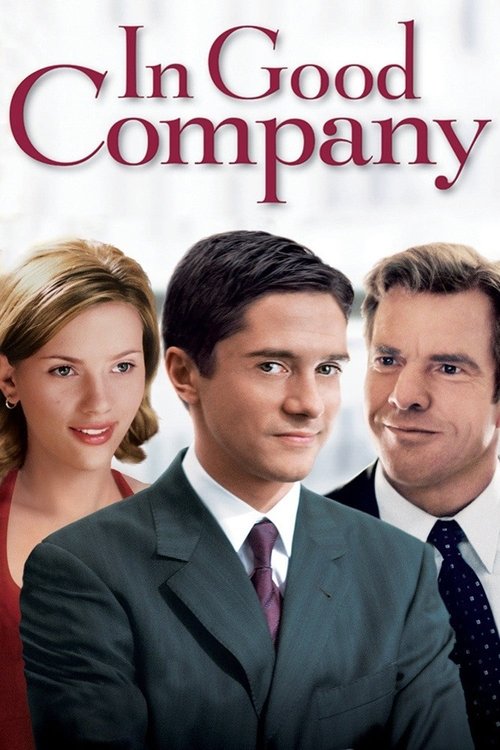
In Good Company2004
Three families navigating work, love and parental obligation with similar gentle precision. Watches like a conversation about how we fail the people closest to us.
But The optimism of its ending may feel unearned. It's quieter and less probing than the deeper psychological work here.
Not sure tonight? Get a pick in a minute, starting from The Safety of Objects
The wildcard
Something you would not have found on your own.
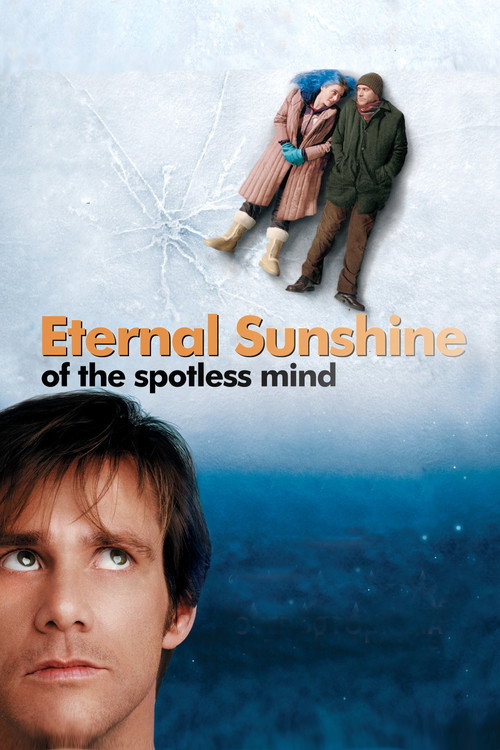
Eternal Sunshine of the Spotless Mind2004
Both explore how we protect ourselves from pain by withdrawing from the people we love, and what we lose in that withdrawal. Here, the withdrawal is literal and irreversible.
A man's relationship slowly disappears as a memory-erasing procedure reverses their history. It shares the obsession with loss and the attempt to outrun grief, but expresses it through science fiction and visual poetry rather than realism.
But It's emotionally opaque and deliberately confusing in structure. The sci-fi premise may feel like distance rather than clarity.
More like this (8)
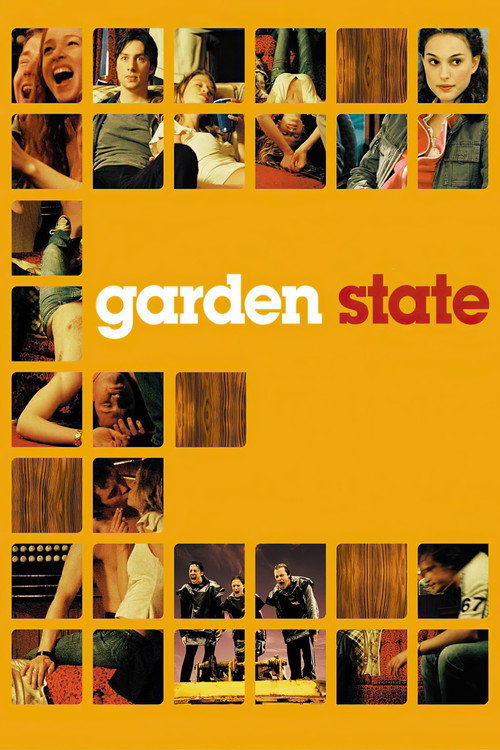
Garden State2004
Numbed protagonists returning to suburban roots to confront what they've been avoiding. Carries the same mood of dissociation and the search for feeling beneath the surface.
But Relies heavily on indie rock sentimentality that hasn't aged well. Some scenes feel more performed than felt.
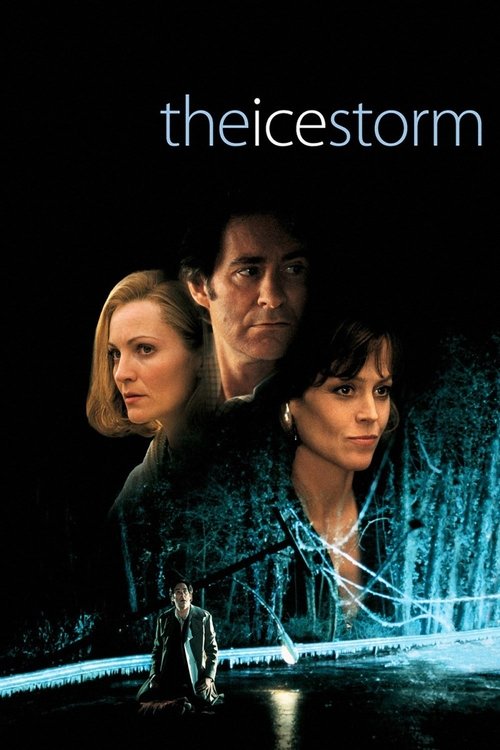
The Ice Storm1997
Interconnected families in 1970s suburbia discovering the cost of emotional distance and secrets. Ang Lee finds dark humour and tragedy in the same material.
But Very dark and tonally uneven. The sexual content is explicit and sometimes feels gratuitous.
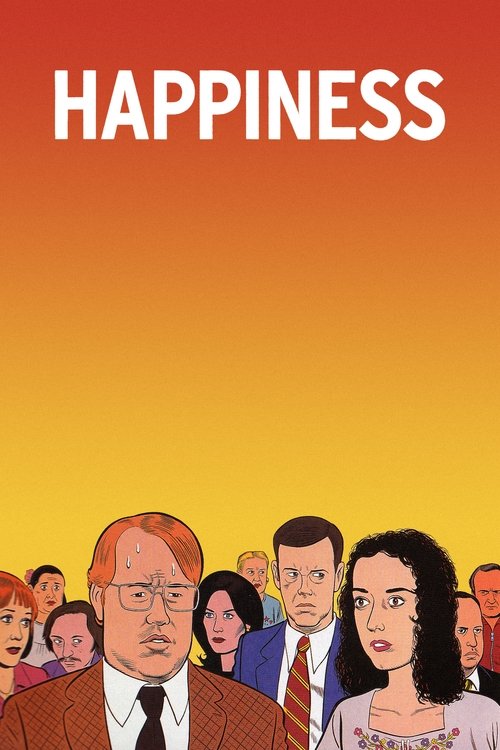
Happiness1998
Three sisters and their crises in messy, uncomfortable detail. Todd Solondz refuses easy answers or comfortable distance from his characters' desperation.
But It's extremely dark and features sexual violence. The comedy comes from places that may deeply disturb you.
Synecdoche, New York2008
A man's inability to engage with life and family while building an elaborate fantasy world. Charlie Kaufman's obsession with performance, authenticity and emotional avoidance speaks to the same themes.
But Deliberately difficult and obscure. Many will find it pretentious or inaccessible.

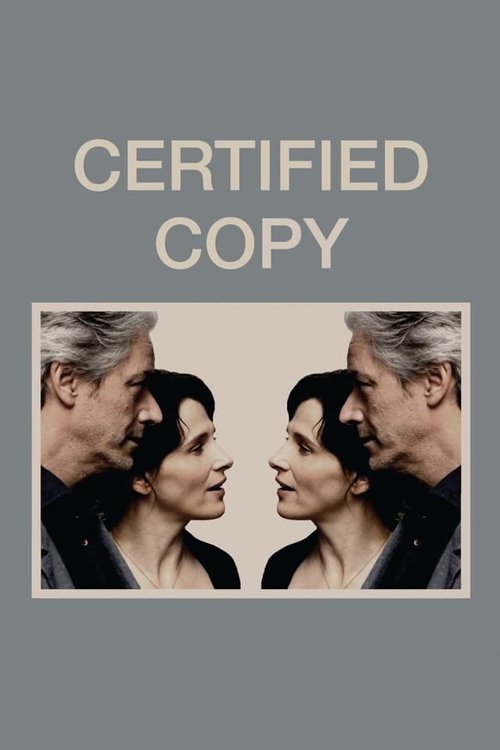
Certified Copy2010
A marriage examined and interrogated over a single day, asking what authenticity means between two people. Abbas Kiarostami's investigation of connection and performance is similarly patient and precise.
But It's abstract and philosophical rather than dramatically gripping. The twist divides audiences.
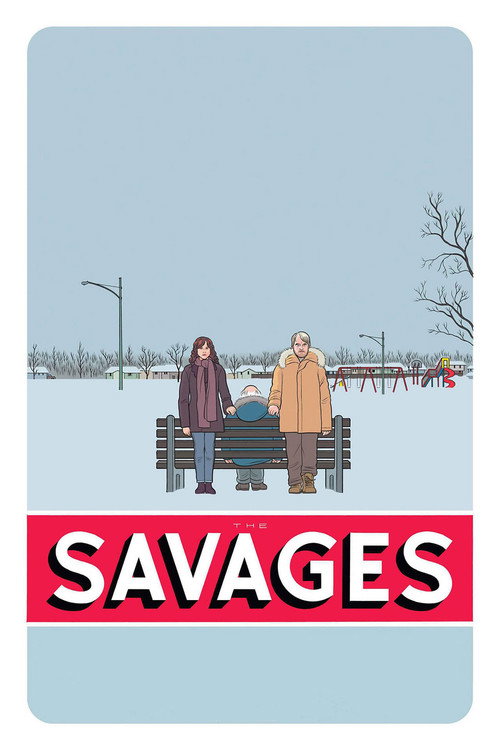
The Savages2007
Siblings facing aging parents and their own failures, with Tamara Jenkins finding dark comedy in obligation and resentment. Close to the bone about family duty and disappointment.
But Tonally uncertain—it shifts between comedy and melancholy. The resolution is ambiguous and unsatisfying to some.
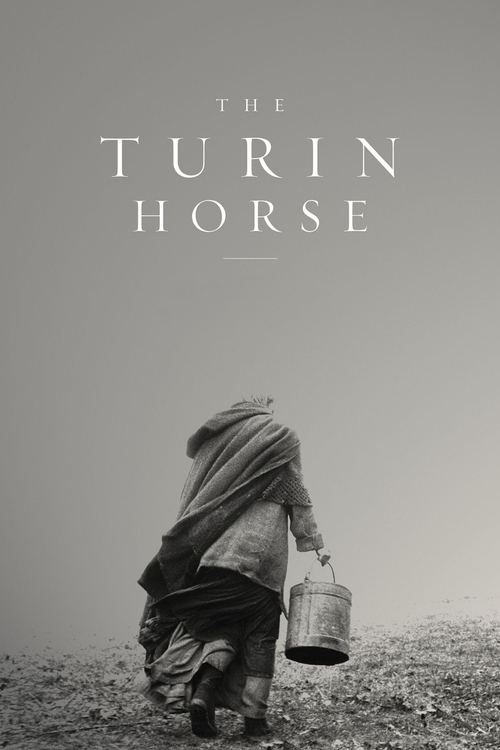
The Turin Horse2011
Both observe people trapped in cycles of care and dependence, where love becomes obligation becomes despair. Tarr finds a visual language for the suffocation that Close's character endures in silence.
Béla Tarr's black-and-white descent into repetition and decay, following an old philosopher and his servant in the last days of their lives. It's hypnotic, strange, glacially paced—a meditation on aging, failure and the approach of ending.
But It's relentlessly bleak and visually monotonous. Nearly three hours with minimal dialogue or conventional plot. Not for impatient viewers.
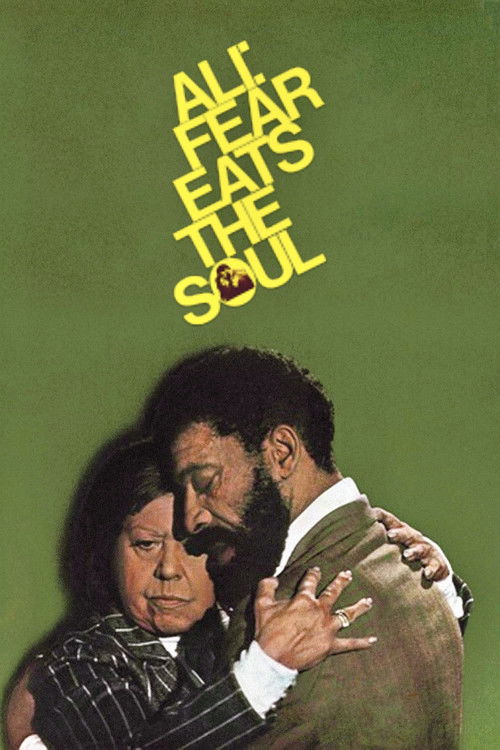
Ali: Fear Eats the Soul1974
Both examine how relationships are poisoned by social pressure, shame and the inability to say what needs to be said. Fassbinder's couple fragments under the weight of the world around them, much as Close's families do.
Rainer Werner Fassbinder's portrait of a marriage between a widow and an immigrant, told with melodramatic intensity but real emotional precision. It watches like a tragedy unfolding in the details of daily life.
But The melodrama is alien to modern taste. The film is small and deliberately formal in a way that can feel cold. Subtitled.
People
Cast
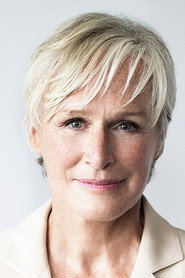 Glenn CloseEsther Gold
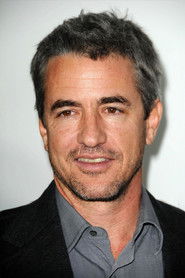 Dermot MulroneyJim Train
 Jessica CampbellJulie Gold
 Patricia ClarksonAnnette Jennings
 Joshua JacksonPaul Gold
 Moira KellySusan Train
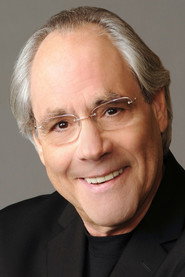 Robert KleinHoward Gold
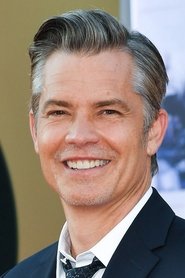 Timothy OlyphantRandy
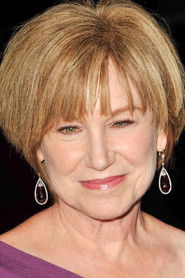 Mary Kay PlaceHelen Christianson
 Kristen StewartSam Jennings
 Alex HouseJake Train
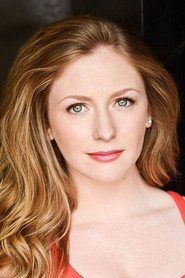 Charlotte ArnoldSally Christianson
Directing
- Rose TrocheDirector
Writing
- A.M. HomesBook
- Rose TrocheScreenplay
Production
- Jon MarcusAssociate Producer
- Sophie JansonAssociate Producer
- Barbie BlockCasting
- Bonnie FinneganCasting
- Clare WalkerCasting
- Sally StinerCasting
- Steven JacobsCasting
- Eric RobisonCo-Producer
- Rose TrocheCo-Producer
- Angus FinneyExecutive Producer
- Jody AllenExecutive Producer
- Pamela KofflerExecutive Producer
- Stephen EvansExecutive Producer
- Colin BruntonLine Producer
- Per MelitaLine Producer
- Christine VachonProducer
- Dorothy BerwinProducer