
Film
Thou Shalt Not Kill
- Drama
- Slow-burning
A 1961 Yugoslav-French co-production about a French pacifist imprisoned for refusing to fight in WWII's final days. Confined with a German priest accused of murder, the two men engage in searching philosophical debate about faith, obedience, and the moral weight of violence. Austere, intellectually rigorous, and deeply humanist—a film that argues with itself.
If you liked this
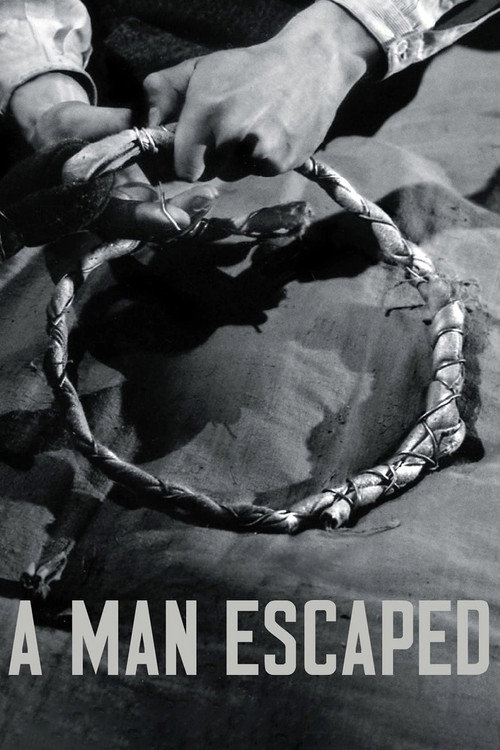
A Man Escaped1956
Bresson's masterpiece of spiritual resistance in a Nazi POW camp. Like Thou Shalt Not Kill, it finds profound dignity in constraint and explores faith through action rather than sermon. Quietly devastating.
But The pacing is glacial and the plot is thin. If you need plot, this will feel punishingly slow.
The Seventh Seal1957
Bergman's knight plays chess with Death, wrestling with faith and meaning in a plague-stricken landscape. It shares the same philosophical intensity and refusal to offer easy answers about suffering, mortality, and God.
But It can feel like a filmed philosophy lecture. Some find Bergman's earnestness overwrought rather than moving.

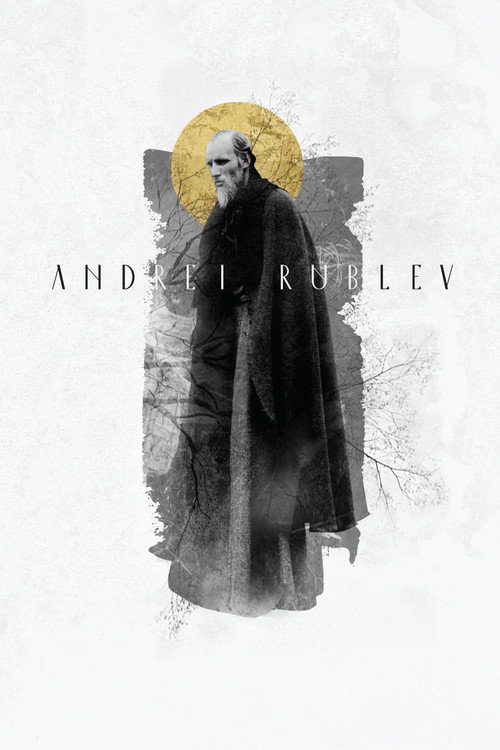
Andrei Rublev1966
Tarkovsky's epic about a medieval icon painter questioning faith amid violence and chaos. It matches Thou Shalt Not Kill's meditative pace and its conviction that art and conscience matter in brutal times.
But Three hours of dense, slow cinema. Demands patience and rewards only those willing to sit with long silences and images.
Not sure tonight? Get a pick in a minute, starting from Thou Shalt Not Kill
The wildcard
Something you would not have found on your own.
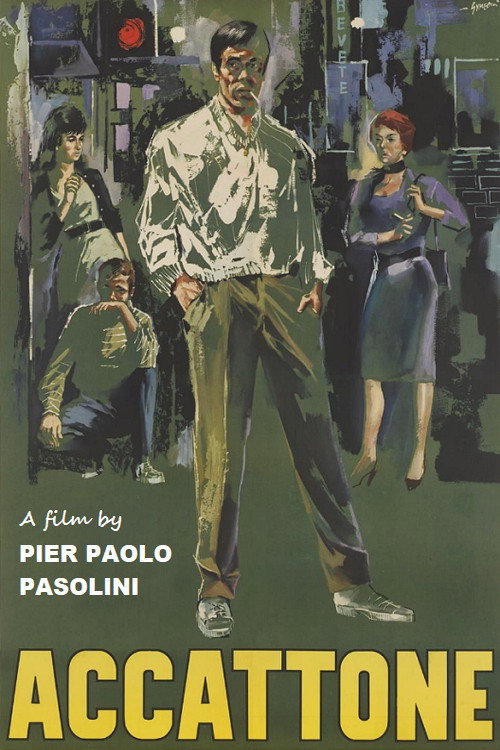
Accattone1961
Both were made in 1961 and both refuse the comfort of narrative resolution. Both argue that morality lives in the powerless and the dispossessed. Both use stillness and philosophical silence as their language.
Pasolini's debut about a pimp and thief in Rome's slums, shot like a religious painting. It finds grace in the dispossessed and uses Bach and Vivaldi on a soundtrack of poverty. Visually ecstatic and morally uncompromising.
But No plot. A drift through the underworld. The main character is not likeable and nothing is resolved. Feels like watching a series of tableaux.
More like this (7)
Stalker1979
Another Tarkovsky film—a guide leads two men into a mysterious zone seeking a room that grants wishes. Like Thou Shalt Not Kill, it's a philosophical journey disguised as a journey, exploring desire, faith, and the cost of conviction.
But Science-fiction trappings hide what is essentially an essay on film. Very slow. Very abstract. Not for viewers seeking plot momentum.

Winter Light1963
Bergman explores a pastor's crisis of faith during Cold War dread. Shares the austere black-and-white palette and the belief that moral questions matter more than narrative comfort.
But Bleak without redemption. The mood is suffocating and no character finds peace, which some find punitive rather than cathartic.

Ikiru1952
Kurosawa's dying bureaucrat searches for meaning in his final months. Both films ask: what makes a life worth living? Both find the answer in small human connections and the courage to resist conformity.
But A film about mortality and regret can feel heavy-handed. Some find it emotionally manipulative rather than genuinely moving.

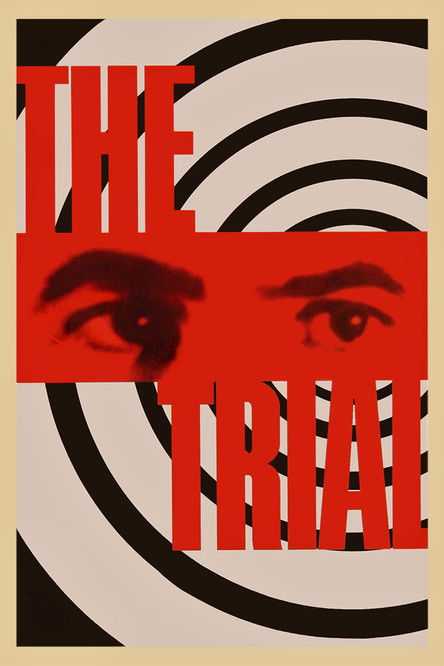
The Trial1962
Welles adapts Kafka: a man arrested for an unnamed crime navigates an absurd, suffocating system. Like Thou Shalt Not Kill, it traps characters in moral labyrinths and questions the legitimacy of authority itself.
But Formally experimental and often disorienting. The plot dissolves; viewers seeking clarity will find frustration instead.
Floating Clouds1955
Naruse's haunting film about a couple reunited after WWII, unable to escape the war's aftermath. It shares the post-war melancholy and the conviction that history leaves scars that won't heal neatly.
But Extremely subtle. Emotions are conveyed through gesture and silence; viewers expecting explicit drama will feel bored.

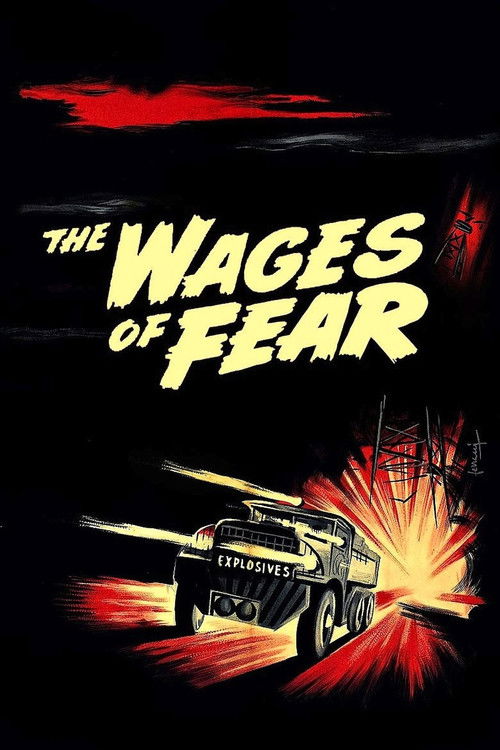
The Wages of Fear1953
Clouzot's tense thriller about men transporting nitroglycerine through South America. It explores moral compromise and the cost of survival—how ordinary people are forced into impossible choices.
But The first half drags establishing character; tension builds slowly. Those wanting immediate action will abandon it.
Come and See1985
Both films are about conscription and refusal, but Come and See shows what happens when you cannot refuse. It is Thou Shalt Not Kill's nightmare—the cost of a pacifist's powerlessness, rendered in blood.
A Soviet film following a boy conscripted into WWII as it systematically destroys his innocence and his faith in humanity. Brutal, hallucinatory, visually overwhelming—the inverse of Thou Shalt Not Kill's austere debate.
But Extremely graphic violence and sexual assault. Not abstract or philosophical—visceral and nearly unwatchable. One of cinema's most punishing films.

People
Cast
 Laurent TerzieffJean-François Cordier
 Horst FrankAdler
 Suzanne FlonMadame Cordier
 Marijan LovrićKapetan
- Vladeta DragutinovićStajn
 Petar BanićevićRober
Directing
- Claude Autant-LaraDirector
Writing
- Jean AurencheDialogue
- Pierre BostDialogue
- Jean AurencheWriter
Production
- Moris ErgasProducer
- Sonia PerovicProduction Director
- Yves LaplancheProduction Director