
Film
The Gods Must Be Crazy
- Comedy
- Light-hearted
A Kalahari bushman finds a Coke bottle and believes it's a gift from the gods, leading to tribal chaos. This 1980 South African comedy is genuinely ingenious physical farce—elaborate sight gags, no dialogue for long stretches, and an infectious delight in human absurdity. It's for anyone who loves silent comedy or has ever laughed at the sheer ridiculousness of modern civilization through fresh eyes.
Should you watch it?
Watch it if you love a gentle, observational comedy where a simple premise of cultural misunderstanding gets stretched into warm, unhurried, physical slapstick and a surprisingly tender sense of wonder.
Skip it if you want brisk plotting or sharp, cynical jokes; this one wanders at its own easy pace, and some of its comedy leans on broad, dated caricature that may grate.
What it asks of you: Settle in for about ninety minutes of loose, ambling episodes rather than a tight story, with a sunny tone and a patience for scenes that take their time to land.
Not sure? Find tonight's pick in a minute.
If you liked this
Singin' in the Rain1952
Pure physical comedy executed with balletic precision. Like *Gods*, it trusts the audience to find joy in perfectly-choreographed movement and visual gags rather than jokes explained by dialogue.
But The musical numbers might feel dated, and it's slower-paced than modern comedies. Some find the sweetness cloying.

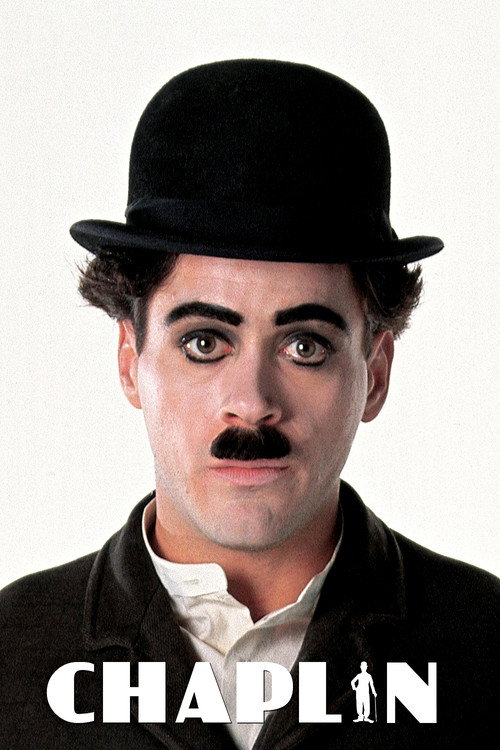
Chaplin1992
Tanguy Vridian's film about Chaplin's life shares that same genius for finding comedy in the collision between innocence and the modern world. Silent cinema's DNA runs through both.
But It's a biopic, so you get melodrama alongside the comedy. The tone shifts can feel uneven.
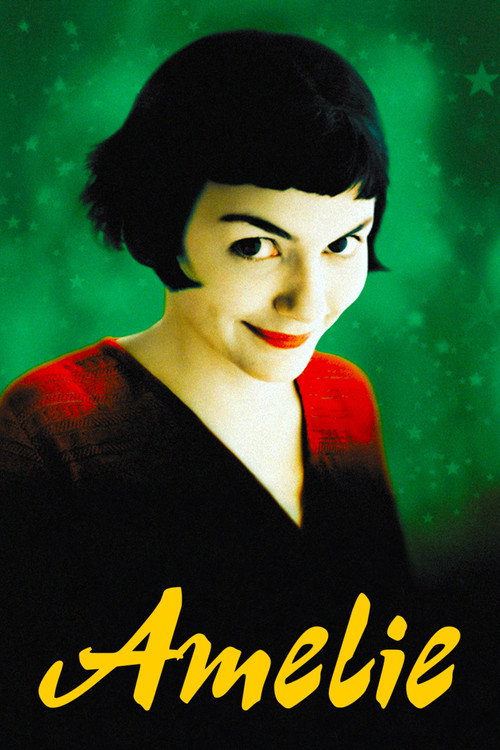
Amélie2001
Another film enchanted by the everyday made wondrous. It has that same warmth and visual playfulness, finding magic in small human moments and gentle absurdity.
But French whimsy isn't for everyone. It can feel precious or overly sentimental if you're not in the mood for pure charm.
Not sure tonight? Get a pick in a minute, starting from The Gods Must Be Crazy
The wildcard
Something you would not have found on your own.
Kes1970
Both films trust their audience to see the world anew through a character unburdened by cynicism—one through naïveté, one through class struggle.
A working-class Yorkshire boy trains a hawk and finds dignity in it. Ken Loach's social realism and *Gods*' comedy operate from opposite directions, but both see the world through an outsider's clear eyes and find grace in small, real moments.
But Utterly bleak. It's a film about poverty and limited futures, not entertainment. The hawk dies, and the film doesn't look away.

More like this (8)
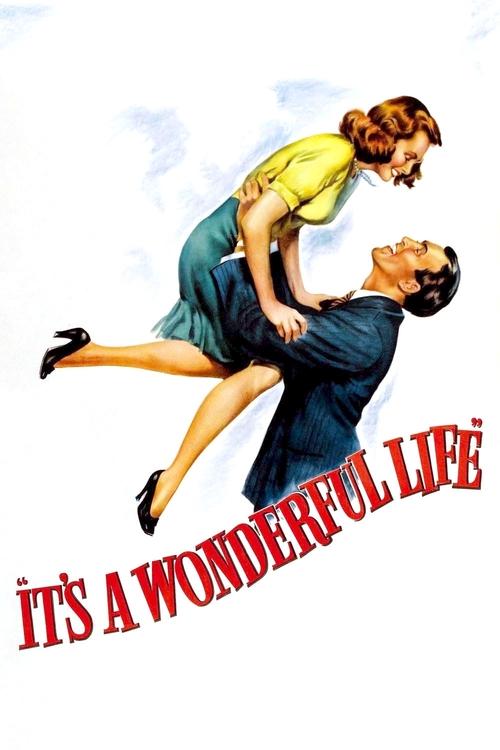
It's a Wonderful Life1946
Both films examine what 'civilization' actually means and whether modern life is progress or burden. The tone is lighter here, but the question underneath is surprisingly similar.
But At nearly three hours, it's a commitment. The sentimentality in the final act doesn't land for everyone.
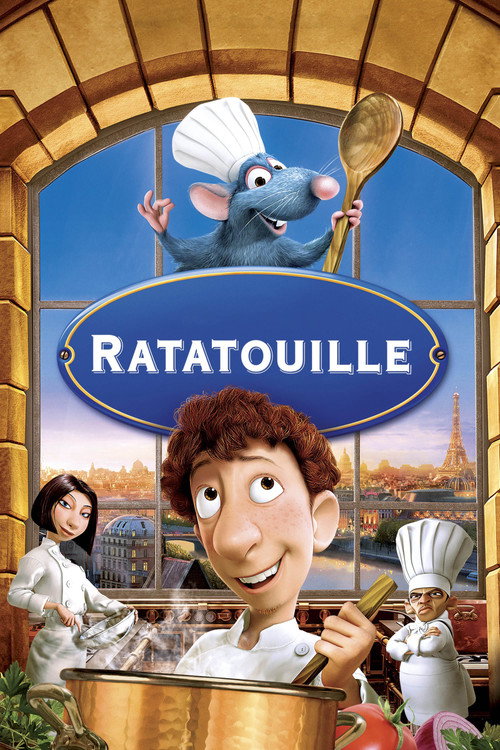
Ratatouille2007
Pixar's best film speaks the same language: visual comedy, physical gags that earn laughs without winking, and genuine affection for all its characters, even the oblivious ones.
But It's animated, so if you're seeking live-action farce, it won't scratch that itch. Some find Pixar's emotional beats manipulative.
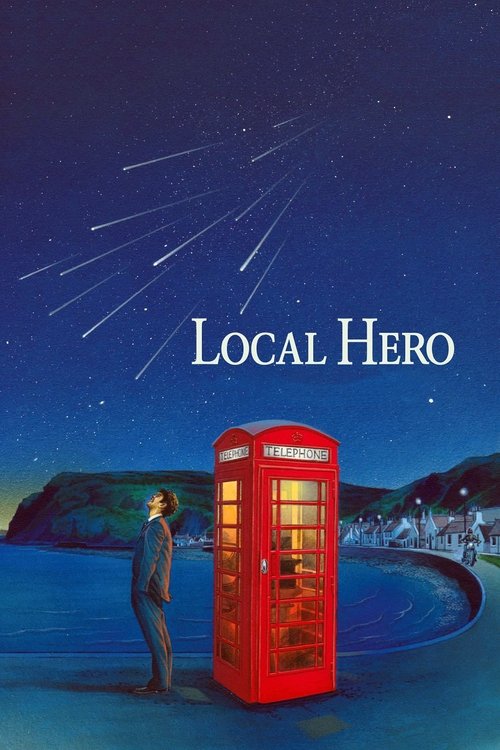
Local Hero1983
A Scottish village resists an oil company's plans in this gentle comedy about tradition versus progress. It shares *Gods*' warmth and its skepticism about whether 'modern' really means 'better.'
But It's understated to the point of slowness. If you want zippy comedy, this will feel like it's taking a nap.
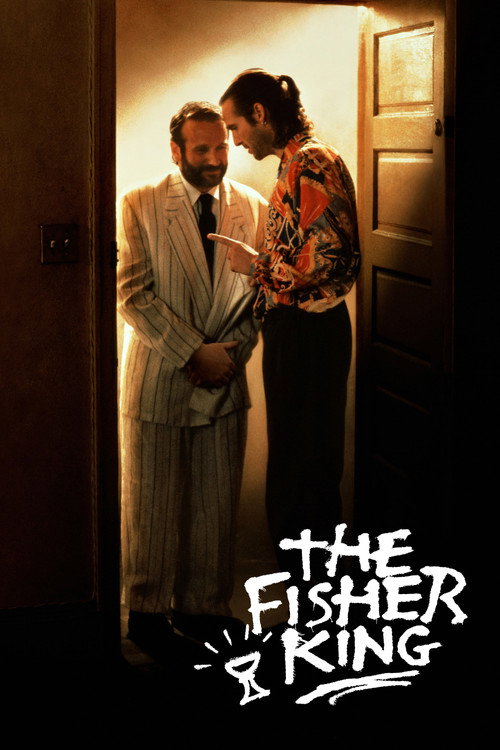
The Fisher King1991
Terry Gilliam's film about a homeless man and a radio host mixes screwball comedy with genuine sadness. It has that same willingness to let characters be ridiculous and real simultaneously.
But Gilliam's direction is chaotic and sometimes the tonal whiplash is exhausting. The plot threads don't always tie together cleanly.
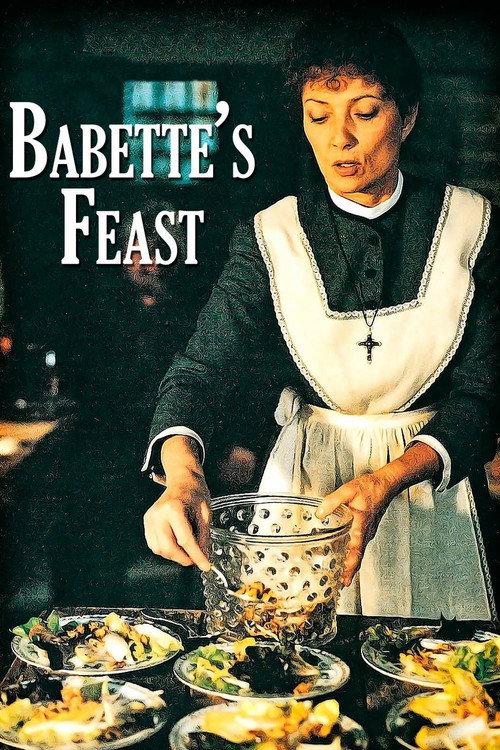
Babette's Feast1987
A French chef feeds a small, austere religious community, and the film asks what nourishment actually means. Slow, meditative, but with real comedic warmth about human contradiction.
But Very slow. It's a film about people eating dinner for much of its runtime. Requires patience and a particular mood.
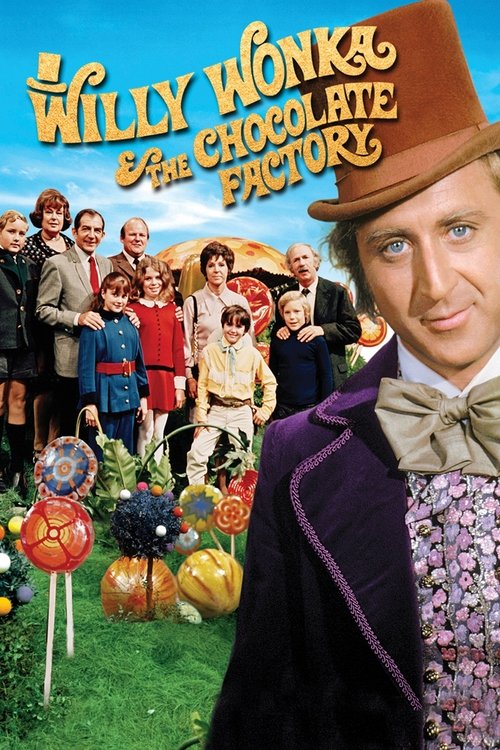
Willy Wonka & the Chocolate Factory1971
Gene Wilder's performance finds comedy and melancholy in the same gesture. The film has that same eye for absurdity and genuine oddness without needing to explain the joke.
But The tonal shifts are extreme—from whimsy to darkness. The songs might grate. Some find it unsettling rather than fun.
Stalker1979
Both released in the same year and both fundamentally about whether progress and desire actually improve human life.
Tarkovsky's philosophical science-fiction film is almost opposite in pace and subject matter—meditative, abstract, about desire and faith. Yet both films examine what humans truly want when stripped of civilization's noise.
But Glacially slow, cryptic, and demands active thought. There is no plot in the conventional sense. Many find it incomprehensible or pretentious.

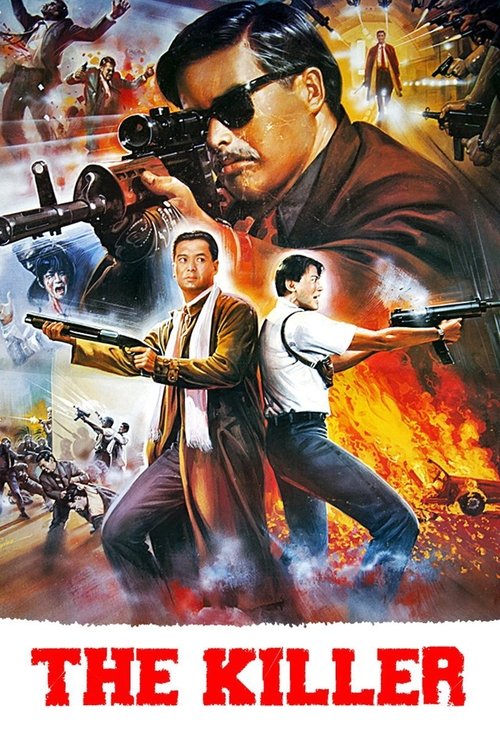
The Killer1989
Both films tell their stories with minimal dialogue and maximum visual intelligence. Both trust the audience to read behavior and meaning from small, telling details.
David Fincher's debut is a minimalist thriller about a contract killer's descent. Its crisp, almost silent observation of human behavior and consequence is tonal worlds away, but the precision is kinship.
But It's dark, violent, and operates without warmth. If you loved *Gods*' gentleness, this will feel like a betrayal of cinema itself.
People
Cast
 Marius WeyersAndrew Steyn
 Sandra PrinslooKate Thompson
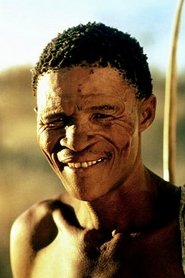 N!xauXi
- Louw VerweySam Boga
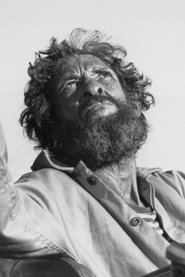 Michael ThysMpudi
- Nic De JagerJack Hind
- Fanyana H. SidumoCard 1
- Joe SeakatsieCard 2
 Brian O'ShaughnessyMr. Thompson
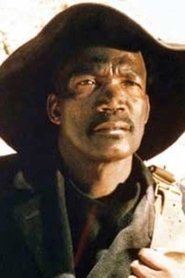 Ken GampuPresident
 Paddy O'ByrneNarrator (voice)
- Graham ArmitageThe Reverend (voice) (uncredited)
Directing
- Kobus KrugerAssistant Director
- Jamie UysDirector
- Caroline BurlsScript Supervisor
- Di YatesScript Supervisor
Writing
- Jamie UysScreenplay
Production
- Boet TroskieExecutive Producer
- Jamie UysProducer
Recommended by
Fitzcarraldo, The Wood, Summer Rental, Water, The Hallelujah Trail, BabaKiueria