
Film
Little Forest: Summer/Autumn
- Drama
- Slow-burning
A woman returns to her rural Japanese hometown to heal from heartbreak, spending her days growing food, baking bread, and tending the land through summer and autumn. Meditative and deeply sensory, it finds profound quiet in small acts—the texture of soil, the patience of seasons, the nourishment that comes from making things with your hands. For anyone who's ever fantasized about dropping out to tend a garden.
Should you watch it?
Watch it if you enjoy slow, sensory films where the pleasure lies in watching someone cook, grow and eat simple food, and where quiet seasonal rhythm does more work than plot.
Skip it if you want a story that keeps pushing forward; little happens in a conventional sense, and its gentle pacing may feel like waiting for something that never quite arrives.
What it asks of you: It asks for a couple of hours of patience and a willingness to sit with ordinary chores at their own speed, with emotion arriving sideways rather than in big scenes.
Not sure? Find tonight's pick in a minute.
If you liked this
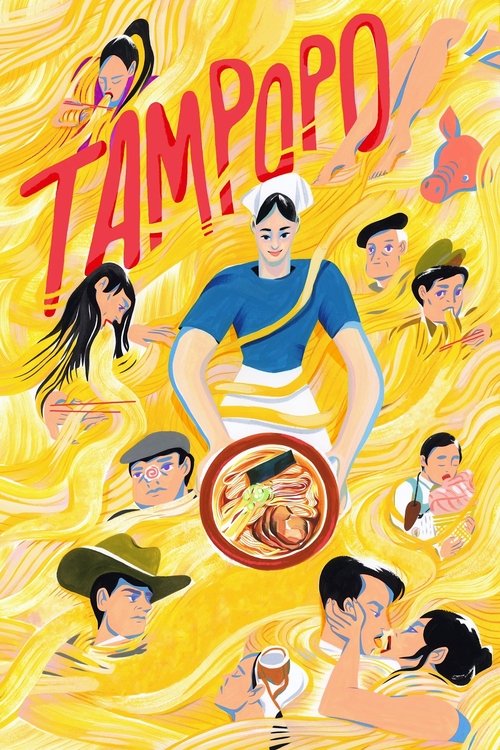
Tampopo1985
Joyful, wildly inventive Japanese film that treats food with the same reverence and sensuality. Every frame celebrates the act of making and eating with genuine love. A spiritual cousin to Little Forest's philosophy.
But It's far more surreal and comedic, with bizarre vignettes that abandon narrative logic. If you want grounded realism, this playfulness might feel jarring.
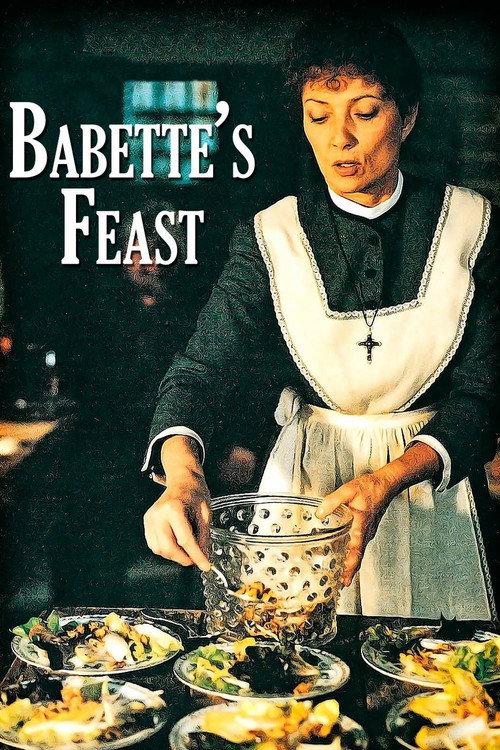
Babette's Feast1987
A woman cooks an extraordinary meal for her isolated community, transforming lives through food and generosity. Similarly meditative on the spiritual power of nourishment and the labor that love requires.
But Slower paced than many expect, and more focused on faith and grace than on the practical pleasures of growing and making things.
Eat Drink Man Woman1994
A retired chef in Taipei expresses love through elaborate cooking while his three daughters navigate their own lives. Food as language, ritual, and the invisible work that holds a family together.
But More plot-driven and character-focused on romantic entanglements. It lacks the contemplative stillness that makes Little Forest so restorative.

Not sure tonight? Get a pick in a minute, starting from Little Forest: Summer/Autumn
The wildcard
Something you would not have found on your own.
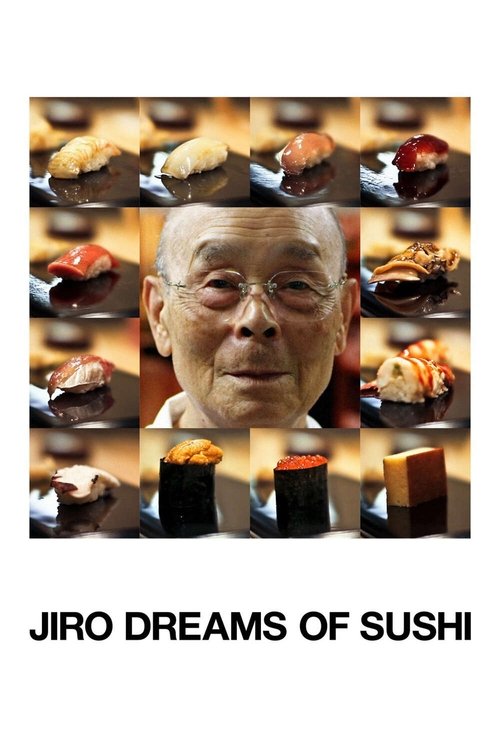
Jiro Dreams of Sushi2011
Both film and documentary are love letters to the possibility of transformation through repetition—Ichiko through growing and cooking, Jiro through the same hand movements over fifty years. Neither is about ambition; both are about devotion to craft.
Documentary about an 85-year-old sushi master's obsessive pursuit of perfection through decades of repetition and incremental refinement. Same spiritual core: mastery through humble, daily practice.
But Non-fiction, visually austere, and demands patience with technical minutiae. If you want narrative and character, documentary form won't deliver that.
More like this (8)
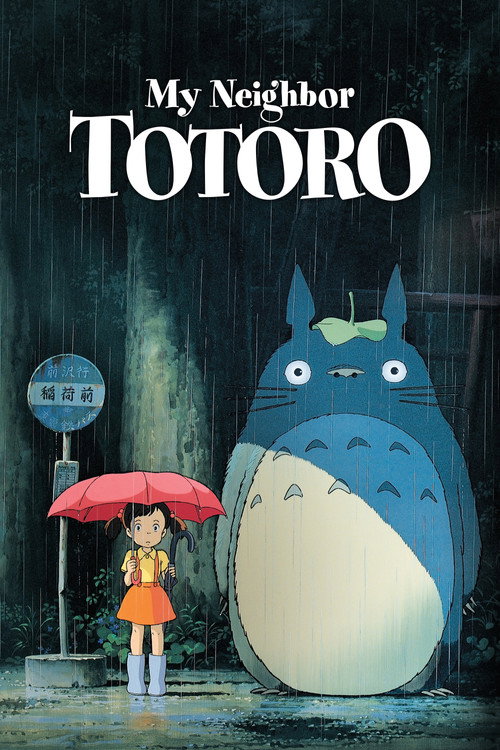
My Neighbor Totoro1988
Studio Ghibli's masterpiece of rural childhood wonder, soaked in the same love for nature, seasons, and simple living. The textures and rhythms will feel deeply familiar.
But It's animated and fantastical, aimed at children. If you're drawn to Little Forest's documentary naturalism, the whimsy may feel too distant.
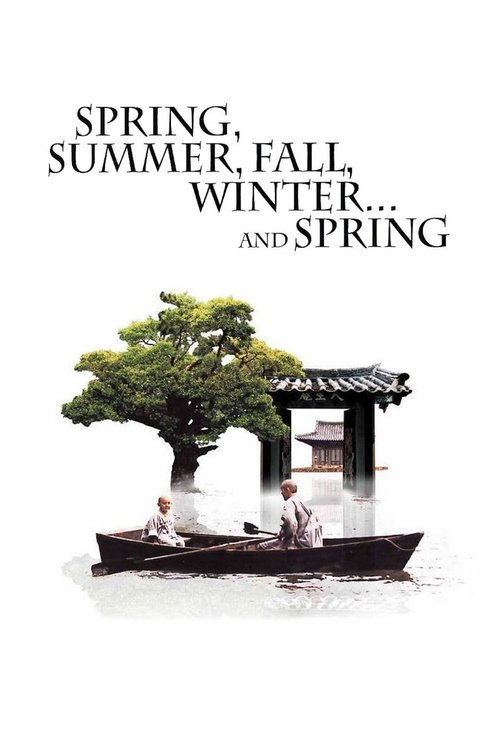
Spring, Summer, Fall, Winter... and Spring2003
A monk and his apprentice live on a floating temple through the seasons, repeating rituals and lessons. The same cyclical structure, the same belief that observation is its own story.
But Deliberately enigmatic and sparse. Some find it profound; others find it oblique to the point of frustration. Not for anyone needing clarity.
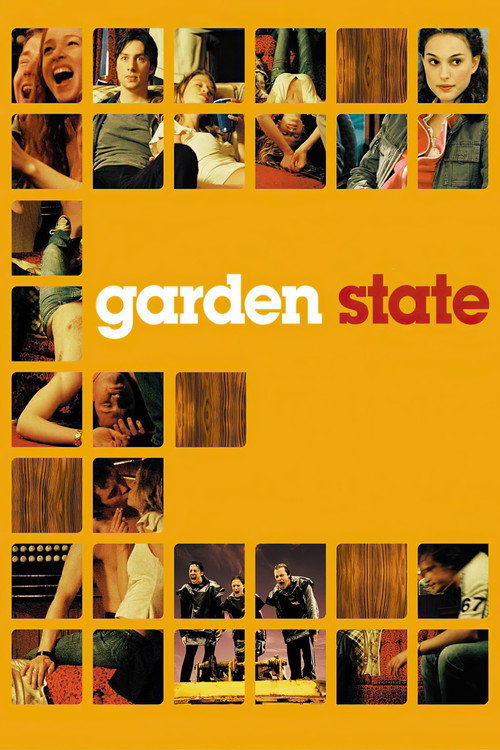
Garden State2004
A young man returns home to escape the noise of his life and begins reconnecting with place and people. The emotional arc of departure and return mirrors Ichiko's journey.
But Much more a conventional indie dramedy about relationships than about the healing work of land and making. Faster, louder, more plot-heavy overall.
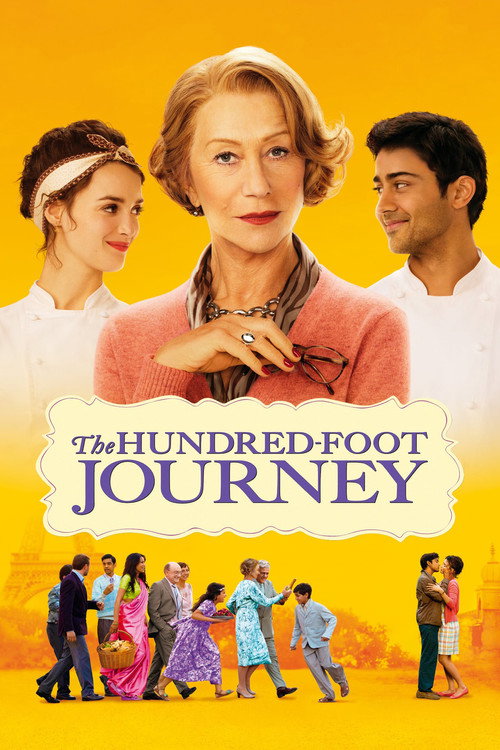
The Hundred-Foot Journey2014
An Indian family opens a restaurant next to a Michelin-starred French one, and both learn something about hospitality and home cooking. Food as cultural bridge and personal story.
But Considerably more mainstream and feel-good. It lacks the quiet introspection and focus on solitary labor that gives Little Forest its particular power.
Sideways2004
Two men travel California wine country, exploring terroir, taste, and what it means to savor something slowly. The same philosophy applied to wine instead of vegetables.
But It's a buddy comedy with romantic subplots and plenty of dialogue. Not meditative or introspective; it's far more interested in wit and character friction.

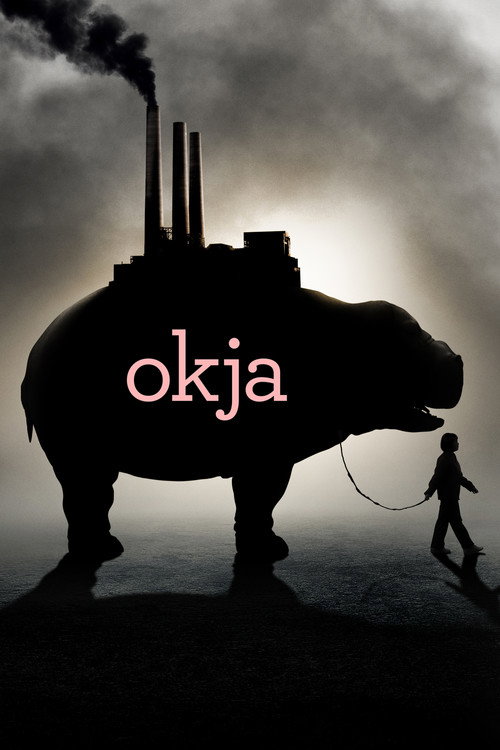
Okja2017
A girl journeys to save her giant mutant super-pig across dystopian landscapes, learning about food systems, corporate greed, and what we owe the earth. Questions the industrial agriculture Little Forest rejects.
But Intense, violent, and explicitly political in ways Little Forest never is. Also far more plot-driven and action-oriented despite its themes.
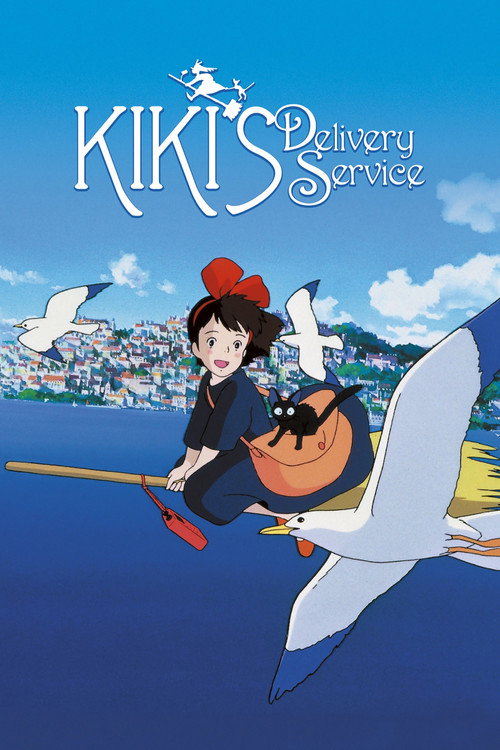
Kiki's Delivery Service1989
Both films locate profound peace in repetitive, necessary work, and understand that healing doesn't require drama—just the daily practice of showing up and doing what needs doing. Both protagonists are solitary by choice, not circumstance.
Ghibli's gentlest film: a young witch moves to a new city, finds her footing through work (delivering parcels), and learns that small kindnesses and solitude are their own magic. The register is lighter, but the soul is identical.
But Animated fantasy for younger audiences. The whimsy, talking cat, and fantastical elements sit at odds with Little Forest's grounded naturalism.
A Ghost Story2017
Both films believe that paying close attention to small, repeated moments—a woman planting seeds, a ghost watching light change—can contain multitudes. Both trust the viewer to find meaning in duration, not action.
A man dies and returns as a ghost bound to his house, watching decades pass. Philosophical meditation on time, mortality, and what we leave behind. Employs stillness the way Little Forest does—as a lens for understanding.
But Experimental, conceptual, and at times abstract. Some find it profound; many find it pretentious and slow. The ghost is literally covered by a white sheet for much of it.

People
Cast
 Ai HashimotoIchiko
 Takahiro MiuraYuta
 Mayu MatsuokaKikko
 Yoichi NukumizuShigeyuki
 Karen KirishimaFukuko
 Momone ShinokawaYoung Ichiko
Directing
- Junichi MoriDirector
Writing
- Daisuke IgarashiOriginal Story
- Junichi MoriScreenplay
Production
- Keiko OgataCasting
- Takaaki KabutoExecutive Producer
- Keichiiro MoriyaProducer
- Satoko IshidaProducer
- Kentaro KanekoProduction Manager