
Film
Séraphine
Séraphine is a quiet, devastating portrait of a self-taught French painter whose visionary gift blooms late and briefly before circumstance and mental illness extinguish it. Yolande Moreau is extraordinary—luminous, strange, unstable. It's a film about the loneliness of creation, the cruelty of patronage, and how little protection talent offers the vulnerable. Beautiful and hard to shake.
Should you watch it?
Watch it if you are drawn to portraits of stubborn outsiders, where a painter's craft and sensory world matter more than plot, and where quiet observation is the point.
Skip it if you want brisk plotting or a tidy dramatic shape; this moves slowly, stays close to one withdrawn woman, and its mood is heavy with melancholy.
What it asks of you: Two hours and five minutes, most of it unhurried, with long silences and close attention to small domestic and studio details.
Not sure? Find tonight's pick in a minute.
If you liked this
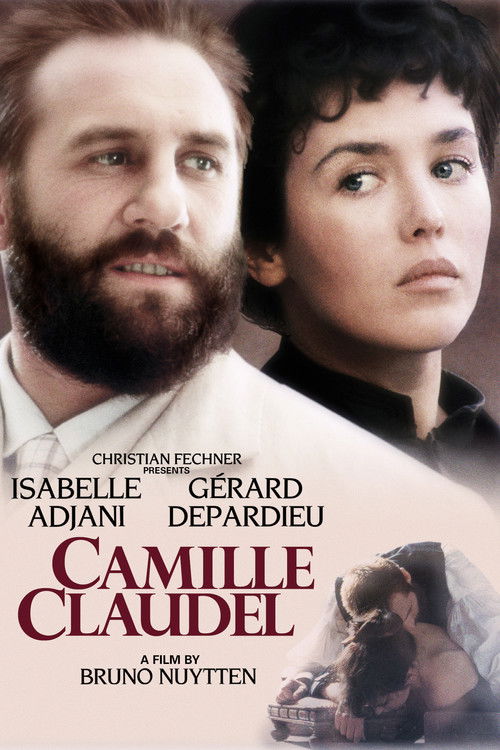
Camille Claudel1988
Another French masterpiece about a brilliant woman artist undone by circumstance, mental illness, and a more famous man. Isabelle Adjani is riveting. The parallel trajectories will haunt you.
But It's relentlessly bleak. There are no wins here, only the slow suffocation of promise.
The Red Shoes1948
A woman's artistic obsession and the men who control access to her genius. Powell and Pressburger are visually rapturous about creation, and ruthless about its cost. The climax is unforgettable.
But It's opulent and theatrical—the opposite of Séraphine's intimacy. Some find it dated.

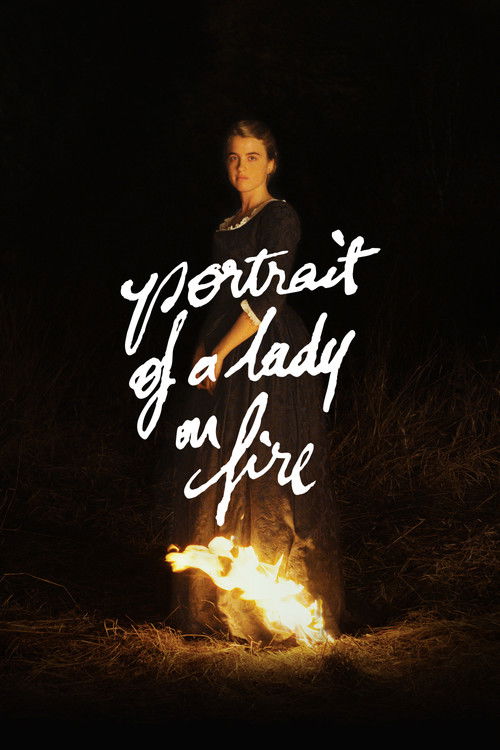
Portrait of a Lady on Fire2019
A painter and her subject develop an impossible intimacy. Sciamma shoots female creativity and desire with such tenderness. It's quiet, sensual, and builds to something profound about art and connection.
But The pacing is glacial. If you need plot momentum, this will feel like watching paint dry—which is rather the point.
Not sure tonight? Get a pick in a minute, starting from Séraphine
The wildcard
Something you would not have found on your own.
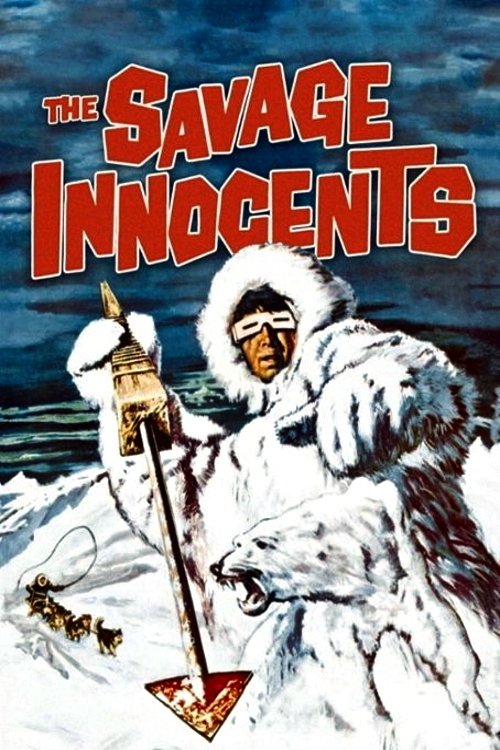
The Savage Innocents1960
Both films centre on gentle, visionary figures whose gifts make them misfits in the societies that surround them. Both are more interested in interiority than plot.
An Inuit hunter navigates an incomprehensible white world. Like Séraphine, it's about the collision between a gifted outsider and a culture that cannot see or value them. Stunning landscapes, a luminous performance by Anthony Quinn.
But It's a 1960s film by an Italian director about Indigenous life—the ethnographic lens can feel dated and awkward. The pacing is glacial.
More like this (8)
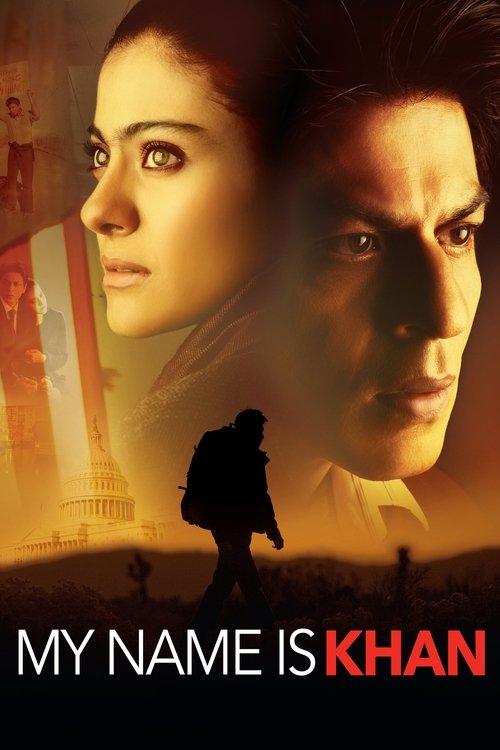
My Name Is Khan2010
A gentle, determined outsider navigates a hostile world. Shah Rukh Khan gives a surprisingly nuanced performance of vulnerability and stubborn grace. It's moving without being saccharine.
But The film occasionally lurches into melodrama. Some moments feel manufactured rather than earned.
The Ballad of Little Jo1993
A woman in the Old West survives by passing as a man. It's a strange, feminist Western, mordantly funny and genuinely affecting about the price of reinvention and the hunger to be seen.
But The tone is uneven—it doesn't quite know if it's a tragedy or a dark comedy. That inconsistency will bother some viewers.

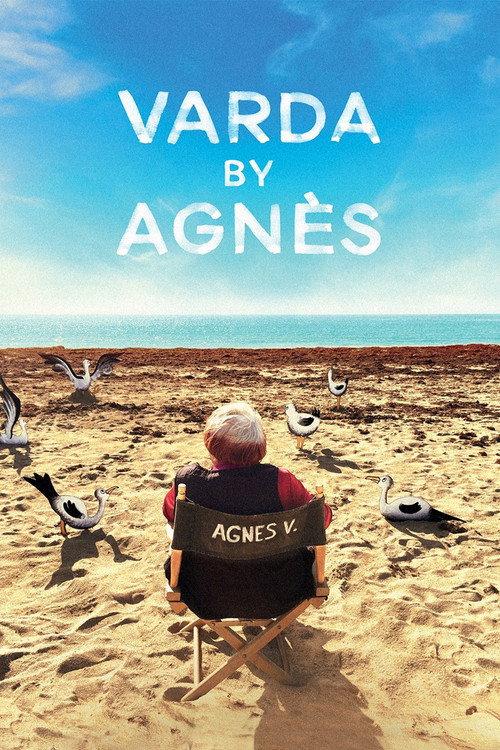
Varda by Agnès2019
Agnès Varda, one of cinema's greatest artists, reflects on a life of creation and loneliness. It's playful, digressive, and deeply honest. A masterclass in how to think about art and time.
But It's essayistic and self-indulgent. If you want a conventional biography, you'll find this frustrating and scattered.
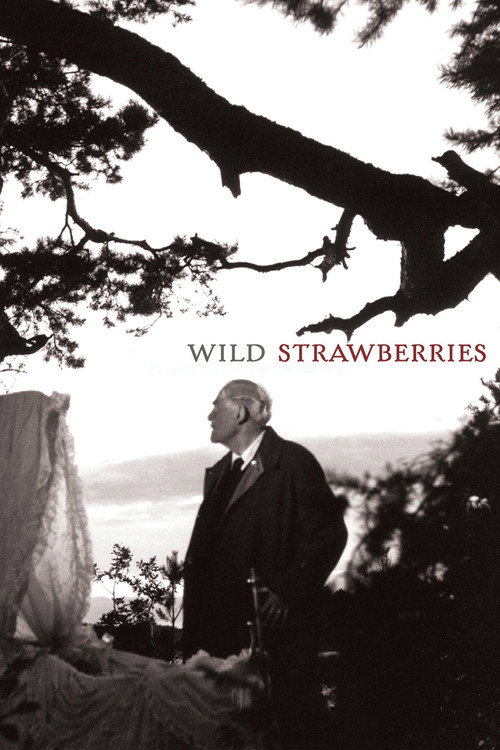
Wild Strawberries1957
Bergman's meditation on aging, regret, and the distance between who we are and who we might have been. Spare, human, achingly wise. One of cinema's great examinations of an interior life.
But It moves slowly and demands patience. The black-and-white cinematography and philosophical tone won't appeal to everyone.
A Prophet2009
A young man finds power and agency in prison. Audiard's direction is electric, the performances fierce. It's a study in how circumstance shapes identity and how survival requires reinvention.
But The violence is visceral and frequent. It's also a prison drama, so if that setting doesn't appeal, nothing else will save it.

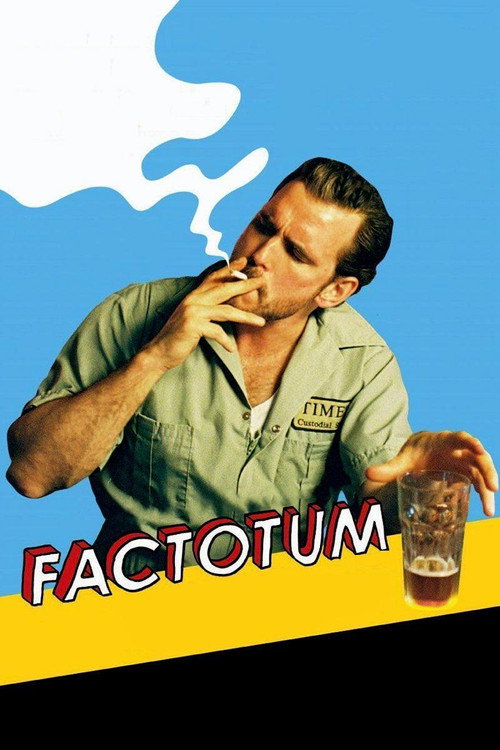
Factotum2005
A drifter moves through low-rent America, working odd jobs, writing in secret. Based on Bukowski's novel, it captures the strange freedom and emptiness of a life without roots or recognition.
But Matt Dillon's performance is intentionally flat. The narrative is episodic and plotless. It can feel pointless if you're looking for momentum or resolution.
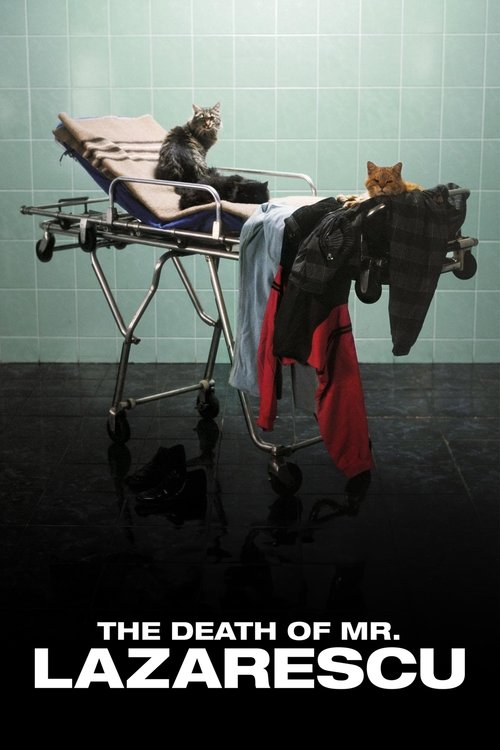
The Death of Mr. Lazarescu2005
Both are portraits of vulnerable people crushed by indifference—one by poverty and mental illness, one by medical and social neglect. Both refuse to sentimentalise their subjects' suffering.
A sick old man spends a night in emergency rooms while bureaucracy churns indifferently around him. Slow, enraging, unbearably human. Cristi Puiu's direction is surgical. It's about dignity stripped away by systems that don't see individual people.
But It's three hours in a Romanian hospital. There is no catharsis, no redemption, no music swelling to make it bearable. Watching it is uncomfortable and deliberately so.
Sunrise: A Song of Two Humans1927
Both are about ordinary women—a servant, a wife—whose inner luminescence transforms everything around them. Both films are visually ecstatic about female subjectivity.
Murnau's silent masterpiece about a woman's transcendent inner life and the cost of beauty. It's visually rapturous, deeply strange, and treats a humble woman's inner world as cinema itself. The climax is extraordinary.
But It's silent film from 1927. If that format feels like homework rather than art, you won't find your way in. The pace demands patience.

People
Cast
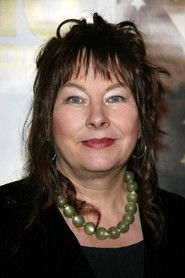 Yolande MoreauSéraphine Louis, dite Séraphine de Senlis
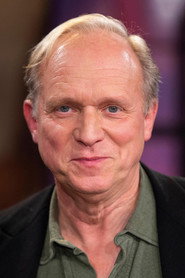 Ulrich TukurWilhelm Uhde
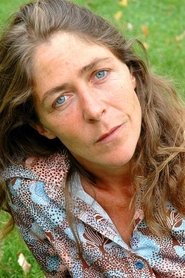 Anne BennentAnne-Marie Uhde
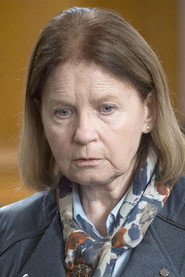 Geneviève MnichMme Duphot
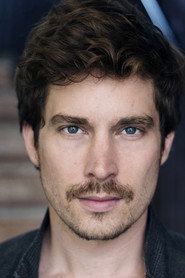 Nico RognerHelmut Kolle
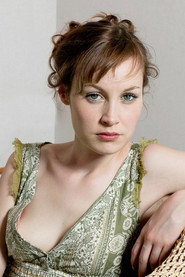 Adélaïde LerouxMinouche
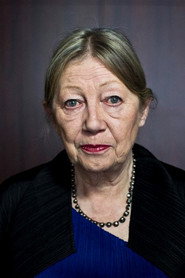 Françoise LebrunLa mère supérieure
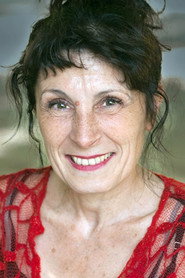 Hélène HardouinLa propriétaire
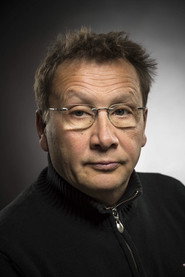 Serge LarivièreDuval
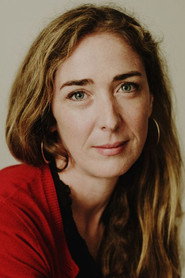 Léna BrébanSœur Marguerite
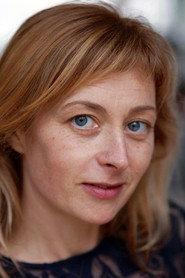 Sandrine BodenesMarie-Louise
- Muriel RiouBerthe
Directing
- Martin ProvostDirector
Writing
- Martin ProvostScreenplay
- Marc AbdelnourWriter
Production
- Arlette ZylberbergAssociate Producer
- Brigitte MoidonCasting
- Olivier RausinCo-Producer
- Gilles SacutoProducer
- Miléna PoyloProducer