
Film
Love in the Afternoon
Other titles called Love in the Afternoon: the 1957 film.
A 1972 French drama about a respectable Parisian lawyer caught between the comfortable security of marriage and the electric pull of an old flame. Director Eric Rohmer crafts a precise, almost philosophical meditation on desire and commitment—all conversation, hesitation, and the small decisions that matter. For anyone who loves emotional intelligence and takes infidelity seriously rather than as plot device.
Should you watch it?
Watch it if you enjoy films where the drama lives in conversation and a man's self-deceiving reasoning, with the moral temptation handled as a gentle, witty observation of Parisian manners rather than melodrama.
Skip it if you want the pull of passion to be felt rather than talked through; the characters spend long stretches debating their own feelings, and the pace stays deliberately unhurried.
What it asks of you: A slow, talky shape across about ninety-seven minutes, with a close, unshowy look at one man's wavering; the runtime is modest, but your attention has to stay steady.
Not sure? Find tonight's pick in a minute.
If you liked this
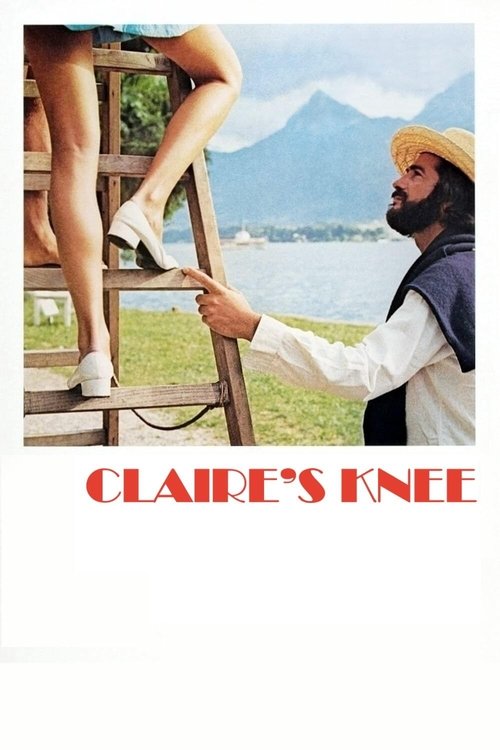
Claire's Knee1970
Another Rohmer masterpiece about a man on the verge of an affair, built entirely from talk and moral reasoning. The same director at peak form, mining philosophy from summer flirtation with devastating precision.
But If you're after plot momentum or dramatic confrontation, you'll find neither. It moves at the pace of thought, not action.
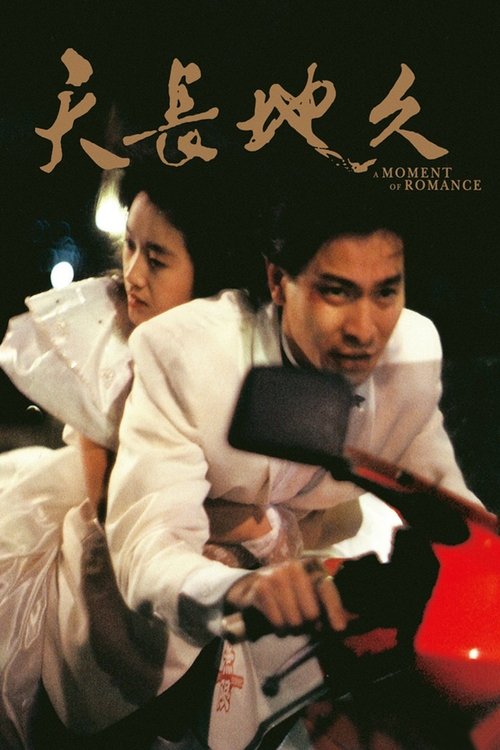
A Moment of Romance1990
A Hong Kong film exploring the collision between passion and obligation, where class and circumstance complicate desire as much as Rohmer's characters find them. Similar emotional sophistication wrapped in a different culture's tensions.
But Much more melodramatic and visually lush than Rohmer's restraint. If you prize intellectual distance, this reaches for the heart more directly.
Contempt1963
Godard's portrait of a marriage fracturing under temptation and outside pressure. Another French film obsessed with fidelity, desire, and the gap between what we say and what we feel.
But Godard's fragmented, arch style feels deliberately alienating. It's harder to enter than Rohmer, more interested in cinema itself than character warmth.

Not sure tonight? Get a pick in a minute, starting from Love in the Afternoon
The wildcard
Something you would not have found on your own.
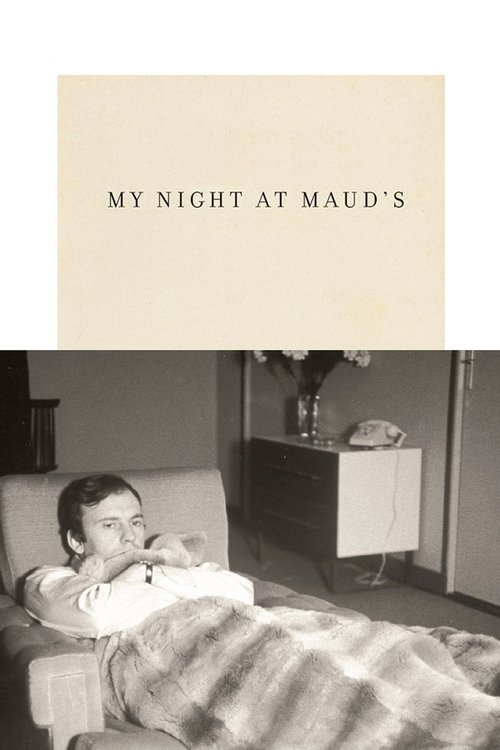
My Night at Maud's1969
Rohmer's previous masterpiece, showing the exact method he uses here: infidelity as a moral and psychological problem rather than a plot engine, resolved through talk and introspection rather than action.
The crucial entry point to Rohmer's moral cinema: a man, a woman, one winter night, and the question of whether desire matters more than principle. This is where the conversation-as-drama method reaches its apex, and it explains why *Love in the Afternoon* works.
But Almost entirely talk and philosophical argument. If you need plot or conventional drama, this will feel like watching someone think for two hours.
More like this (8)
The Last Affair1976
A Truffaut film about middle-aged desire and the narrow space between fantasy and action. Shares Rohmer's interest in thoughtful men wrestling with temptation rather than simply surrendering to it.
But More wistful and melancholic than *Love in the Afternoon*. If you want intellectual tension, this offers something closer to regret.
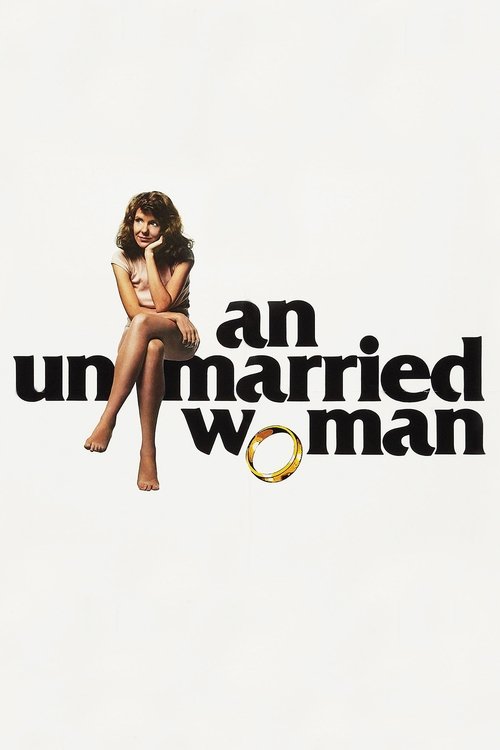
An Unmarried Woman1978
Mazursky's American take on fidelity and marriage, anchored by a brilliant female perspective. It has the same faith in dialogue and emotional honesty, examining desire from the other side.
But Centered on a woman rebuilding after betrayal rather than a man tempted by it. The register is warmer, more knowingly funny, less austere than Rohmer.
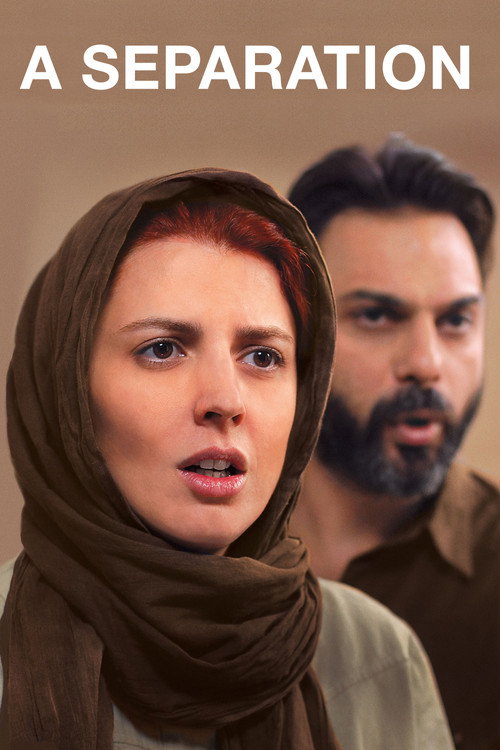
A Separation2011
An Iranian masterpiece about marriage, commitment, and the way small choices accumulate into crisis. Shares Rohmer's belief that infidelity is a question worth examining seriously and at length.
But Far grimmer, with genuine stakes and class struggle woven through. The tone is darker and the stakes feel immediate, not philosophical.
Shadows1960
Cassavetes' jazz-inflected improvisation about desire and romantic longing among young New Yorkers. Similar attention to what people actually say to each other when attraction is in play.
But Deliberately rough and chaotic rather than controlled. If you're drawn to Rohmer's clarity and precision, this will feel messily opposed.
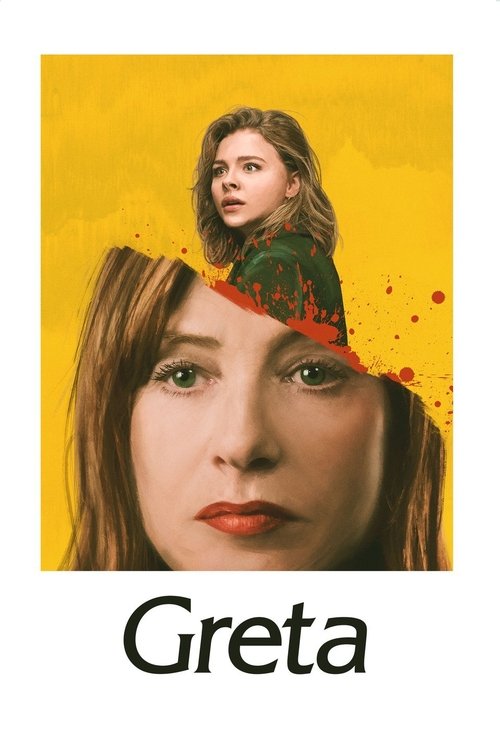
Greta2019
A more recent French film about obsession and the way attraction can override judgment. Contemporary, but still rooted in that French tradition of taking the interior life seriously.
But Slides toward thriller territory and moral disgust. Far less philosophically balanced than Rohmer's even-handedness.
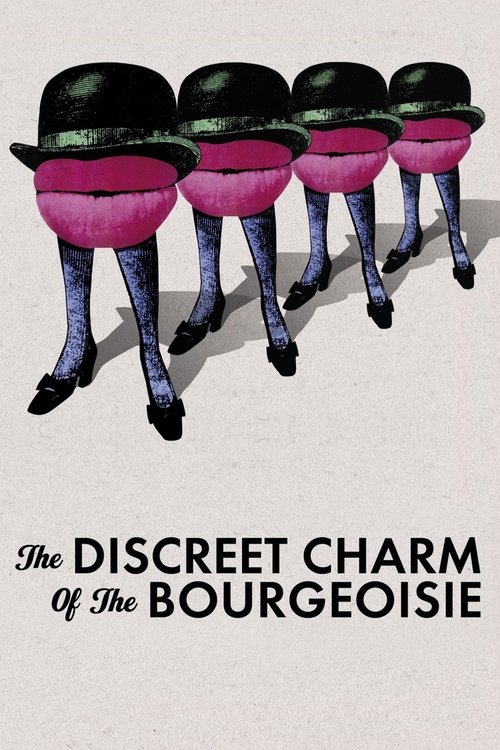
The Discreet Charm of the Bourgeoisie1972
Released the same year as *Love in the Afternoon*, Buñuel's surrealist critique of French middle-class life. A very different approach to the same social world and its hypocrisies.
But Deliberately strange and dreamlike rather than psychologically grounded. Its critique is absurdist, not intimate.
The Servant1963
Both films are interested in how desire operates beneath the surface of respectable life, but where Rohmer examines it philosophically, Losey reveals it as a weapon—showing what happens when someone stops being honest about what they want.
Losey's British psychological thriller about desire and power between a gentleman and his servant. Also built on restraint and suggestion, but uses that precision to create unease instead of clarity—desire as destabilization rather than temptation.
But It's a slow psychological game that becomes genuinely unsettling. The mood is paranoid and claustrophobic, the opposite of Rohmer's lucid reasonableness.

Tokyo Story1953
Both films share a profound belief that what matters most in life happens in conversation and small choices, not dramatic events. Both ask: How do we live with people we love when desire and obligation conflict?
Ozu's Japanese masterpiece about aging, marriage, and the way we live with our compromises. Not about infidelity, but about the long conversation that is a marriage—how two people negotiate desire, duty, and time together.
But Glacially paced, almost still in places. The reward is philosophical and emotional rather than narrative. Requires patience and willingness to sit with quiet moments.

People
Cast
 Bernard VerleyFrédéric
 ZouzouChloé
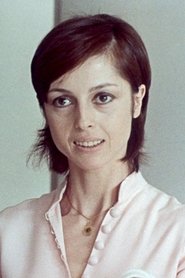 Françoise VerleyHélène
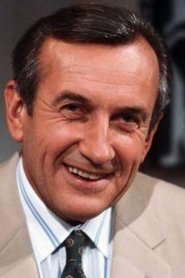 Daniel CeccaldiGérard
- Malvina PenneFabienne
- Elisabeth FerrierMartine
- Tina MichelinoThe Passenger
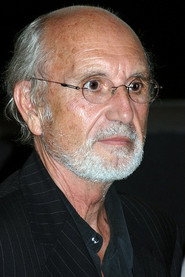 Jean-Louis LiviThe Colleague
- Pierre NunziThe Salesman
- Irène SkoblineThe Saleslady
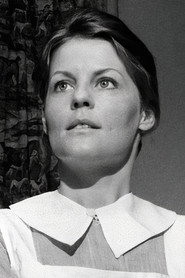 Frédérique HenderMme. M.
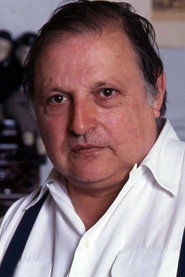 Claude-Jean PhilippeMr. M.
Directing
- Claude BertrandAssistant Director
- Claudine GuilleminAssistant Director
- Lorraine SantoniAssistant Director
- Éric RohmerDirector
Writing
- Éric RohmerScreenplay
Production
- Barbet SchroederProducer
- Pierre CottrellProducer