
Film
My Winnipeg
- Fantasy
- Strange
Guy Maddin's love letter to his hometown is a dreamlike collage of fact, fantasy, and half-remembered history. Shot in sumptuous black-and-white, it's less documentary than fever dream—part travelogue, part autobiography, part Winnipeg mythology. For anyone who loves cinema that moves sideways instead of forward, or who thinks a city can be a character.
Should you watch it?
Watch it if you love essay films that treat a hometown like a half-remembered dream, and you don't mind a director who lets history, gossip and invented scenes blur into one another with a straight face.
Skip it if you want a conventional plot, since this one wanders, repeats itself and leans on a mock-serious narration that can feel like a long in-joke.
What it asks of you: It runs about eighty minutes but plays in restless bursts, with faded old-film styling, sudden lurches and dense local detail, so it wants patience and some tolerance for being kept slightly off balance.
Not sure? Find tonight's pick in a minute.
If you liked this
Synecdoche, New York2008
Charlie Kaufman's dizzyingly self-referential vision of a theatre director building a replica city inside a warehouse mirrors Maddin's obsession with place and memory. Both films turn geography into psychology.
But It's three hours of escalating weirdness with no traditional plot, and it can feel like watching someone else's therapy session.

Mulholland Drive2001
David Lynch's Los Angeles, like Maddin's Winnipeg, is a character made of dreams, memory, and dark Hollywood secrets. Both directors prioritize mood and strangeness over narrative clarity.
But It demands your full attention and rewards obsessive viewers more than casual ones. Expect to feel unsettled.

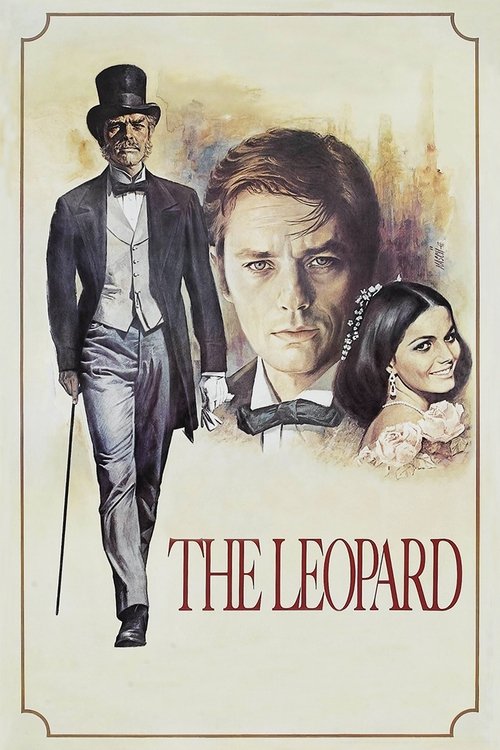
The Leopard1963
Luchino Visconti's ravishing black-and-white portrait of a fading aristocracy in Sicily shares Maddin's elegiac tone about a world vanishing. Both mourn beauty slipping away.
But It's a period film that moves at its own stately pace. If you want plot propulsion, this isn't it.
Not sure tonight? Get a pick in a minute, starting from My Winnipeg
The wildcard
Something you would not have found on your own.
Tokyo Story1953
Both directors refuse to sentimentalise their subject matter. Maddin's Winnipeg and Ozu's Tokyo are rendered with unsentimental affection—the love comes from precise observation, never from manipulation.
Ozu's deceptively simple domestic portrait of an aging couple visiting their son in postwar Tokyo does what Maddin attempts: it makes a place and time breathe. Neither film asks permission to move slowly.
But It's an elderly Japanese film where almost nothing happens. For viewers trained on plot and conflict, it feels like watching nothing.

More like this (7)
Stalker1979
Andrei Tarkovsky's meditative journey through a mysterious zone parallels Maddin's spiritual pilgrimage through Winnipeg's forgotten spaces. Both are cinema as contemplation.
But At 163 minutes, it demands patience. Long silences and philosophical dialogue won't appeal to everyone.

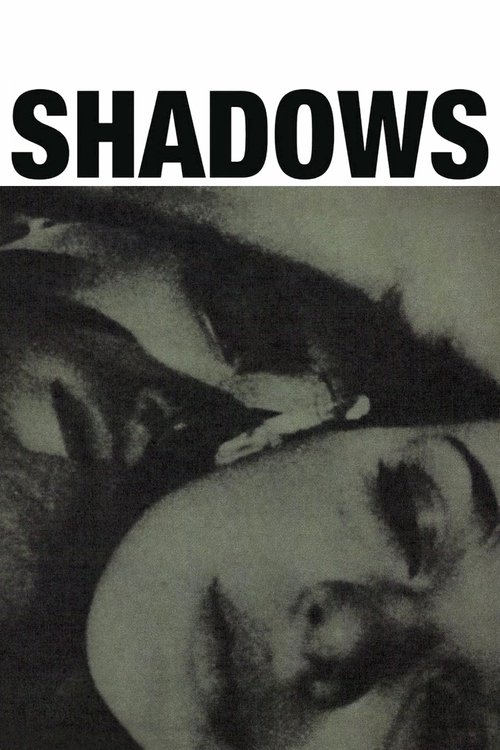
Shadows1960
John Cassavetes' jazzy, improvised portrait of New York bohemians captures the texture of a city and its people the way Maddin does. Both blur documentary and fiction.
But The sound recording is famously poor and the acting can feel mannered. It's rough by design, which isn't always pleasant.
Come and See1985
Elem Klimov's harrowing Soviet film shares Maddin's interest in how landscape holds trauma and memory, though with shattering emotional weight. Both make place inescapable.
But It's one of the most disturbing films ever made. Not suitable for evening viewing if you value your peace of mind.

Sans Soleil1983
Chris Marker's essayistic journey across continents feels like a spiritual cousin to Maddin's Winnipeg—both films are thinking out loud about memory, time, and how we know a place.
But It's a sixty-minute essay film with voice-over. If you need a conventional narrative, you'll be lost.

A Ghost Story2017
David Lowery's meditation on time, loss, and the spaces we haunt (literally, in this case) echoes Maddin's obsession with memory clinging to geography.
But It's slow and experimental in ways that frustrate many viewers. The ending divides people sharply.

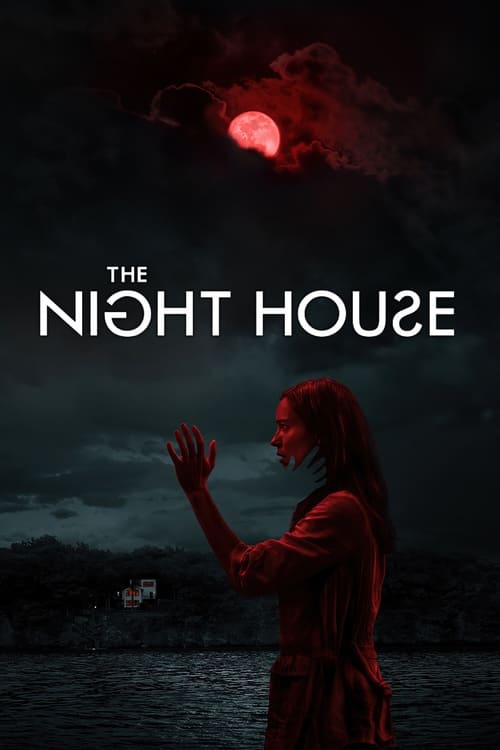
The Night House2021
Rebecca Hall moves through her dead husband's house like a ghost revisiting memory. It shares Maddin's fascination with how place becomes a container for absence.
But It's quieter and more restrained than the description suggests. Some find it more melancholy than rewarding.
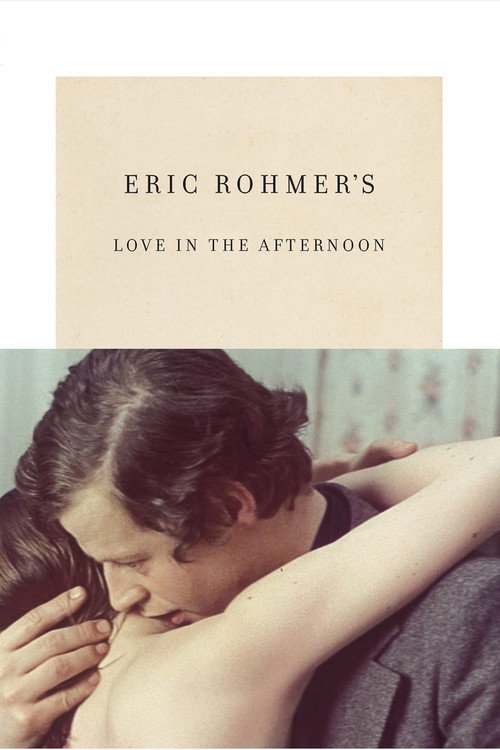
Love in the Afternoon1972
Both Maddin and Rohmer treat a city—or a moment in it—as sufficient subject. Both understand that place and mood, rendered truthfully, can carry a film without melodrama or propulsion.
Éric Rohmer's Paris glows with accumulated detail: conversations, street scenes, the texture of afternoon light. Like Maddin, Rohmer knows that cities reveal themselves through attention rather than spectacle.
But It's a French film from 1972 where the plot is a man having an affair nobody is sure about, and it doesn't build to anything. Pure tedium for some.
People
Cast
 Ann SavageMother
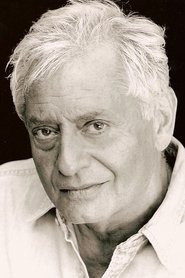 Louis NeginMayor Cornish
- Darcy FehrGuy Maddin
 Amy StewartJanet Maddin
- Brendan CadeCameron Maddin
- Wesley CadeRoss Maddin
- Lou ProfetaHimself
- Fred DunsmoreHimself
 Kate YaculaCitizen Girl
- Jacelyn LobayGwenyth Lloyd
- Eric NippViscount Gort
- Jennifer PalichukAlthea Cornish
Directing
- Guy MaddinDirector
Writing
- George TolesDialogue
- Guy MaddinWriter
Production
- Jim HeberCasting
- Michael BurnsExecutive Producer
- Guy MaddinProducer
- Jody ShapiroProducer
- Phyllis LaingProducer
Recommended by
Amarcord, A Town Called Panic, Sans Soleil, Los Angeles Plays Itself, We Jam Econo: The Story of the Minutemen, I Am Trying to Break Your Heart: A Film About Wilco, Saving Mr. Banks, The Story of the Weeping Camel, Requiem for Detroit?, Fort Tilden, The Stunt Driver, Silver City, The Juniper Tree, Bodybuilder