
Film
Requiem for Detroit?
Julien Temple's portrait of post-industrial Detroit focuses on its unexpected renaissance through urban farming and grassroots creativity. Shot with warmth and specificity, it captures a city stripped to essentials—buildings, land, people—and what emerges when necessity meets imagination. Essential viewing for anyone interested in resilience, place-making, or how communities rebuild from ruin.
Should you watch it?
Watch it if you are drawn to city documentaries that treat decline as a question rather than a eulogy, and enjoy hearing residents argue about what a ruined place could become.
Skip it if you want a tight, analytical account of the auto industry or economics; this is a loose, music-laced collage that leans on mood and voices more than hard data.
What it asks of you: It runs about seventy-six minutes and moves in a restless, essayistic way, jumping between streets, speakers and archive-style sound, so it rewards patience more than close note-taking.
Not sure? Find tonight's pick in a minute.
If you liked this
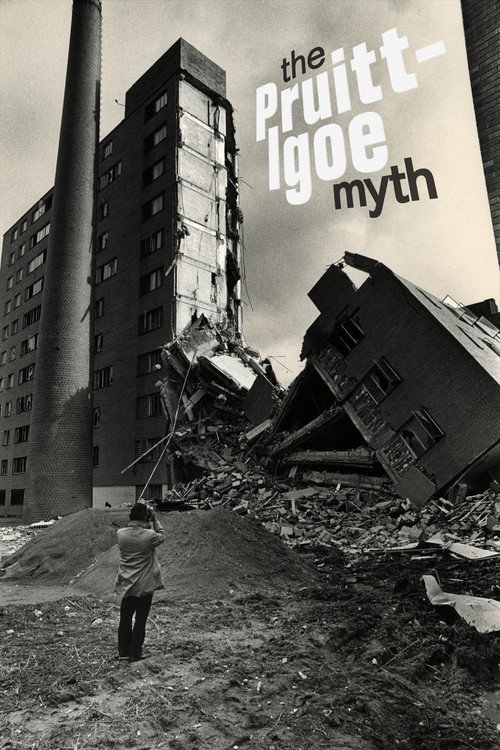
The Pruitt-Igoe Myth2012
A forensic examination of how utopian public housing became a symbol of urban failure and racial injustice. It asks the same hard questions about cities and whose vision gets built that Requiem asks about Detroit's future.
But Focuses on St. Louis rather than Detroit, and the tone is more accusatory than hopeful—harder to watch, though crucial.
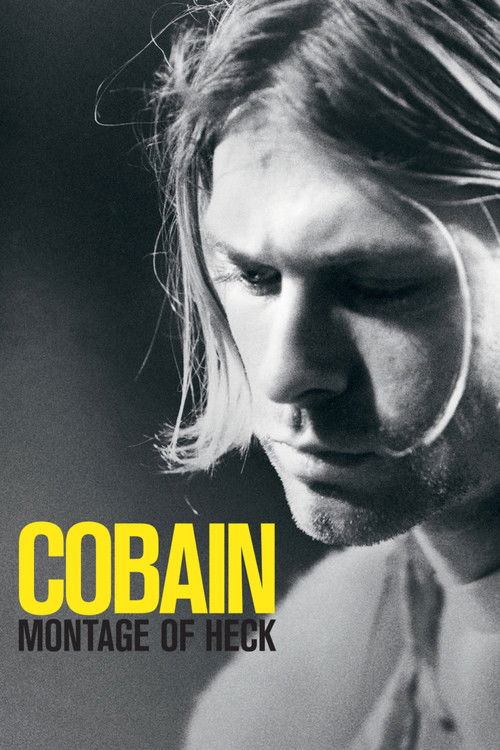
Cobain: Montage of Heck2015
Brett Morgen's documentary about artistic creation amid decay and despair. Like Temple's film, it finds profound humanity in the unglamorous and documents how people make meaning from broken circumstances.
But Considerably darker in mood, and about one person rather than a community—some may find it indulgent rather than instructive.
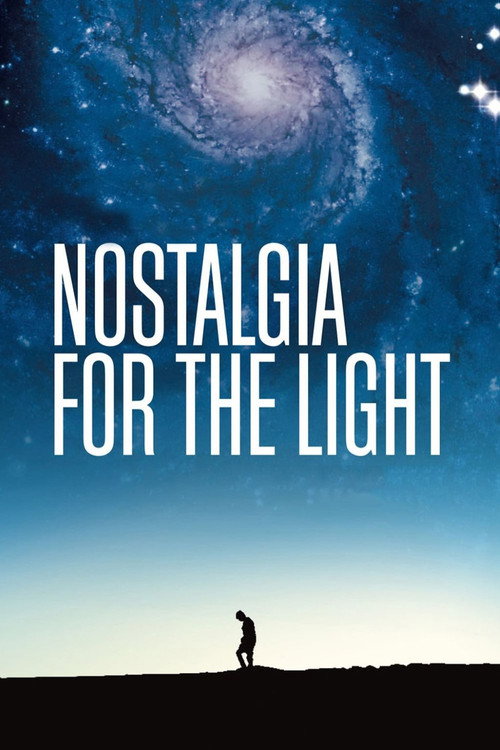
Nostalgia for the Light2010
Patricio Guzmán's meditation on Chile's Atacama Desert examines how communities process trauma and loss through memory and geology. Shares Requiem's patient, poetic approach to wounded places.
But Profoundly slow and reflective; the connection to urban renewal is oblique rather than direct. Demands patience.
Not sure tonight? Get a pick in a minute, starting from Requiem for Detroit?
The wildcard
Something you would not have found on your own.
Stalker1979
Both locate spiritual and human meaning in spaces marked by absence and decay. Tarkovsky's zone is metaphorical; Detroit is literal. But both films insist these places are not wastelands—they are where something true can be found.
Andrei Tarkovsky's science fiction film about a journey through a forbidden zone to find a room that grants wishes. Slow, philosophical, entirely unconcerned with plot—it's about desire, faith, and what we pursue in ruins. Structurally opposite to a documentary but spiritually aligned with Requiem's meditation on abandoned spaces and human resilience.
But Nearly three hours of deliberate, contemplative pacing with minimal action or dialogue. Some viewers find it impenetrable rather than profound.

More like this (6)
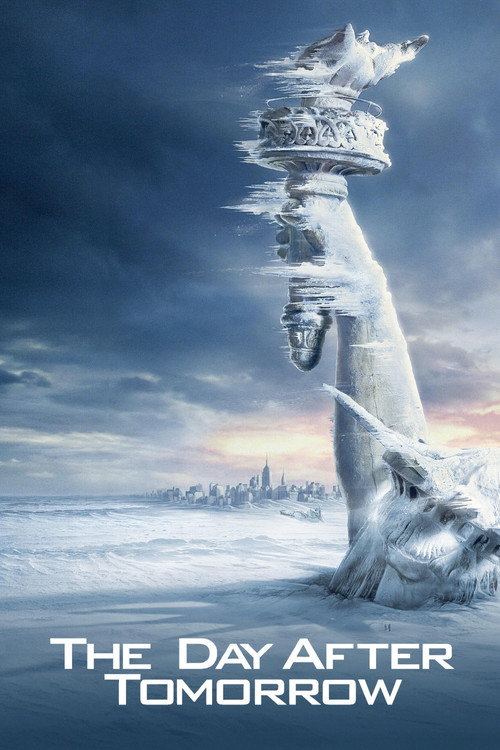
The Day After Tomorrow2004
Shows Detroit not as it is but as it might become—a city reclaimed by nature after human withdrawal. Genre fiction that oddly echoes the real urban farming transformation Temple documents.
But It's a disaster film with Roland Emmerich's usual bombast, and the apocalypse is treated as spectacle rather than lived experience.
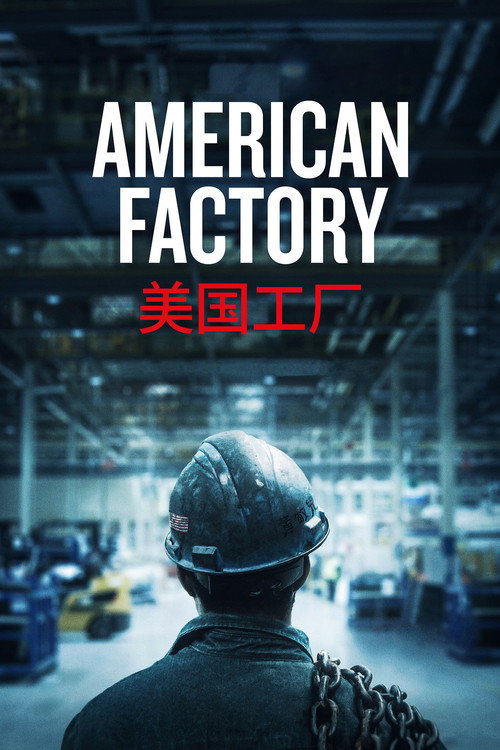
American Factory2019
Netflix documentary about Ohio manufacturing and the global forces that reshape industrial America. Direct parallel to Detroit's economic collapse, with the same unflinching attention to workers navigating systemic change.
But More focused on labour conflict than community solutions; some scenes of workplace danger may be distressing.
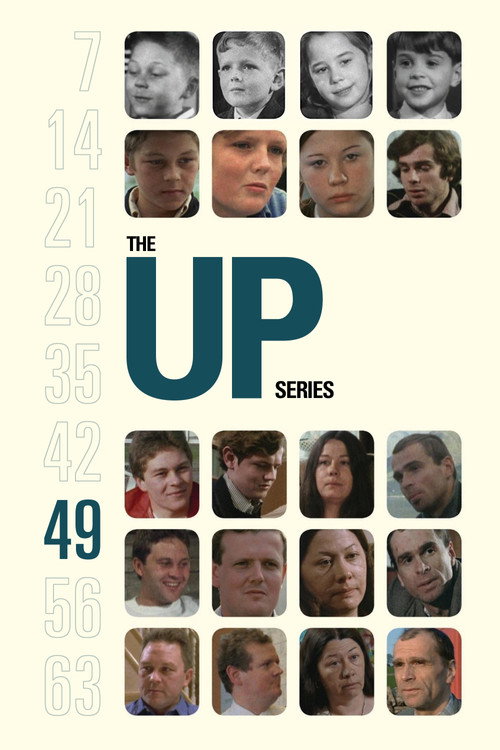
49 Up2006
Michael Apted's decades-long project following the same people across British society. Like Requiem, it understands that cities are people, and real change is visible only over time.
But Massive time commitment—seven films totalling 16+ hours. You have to be willing to stay with it.
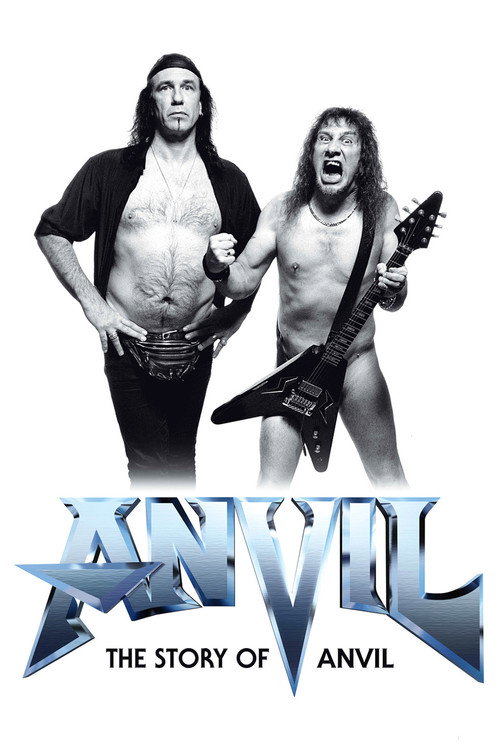
Anvil! The Story of Anvil2008
Sacha Gervasi's documentary about a Toronto heavy metal band playing basement shows into their sixties. Shares Requiem's unflinching portrait of people making art in unglamorous circumstances, refused by the world but unbroken.
But The metal is loud and not for everyone; you need affection for the underdog or the film can read as mock-tragic rather than genuinely moving.
My Winnipeg2008
Guy Maddin's experimental documentary-essay about decline and memory in a Canadian prairie city. Unconventional but deeply engaged with how a place becomes what it is and what it might become.
But Deliberately weird and fragmentary; constructed from archival footage and staged scenes rather than straightforward documentary. Not for viewers seeking clarity.

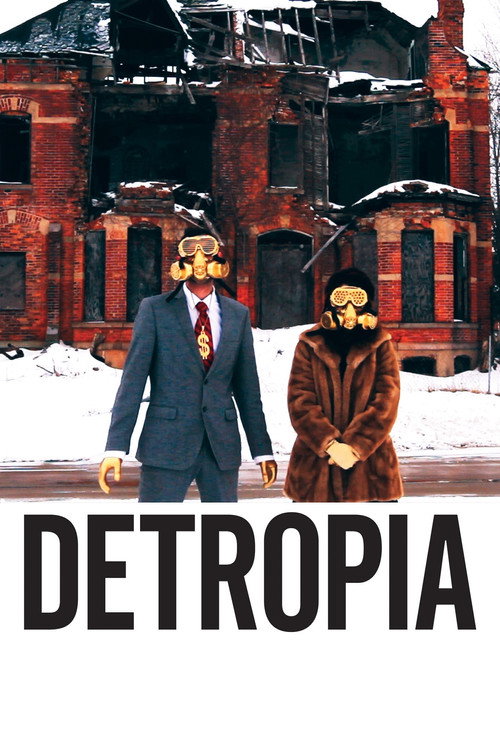
Detropia2012
Heidi Ewing and Rachel Grady's film follows artists, activists, and residents in contemporary Detroit. Direct chronological companion to Requiem, showing the same city from overlapping perspectives.
But Sometimes scatters focus across too many subjects; less thematically coherent than Temple's tighter vision of agricultural renewal.
People
Cast
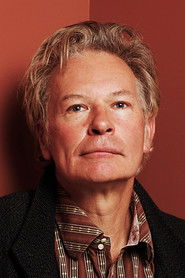 Julien Templehimself
- Lowell BoileauResident
- Mitch RyderArtist
- Grace Lee BoggsActivist
 Martha ReevesArtist
- John SinclairBeat Poet
Directing
- Julien TempleDirector