
Film
Detropia
Detropia traces Detroit's arc from industrial powerhouse to symbol of American decline, following musicians, urban explorers, and ordinary residents as they navigate a dying city. It's a meditation on loss, resilience, and what happens when the dream's machinery stops. For anyone curious about America's relationship with progress, ambition, and ruin.
Should you watch it?
Watch it if you like documentaries that trust a place and its people to carry the argument, and would rather sit with contradictions in a city's slow decline than get a tidy verdict.
Skip it if you need a clear narrator or a steady spine of facts, since it drifts between scenes and often leaves its big questions hanging.
What it asks of you: Ninety-three minutes of patience: long unhurried takes, few answers handed over, and a mood that settles in slowly rather than arriving on cue.
Not sure? Find tonight's pick in a minute.
If you liked this
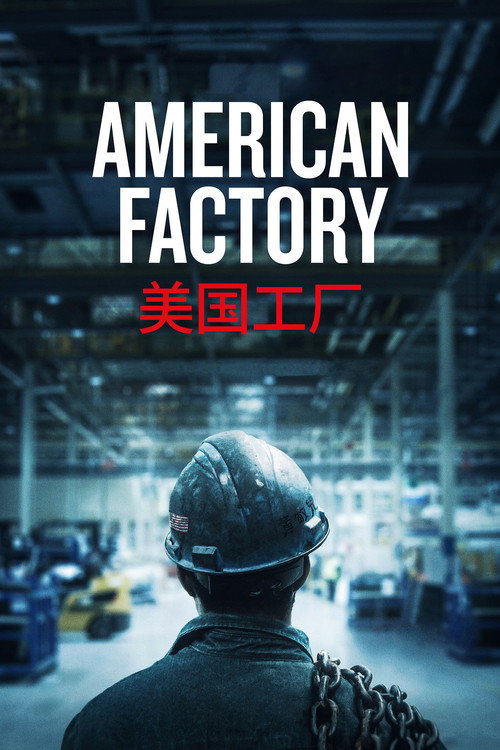
American Factory2019
Oscar-winning look at a Chinese factory opening in post-recession Ohio. It shares Detropia's interest in labor, manufacturing, and what recovery actually looks like when it arrives—spoiler: it's complicated.
But The politics are sometimes heavy-handed, and it can feel like a thesis rather than an invitation to think alongside it.
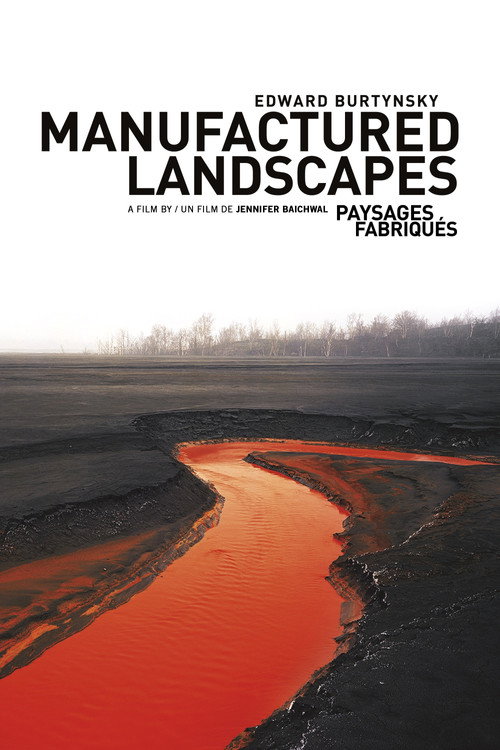
Manufactured Landscapes2006
Edward Burtynsky's photographs of industrial decline and human impact brought to screen. Like Detropia, it treats devastated landscapes as worthy of aesthetic attention, not just moral judgment.
But It's a visual essay with minimal voice, so you're asked to sit with images and draw your own meaning. That can feel frustratingly vague.
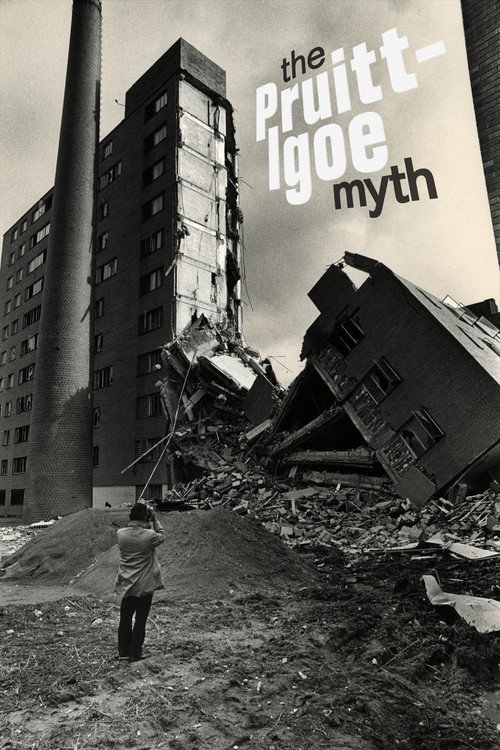
The Pruitt-Igoe Myth2012
Documentary about the rise and implosion of a St. Louis housing project. Challenges easy narratives of urban failure by showing structural decisions, not moral ones. Shares Detropia's refusal to condescend to its subjects.
But Dense with archival material and academic voice-over. It demands active watching rather than passive reception.
Not sure tonight? Get a pick in a minute, starting from Detropia
The wildcard
Something you would not have found on your own.
Stalker1979
Both films use physical decay and exploration as a way to ask what happens to the human spirit when systems fail. Both treat their locations as characters with their own dignity.
Tarkovsky's science-fiction meditation on desire, meaning, and decay. Like Detropia, it treats a ruined, abandoned landscape as a profound moral and philosophical space, not a problem to fix. A poem about longing in emptiness.
But It's 163 minutes of philosophical slow cinema with minimal plot. If you need conventional narrative or resolution, this is the opposite of that.

More like this (5)
Cobain: Montage of Heck2015
Brett Morgen's collage-style biography captures Seattle's grunge scene as cultural response to economic anxieties. Like Detropia, it shows art emerging from and reflecting industrial collapse.
But The visual style is busy to the point of distraction, and it relies heavily on your interest in Cobain specifically.

Tickled2016
A mystery documentary that starts small and spirals outward, revealing power, money, and obsession. Shares Detropia's ability to find profound human stories in unexpected places.
But The subject matter becomes genuinely disturbing, and some may feel the filmmakers exploit that darkness for effect rather than understanding.

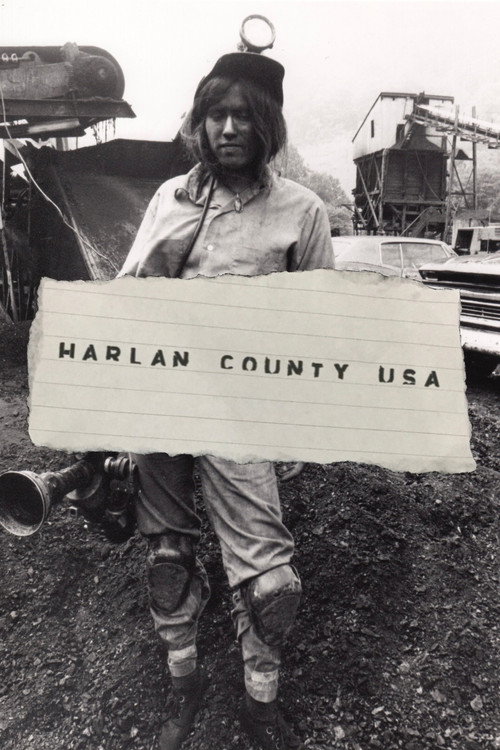
Harlan County U.S.A.1976
Barbara Kopple's classic captures coal miners fighting for dignity and survival. Historical parallel to Detropia's themes of labor, place, and what a community owes its workers.
But It's nearly four decades old and shot on period video stock, so the technical quality is rough. The pacing also reflects its era—slower than modern documentaries.
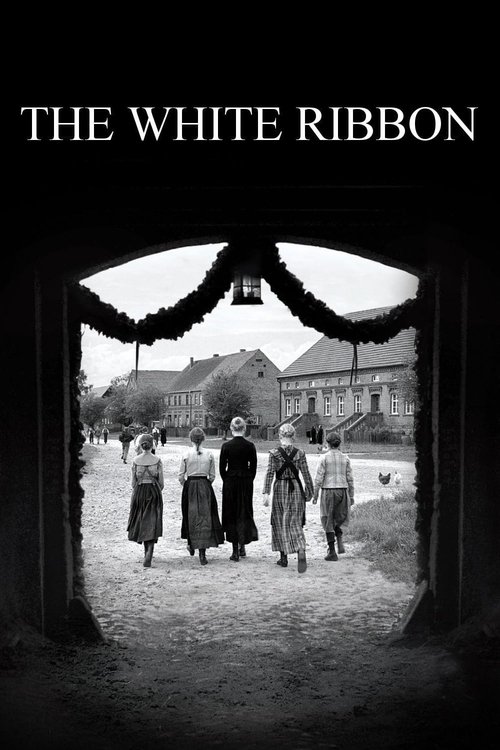
The White Ribbon2009
Both films believe that economic and social collapse manifest in the texture of daily life. Both refuse to sentimentalize their subjects. Both suggest rot is visible if you look closely enough.
Michael Haneke's black-and-white drama about a village consumed by hidden violence and moral rot. It's a fiction, but it uses similar formal strategies to Detropia—observing a community under pressure, withholding easy explanations.
But It's a three-hour German-language period drama with deliberately ambiguous plot. It's austere and unsettling, sometimes maddeningly opaque.
Lost River2015
Detropia and Lost River are about the same place, but one says 'this is what happened' and the other says 'this is what it feels like.' They're documentary and poetry about the same wound.
Ryan Gosling's directorial debut set in a Detroit neighborhood during demolition. It's a surreal, haunted narrative film—a ghost story for a dying city. Where Detropia observes, this imagines what living through erasure actually feels like.
But It's extremely stylized and deliberately artificial, which some read as profound and others as pretentious. The narrative is dreamlike and emotionally opaque. It's divisive.

People
Directing
- Heidi EwingDirector
- Rachel GradyDirector
Production
- Dan CoganExecutive Producer
- David MenschelExecutive Producer
- Craig AtkinsonProducer
- Heidi EwingProducer
Recommended by
Roger & Me, American Factory, The Last Truck: Closing of a GM Plant, Good Bones, Dirt! The Movie, Requiem for Detroit?