
Film
The Thousand Eyes of Dr. Mabuse
Fritz Lang's final film resurrects the criminal mastermind Dr. Mabuse for the nuclear age. A shadowy figure orchestrates murders through an invisible network of surveillance and hypnotic control. Hypnotic, paranoid, technically dazzling—a meditation on power, invisibility and the machinery of modern evil dressed as a thrilling whodunit.
If you liked this
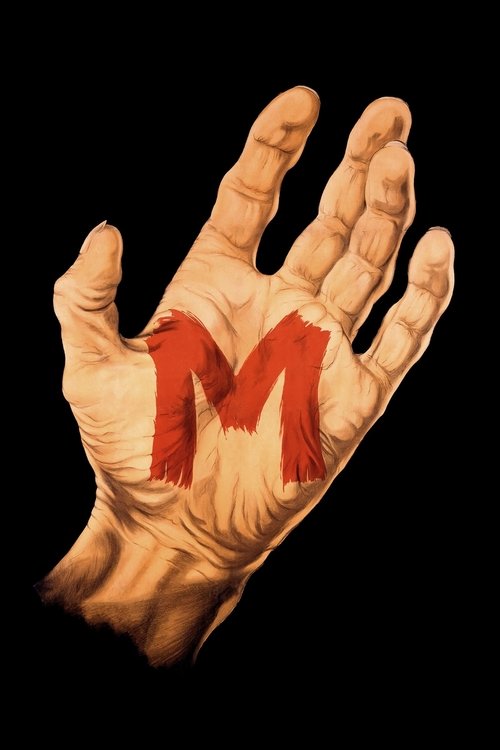
M1931
Lang's masterpiece about a serial killer hunted through Berlin's underworld. The visual language that would define thriller cinema. If you loved the paranoia in Thousand Eyes, this is where Lang invented it.
But Silent film with intertitles, a 1930s pacing that won't rush you, and a bleak view of mob justice that hasn't softened with age.
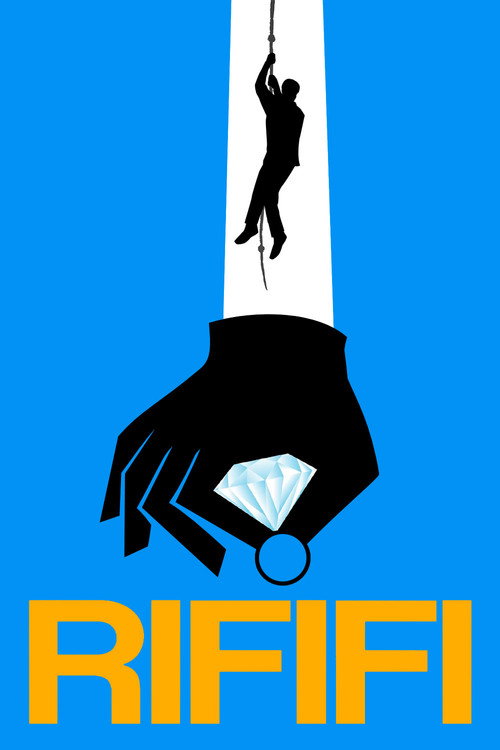
Rififi1955
A heist film about a jewel theft so meticulously planned and executed it becomes almost abstract. The same mathematical precision and controlled tension that drives Thousand Eyes, but in a different register.
But A French film made in the neorealist mode—austere, sometimes slow, without the expressionist visual flourishes you might expect from the era.
The Third Man1949
Carol Reed's Vienna-set mystery about an invisible puppet master pulling strings in the shadows. The zither score, the moral corruption, the sense that the city itself is complicit in the crime. It's the mood Thousand Eyes inhabits.
But Slow-burn atmosphere over plot mechanics. If you need things to happen quickly, the first hour plays like a sightseeing tour with murder attached.

Not sure tonight? Get a pick in a minute, starting from The Thousand Eyes of Dr. Mabuse
The wildcard
Something you would not have found on your own.
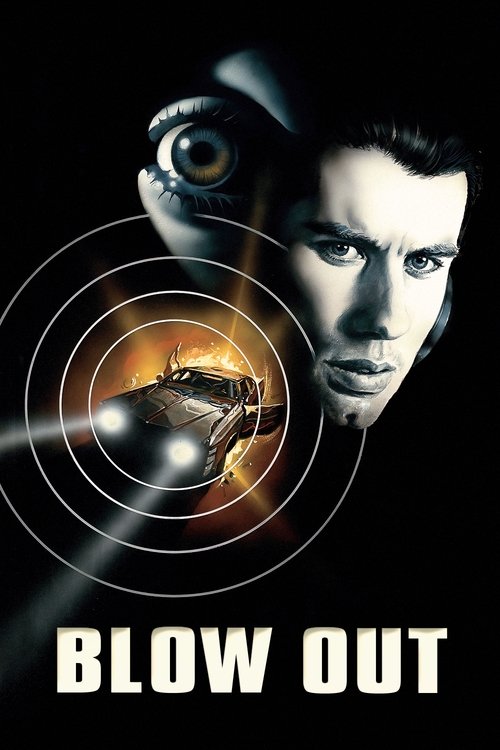
Blow Out1981
Both films are about the terrifying reach of surveillance technology and how information—what you can see and hear—becomes a tool of control. Both protagonists are trapped by their own knowledge.
De Palma's obsessive thriller about a sound engineer who records what might be a murder. Surveillance, paranoia, the machinery of modern life used as a weapon. The structure mirrors Thousand Eyes—a man with access to invisible information trying to solve a crime everyone wants hidden.
But De Palma's visual excess and stylistic repetition can feel purple-handed and self-indulgent. The film is also deeply pessimistic about corruption and institutional silence.
More like this (8)
The Cabinet of Dr. Caligari1920
The silent German expressionist film that established the hypnotized killer and the mad scientist pulling invisible strings. Visually abstract in ways that influenced everything Lang made. The DNA is unmistakable.
But Painted sets and stagey acting. A 104-minute silent film from 1920 will feel like visiting a museum, not watching television.

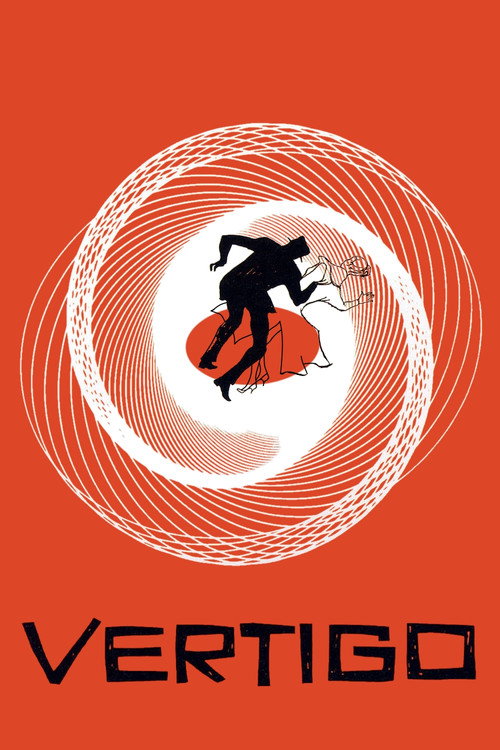
Vertigo1958
Hitchcock's film about psychological manipulation and a man losing his grip on reality. The claustrophobia, the sense of being watched and controlled, the criminal intelligence operating from shadow. A different approach to the same terror.
But Hitchcock's obsessions can feel suffocating. The film is glacial at points and demands absolute attention; easy viewing this is not.
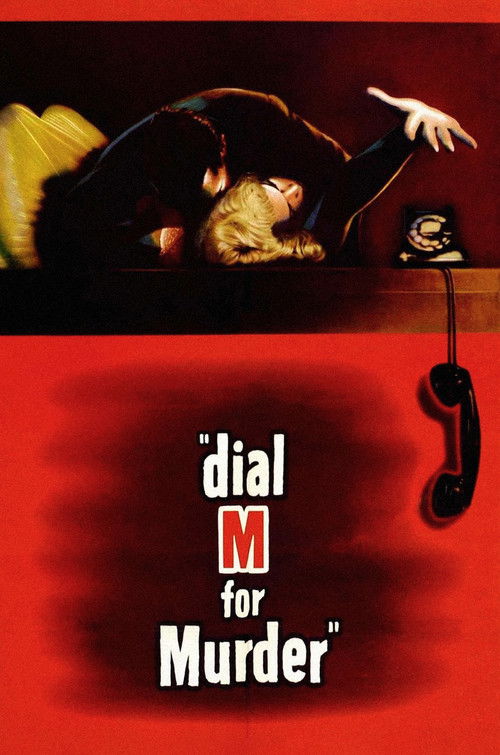
Dial M for Murder1954
A murder plotted with chess-like precision, a criminal intelligence thinking ten steps ahead. Chamber-piece thriller about the perfect crime. The same control and calculation that animates Thousand Eyes.
But Stage-bound and theatrical. Hitchcock shot it in 3D for a gimmick; it can feel locked-down and airless compared to more dynamic thrillers.
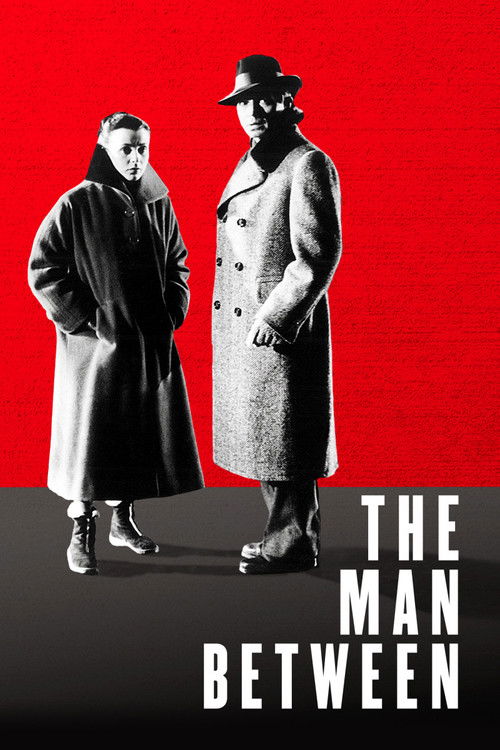
The Man Between1953
Carol Reed's other Cold War Berlin thriller, bleaker and stranger than Third Man. A spy drama where no one is quite what they seem and the city is a character of paranoia and surveillance.
But Less well-known than Third Man and rougher around the edges. The plot can feel baggy and the pacing uneven compared to more polished thrillers.
The Killers1946
Siodmak's lean, efficient noir about a killing and the web of corruption and complicity that radiates from it. Stylish, taut, and deeply pessimistic about human nature—the mood underneath Thousand Eyes.
But A 103-minute 1946 noir with a linear structure that won't surprise modern viewers. The femme fatale trope and the moral simplicity can feel dated.

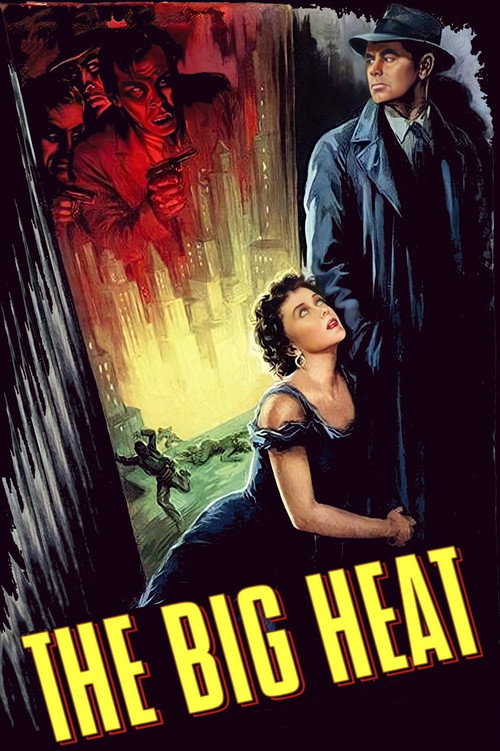
The Big Heat1953
Fritz Lang's own descent into revenge and corruption. A man systemically destroyed by invisible forces. The same controlled rage and the sense of criminal networks operating beyond the law that haunts Thousand Eyes.
But A brutal film about trauma and vengeance that doesn't soften for comfort. The violence, when it comes, is shocking and the worldview is unrelentingly dark.
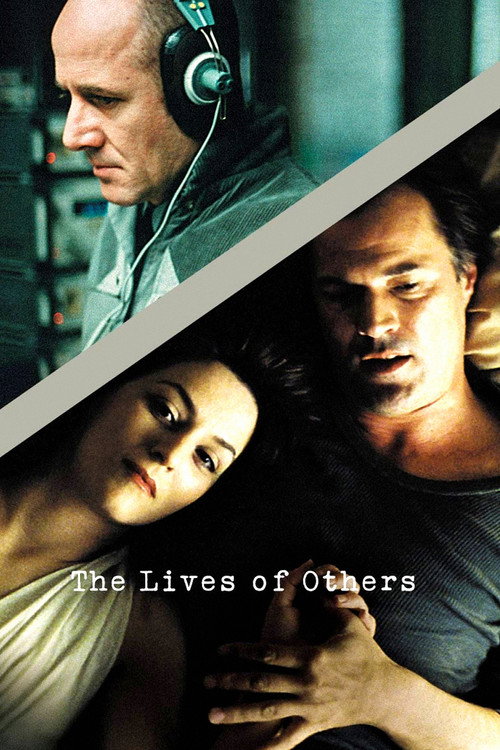
The Lives of Others2006
Both use surveillance as the central metaphor for tyranny. Both ask: what does it do to you to watch? Both climax not with action but with the knowledge that you have seen too much and cannot unsee it.
A Stasi surveillance officer watches a playwright's apartment in 1984 East Berlin. Slow-burn thriller about how seeing everything destroys the watcher. Visually quiet but morally devastating. The most direct spiritual successor to Thousand Eyes ever made.
But German-language film with a glacial pace and long sequences of surveillance footage. The politics are front-and-center and the film sides decisively against the state apparatus watching the screen.
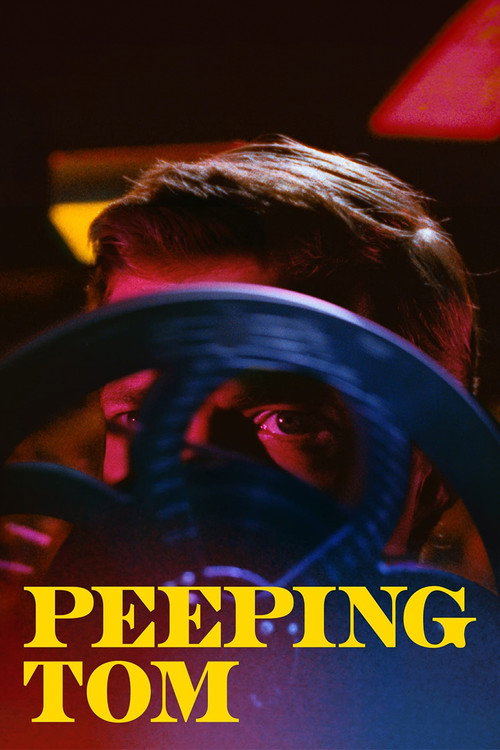
Peeping Tom1960
Both are about how technology makes the invisible visible and how that seeing becomes a form of murder. Both make the audience complicit in the watcher's power. Both are coldly fascinated by the machinery of control.
Michael Powell's only-just-rediscovered masterpiece about a man who films women as he murders them. The camera as weapon. The invisible watcher made visible. Released the same year as Thousand Eyes—a parallel exploration of the gaze as violation and control.
But A film genuinely about murder and violation. The subject matter is uncomfortable and Powell's formal approach—making the camera and the killer's psychology inseparable—means you cannot look away morally while looking.
People
Cast
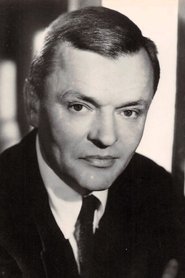 Peter van EyckHenry B. Travers
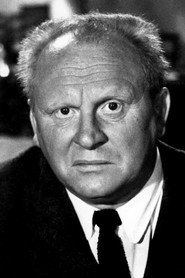 Gert FröbeDetective Inspector Kras
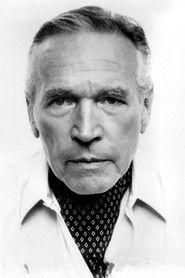 Wolfgang PreissProf. Jordan / Peter Cornelius / Dr. Mabuse
 Dawn AddamsMarion Menil
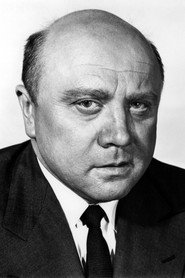 Werner PetersHieronymus B. Mistelzweig
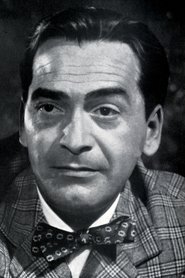 Andrea ChecchiHotel Detective Berg
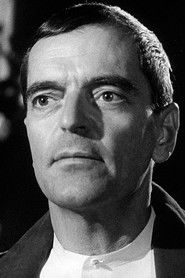 Howard VernonNo. 12
- David CameronMichael Parker

 Albert BesslerHotelingenieur
- Marielouise NagelThe Blonde Luck
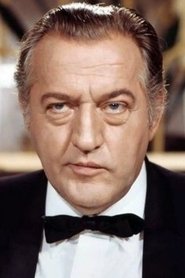 Reinhard KolldehoffRoberto Menil aka 'Klumpfuß'
Directing
- Walter WischniewskyAssistant Director
- Fritz LangDirector
Writing
- Norbert JacquesCharacters
- Jan FethkeIdea
- Fritz LangScreenplay
- Heinz Oskar WuttigScreenplay
Production
- Artur BraunerProducer
- Fritz LangProducer