
Film
Canyon Passage
A 1946 Technicolor Western set in 1850s Oregon, Canyon Passage balances frontier adventure with intimate human conflict. It's shot through with genuine uncertainty about character and loyalty—nobody here is simply good or bad. The film moves between action and relationship drama without choosing a side, which is rarer than you'd think for its era.
If you liked this
Johnny Guitar1954
Like Canyon Passage, this is a Western that cares as much about emotional entanglement as gunplay. Its triangle of desire and loyalty echoes the same moral ambiguity—characters want incompatible things, and the film never punishes them for it.
But The pacing feels odd by modern standards, and the film commits fully to its strange gender dynamics in ways that require patience to parse.

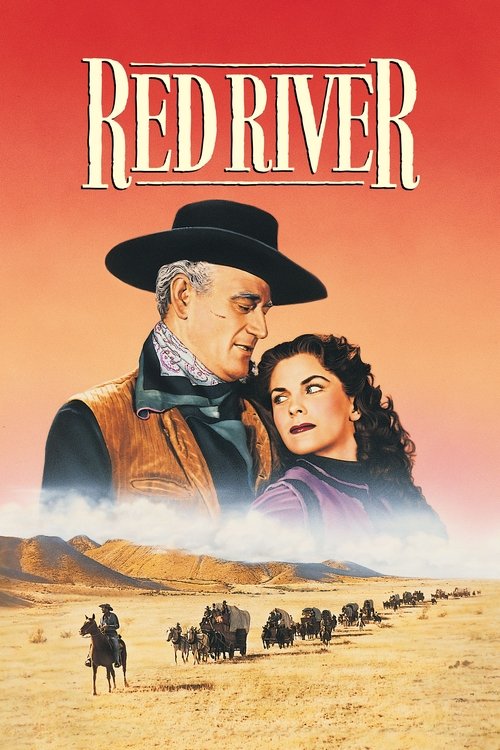
Red River1948
Hawks' masterpiece shares Canyon Passage's interest in masculine bonds tested by circumstance, and its Technicolor is just as sumptuous. Both films trust their audiences to sit with moral complexity instead of resolving it cleanly.
But It's nearly two hours of cattle-driving before the real drama arrives. The central relationship takes a while to reveal its teeth.
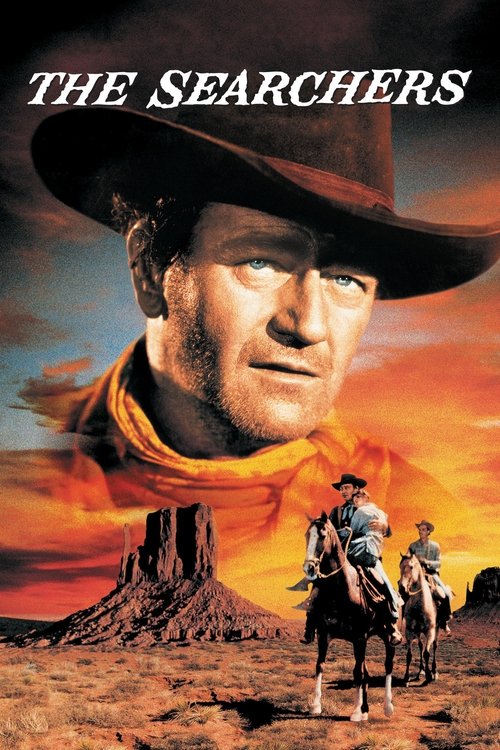
The Searchers1956
Ford's epic Western is about a man torn between competing loyalties and desires, exactly like Logan Stuart. It shares Canyon Passage's refusal to make its protagonist simply heroic, and its Technicolor Arizona is breathtaking.
But The film contains deeply uncomfortable racial attitudes that aren't critiqued by the narrative itself. That's a real barrier for some viewers.
Not sure tonight? Get a pick in a minute, starting from Canyon Passage
The wildcard
Something you would not have found on your own.
The Ballad of Little Jo1993
Both films use the frontier setting as a place where people can escape their pasts and start over—but both know that freedom always costs something.
Maggie Greenwald's film is set in the same 1850s frontier and shares Canyon Passage's interest in people trying to reinvent themselves against the odds. It's a Western made from real historical margins instead of myth.
But It moves slowly and quietly, with none of Canyon Passage's action or romantic structure. The tone is austere.

More like this (8)
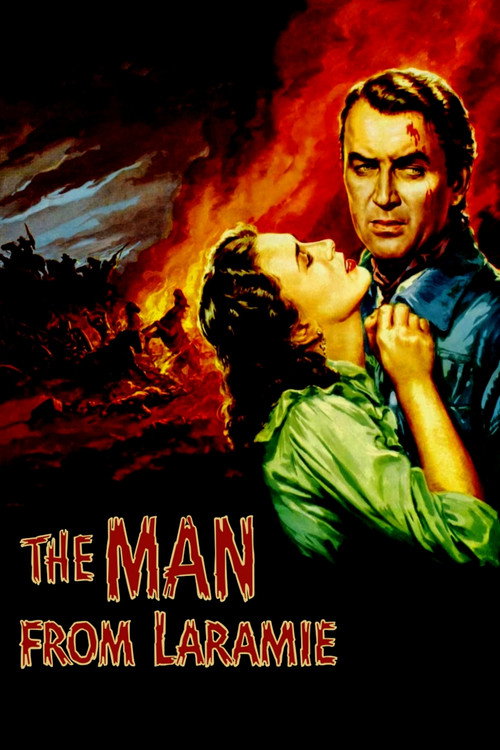
The Man from Laramie1955
Anthony Mann's Western turns on betrayal and misplaced trust, the same engine as Canyon Passage. It has the same moral murkiness—good men do wrong things for complicated reasons.
But It's bleaker and more violent than Canyon Passage, and doesn't balance its darker moments with much lightness.
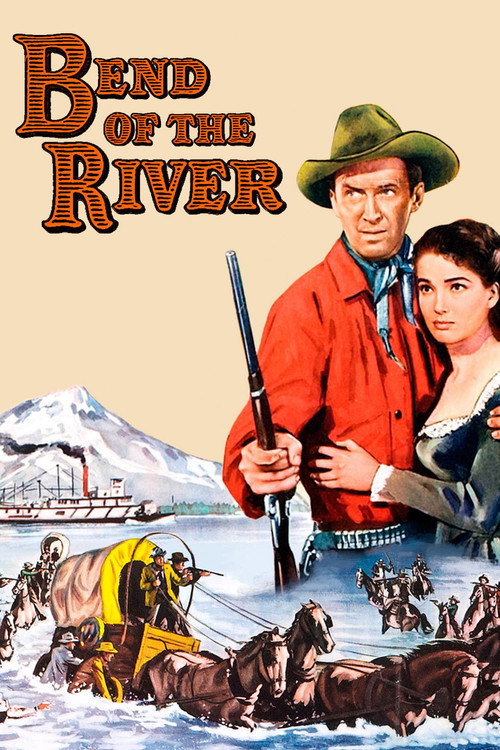
Bend of the River1952
Another tale of frontier life complicated by past sins and present loyalties. James Stewart plays a man trying to rebuild himself, caught between duty and desire, just as Dana Andrews does here.
But The supporting cast is thinner than the leads deserve, and the resolution feels slightly rushed after a patient build.
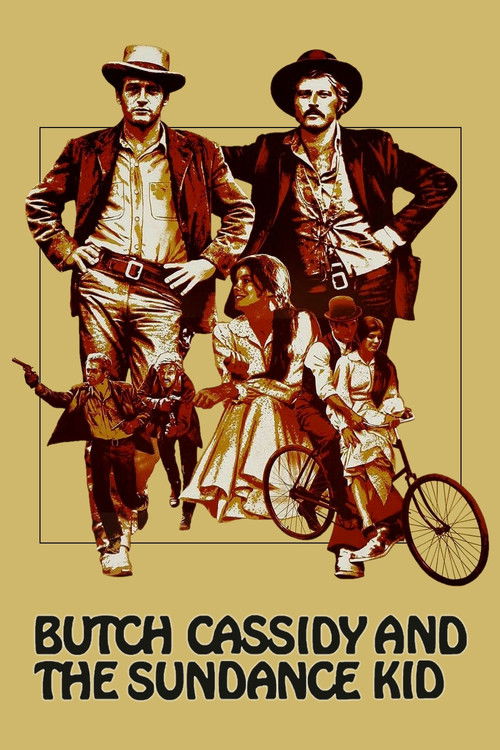
Butch Cassidy and the Sundance Kid1969
It captures Canyon Passage's interest in male friendship tested by circumstance and competing desires. The chemistry between its leads mirrors the complicated bonds that drive the earlier film.
But It's a very different tonal animal—flip, modern, sometimes fatalistic in ways that might not satisfy if you're seeking the same register.
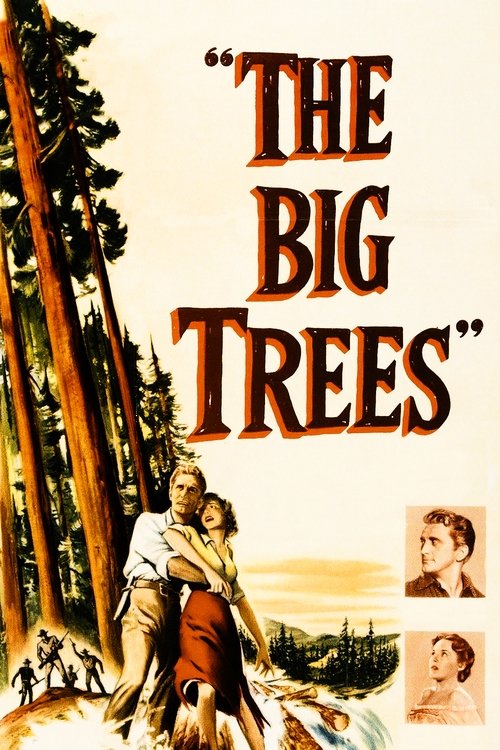
The Big Trees1952
A Kirk Douglas Western about a schemer reformed by circumstance and human connection. Like Canyon Passage, it balances action with genuine emotional stakes and uncertainty.
But It's less polished than the best of its era, and the Technicolor can't quite compensate for a looser narrative grip.
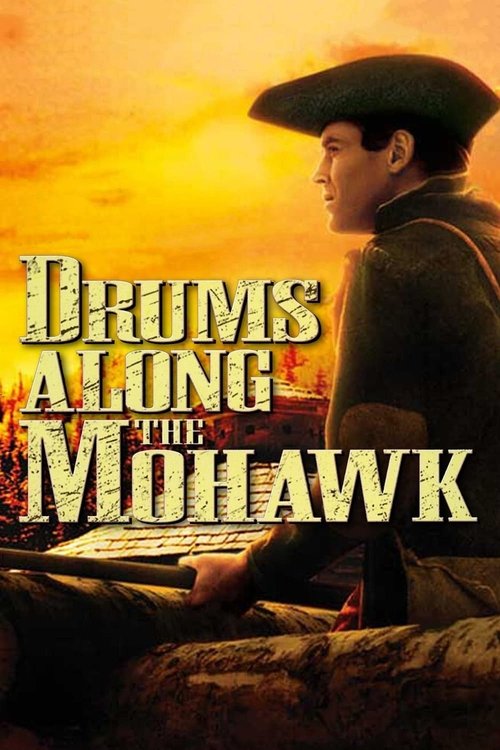
Drums Along the Mohawk1939
An earlier Technicolor Ford about frontier life and loyalty tested by war. It shares Canyon Passage's mix of intimate drama and larger historical sweep, and its Technicolor is equally gorgeous.
But It's more earnestly patriotic than Canyon Passage, and the gender politics feel dated even for 1939.
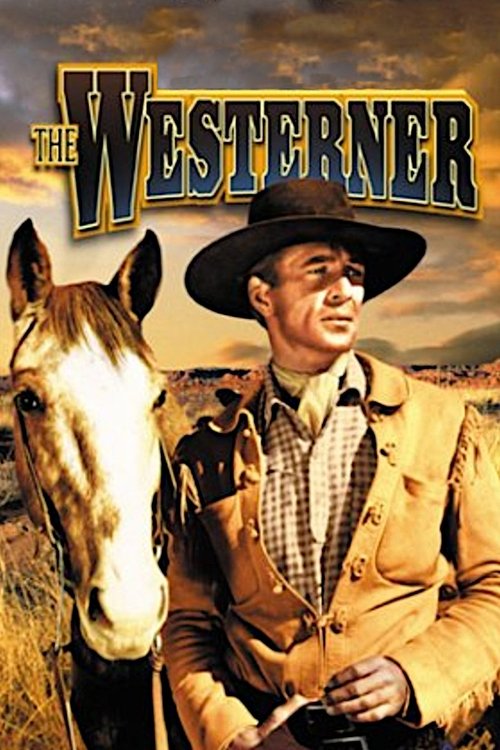
The Westerner1940
Gary Cooper and Walter Brennan in a Western about loyalty and betrayal played by aging men. It has Canyon Passage's interest in complicated friendships and the cost of principle.
But The plot turns on courtroom drama that feels distant from the character work. Some scenes drag in service of a legal subplot.
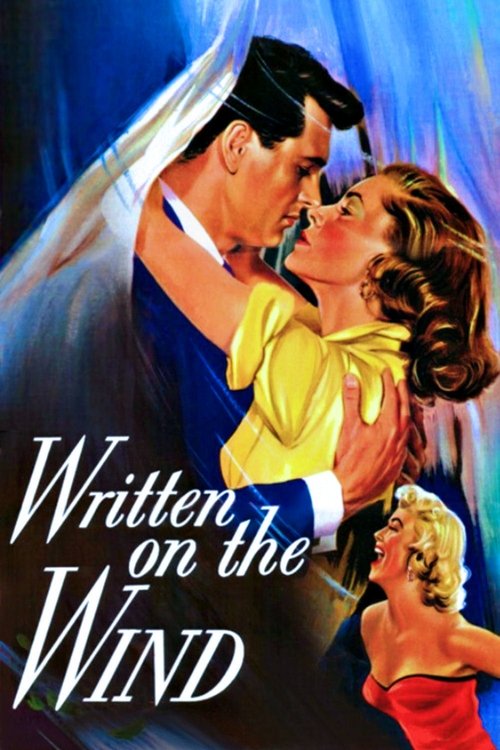
Written on the Wind1956
Both films center on a compulsive, self-destructive man whose weakness threatens the people closest to him. Both ask what loyalty costs when the person you're loyal to is drowning.
Douglas Sirk's melodrama is set in oil country instead of Oregon, but it's obsessed with the same love triangle and loyalty crisis. The Technicolor is just as rich, and the emotional intensity is extraordinary.
But It's a melodrama, not a Western. If you're expecting action or outdoor adventure, this is all interior psychology and moral crisis.
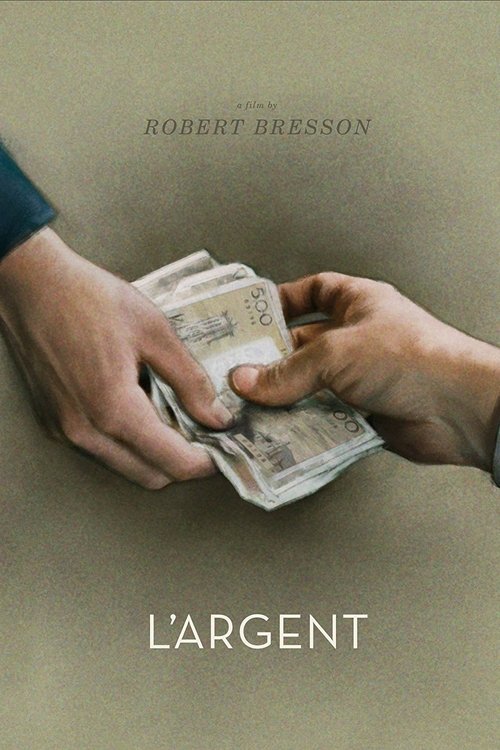
L'Argent1983
Both Canyon Passage and L'Argent are structured around a crucial moment of betrayal and ask whether the people involved can survive its consequences. Both are deeply interested in moral accountability.
Robert Bresson's austere masterpiece traces how a single act of betrayal ricochets through multiple lives. Like Canyon Passage, it's interested in the gap between intention and consequence, and in ordinary men forced into impossible positions.
But It's shot in black and white on a minimal budget with non-professional actors. The style is severe and the film offers no comfort or resolution.
People
Cast
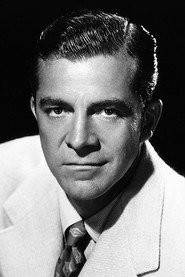 Dana AndrewsLogan Stuart
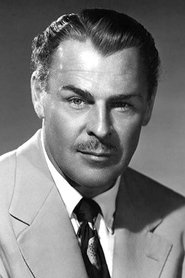 Brian DonlevyGeorge Camrose
 Susan HaywardLucy Overmire
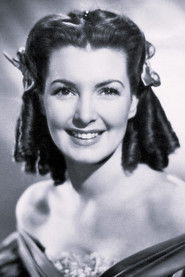 Patricia RocCaroline Marsh
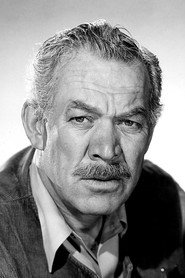 Ward BondHoney Bragg
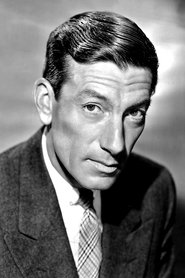 Hoagy CarmichaelHi Linnet
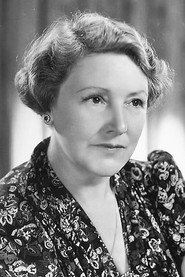 Fay HoldenMrs. Overmire
 Stanley RidgesJonas Overmire
 Lloyd BridgesJohnny Steele
 Andy DevineBen Dance
 Victor CutlerVane Blazier
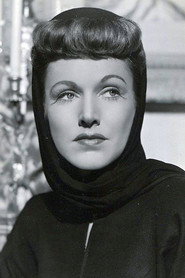 Rose HobartMarta Lestrade
Directing
- Fred FrankAssistant Director
- Jacques TourneurDirector
Writing
- Ernest PascalScreenplay
- Ernest HaycoxWriter
Production
- Alexander GolitzenAssociate Producer
- Walter WangerProducer