
Film
The Bride Comes Home
- Comedy
- Romantic comedy
- Light-hearted
A 1935 screwball comedy where a broke socialite becomes the unlikely centerpiece of two men's magazine venture, sparking a romantic triangle that derails their business plans entirely. It's light, fleet-footed entertainment built on mistaken motives and sexual tension dressed up as banter. Perfect if you want Colbert's wit without the emotional weight.
If you liked this
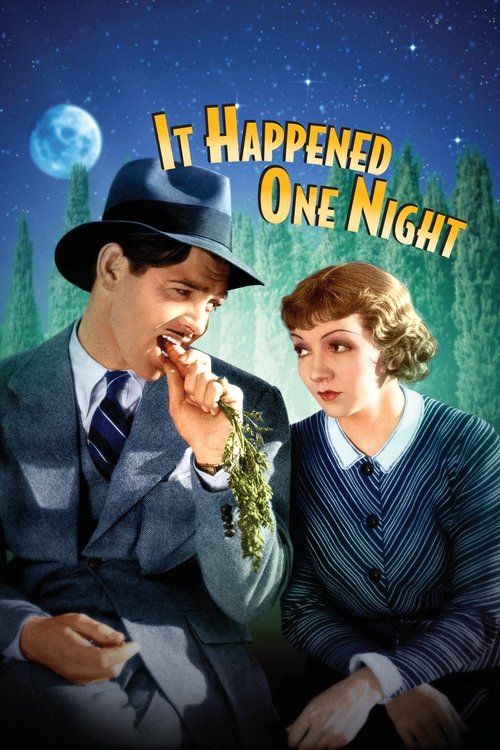
It Happened One Night1934
Colbert and the screwball formula at their absolute peak: a spoiled heiress and a reporter chase each other across America with perfect comedic timing and real chemistry that feels earned rather than imposed.
But If you want plot momentum, you'll be frustrated by how much time it spends on banter. It's not interested in moving very fast.
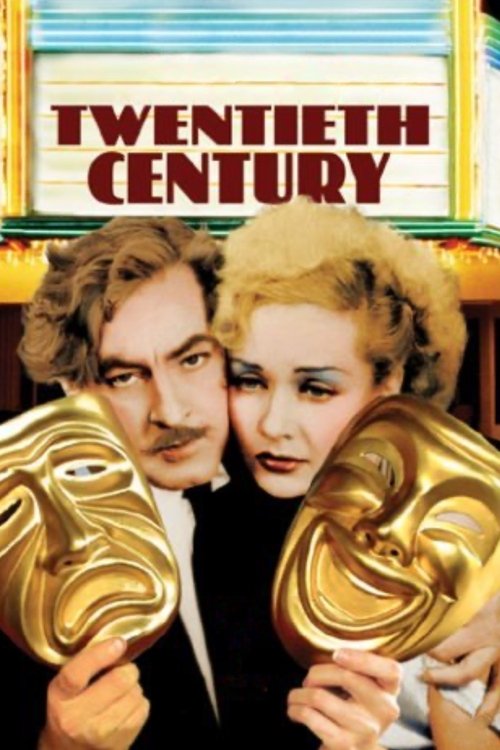
Twentieth Century1934
John Barrymore and Carole Lombard in a play-within-a-film that understands screwball logic: the whole thing is theatre, everyone knows it, and the fun is watching them all lean into the absurdity together.
But It's theatrical to the point of exhaustion for some viewers. The energy never drops, which can feel relentless rather than delightful.
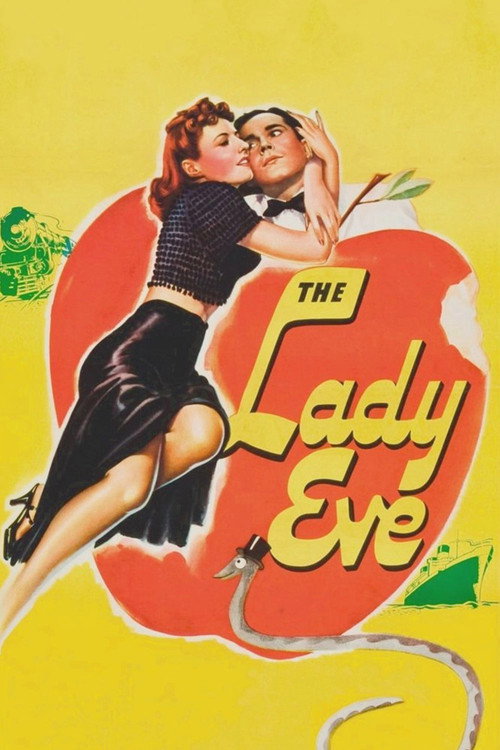
The Lady Eve1941
Preston Sturges' masterpiece about con artistry and seduction, with Barbara Stanwyck absolutely demolishing Henry Fonda. Every scene is precisely calibrated, every line lands, and it's genuinely hilarious.
But The plot hinges on deception that some find cruel. If you need characters to be fundamentally good, this will irritate you.
Not sure tonight? Get a pick in a minute, starting from The Bride Comes Home
The wildcard
Something you would not have found on your own.
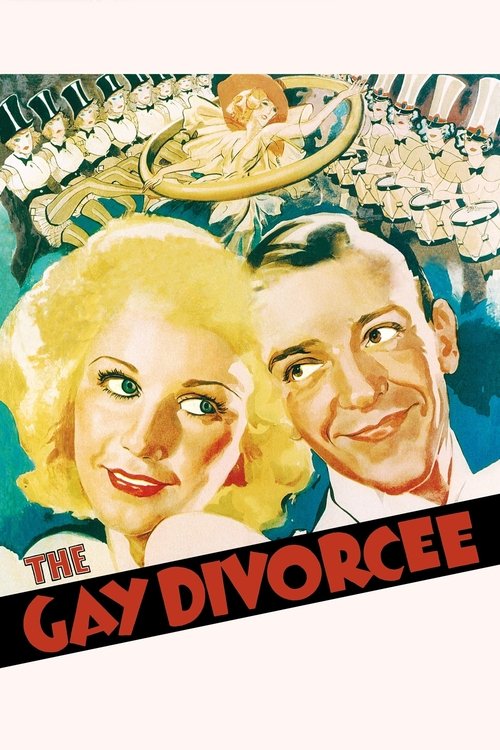
The Gay Divorcee1934
Like The Bride Comes Home, it's a 1934-35 romantic comedy where the central tension is a woman caught between two men's intentions, but instead of screwball dialogue, the tension resolves through movement and music. It's the same story in a different register.
Fred Astaire and Ginger Rogers in their second picture together, where the dancing isn't decoration—it *is* the story. A woman arranges a fake divorce to cover a real romance; the logic is elastic and the execution is flawless.
But If you're not interested in dance as cinema, long stretches will feel static. The plot exists mostly to hang routines on.
More like this (8)
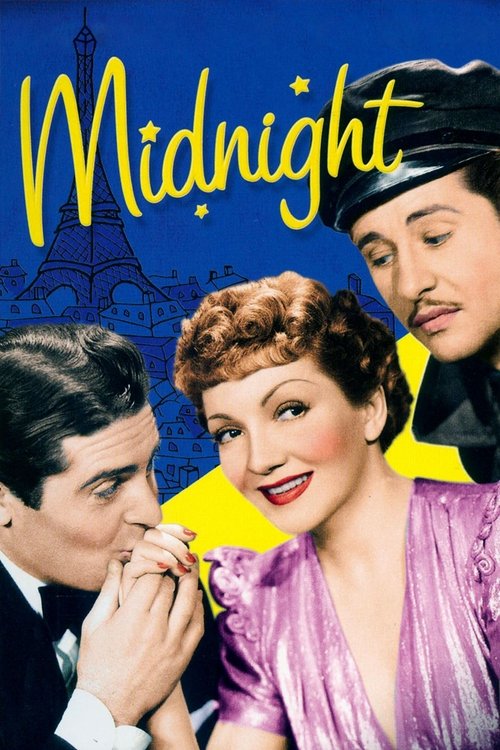
Midnight1939
Colbert again, in Paris, caught between con artists and aristocrats. Wilder's direction keeps everything moving at a clip, and the dialogue crackles with the ease of people who know exactly what they're doing.
But The ending feels a bit neat and convenient. After all that charm, the resolution is simpler than you might have hoped.
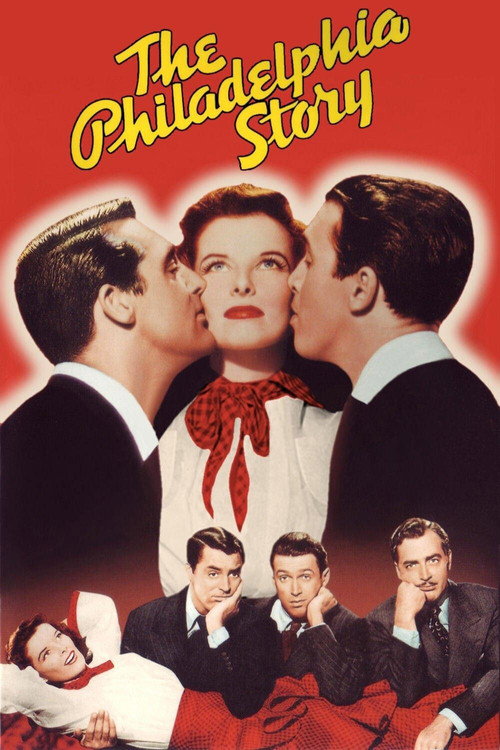
The Philadelphia Story1940
Three perfect actors (Grant, Stewart, Hepburn) in a romantic comedy about class, marriage, and whether anybody actually knows what they want. It's the blueprint that everything else copied.
But Hepburn's character is so perfect at the start that some of the 'learning humility' arc feels unearned. She wasn't actually wrong about anything.
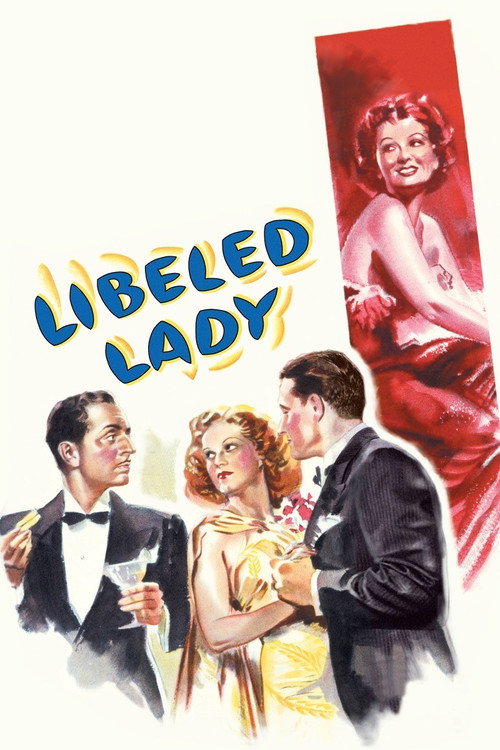
Libeled Lady1936
Four stars (Powell, Loy, Harlow, Tone) in a convoluted newspaper caper that somehow makes you believe that journalism involves more romance than reporting. The machine-like timing is astonishing.
But The plot is genuinely confusing if you're not paying close attention, and it's easy to stop caring who is conning whom.
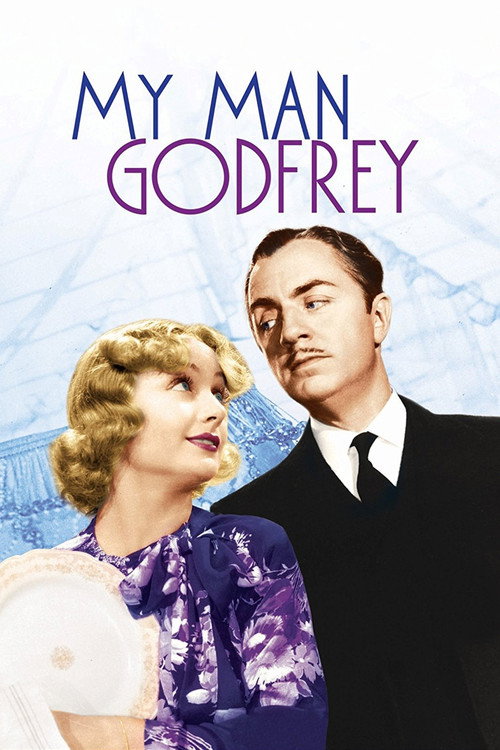
My Man Godfrey1936
William Powell is a homeless man hired as a butler by a scatterbrained heiress; what follows is depression-era screwball that's somehow both silly and genuinely interested in human dignity.
But The tonal shifts between slapstick and social commentary can feel jarring. It doesn't fully commit to either mode.
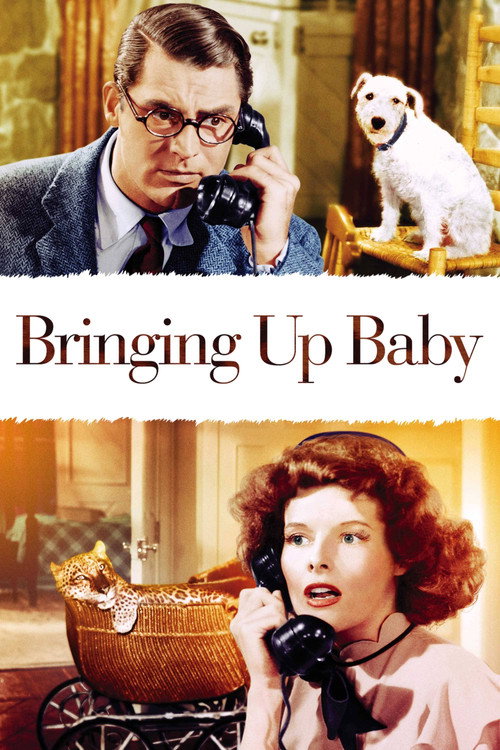
Bringing Up Baby1938
A paleontologist and a leopard and Cary Grant trying to maintain any shred of composure. It's controlled chaos, endlessly inventive, and makes no apologies for being completely ridiculous.
But Some find it exhausting rather than charming. Grant's desperation might read as annoying instead of funny, depending on your mood.
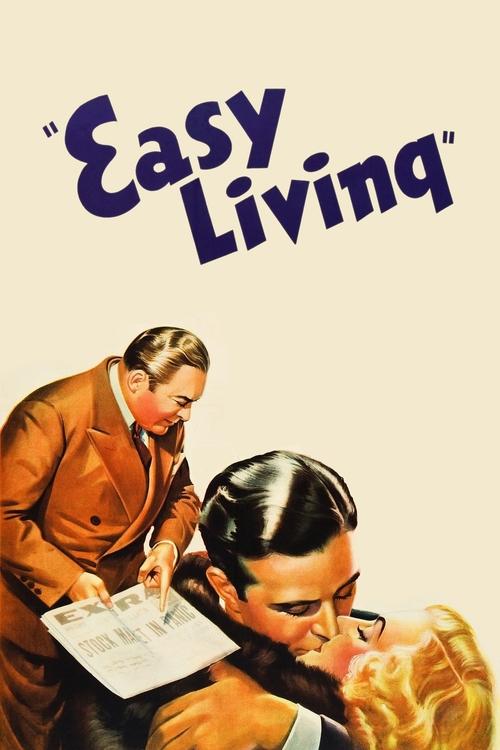
Easy Living1937
Jean Arthur in a Cinderella story about class and consumption, full of visual gags and a lightness that lets the film breathe. Preston Sturges again, showing why he understood this era better than anyone.
But The social commentary is there if you want it, but so is pure whimsy, and they don't always sit comfortably together.
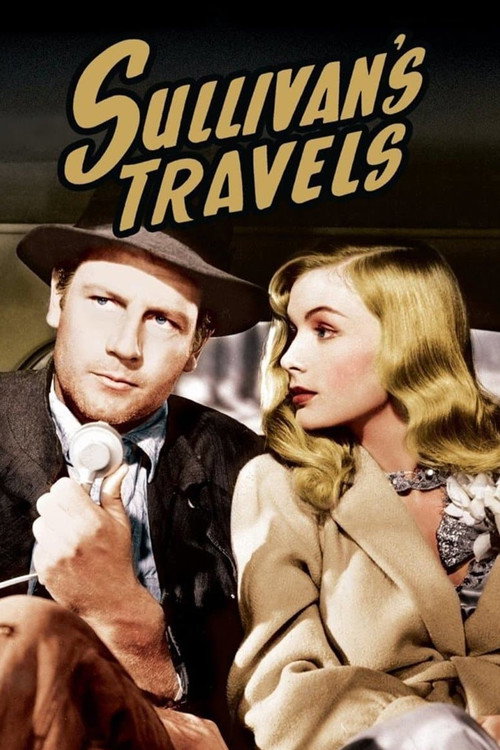
Sullivan's Travels1941
Both films are about people performing versions of themselves for others' benefit, but where The Bride Comes Home treats that as light entertainment, Sullivan's Travels asks whether playing a role costs you something real. It's the same premise with the weight turned up.
Preston Sturges' meditation on comedy itself: a Hollywood director wants to make serious art, so he disguises himself as a vagrant to understand suffering. It's both hilarious and genuinely moving about why comedy matters.
But The tonal shift in the third act is severe. It stops being funny to ask serious questions, and that jolts some viewers into discomfort.
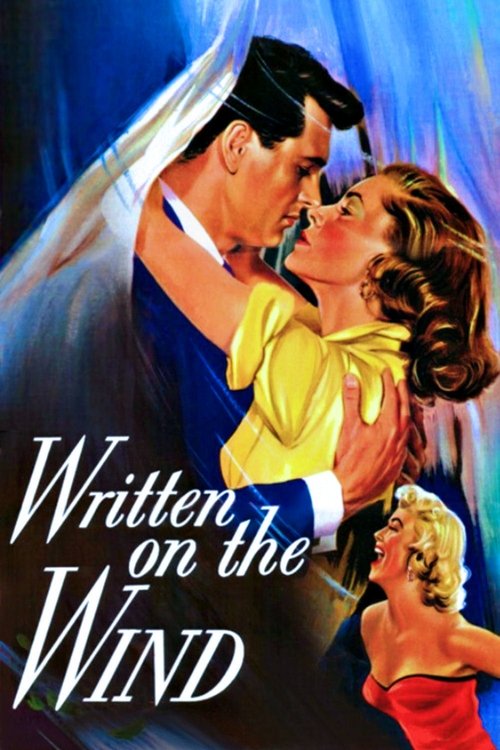
Written on the Wind1956
Both feature a woman at the center of two men's competing desires, but in The Bride Comes Home it's comic confusion, while Written on the Wind treats it as tragedy. Same engine, opposite tone—it shows how shape and style completely remake emotional meaning.
Rock Hudson and Lauren Bacall caught in the wealth and dysfunction of Texas oil money. It's a melodrama that uses the visual language of Technicolor like a symphony—every frame is composed to express emotional chaos.
But It's the opposite register from screwball comedy: operatic, tortured, genuinely sad. The pacing is languorous where The Bride is zippy.
People
Cast
 Claudette ColbertJeannette Desmereau
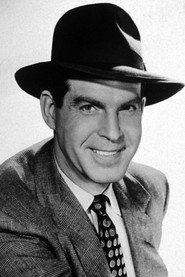 Fred MacMurrayCyrus Anderson
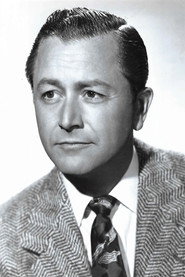 Robert YoungJack Bristow
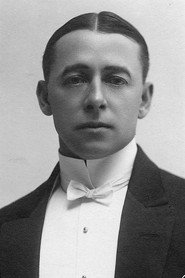 William Collier Sr.Alfred Desmereau
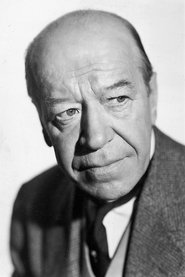 Donald MeekThe Judge
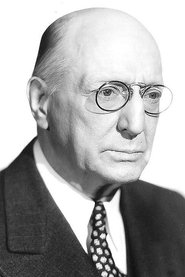 Richard CarleFrank - Butler
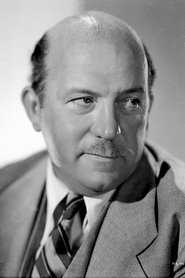 Edgar KennedyHenry
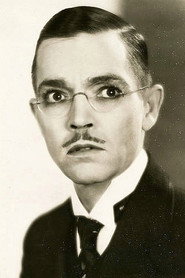 Johnny ArthurOtto
- Kate MacKennaEmma
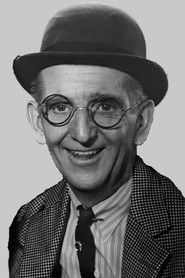 Jimmy ConlinLen Noble
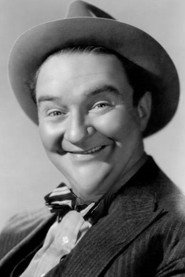 Edward GarganCab Driver
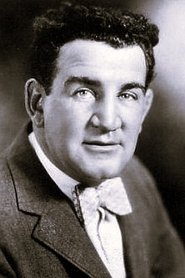 Tom KennedyHusky Thug at Party (uncredited)
Directing
- Arthur JacobsonAssistant Director
- Wesley RugglesDirector
Writing
- Claude BinyonScreenplay
- Elisabeth Sanxay HoldingStory
Production
- Wesley RugglesProducer