
Film
Craig's Wife
Rosalind Russell commands this acid portrait of a woman whose perfectionism and status-hunger corrode her marriage from within. A sharp-eyed drama about how control masquerades as care, it's a showcase for Russell's ability to make cruelty look like fastidiousness. For anyone who suspects that keeping up appearances might be keeping you down.
Should you watch it?
Watch it if you enjoy sharp, claustrophobic studies of a domestic marriage where the cruelty is quiet, precise and rooted in possessions, and you like watching a stylish 1930s drama grind its heroine into a corner.
Skip it if you want warmth, a likable central character or a plot that moves briskly, since Harriet is cold and the story keeps circling the same rooms and the same grievances.
What it asks of you: It runs a brisk 75 minutes but stays in one house, so it asks you to sit with tension and mounting unease rather than expect scenes that change the air around you.
Not sure? Find tonight's pick in a minute.
If you liked this
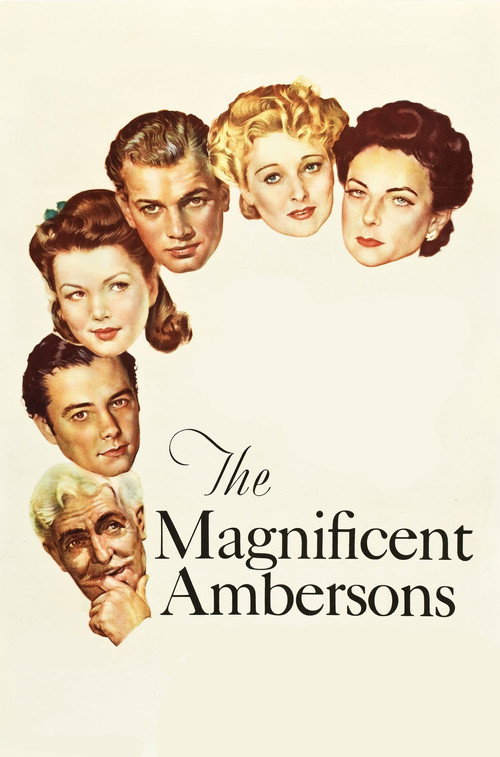
The Magnificent Ambersons1942
Welles's masterpiece about a family's decay is driven by similar themes: how wealth and social position poison the relationships that matter most. The formal elegance makes the rot all the more visible.
But It's nearly two hours of slow, deliberate unhappiness. There are no sympathetic characters, and the ending doesn't resolve anything cleanly.
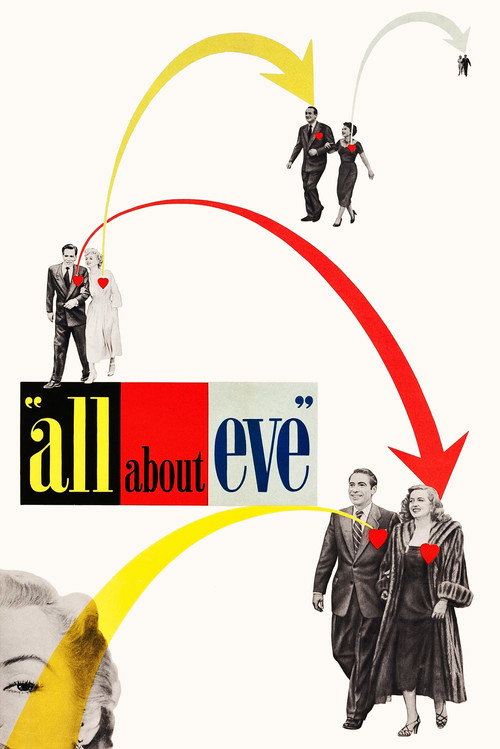
All About Eve1950
Another dissection of a woman whose appetite for control and status devours everything around her. Mankiewicz's wit is sharper and the stakes more theatrical, but the diagnosis is the same. Bette Davis at her most formidable.
But It's chattier and more theatrical than Craig's Wife—some find it arch rather than cutting. The pacing demands patience.
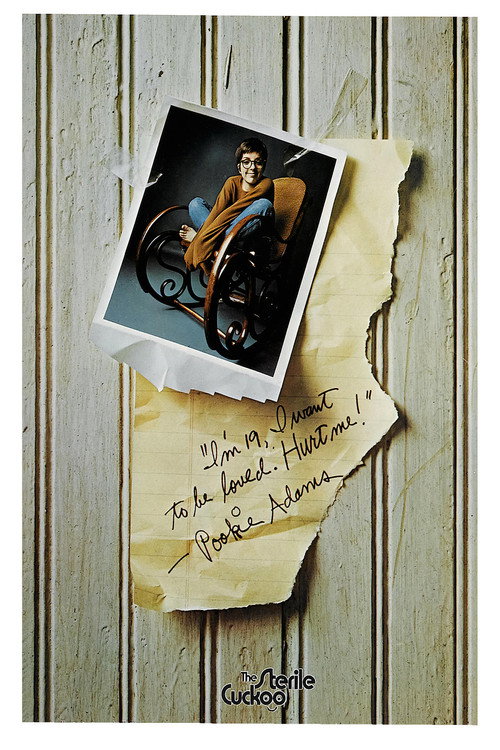
The Sterile Cuckoo1969
Liza Minnelli as a needy, manipulative woman whose need to control a relationship destroys it. Less withering than Russell's Harriet, but more tragic because we see how much pain drives her. Genuinely moving.
But It's heavy on sentiment and very much of its era. Some viewers find her character too exhausting to spend two hours with.
Not sure tonight? Get a pick in a minute, starting from Craig's Wife
The wildcard
Something you would not have found on your own.
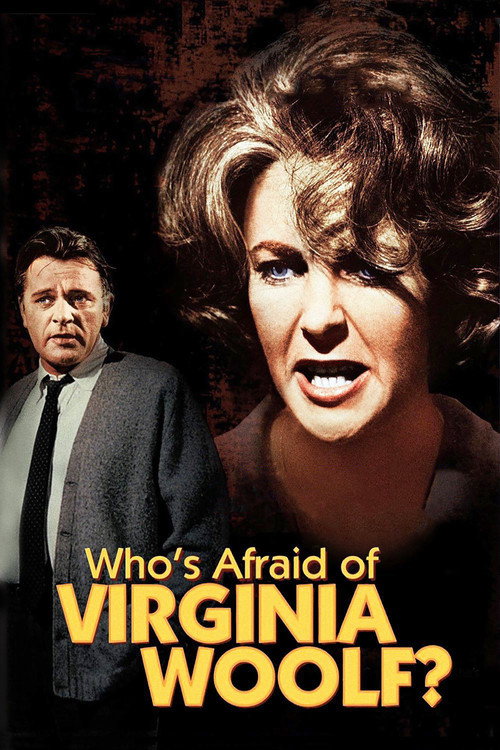
Who's Afraid of Virginia Woolf?1966
Both films strip away social pretense to expose how intimate relationships become power struggles. Where Harriet's control is meticulous and cold, the Proctors' is raw and public, but the engine is the same.
The same marriage-as-battleground dynamic, but here both parties wield control like weapons. Mike Nichols and two of the greatest actors ever (Burton and Taylor) turn it into vicious theater. The precision of cruelty is remarkable.
But It's ninety minutes of screaming, drinking, and psychological violence. There is no comfort in it. The dialogue is relentless and demands full attention.
More like this (8)
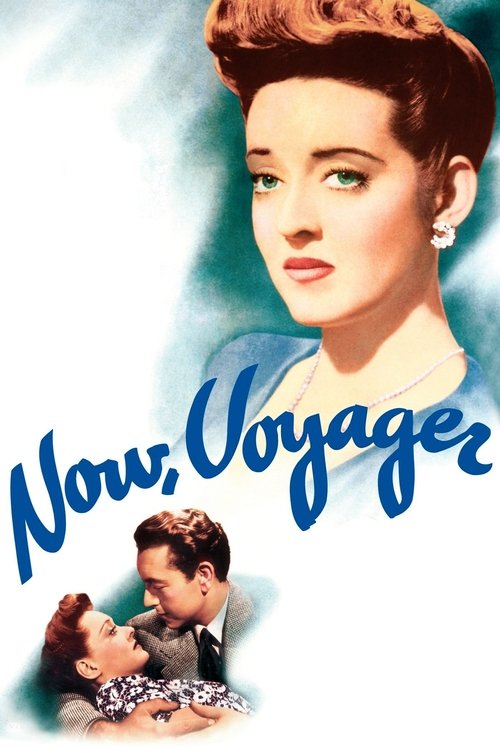
Now, Voyager1942
Bette Davis as a woman escaping the tyranny of maternal control. The emotional inverse of Craig's Wife—a study of how domination by one family member can erase an entire life. Handsomely made weepy.
But The romance feels obligatory. It's a wartime comfort picture, so the critique of family power is gentler than the subject deserves.
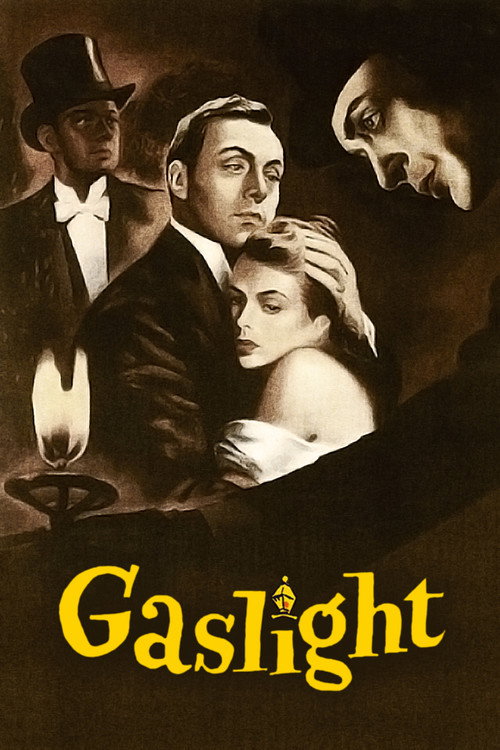
Gaslight1944
If Craig's Wife is about one person's need for perfect control, Gaslight is about someone actively weaponizing that need against their spouse. Terrifying and intimate. Ingrid Bergman's dismantling is heartbreaking.
But The genre mechanics of psychological thriller can feel dated. The ending is neater than the psychology.
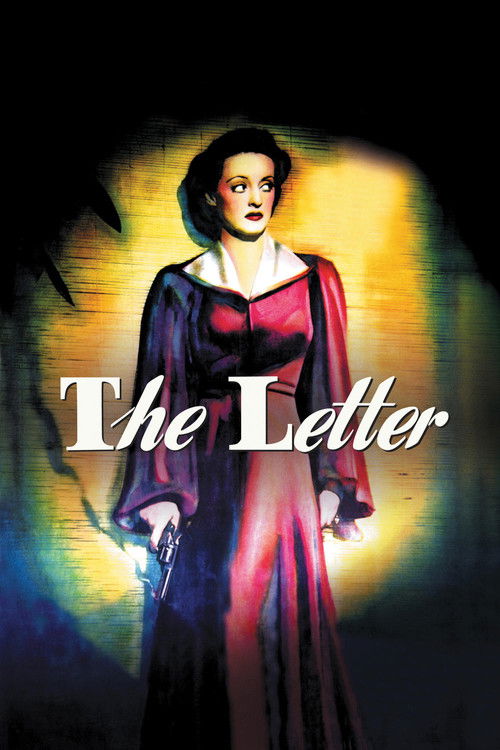
The Letter1940
Bette Davis again, this time as a woman whose facade of respectability hides a murderous will. Similar class and gender dynamics to Craig's Wife, but with genuine danger. William Wyler's direction is immaculate.
But It's melodrama, so the motivations are passionate rather than coldly cerebral. The morality is simpler than in Craig's Wife.
Leave Her to Heaven1945
Gene Tierney as a woman whose love curdles into destructive obsession. Stunning Technicolor cinematography makes her toxicity visually gorgeous. A portrait of how beautiful people can do ugly things.
But The tone swings between melodrama and thriller. It's more concerned with plot than psychology, so the character analysis is shallower.

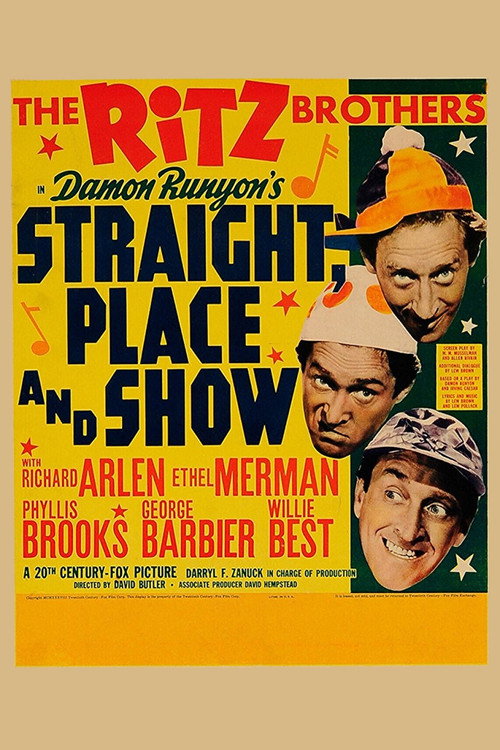
Straight, Place and Show1938
A lighter take on marital comedy-drama from the same era. Shows how the period could examine marriage and domestic control with more humor than Craig's Wife allows. Pleasant and period-appropriate.
But It's genuinely minor. The social critique is so soft you almost miss it. If you want substance, keep looking.
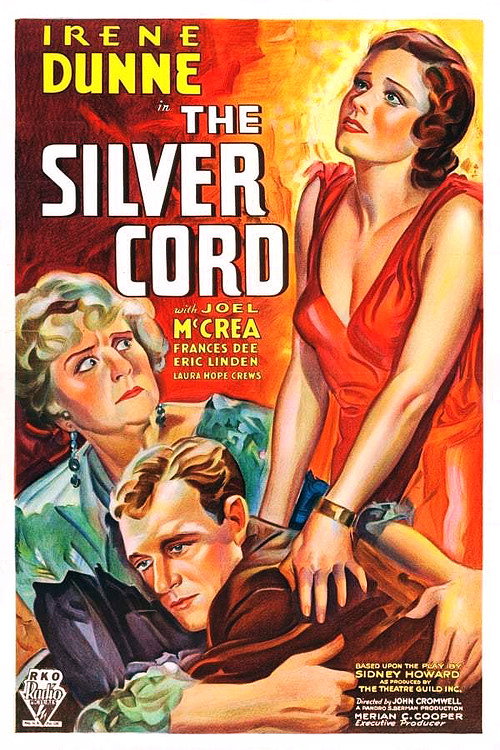
The Silver Cord1933
An earlier drama about a possessive mother whose need for control ruins her son's marriage. Similar themes, broader scope, equally grim view of domestic power. A useful comparison point.
But It's stagebound and talky in ways that predate the genre's visual sophistication. The acting style can feel theatrical to modern eyes.
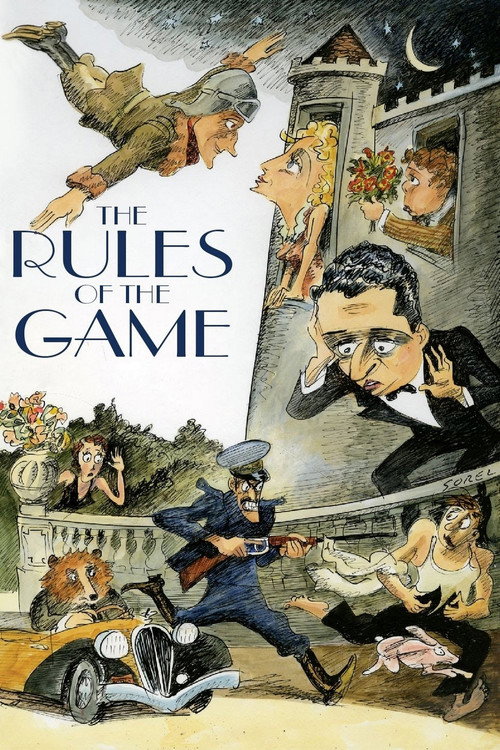
The Rules of the Game1939
Both examine how social class and performance of respectability enable people to wound those closest to them. One is an American melodrama; the other is a French epic about the same moral rot.
Renoir's masterpiece about how social convention masks desire and cruelty in a house full of people. It has Craig's Wife's interest in surface propriety concealing chaos, but is told through an entire estate's interlocking dramas in sumptuous black and white.
But It's French, it's long (113 minutes), and it demands active watching. The ensemble structure can feel scattered if you're expecting a linear story. Subtitles required.
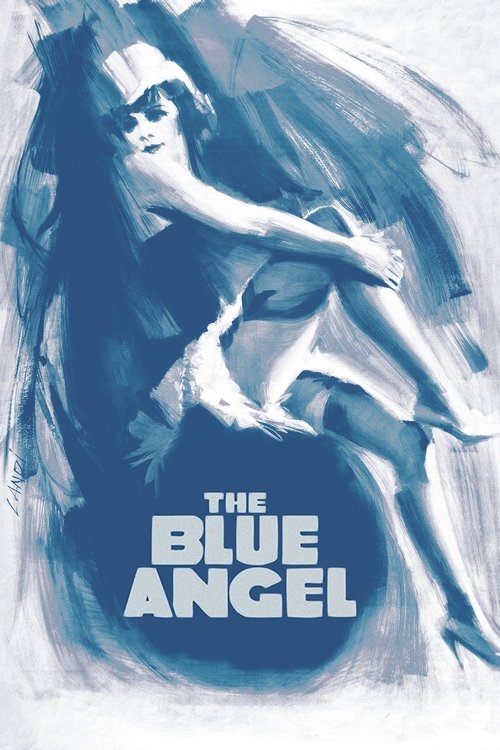
The Blue Angel1930
Like Craig's Wife, it's about one person's absolute control over another and the corrosion that results. But where Harriet's control is domestic and meticulous, Lola's is sexual and theatrical—the same hunger, different costume.
Marlene Dietrich and Emil Jannings in Sternberg's gorgeous, doomed study of how erotic control and social humiliation destroy a man. In German and visually hypnotic. A study of one person's power over another that's almost balletic in its cruelty.
But It's a German film from 1930, shot in studio with theatrical acting styles. The pace is glacial. You're watching the slow-motion destruction of a man's dignity, which is not a happy evening.
People
Cast
 Rosalind RussellHarriet Craig
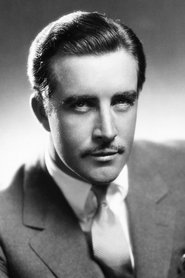 John BolesWalter Craig
 Billie BurkeMrs. Frazier
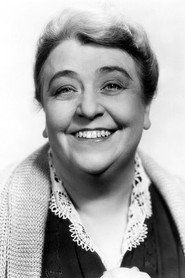 Jane DarwellMrs. Harold
 Dorothy WilsonEthel Landreth
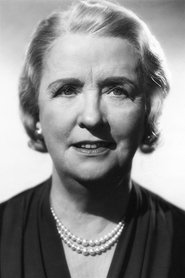 Alma KrugerMiss Austen
 Thomas MitchellFergus Passmore
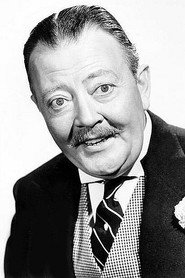 Raymond WalburnBilly Birkmire
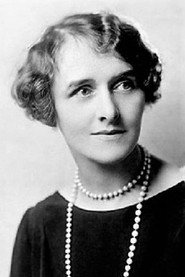 Elisabeth RisdonMrs. Landreth
 Robert AllenGene Fredericks
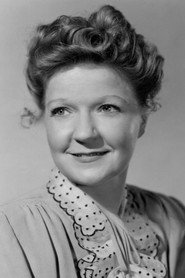 Nydia WestmanMazie
 Kathleen BurkeAdelaide Passmore
Directing
- Arthur S. Black Jr.Assistant Director
- Dorothy ArznerDirector
Writing
- Mary C. McCall, Jr.Screenplay
- George KellyTheatre Play
Production
- Edward ChodorovAssociate Producer
- Harry CohnProducer