
Film
All This, and Heaven Too
A 1940 melodrama starring Bette Davis as a governess caught between aristocratic passion and domestic poison. Lush, operatic, and utterly committed to the idea that virtue and longing can destroy you just as surely as vice. For anyone who loves Davis at full throttle, and anyone curious what pre-war Hollywood thought love should look like.
If you liked this
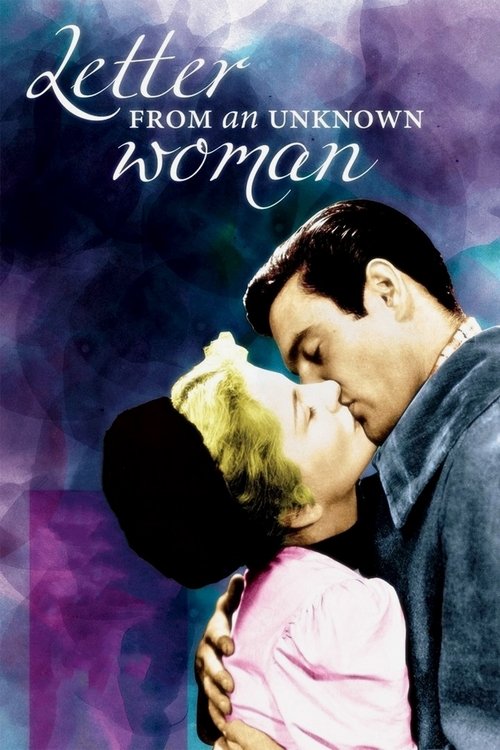
Letter from an Unknown Woman1948
Ophüls' masterpiece of romantic obsession and regret. A woman's entire life shaped by one brief affair. Visual poetry and emotional devastation in equal measure—Douglas Sirk's spiritual ancestor.
But The pacing is glacial by modern standards, and the heroine's passivity can read as either tragedy or frustration depending on your mood.
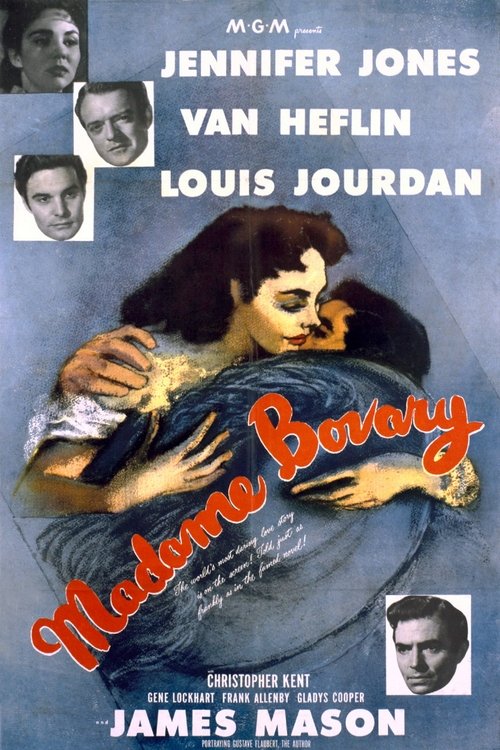
Madame Bovary1949
Vincente Minnelli's adaptation captures the same trapped-by-desire energy. Jennifer Jones as a woman destroyed by fantasy and desire. Ravishing, claustrophobic, perfectly calibrated.
But It's a pessimistic film about the impossibility of happiness, with an ending that offers no comfort.
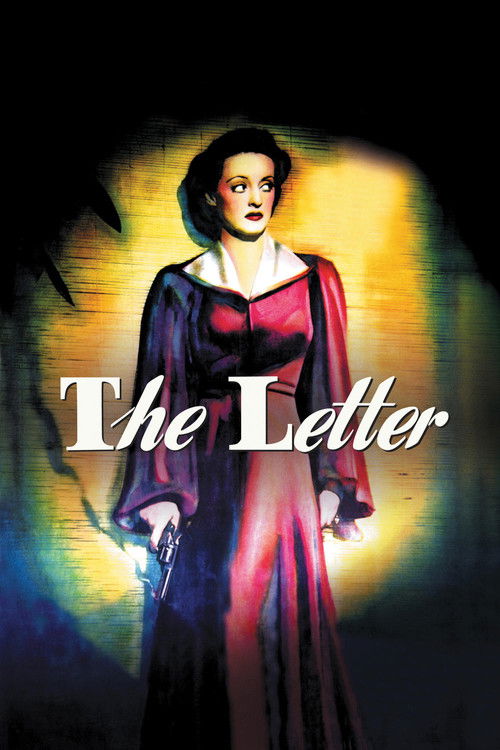
The Letter1940
Davis again, and again magnificent. Murder, desire, colonial shame. William Wyler directing. If you loved her in *All This*, this is the other side of the same coin—passion as weaponised destruction.
But Rape is part of the plot. It's handled seriously but it's there, and it will cost some viewers.
Not sure tonight? Get a pick in a minute, starting from All This, and Heaven Too
The wildcard
Something you would not have found on your own.
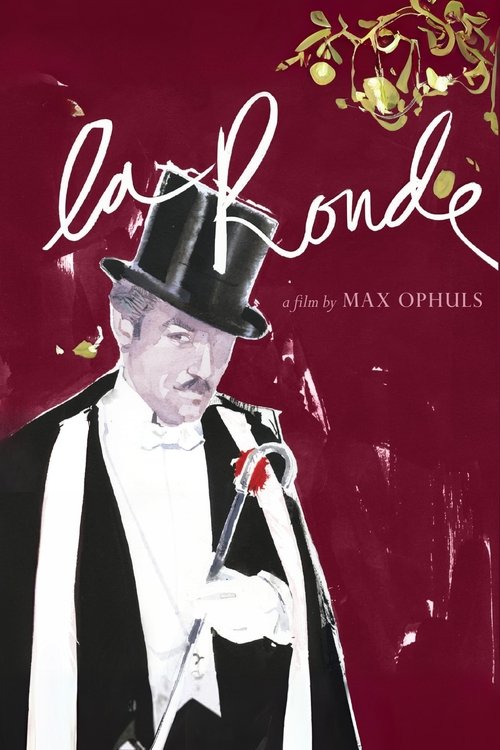
La Ronde1950
Both are about desire as social destruction, but *La Ronde* steps outside time to show the pattern repeating. Where Davis' governess is trapped in one story, Ophüls' film is the infinite mirror.
Max Ophüls' circular waltz of ten characters, ten affairs, ten moments of desire and regret. Bette Davis never made this, but she should have. It's *All This* deconstructed into pure structure—form as meaning.
But The artifice is deliberate and total. If you want emotional realism or psychological depth, you won't find it. Pure cinema means some viewers will find it cold.
More like this (8)
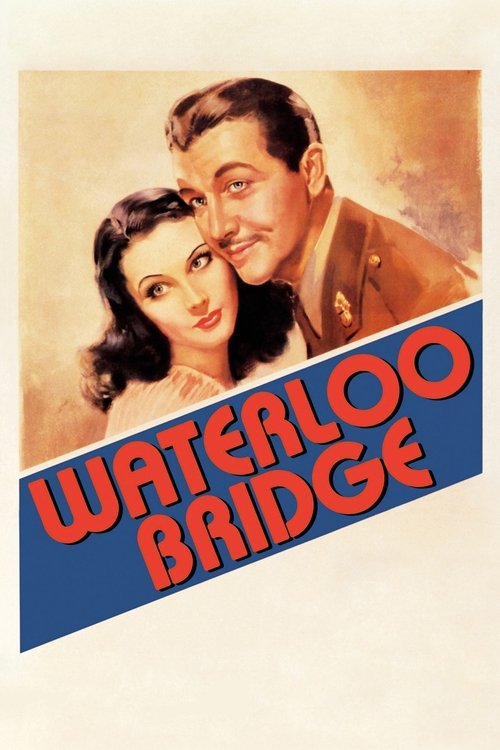
Waterloo Bridge1940
Vivien Leigh as a woman whose love for Robert Taylor becomes impossible amid wartime tragedy. Melodrama with genuine heartbreak. Mervyn LeRoy directing with real weight.
But The moral framework is very 1940—damaged women and redemption through suffering will sit wrong with some viewers.
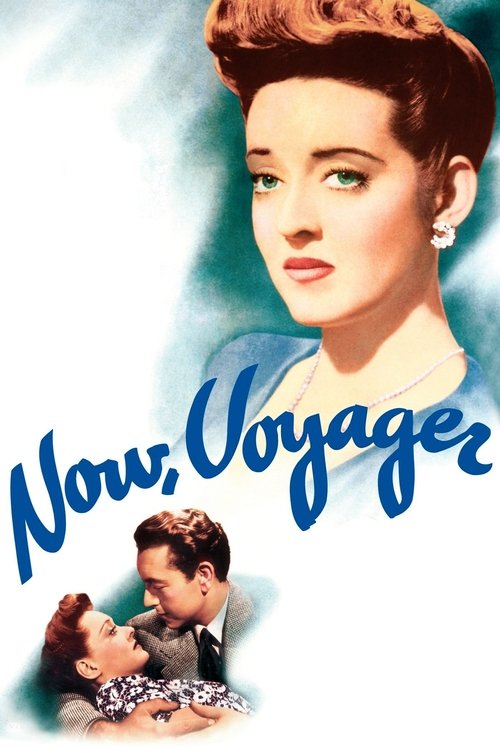
Now, Voyager1942
Davis yet again, transformed by love and Chard Gable. A love story about two people who can never fully be together. Bittersweet, romantic, and Paul Henreid's cigarette-lighting scene is cinema.
But The resolution asks a lot of the audience's acceptance of noble sacrifice as happy ending.
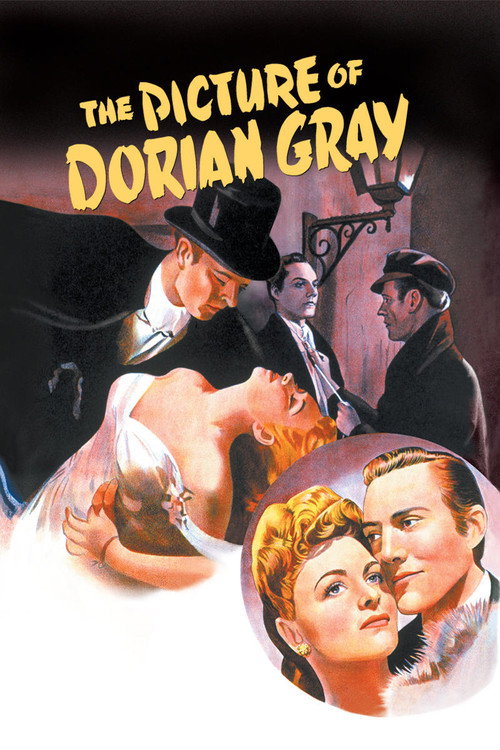
The Picture of Dorian Gray1945
Wilde's corruption fable translated to Hollywood with George Sanders as a charming tempter. Moral rot dressed in beauty. The black-and-white cinematography is hypnotic.
But The pacing staggers, and Hurd Hatfield's Dorian has very little to do after the setup.
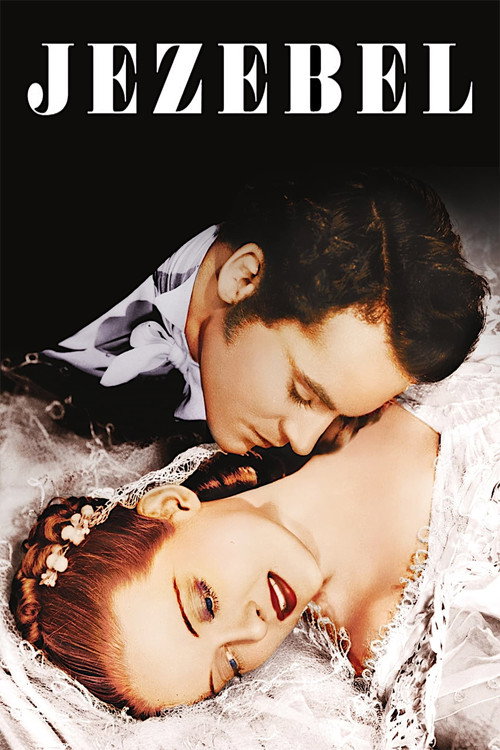
Jezebel1938
Davis in the antebellum South, willful and destructive, destroying lives through passion and pride. William Wyler directing. Uglier and more morally complex than *All This*, but equally committed.
But Its depiction of slavery and the South is shaped by 1938 Hollywood's comfortable racism. It's disturbing to watch now for more reasons than the story intends.
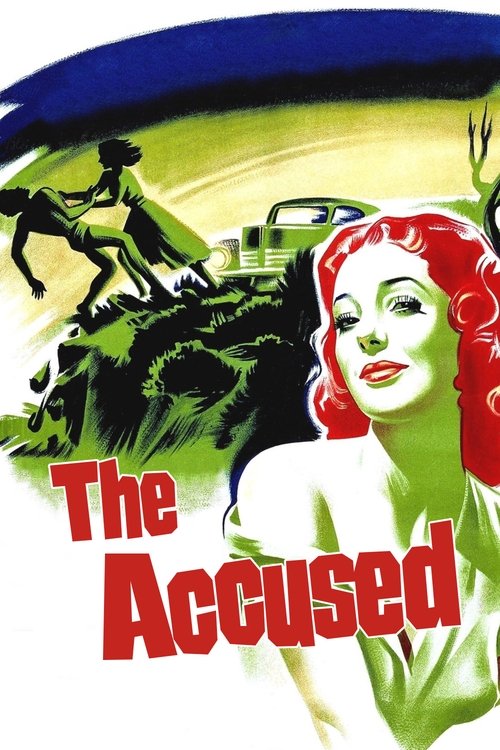
The Accused1949
Robert Siodmak's noir about a woman tried for murder when she claims self-defence. Loretta Young and Robert Cummings. Jealousy and class and the weight of proof done with real tension.
But It skews toward vindication rather than complexity—a nice ending for a nasty story might feel unearned.
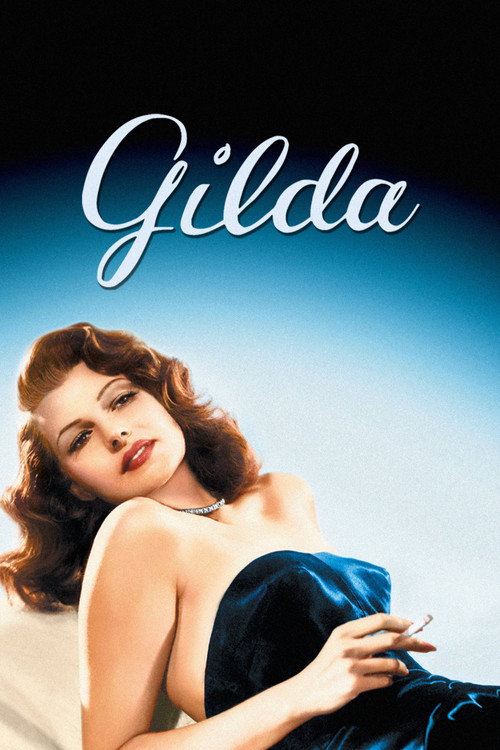
Gilda1946
Rita Hayworth and Glenn Ford in a tango of desire and jealousy in postwar Buenos Aires. Stylish, sexier than *All This*, and it ends in moral confusion rather than clarity.
But The sexual dynamics can feel dated and the ending contradicts its own emotional logic.
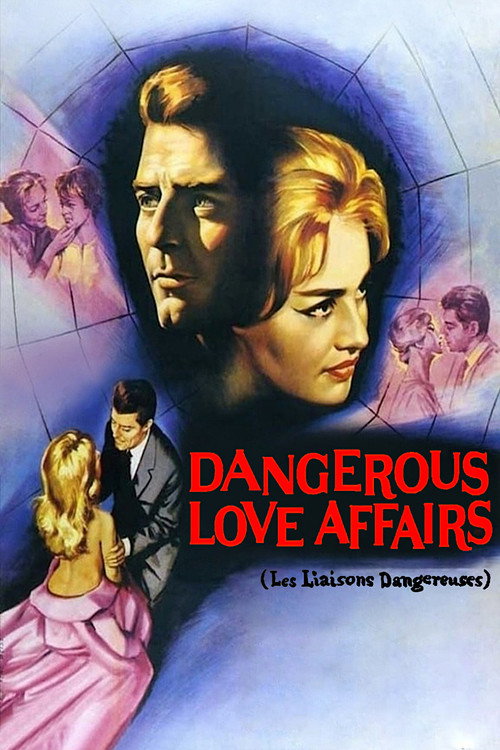
Dangerous Love Affairs1959
Same 18th-century setting, same aristocratic moral collapse. But Vadim treats corruption as chic rather than tragic, and everyone in his film is complicit rather than victimised.
Roger Vadim's adaptation of Laclos, with Jeanne Moreau and Annette Vadim. Desire as tactical warfare among aristocrats. Stylish, sardonic, far more cynical than Davis ever was allowed to be on screen.
But It's French New Wave sensibility applied to ancien régime corruption—playful where *All This* is tragic. Some will find it glib about serious subject matter.
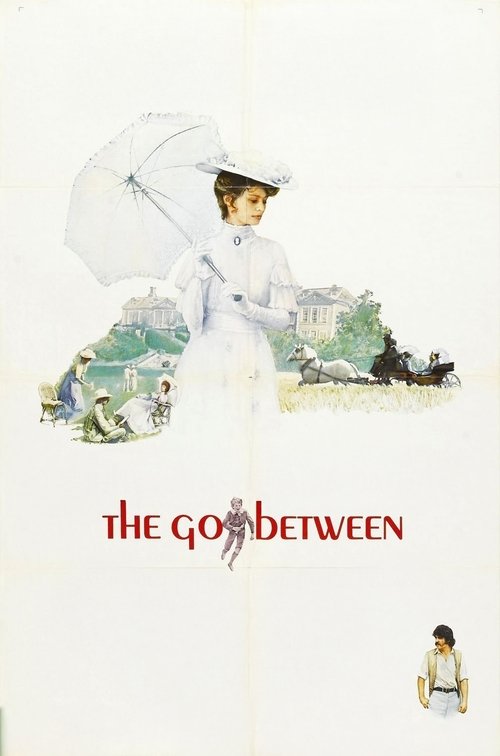
The Go-Between1971
Both concern virtue destroyed by social position and desire, but *The Go-Between* is narrated as memory and loss. It's what *All This* would be if you came back to it fifty years later, older and sadder.
Joseph Losey's devastating film about a boy caught between desire and class in Edwardian England. Adult passion seen through a child's confused eyes. Julie Christie and Alan Bates. Quiet and absolutely crushing.
But It's a slow film about slow damage. The tragedy is internal and structural—nothing explodes, and that will frustrate anyone wanting drama.
People
Cast
 Bette DavisHenriette Deluzy-Desportes
 Charles BoyerDuc de Praslin
 Jeffrey LynnHenry Martyn Field
 Barbara O'NeilDuchesse de Praslin
 Virginia WeidlerLouise
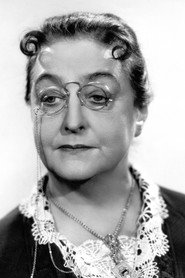 Helen WestleyMadame LeMaire
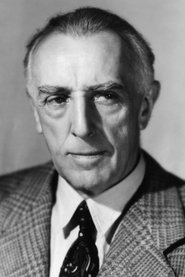 Walter HampdenPasquier
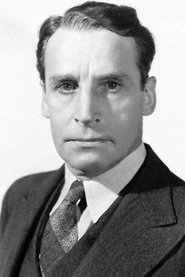 Henry DaniellBroussais
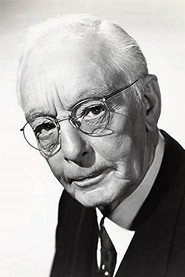 Harry DavenportPierre
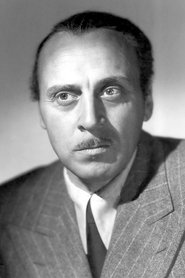 George CoulourisCharpentier
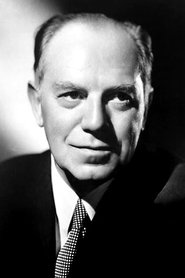 Montagu LoveMarechal Sebastiani
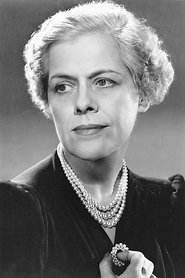 Janet BeecherMiss Haines
Directing
- Irving RapperAssistant Director
- Sherry ShourdsAssistant Director
- Anatole LitvakDirector
Writing
- Casey RobinsonScreenplay
- Rachel FieldWriter
Production
- David LewisAssociate Producer
- Hal B. WallisExecutive Producer
- Anatole LitvakProducer