
Film
Lajwanti
A 1958 Indian melodrama about a wife falsely accused of infidelity, cast out by her husband and separated from her child. Nargis anchors this story of injustice and maternal longing with the kind of emotional intensity that defined Hindi cinema's golden age. It's operatic, uncompromising, and absolutely serious about its heroine's suffering.
If you liked this
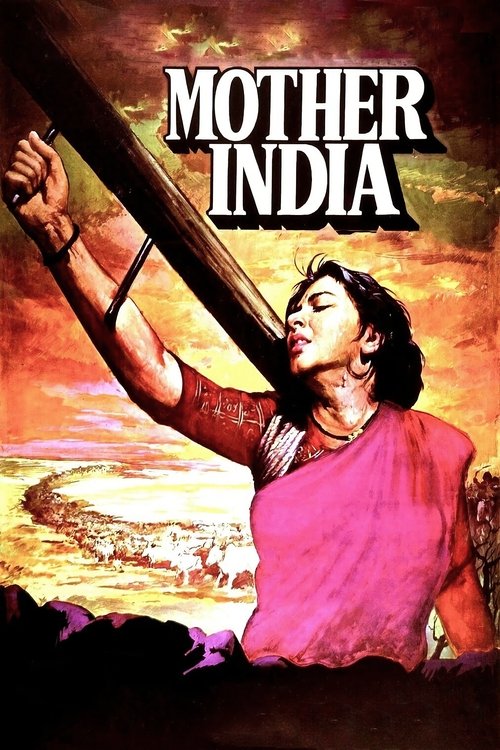
Mother India1957
Nargis at her most iconic, playing a woman who sacrifices everything for her sons across decades of hardship. A landmark of Indian cinema that shares Lajwanti's faith in maternal love as a transformative force.
But Nearly three and a half hours, and the emotional register is relentless. There is no lightness here, only duty and sorrow.
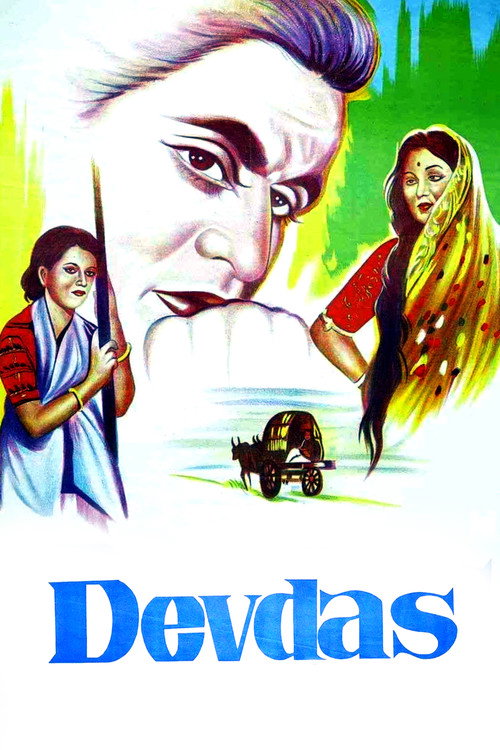
Devdas1955
Bimal Roy's sumptuous melodrama about impossible love and social judgment, made just years before Lajwanti. Same director, same willingness to let tragedy consume everything, shot in stunning Technicolor.
But The pacing is glacial by modern standards, and the fatalism can feel suffocating if you're not prepared for it.
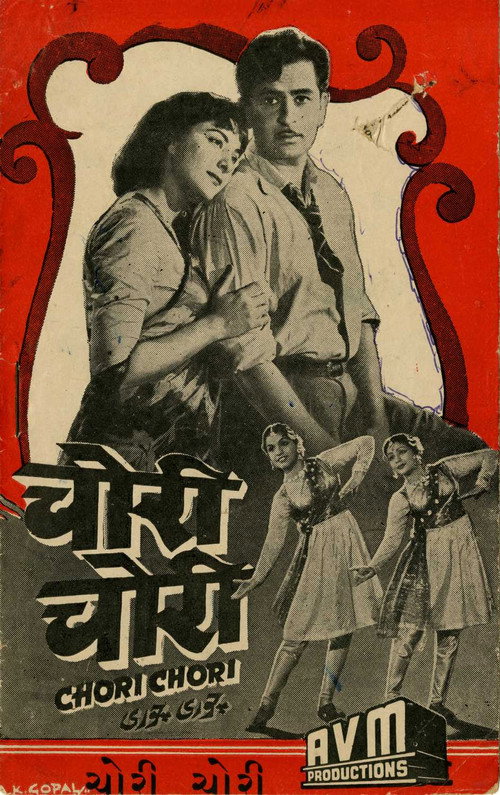
Chori Chori1956
A lighter Nargis film about mistaken identity and romance, proving she could anchor comedy as effectively as tragedy. A palate cleanser if you need one, but still made with craft and charm.
But After Lajwanti's intensity, the whimsy might feel slight. The plot is gossamer-thin even by melodrama standards.
Not sure tonight? Get a pick in a minute, starting from Lajwanti
The wildcard
Something you would not have found on your own.
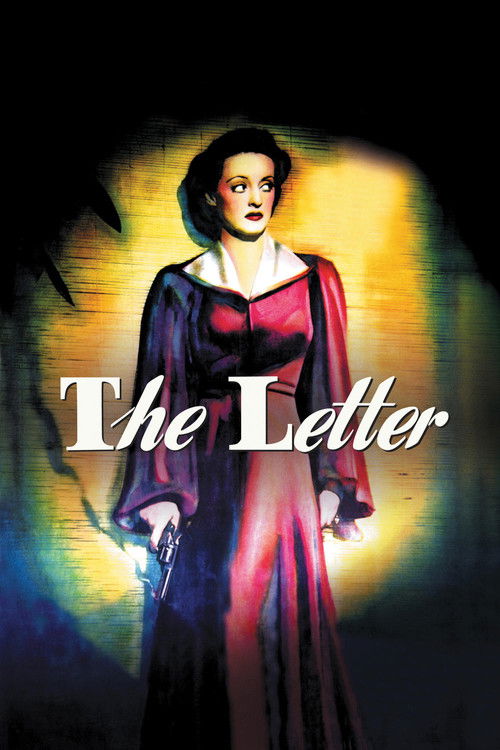
The Letter1940
Both hinge on false judgment of a woman and the consequences that ripple through her entire life. Both ask: what does society do to women caught in scandal, guilty or innocent?
William Wyler's American melodrama about a woman whose lie unravels her life—same skeleton as Lajwanti, but transplanted to Malaya and shot in expressionist black and white. Shows how the theme of false accusation and feminine judgment transcends national cinema.
But It's in English, shot in Hollywood's glossy style, and the moral universe is colder and more cynical than Lajwanti's.
More like this (7)
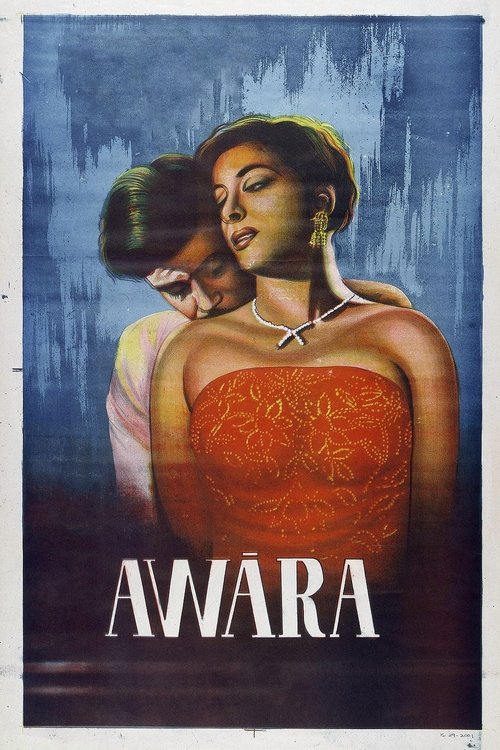
Awaara1951
Raj Kapoor's masterwork about a man from the slums accused of crime, wrestling with guilt and morality. Like Lajwanti, it's about characters crushed by false judgment and social injustice, shot with visual poetry.
But The dream sequences are heavy-handed, and the film's faith in redemption through love feels naive to modern sensibilities.
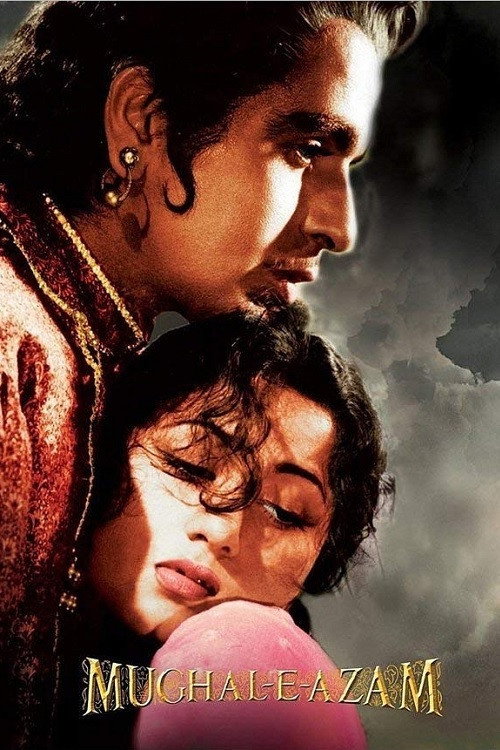
Mughal-e-Azam1960
Epic scope, ravishing color cinematography, and a tragic love story built on the conflict between duty and desire. Made just after Lajwanti, it captures the same era's belief in cinema as grand emotional statement.
But At over three hours with multiple musical numbers, it demands patience. The political scheming can feel secondary to the romance.
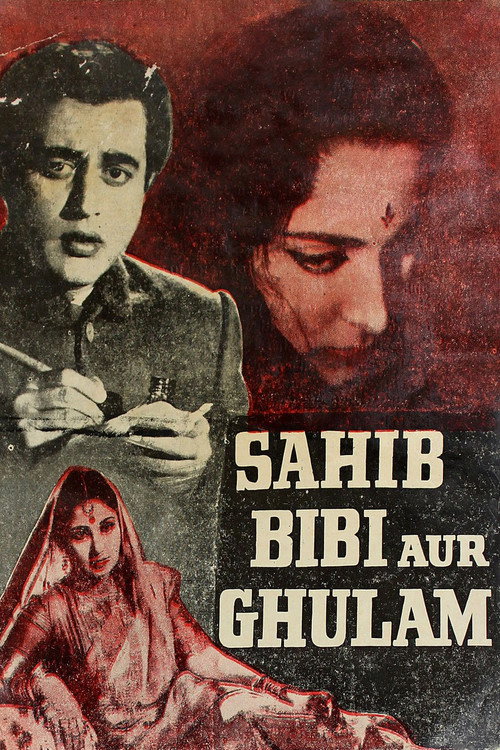
Sahib Bibi Aur Ghulam1962
A woman's slow dissolution in a decadent household, a story of social decay and moral compromise. Different in tone but aligned with Lajwanti's interest in how institutions betray women.
But The film is steeped in melancholy and uses alcohol and decay as metaphor. It's bleak, and offers no easy consolations.
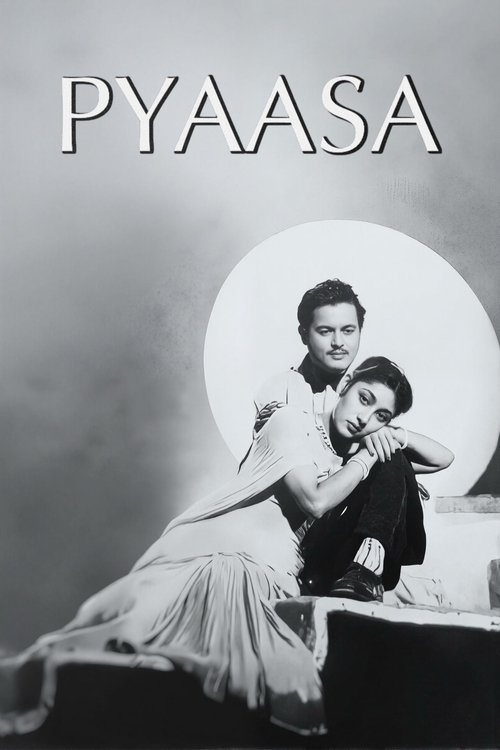
Pyaasa1957
Guru Dutt's acid-soaked portrait of a poet rejected by society and love. A contemporary of Lajwanti that shares its interest in injustice and the individual destroyed by circumstance, but from a very different angle.
But The cynicism is complete, and the film offers no redemption. If you want catharsis, this isn't it.
Hazaaron Khwaishein Aisi2005
A modern film that echoes Lajwanti's concern with how women are judged and discarded by society, but with contemporary politics and moral ambiguity. A bridge between golden-age melodrama and modern Indian cinema.
But It's long, sprawling, and deliberately anti-climactic. The narrative jumps across decades and resists a tidy ending.

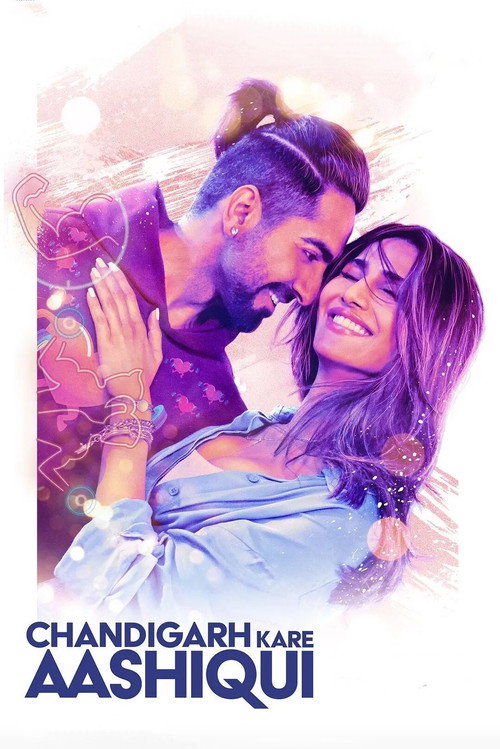
Chandigarh Kare Aashiqui2021
Both are Indian films about women navigating social judgment and shame. One responds with resignation and suffering; the other with defiance and joy. Together they bracket seventy years of how Indian cinema asks women to survive.
A contemporary Indian film about a woman defying social expectation and judgment, told with warmth and humor rather than operatic sorrow. Proves the same themes—social censure, female agency, the cost of transgression—still matter, just expressed differently.
But The tone is almost aggressively upbeat; if you're seeking the tragic grandeur of 1950s melodrama, this will feel lightweight and compromised.
Bicycle Thieves1948
Both films trust us to feel the weight of unjust accusation without manipulation. Both argue that false judgment doesn't destroy character; it destroys lives. One uses orchestration; one uses silence. Both are devastating.
A neorealist masterpiece about a working man falsely suspected of theft, and how society's judgment destroys him. Stripped of melodrama's ornament, it captures the same injustice as Lajwanti through documentary-like simplicity. Heartbreaking without music or tears.
But It's Italian, made in 1948, shot in grainy black and white on real streets. It has almost no plot and certainly no resolution. If you want emotional catharsis, you won't find it.

People
Cast
 NargisKavita
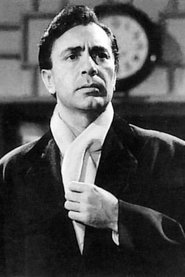 Balraj SahniNirmal Kumar
 Kumari NaazRenu (as Baby Naaz)
- RadhakrishanPyare Mohan (as Radha Kishen)
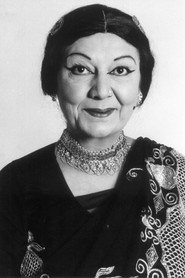 ManoramaMrs. Godabri Mohan
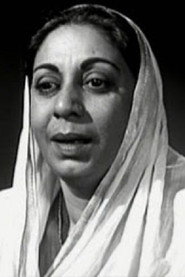 Mumtaz BegumJamuna (as Mumtaz)
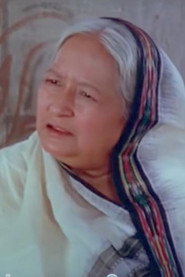 Leela MishraNirmal's Sister (as Leela Misra)
Directing
- Surendra ShailajAssistant Director
- Narendra SuriDirector
Production
- Mohan SegalProducer