
Film
A Stolen Life
A Stolen Life is a 1946 melodrama where Bette Davis plays twins—one meek, one vivacious—and assumes her dead sister's identity to win back a lost love. It's the kind of film that luxuriates in emotional extremity and moral messiness, where plot mechanics matter less than watching a master actor command the screen. For anyone who loves heightened emotion and mid-century Hollywood craft.
If you liked this
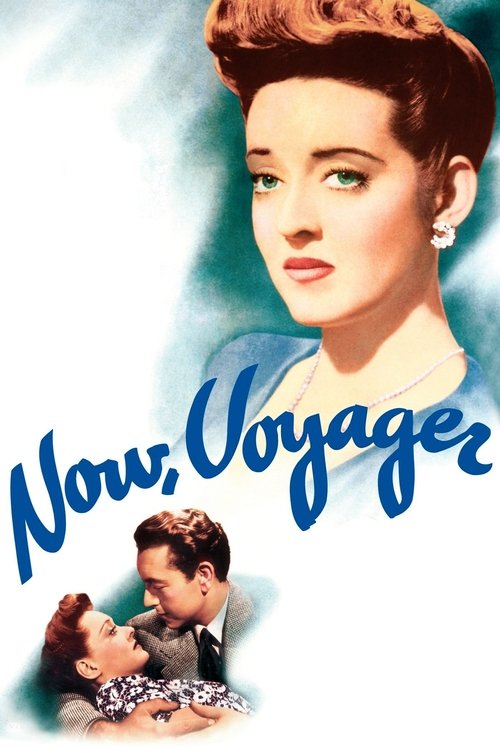
Now, Voyager1942
Bette Davis at her most commanding, playing a woman transformed by love and self-discovery. Expertly paced melodrama with genuine emotional weight and some of cinema's most satisfying character arcs.
But The pacing feels deliberate and measured—this is not a film that rushes. Some may find the psychology dated or the resolve a bit too neat.
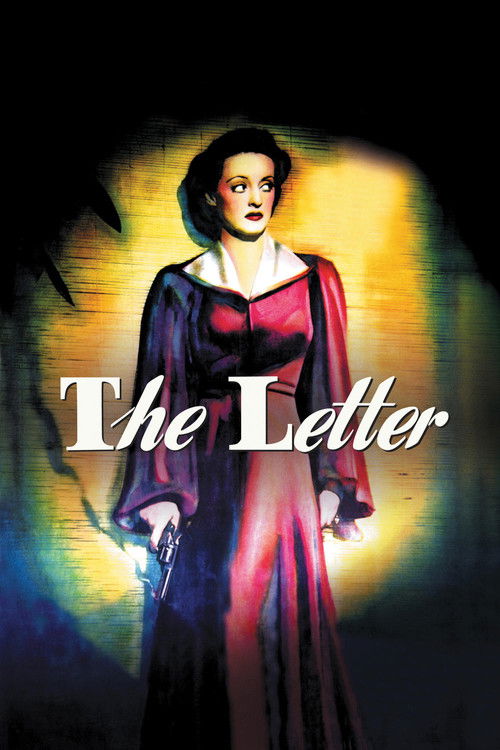
The Letter1940
Davis again, but darker—playing a woman whose deception unravels with mounting dread. Taut direction from William Wyler and a genuine sense of moral consequence that lingers.
But It's quite bleak and the ending will not console you. The racial attitudes baked into the film's setting are uncomfortable by modern standards.
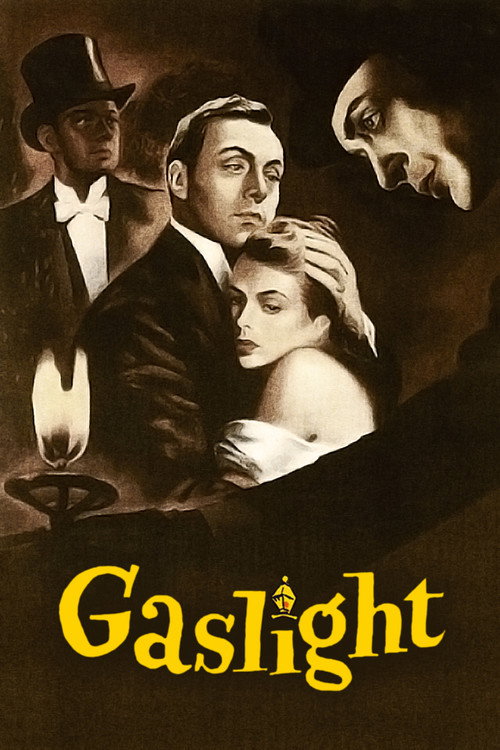
Gaslight1944
Ingrid Bergman trapped in a marriage built on lies and manipulation. Tense, beautifully acted, and genuinely unsettling—a masterclass in how cinema can express psychological torment through performance.
But The pacing slows in the middle hour. Some viewers find the setup implausible once examined too closely.
Not sure tonight? Get a pick in a minute, starting from A Stolen Life
The wildcard
Something you would not have found on your own.
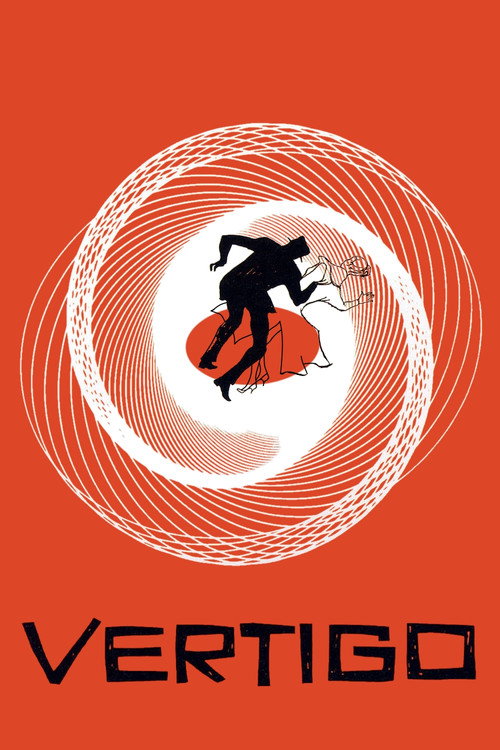
Vertigo1958
Both films center on a man's obsession with a woman who may or may not be who he believes she is. Both ask whether identity is something fixed or something that can be stolen, assumed, or imposed. Both suggest that desire itself can become a kind of madness.
Hitchcock's masterpiece about obsession and assumed identity. A man falls in love with a woman, loses her, then becomes convinced he's found her again—and forces a new woman into that role. It's A Stolen Life refracted through Hitchcock's formal genius and psychological extremity.
But It's demanding—deliberately paced, formally complex, and deeply unsettling. The treatment of the female character will make you uncomfortable, which is entirely the point.
More like this (8)
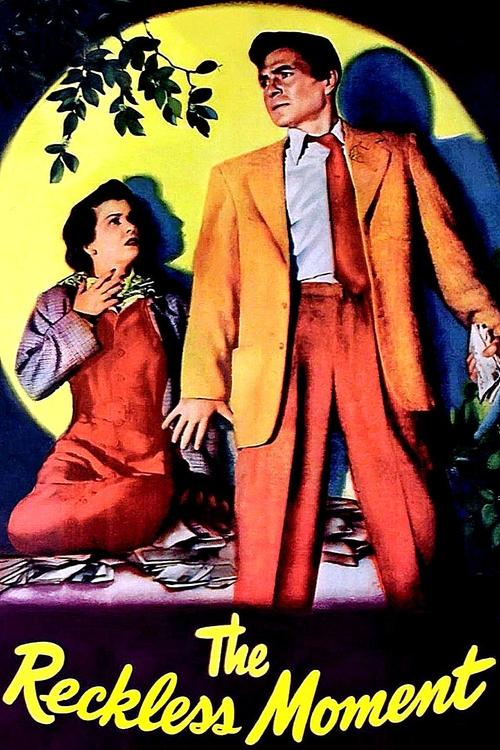
The Reckless Moment1949
James Mason and Joan Bennett in a noir that doubles as a domestic drama—secrets, blackmail, and a woman forced into impossible choices. Directed by Max Ophüls with extraordinary visual sophistication.
But It's formally complex and deliberately slow-burn. The plot, on paper, sounds smaller than it feels in the watching.
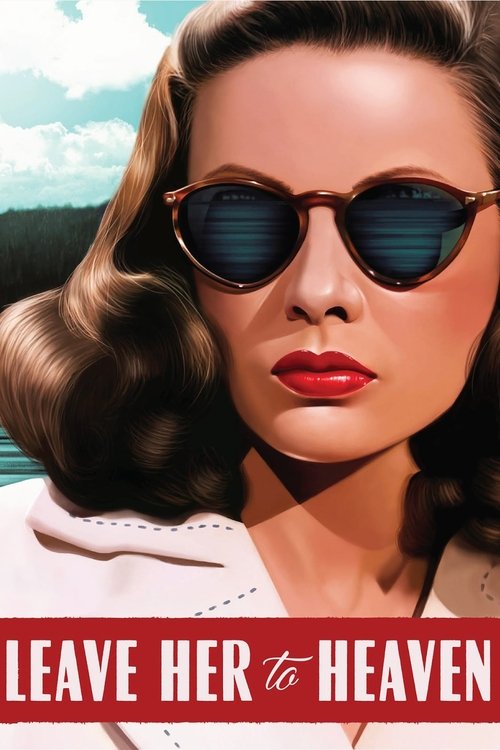
Leave Her to Heaven1945
Gene Tierney as one of cinema's great femmes fatales—a woman so consumed by jealousy and desire she destroys everything around her. Technicolor melodrama at its most visually gorgeous and morally twisted.
But The toxicity is played as somewhat romantic, which hasn't aged well. It's also quite long and indulgent in ways that test modern patience.
The Killers1946
Burt Lancaster's debut and Ava Gardner's breakthrough, in a noir that jumps around time following a murder. Stylish, mysterious, and crackling with the kind of '40s sophistication that feels urgent.
But The narrative structure is deliberately fractured, which some find confusing rather than compelling. The noir conventions may feel familiar.

In a Lonely Place1950
Humphrey Bogart as a man whose violent temper makes him the prime suspect in a murder. A film noir that's genuinely about character rather than plot—dark, intimate, and deeply pessimistic.
But There's no real mystery; the appeal is entirely in watching Bogart unravel. If you want a conventional noir structure, look elsewhere.

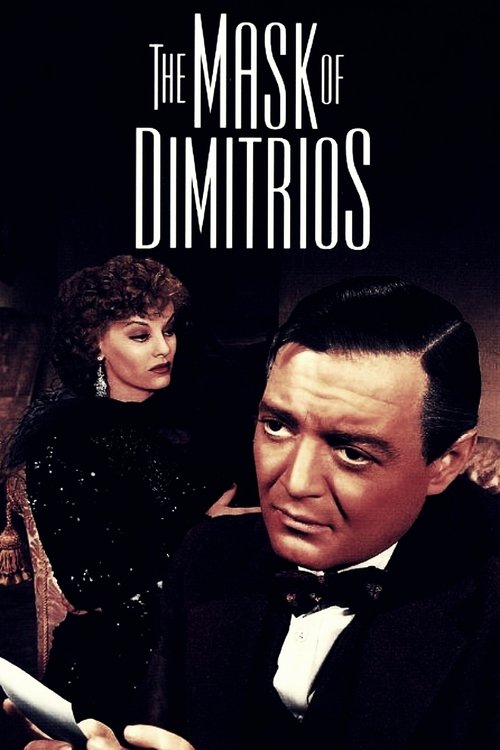
The Mask of Dimitrios1944
Peter Lorre investigating the life of a dead criminal across pre-war Europe. Espionage, intrigue, and a wonderfully atmospheric sense of danger lurking beneath ordinary surfaces.
But The pacing is deliberate and the plot meanders. It's more interested in mood than in delivering conventional thrills.
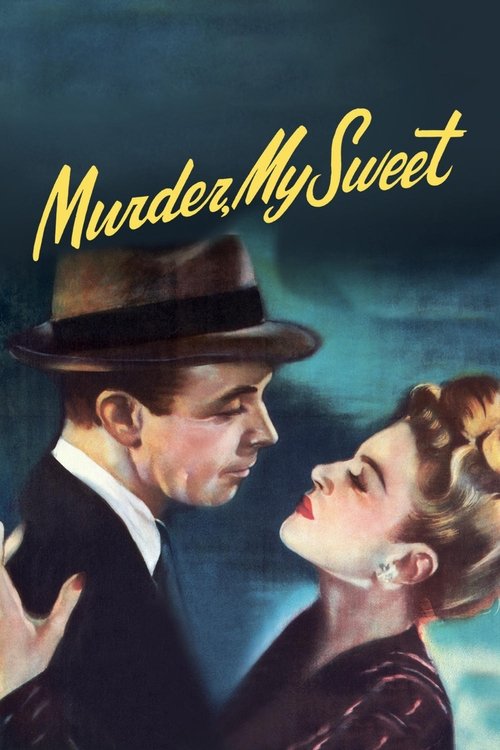
Murder, My Sweet1944
Dick Powell in a noir that's visually inventive and genuinely disorienting—a man caught in a web of lies and deception where nothing is what it seems. Cynical and stylish throughout.
But The convoluted plot requires active attention. Some sequences are deliberately dreamlike in a way that can feel indulgent.
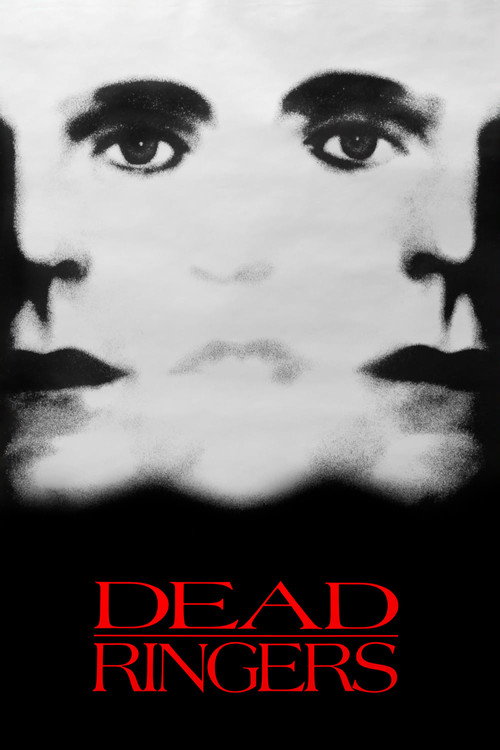
Dead Ringers1988
Both films are fascinated by the psychological games twins can play, and by how one person can masquerade as another. But where A Stolen Life is about longing and melodrama, Dead Ringers is about symbiosis, codependency, and the horror of losing your self in another person. It's the dark inversion.
David Cronenberg's film about identical twins—both gynecologists—whose symbiotic relationship curdles into something profoundly disturbing. Jeremy Irons gives one of cinema's great dual performances, playing men who are and aren't the same person.
But It's viscerally uncomfortable and deliberately grotesque. Cronenberg uses body horror and sexual dysfunction in ways that will actively repel some viewers. Not a comfortable watch.
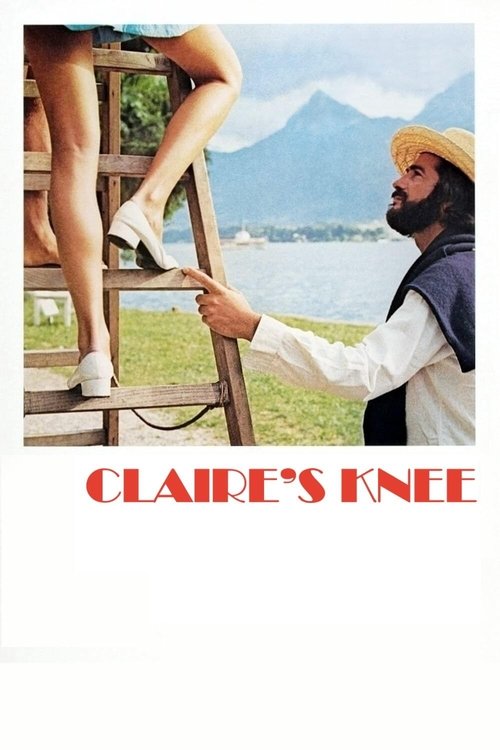
Claire's Knee1970
Like A Stolen Life, this is about a man who wants a woman not as she is but as she represents something else—another life, another version of himself, an escape. But Rohmer strips away melodrama entirely. There's no stolen identity, no twin, no wreckage. Just a man, a knee, and the terrible clarity of recognizing your own delusion.
Rohmer's deceptive miniature about a man on holiday who becomes obsessed with a young woman's knee—as an idea more than as a person. It sounds absurd (it is, a little) but it's a profound meditation on how desire distorts perception and turns people into symbols rather than beings.
But Nothing happens. It's entirely conversational and introspective, shot in long takes in summer sunlight. If you need plot momentum, you will hate this. French cinema at its most philosophical and least forgiving of impatient viewers.
People
Cast
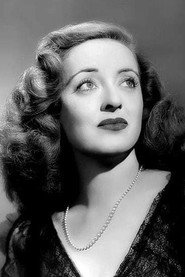 Bette DavisKate Bosworth / Patricia Bosworth
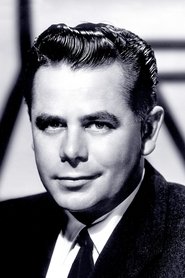 Glenn FordBill Emerson
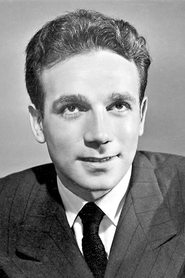 Dane ClarkKarnock
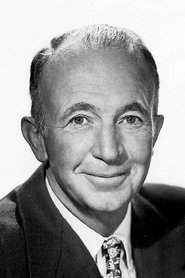 Walter BrennanEben Folger
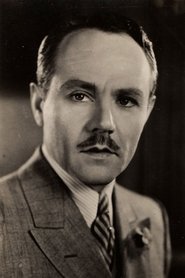 Charles RugglesFreddie Linley
 Bruce BennettJack R. Talbot
 Peggy KnudsenDiedre
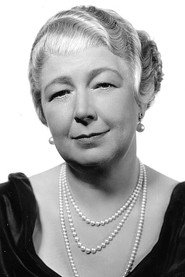 Esther DaleMrs. Johnson
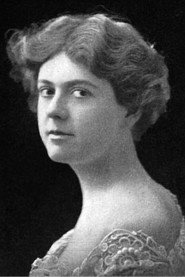 Clara BlandickMartha
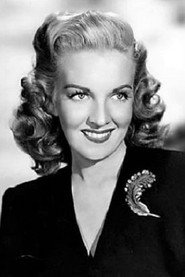 Joan WinfieldLucy
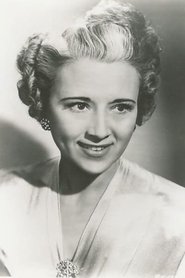 Bess FlowersDepartment Store Shopper (uncredited)
- Sue MooreMaid (uncredited)
Directing
- Jesse HibbsAssistant Director
- Curtis BernhardtDirector
Writing
- Margaret Buell WilderAdaptation
- Karel Josef BenešNovel
- Catherine TurneyScreenplay
Production
- Jack L. WarnerExecutive Producer
- Bette DavisProducer