
Film
Blue Steel
Other titles called Blue Steel: the 1990 film.
A 1934 Western where John Wayne plays a drifter caught in a frame-up, forced to partner with the suspicious sheriff to expose a corrupt land-grabber. It's breakneck and lean—54 minutes of pure plot, no padding—with Wayne still finding the character beneath the heroics. For anyone curious about Wayne before he became a monument, or who love Westerns that trust their audience to keep up.
If you liked this
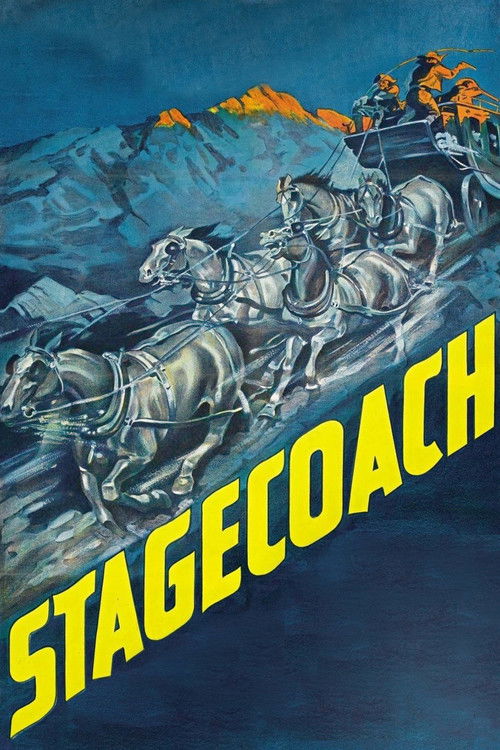
Stagecoach1939
Ford's masterpiece that made Wayne a star, with the same mix of moral ambiguity, ensemble tension, and flawless action. A quantum leap in filmmaking from Blue Steel, but built on the same foundations.
But It's measured and philosophical where Blue Steel is frantic. The pacing will feel slow to anyone who wants constant movement.
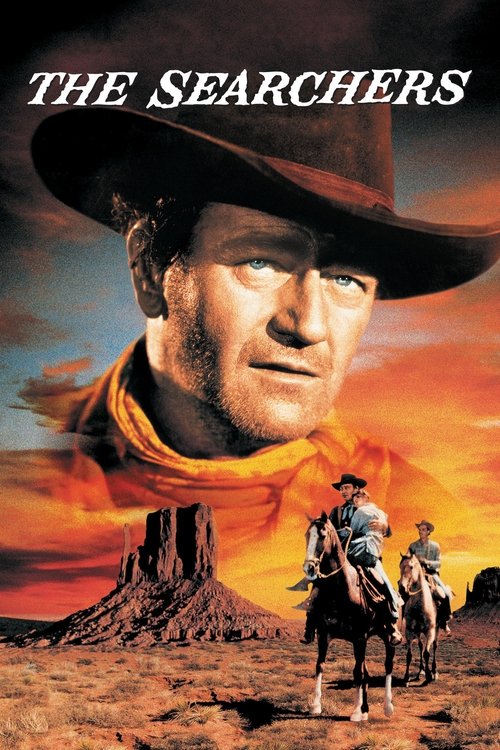
The Searchers1956
Wayne at his most complex, playing a man whose heroism is inseparable from his rage. Ford again, but this time the moral questions bite. Essential if you want to understand Wayne's range.
But It's bleak and uncomfortable in ways that contradict Wayne's myth. Some find that discomfort exhausting rather than enlightening.
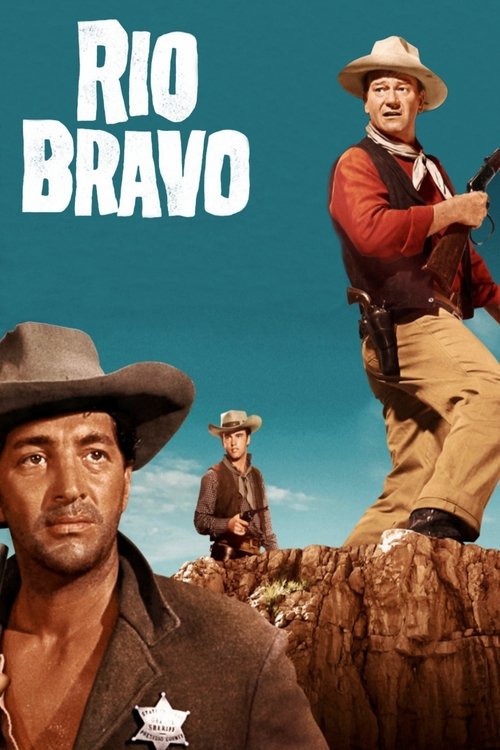
Rio Bravo1959
Hawks' answer to High Noon, with Wayne leading a ragged band against odds. Character-driven, funny, with action that earns its place. The Western as conversation interrupted by violence.
But It's 141 minutes and knows it. The dialogue scenes will test patience if you came for gunfights.
Not sure tonight? Get a pick in a minute, starting from Blue Steel
The wildcard
Something you would not have found on your own.
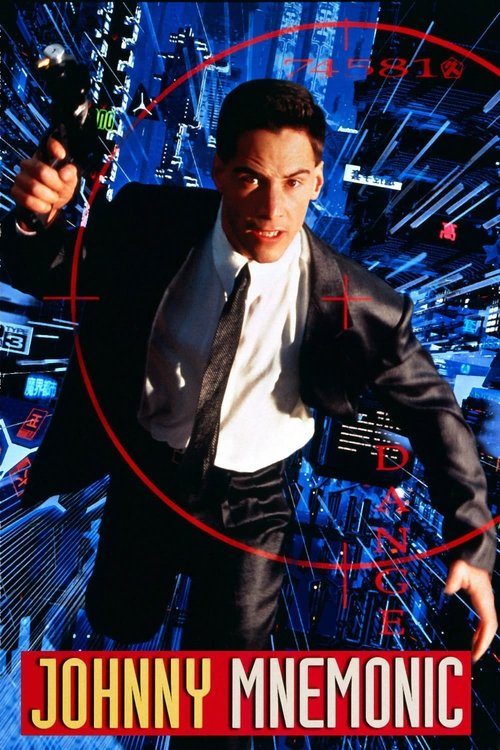
Johnny Mnemonic1995
Both are lean, plot-driven action films where a lone protagonist must prove their innocence by exposing a conspiracy. Both trust momentum over character development.
Robert Longo's cyberpunk fever dream with Keanu Reeves as a data courier hunted by corporate killers. It has Blue Steel's structure—a man on the run, falsely accused, forced into alliance with unlikely partners against a corrupt power—but transplanted into a neon dystopia. Same plot engine, completely different register.
But It's campy, digitally dated, and wildly uneven in tone. Longo has no control over his material and it shows.
More like this (8)
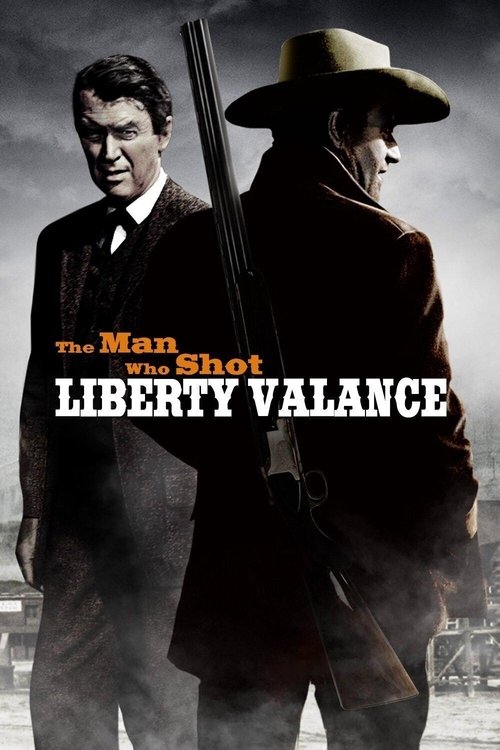
The Man Who Shot Liberty Valance1962
Ford's elegiac Western about myth-making versus truth, with Wayne opposite Jimmy Stewart. A meditation on the very legend Wayne helped create. Heartbreaking.
But It's in black and white, made late in Ford's life, and feels like a funeral. Some find it mournful rather than moving.
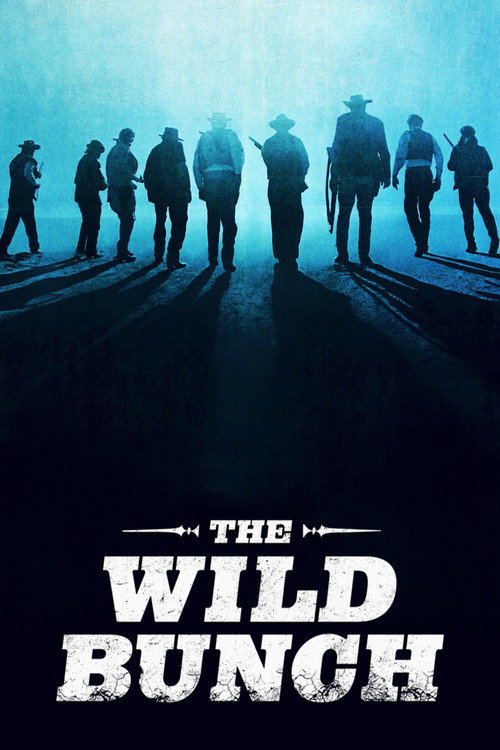
The Wild Bunch1969
Peckinpah's savage masterpiece about outlaws at the end of their era. It rewrote the Western's language and rules. Essential viewing for anyone serious about the form.
But It's brutally violent and has no interest in making violence look clean or noble. The aging heroes don't ride off into the sunset.
Johnny Guitar1954
Otto Lang's strange, operatic Western where Joan Crawford leads and Johnny Guitar (Sterling Hayden) is secondary. A woman's Western, psychologically acute, visually wild. Nothing else quite like it.
But It abandons Western logic for dreamlike symbolism. If you want coherent plot, this will frustrate you.

The Ballad of Little Jo1993
Maggie Greenwald's revisionist Western about a woman passing as a man in the frontier. Quietly radical, beautifully shot, anchored by Suzy Amis's performance. Shows how much the form had learned to question itself.
But It's deliberately unglamorous and moves at a contemplative pace. It won't scratch an action itch.

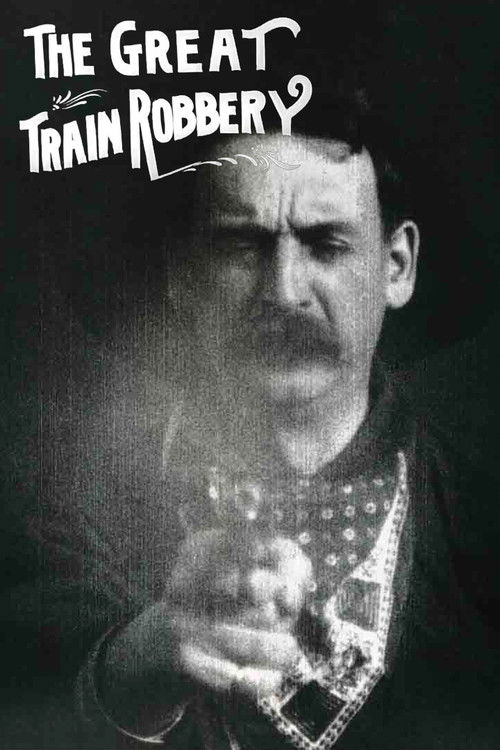
The Great Train Robbery1903
Edwin S. Porter's 1903 film—the ancestor of everything. Ten minutes that invented the Western and cinema language itself. Shocking how much it still moves.
But It's 1903. There's no dialogue, the image quality is archival, and it will feel like looking through a window into another world. Some find that distance alienating.
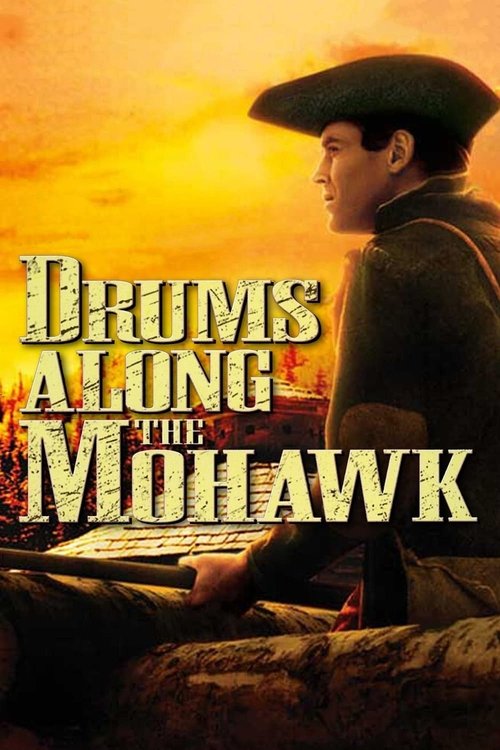
Drums Along the Mohawk1939
Ford again, but this time a frontier romance and action film in color, with Henry Fonda and Claudette Colbert. Joyous and alive in ways that show Ford's range beyond myth-making.
But It's Technicolor Americana, and its vision of frontier life as essentially picturesque reads as naive now. The political innocence will grate.
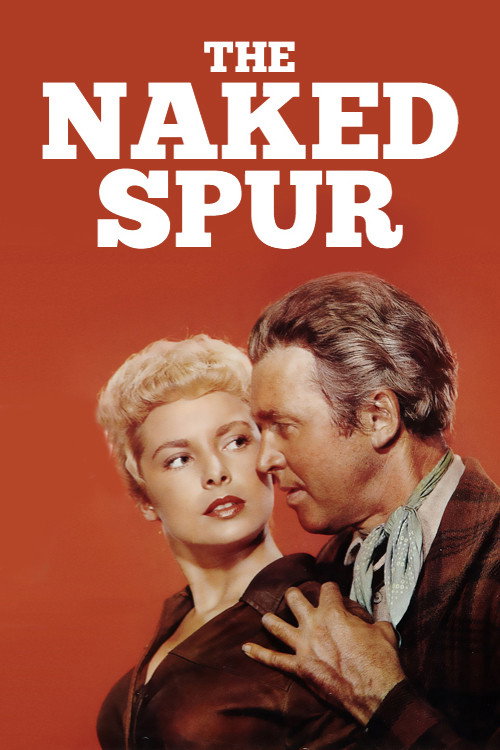
The Naked Spur1953
Both question whether a man falsely accused can ever truly clear his name, and both suggest that survival might matter more than proof.
Anthony Mann's psychologically acute Western where James Stewart plays a bounty hunter whose moral compromise deepens with every mile. It has Blue Steel's moral ambiguity—who is guilty, who can be trusted—but extends it into genuine tragedy. More intimate than Blue Steel, more aware of the damage men do to each other.
But It's grim and claustrophobic despite the landscape. There's no release, no easy vindication. If you want catharsis, this won't provide it.
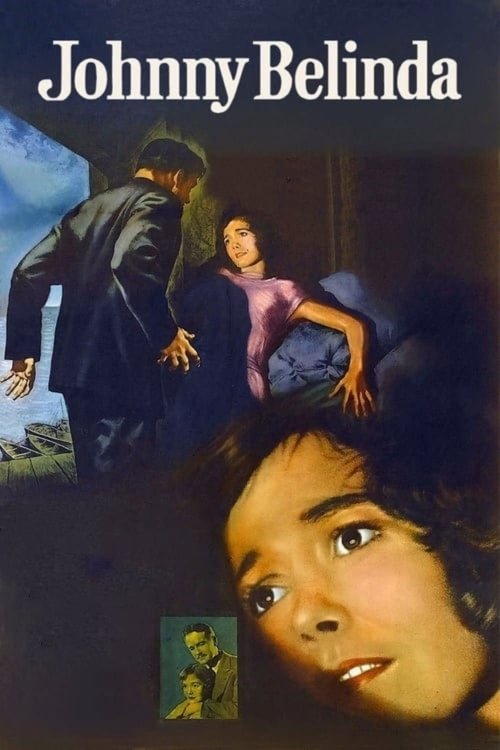
Johnny Belinda1948
Both are about innocence destroyed by circumstance and community prejudice. Both suggest that being right isn't enough to save you.
Jean Negulesco's melodrama with Jane Wyman as a deaf-mute woman falsely accused of infanticide in a small coastal town. It borrows Blue Steel's plot—false accusation, community suspicion, need to prove innocence—but strips away the Western machinery to focus on how a community destroys an outsider. Devastating and completely unexpected.
But It's a woman's picture from 1948, and some of its assumptions about female victimhood feel dated. The sentiment can curdle into pity.
People
Cast
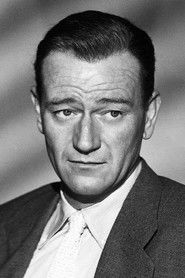 John WayneJohn Carruthers
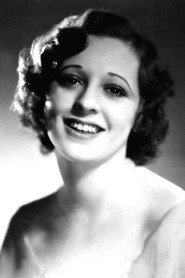 Eleanor HuntBetty Mason
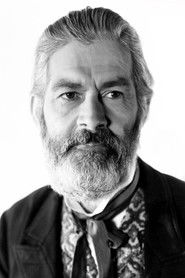 George 'Gabby' HayesSheriff Jake Withers
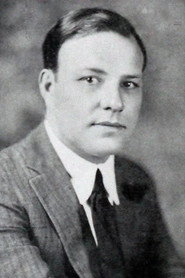 Edward Peil Sr.Malgrove
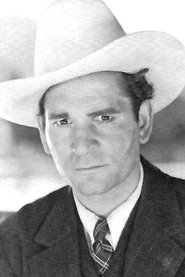 Yakima CanuttDanti, the Polka Dot Bandit
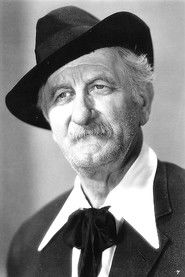 Lafe McKeeDan Mason
 George ClevelandHank - Innkeeper
 Earl DwireHenchman
 George NashBridegroom
 Hank BellStage Driver
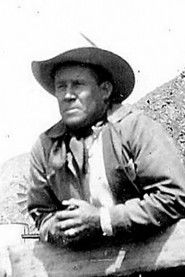 Artie OrtegoHenchman
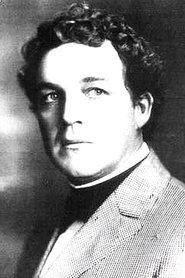 Horace B. CarpenterTownsman
Directing
- Robert N. BradburyDirector
Writing
- Robert N. BradburyScreenplay
- Robert N. BradburyStory
Production
- Paul MalvernProducer