
Film
For a Few Dollars More
Sergio Leone's sequel to A Fistful of Dollars turns the lone gunslinger movie into a duel between two professionals — Eastwood's taciturn Manco and Lee Van Cleef's coldly formal Colonel Mortimer — both hunting the same psychotic bandit for the same bounty. It's operatic, patient, and gorgeously mean, with Morricone's score doing half the acting. Essential if you like your westerns slow-burning and your showdowns to feel like chess.
If you liked this
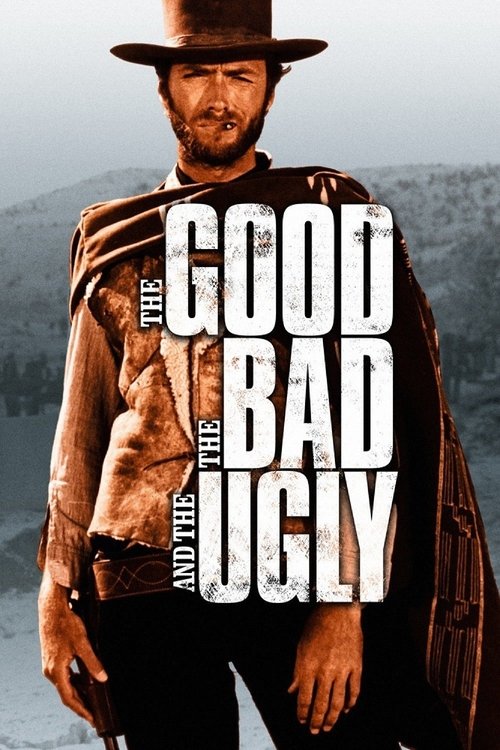
The Good, the Bad and the Ugly1966
Leone's next film takes everything that worked here — the three-way tension, the extended silences, the music as narrative device — and pushes it further into myth. Bigger, funnier, and somehow even more patient.
But Nearly three hours long, and the plot meanders more than a tighter story would allow.
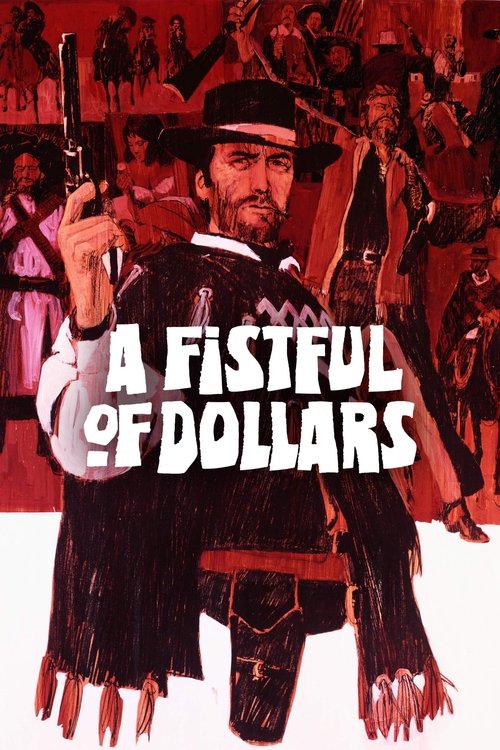
A Fistful of Dollars1964
The film that started it, rougher and cheaper than the sequel but with the same Eastwood squint already fully formed. Watch it for the DNA before the sequel refined it.
But Thinner plot and lower budget make the follow-up feel like the finished version of this idea.
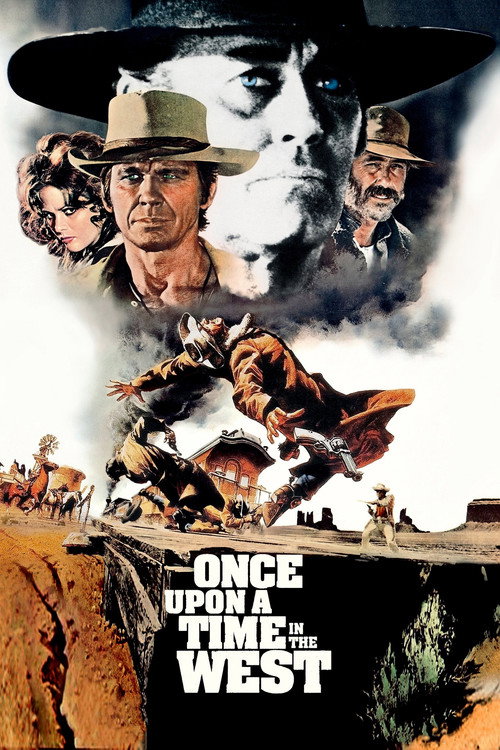
Once Upon a Time in the West1968
Leone abandons pulp entirely for elegy — this is the western as funeral for itself, with Henry Fonda cast brilliantly against type as pure menace.
But Glacially slow by design; if you wanted more of Manco's quick wit, this mood is entirely different.
The wildcard
Something you would not have found on your own.
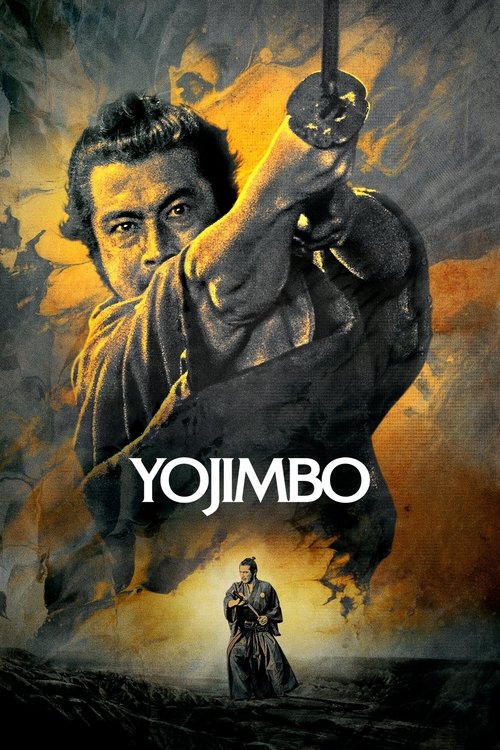
Yojimbo1961
Leone's screenplay for A Fistful of Dollars was such a direct lift from Yojimbo that it led to a lawsuit — the entire lone-mercenary-plays-both-sides structure originates here, in a different country and a different weapon entirely.
Kurosawa's samurai film about a wandering ronin who plays two rival gangs against each other is the actual blueprint Leone borrowed from — so closely that Kurosawa sued him. Toshiro Mifune is doing Eastwood before Eastwood did.
But Subtitled, in black and white, and made four years earlier — some viewers find the pace and formality of 1960s Japanese cinema a harder entry point.
More like this (8)
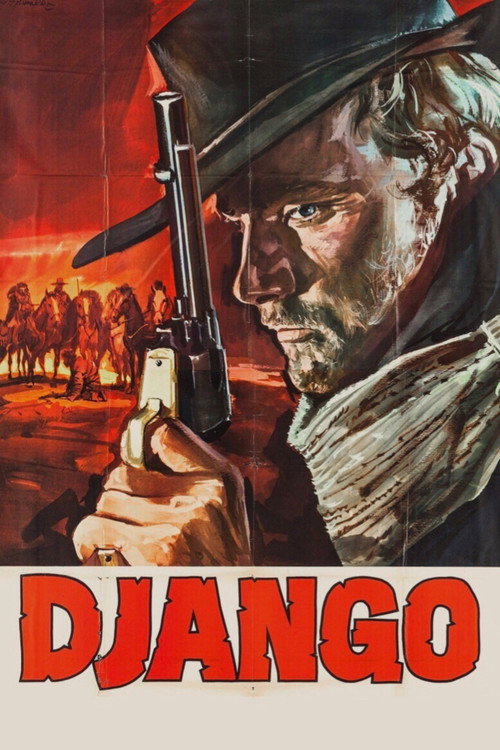
Django1966
The trashier, bloodier cousin of the genre — a man drags a coffin through the mud and things get gleefully, absurdly violent. Pure spaghetti-western id.
But Cruder filmmaking and a much sillier plot; don't expect Leone's craft or restraint.
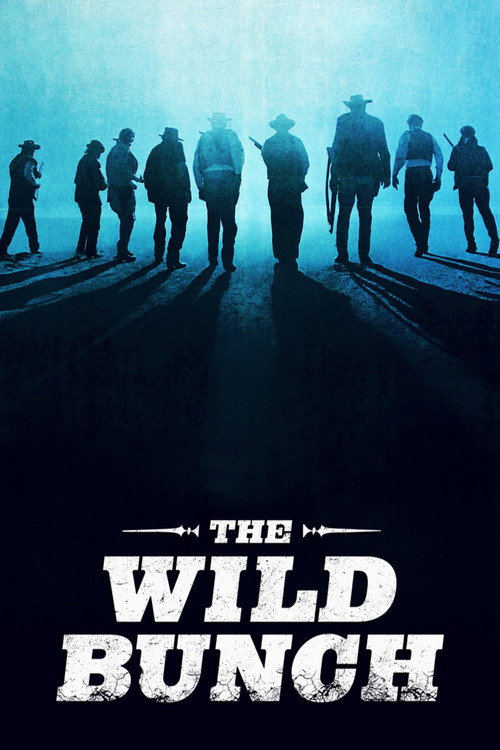
The Wild Bunch1969
Peckinpah's answer to the genre — aging outlaws, slow-motion carnage, and a genuine mourning for a world ending. The violence here has consequences that linger.
But Considerably bleaker and more brutal, with none of Leone's dry humor to cut the tension.
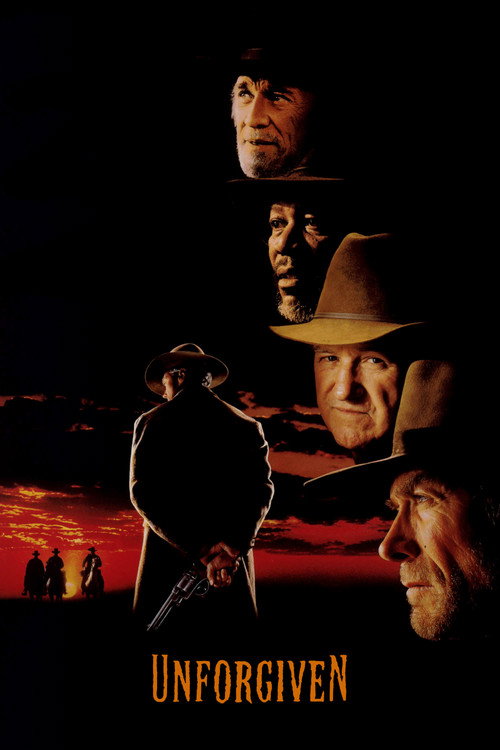
Unforgiven1992
Eastwood himself, decades later, dismantling the myth he helped build. A tired, guilty old gunfighter instead of a cool one — essential companion viewing.
But Deliberately anti-glamorous; if you want more swagger, this film is actively working against that.
High Plains Drifter1973no page yet
Eastwood directing himself as a nameless avenger with supernatural overtones — stranger, meaner, and more openly allegorical than the Dollars trilogy.
But Odder and more ambiguous in tone; some find its moral logic murky rather than mysterious.
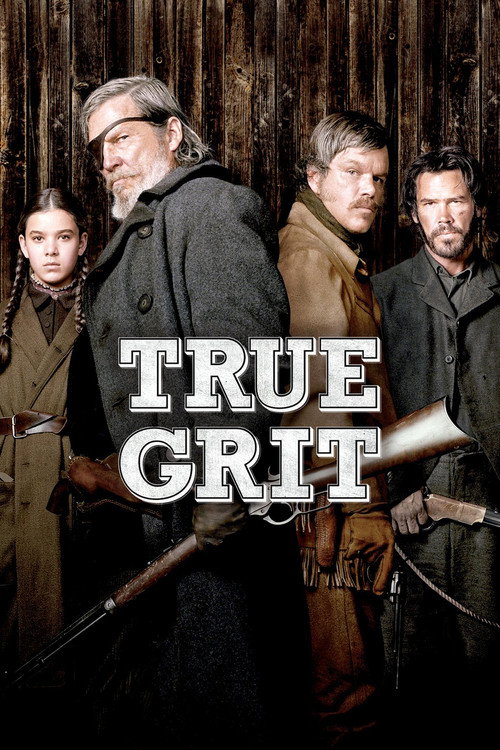
True Grit2010
The Coens' take on bounty and revenge, funnier and more precise in its dialogue than most westerns dare to be, with Jeff Bridges doing career-best gruffness.
But Narrated by a teenage girl with a very different sensibility — warmer and less operatic than Leone.
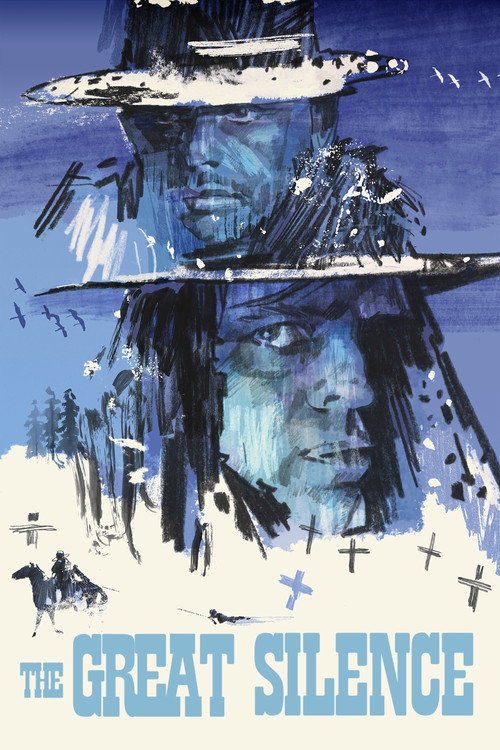
The Great Silence1968
A snowbound, near-unbearably bleak spaghetti western that ends how few westerns dare to. Klaus Kinski shows up again, even nastier than here.
But Deeply pessimistic ending and grim tone throughout; not one for a light evening.
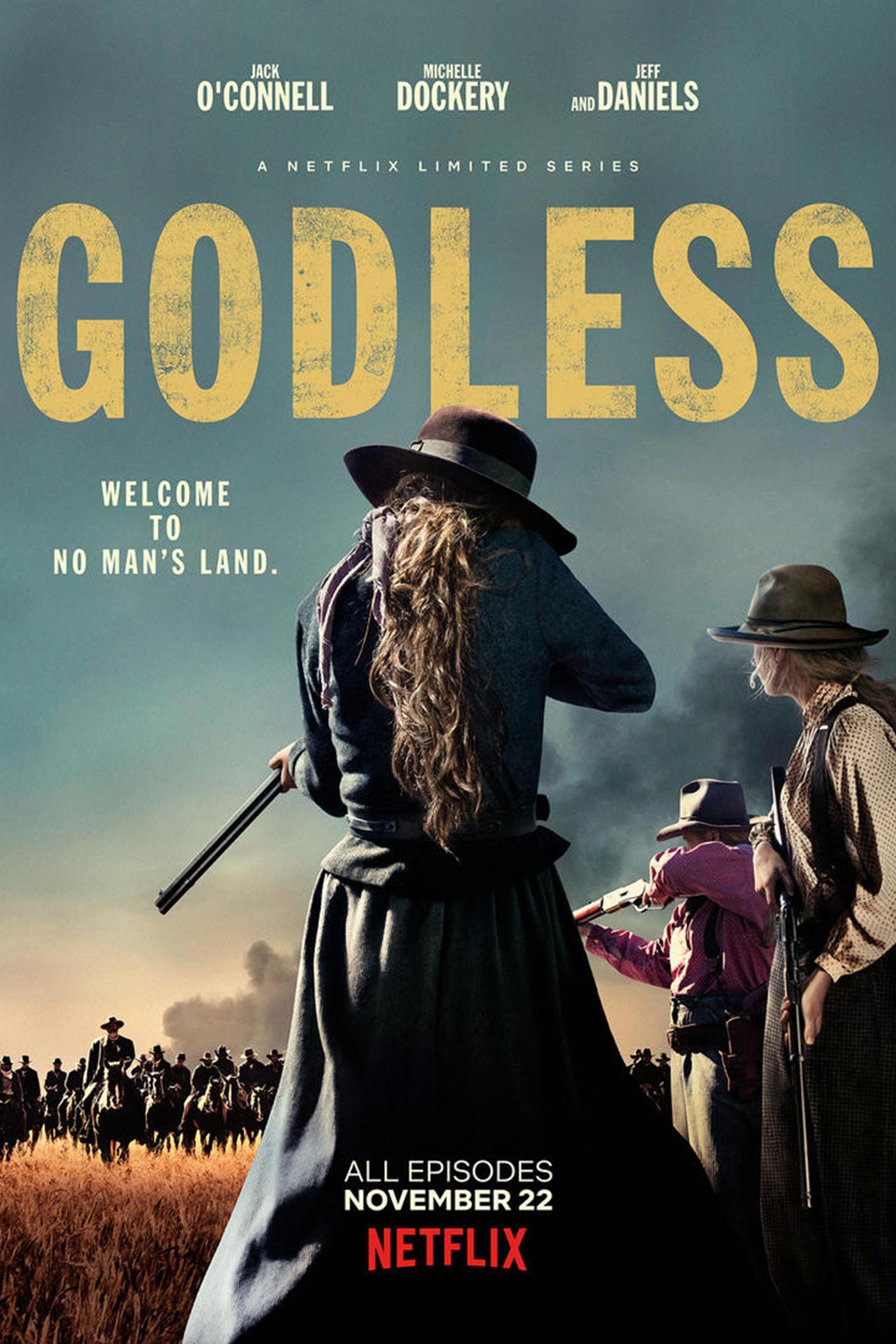
Godless2017
Same silence, same landscape as moral weight, same sense that violence is inevitable — but told across hours instead of minutes, letting tension accumulate rather than detonate.
A seven-episode Netflix miniseries that takes the same patient, sun-scorched western mood and stretches it into serialized form, with a town run entirely by women waiting for a violent reckoning.
But Slower even than Leone's slowest stretches, and the extended runtime asks for real patience across multiple sittings.
Dog the Bounty Hunter2004no page yet
Strip away the operatic score and the moral ambiguity and you're left with the actual job Manco and Mortimer are doing — paperwork, chasing debtors, collecting money for capturing people. This is that job, unglamorized and absurd.
A real-life bounty hunting reality show, mullet and all — this is the profession Eastwood mythologizes, minus the poncho, the music, and any pretense of cool. It's messier, funnier, and weirdly sincere.
But Genuinely trashy reality television with none of the craft, moral seriousness, or visual poetry of a Leone film.
People
Cast
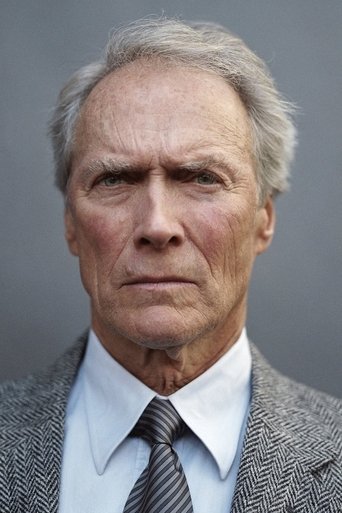 Clint EastwoodManco
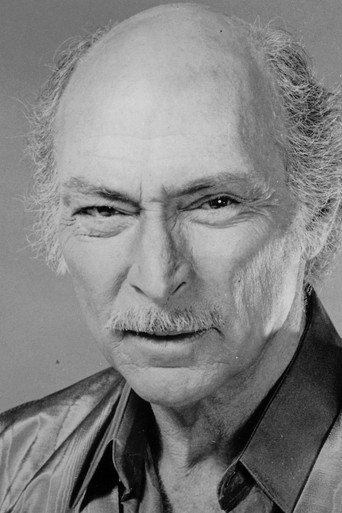 Lee Van CleefCol. Douglas Mortimer
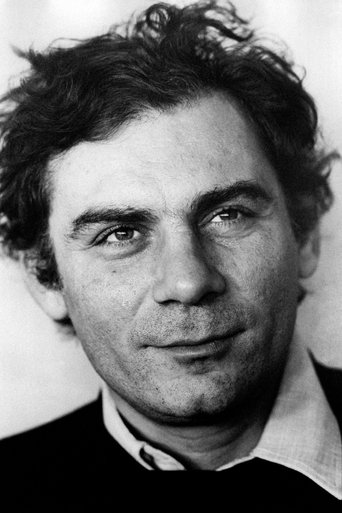 Gian Maria VolontéEl Indio
- Mara KruppMary
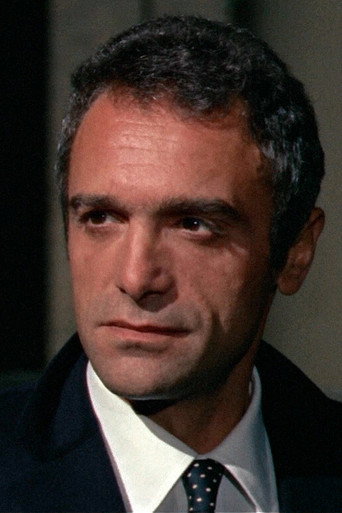 Luigi PistilliGroggy, Member of Indio's Gang
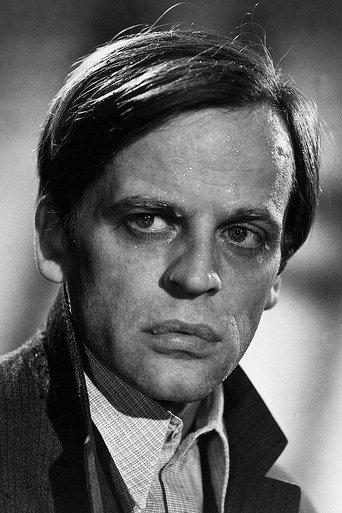 Klaus KinskiJuan Wild - The Hunchback
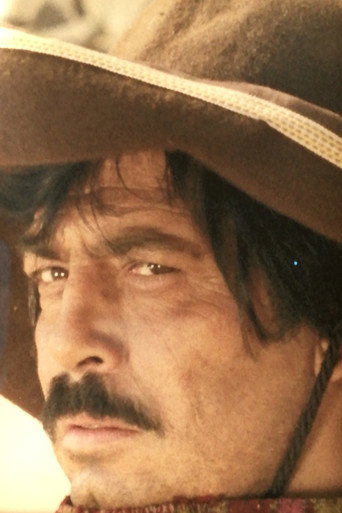 Luis RodríguezManuel, Member of Indio's Gang
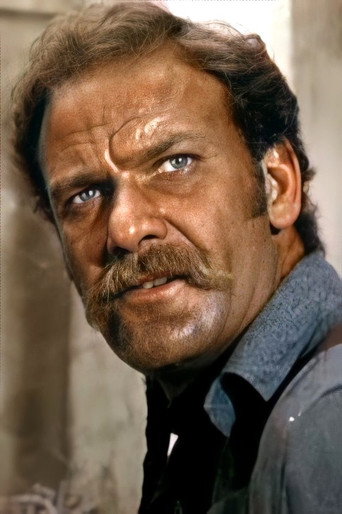 Benito StefanelliLuke 'Hughie'
- Panos PapadopulosSancho Perez, Member of Indio's Gang
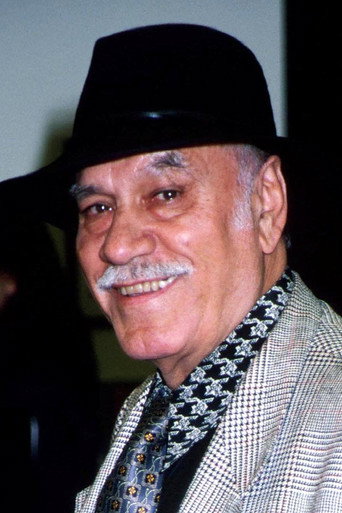 Aldo SambrellCuchillo
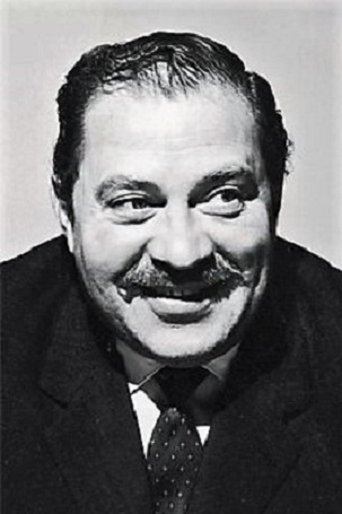 Roberto CamardielTucumcari Station Clerk
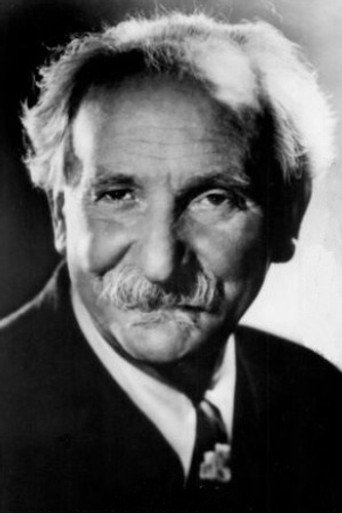 Joseph EggerOld Prophet
Directing
- Fernando Di LeoAssistant Director
- Julio SempereAssistant Director
- Tonino ValeriiAssistant Director
- Maria Luisa RosenContinuity
- Sergio LeoneDirector
- Mariano CanalesScript Supervisor
- Julio OrtasSecond Unit Director
Writing
- Enzo Dell'AquilaOriginal Concept
- Luciano VincenzoniScreenplay
- Sergio LeoneScreenplay
- Fulvio MorsellaStory
- Sergio LeoneStory
Production
- José SánchezAssistant Production Manager
- Alfredo FraileExecutive Producer
- Luis BeltránLocal Casting
- Alberto GrimaldiProducer
- Arturo GonzálezProducer
- Ottavio OppoProduction Manager
- Antonio PalombiProduction Secretary
- Fernando RossiProduction Supervisor
- Manuel CastedoProduction Supervisor
- Norberto SoliñoProduction Supervisor
Recommended by
A Fistful of Dollars, Once Upon a Time in the West, The Good, the Bad and the Ugly, Django