
Film
The Deadly Companions
A 1961 Western about guilt and redemption: an ex-soldier accidentally shoots a widow's young son and commits to protecting her and the coffin through hostile Apache country. It's deliberate and elegiac rather than action-packed, built on the tension between the officer's need to atone and the widow's quiet grief. For viewers who want their Westerns strange and emotional.
If you liked this
Johnny Guitar1954
A Western that prioritizes character and psychology over gunfights, built on an unlikely female partnership and moral complexity. If you appreciate Westerns that interrogate rather than celebrate their own mythology, this is essential.
But The pacing is deliberate to the point of glacial, and the film's theatrical stylization feels utterly alien to what most people expect from the genre.

The Ballad of Little Jo1993
A quiet, introspective Western about survival and identity, anchored by Suzy Amis as a woman forced to live as a man. It shares The Deadly Companions' interest in grief, isolation, and the cost of frontier life on the soul.
But Narratively it's spare to the point of austerity. There are long stretches with minimal dialogue or plot development.

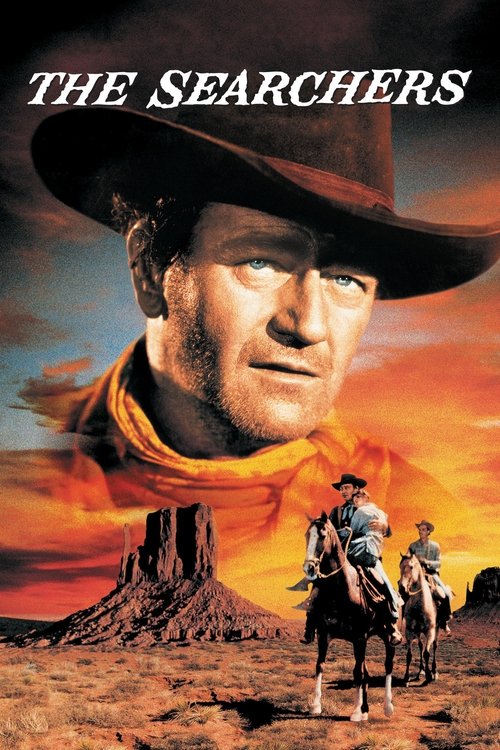
The Searchers1956
John Ford's masterpiece about obsession and moral compromise wrapped in a search narrative. It explores how trauma and guilt can consume a person, much like the central dynamic of The Deadly Companions.
But Wayne's character is racist and violent in ways that can feel uncomfortable, and Ford doesn't always interrogate it as directly as modern viewers might want.
Not sure tonight? Get a pick in a minute, starting from The Deadly Companions
The wildcard
Something you would not have found on your own.
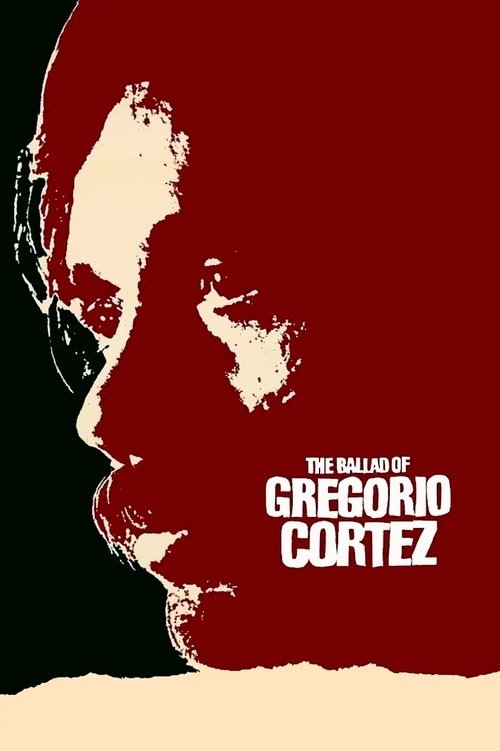
The Ballad of Gregorio Cortez1983
Both are Westerns that treat their narratives like ballads—stories that move you through space while exploring moral complexity and cultural displacement.
A ballad-like Western about a Mexican American man wrongly accused, moving through landscape and community with the inevitability of myth. It's filmed with the same elegiac restraint as The Deadly Companions, focusing on dignity and the weight of misunderstanding.
But Narratively it's circular rather than propulsive, and the emotional resolution comes through acceptance rather than action.
More like this (7)
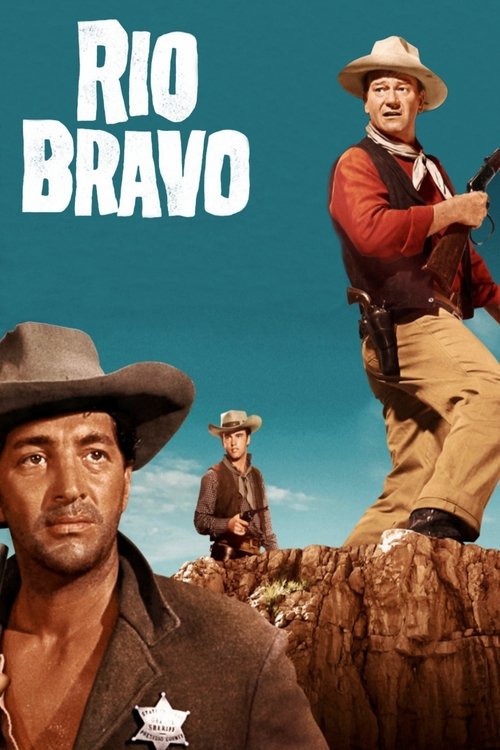
Rio Bravo1959
A Western about obligation, loyalty, and holding ground under pressure. Hawks' film shares The Deadly Companions' focus on character interaction over spectacle, with genuine tenderness between its leads.
But It's leisurely and conversational—essentially a siege film where very little happens for stretches at a time.
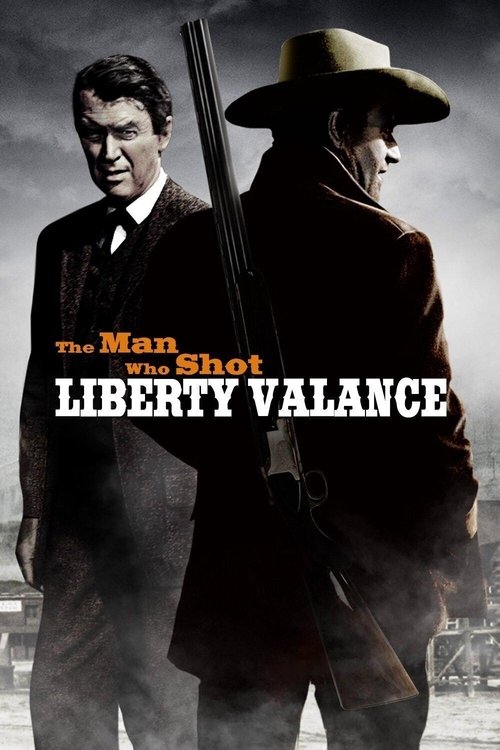
The Man Who Shot Liberty Valance1962
Ford's meditation on myth-making and the gap between legend and truth. Like The Deadly Companions, it's a Western skeptical of Western heroism, built on quiet scenes of reckoning and regret.
But The black-and-white cinematography is deliberately flat, and there's a real sense of loss and aging that can feel melancholic rather than entertaining.
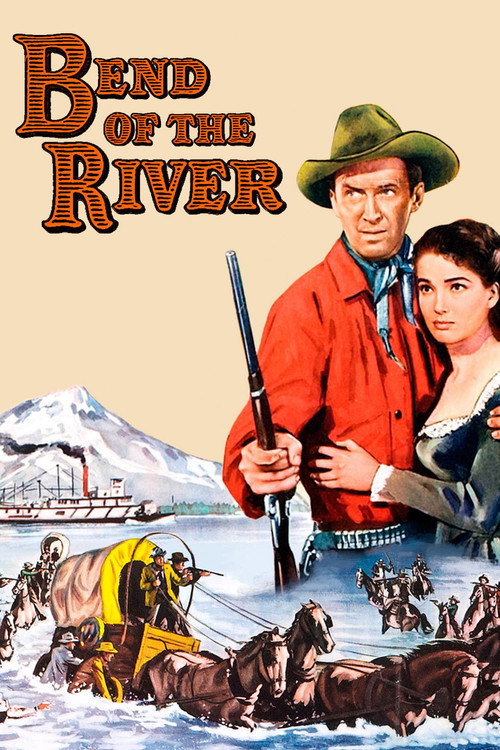
Bend of the River1952
Anthony Mann's frontier film about redemption and trust, with a protagonist trying to outrun his criminal past. The emotional core—can someone be forgiven?—directly mirrors The Deadly Companions.
But It's less interested in grand action set pieces than in psychological tension, which some viewers find slow.
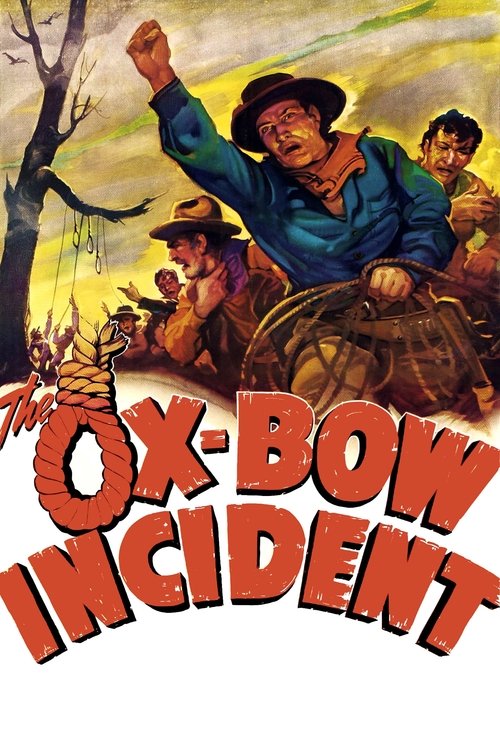
The Ox-Bow Incident1943
A Western about mob justice and the weight of guilt, shot in austere black-and-white. It shares The Deadly Companions' interest in moral consequence and the failure of honor codes.
But It's bleak and anti-heroic, with an ending that offers no catharsis or redemption—just reckoning.
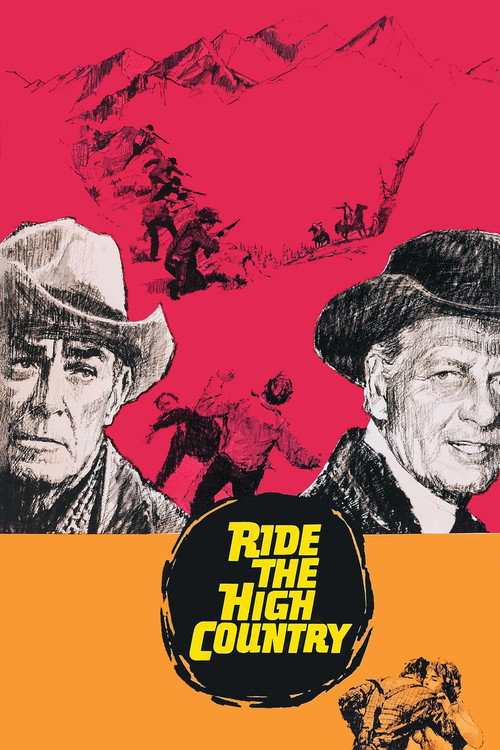
Ride the High Country1962
Joel McCrea and Randolph Scott as aging lawmen confronting mortality and the changing West. It has The Deadly Companions' elegiac tone and its concern with aging men trying to do right by their codes.
But The plot mechanics can feel thin, and the film's understanding of how the West changed is sometimes simplistic.
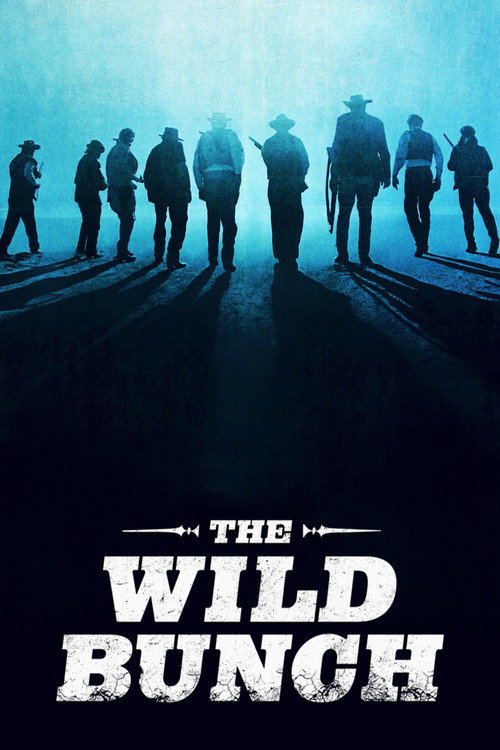
The Wild Bunch1969
Peckinpah's elegy for the outlaw West, built on aging men facing obsolescence and the moral costs of violence. Its meditation on loyalty, aging, and guilt echoes The Deadly Companions' deeper concerns.
But The graphic violence is central to its meaning, which can feel exploitative if you're not aligned with what Peckinpah is trying to say.
Stalker1979
Both films understand their narrative as a journey through dangerous space in which the real action is internal—the characters' reckoning with faith, obligation, and what redemption might mean.
Tarkovsky's science-fiction odyssey about a guide leading two men through a mysterious zone toward a room said to grant wishes. Structurally and emotionally it's a journey film about obligation and faith, shot with Tarkovsky's meditative precision—visual language entirely unlike The Deadly Companions but investigating identical emotional terrain.
But It's 163 minutes of philosophical science fiction with minimal plot. If you need narrative momentum or conventional drama, this will exhaust you.

People
Cast
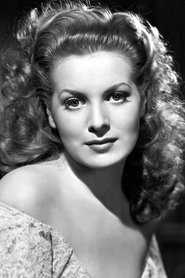 Maureen O'HaraKit Tilden
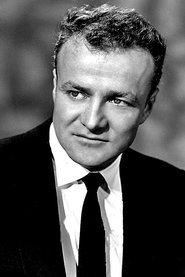 Brian KeithYellowleg
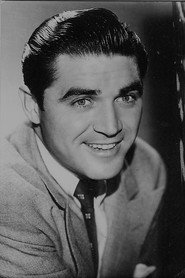 Steve CochranBilly Keplinger
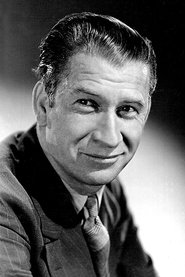 Chill WillsTurk
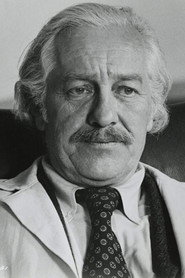 Strother MartinParson
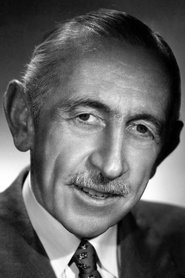 Will WrightDoctor Acton
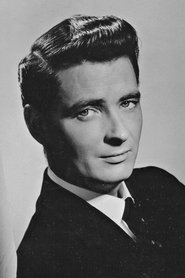 James O'HaraCal, General Store
- Peter O'CrottyMayor of Hila City
- Billy VaughanMead Tildon Jr.
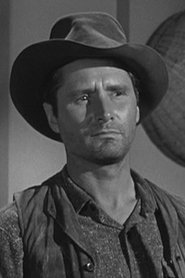 Chuck HaywardCard Sharp (uncredited)
- Hank GobbleBartender (uncredited)
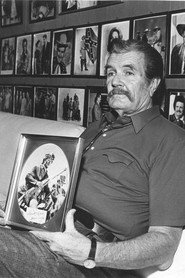 Big John HamiltonGambler (uncredited)
Directing
- Lee LukatherAssistant Director
- Sam PeckinpahDirector
- Dixie McCoyScript Supervisor
Writing
- Albert Sidney FleischmanNovel
- Albert Sidney FleischmanScreenplay
Production
- Charles B. FitzsimonsProducer
- Lee LukatherProduction Manager