
Film
Valdez Is Coming
A lean 1971 Western about a Mexican-American sheriff pushed past his breaking point. Burt Lancaster plays Valdez, a man of principle trapped between his conscience and his dignity, forced into a reckoning when power and greed override the law. It's a revenge tale with moral weight—tense, smartly paced, and genuinely angry about systemic injustice.
If you liked this
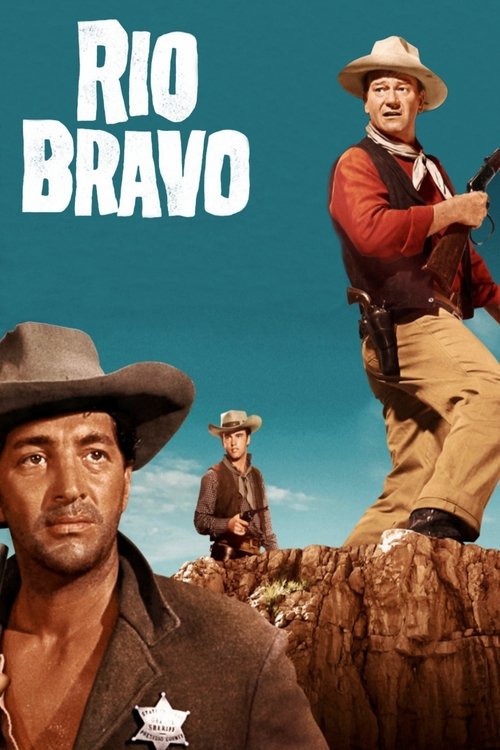
Rio Bravo1959
Hawks' masterpiece about a sheriff holding the line against impossible odds. Lancaster's quiet competence here echoes Wayne's principled stand—both men bearing the weight of upholding what's right when the system has abandoned them.
But It's three hours and deliberately unhurried. The pacing is glacial by modern standards, and you have to surrender to its rhythm.
The Ballad of Little Jo1993
A revisionist Western about survival and identity on the frontier, with similar themes of an outsider standing against entrenched power. Both films treat the West as a place where official justice fails and individuals must act.
But It's quieter and more contemplative than you might expect, with a deliberate slowness that some find precious rather than powerful.

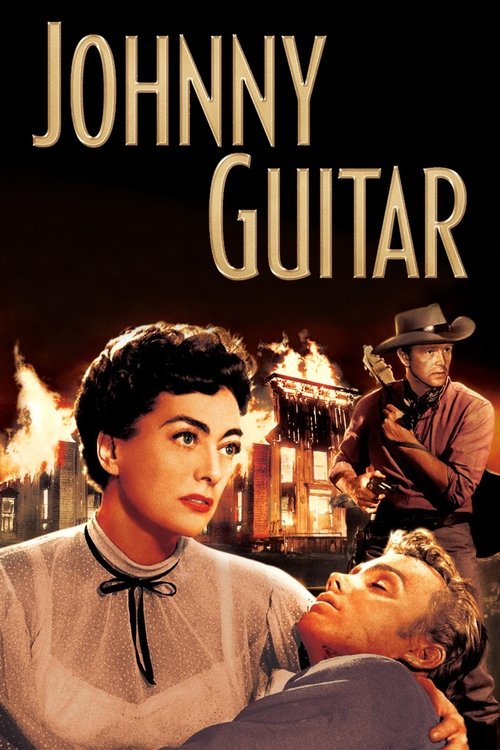
Johnny Guitar1954
Ray's strange, operatic Western where a woman runs a saloon and fights for her land. Like Valdez, it's about standing against a mob mentality and refusing to be pushed off what's yours, but it comes from a wholly different emotional register.
But The genre conventions are bent so far they nearly snap. It's campy in ways that distract from the genuine stakes.
Not sure tonight? Get a pick in a minute, starting from Valdez Is Coming
The wildcard
Something you would not have found on your own.
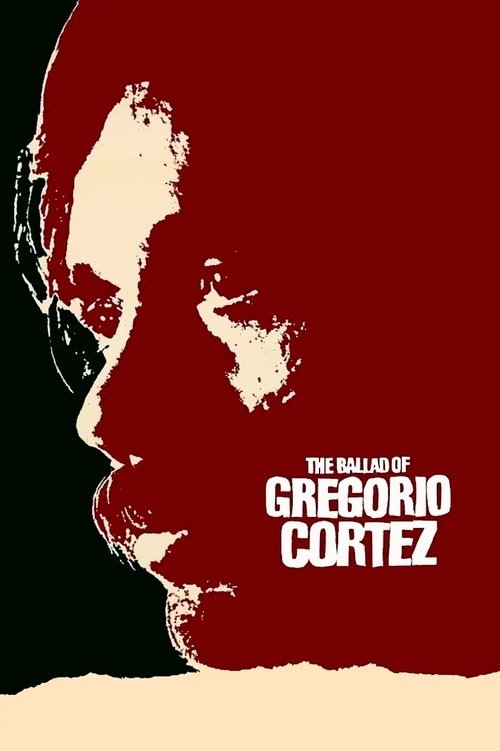
The Ballad of Gregorio Cortez1983
Both center a Mexican-American protagonist whose dignity is destroyed by a white-run system, forcing him into violence as the only language left to him. Gregorio Cortez is the real-world echo of Valdez's righteous anger.
A Texas-Mexican cowboy becomes a fugitive after shooting a sheriff in self-defense, and is hunted while trying to prove his innocence. It's a true story of a man victimized by racism and a legal system that was never built to protect him—the same fury that powers Valdez, but grounded in actual history and told with documentary precision.
But It's a deliberately unglamorous, low-budget film that prioritizes authenticity over drama. The pace is measured, almost austere, and some will find it slow.
More like this (8)
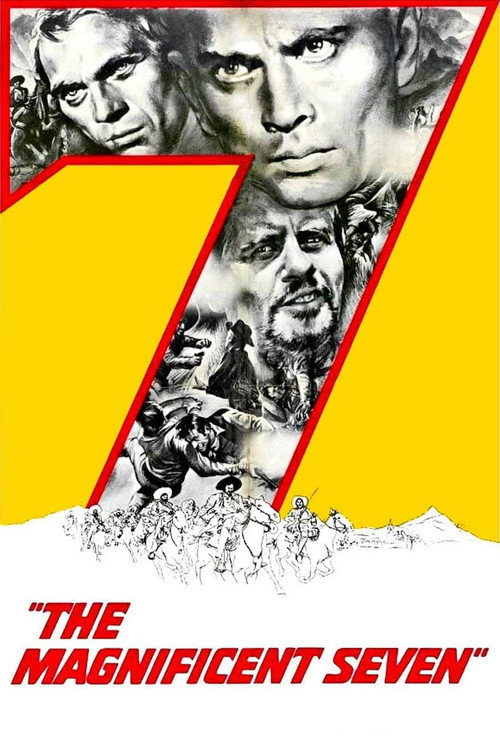
The Magnificent Seven1960
Seven gunfighters hired to protect a village from bandits. It shares Valdez's DNA—good men forced into violence to defend the powerless—but with more swagger and ensemble camaraderie than Valdez's lonely crusade.
But It's a Hollywood product first, with heroism that feels safer and more comfortable than Valdez's actual anger.
The Killing1956
Kubrick's noir masterpiece about a racetrack heist that unravels through fractured chronology. Both films are taut, efficiently told revenge stories about men undone by greed and pride, though this one plays in a modern criminal underworld instead of the desert.
But The non-linear structure is disorienting on first viewing, and it takes real attention to piece together. Some people find that annoying rather than clever.

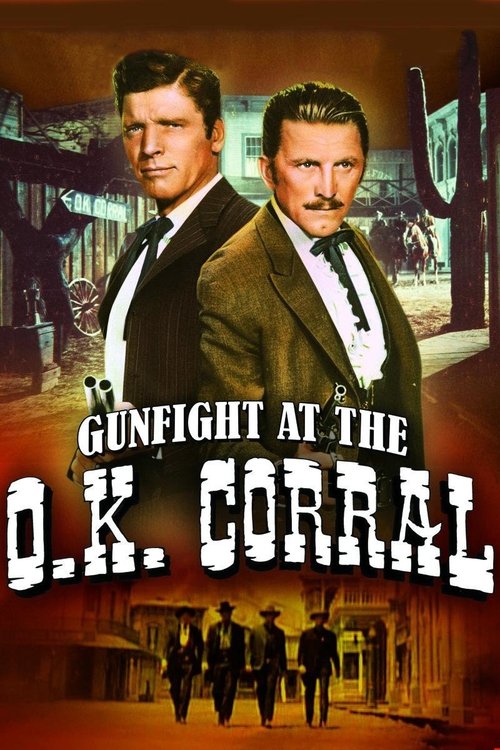
Gunfight at the O.K. Corral1957
Sturges' account of Wyatt Earp and Doc Holliday standing against impossible odds. Both films explore the cost of standing firm, with characters who believe the line must be held even when the deck is stacked against them.
But It's a studio Western, which means there's more glamour and less grit than Valdez offers. The heroism is more polished.
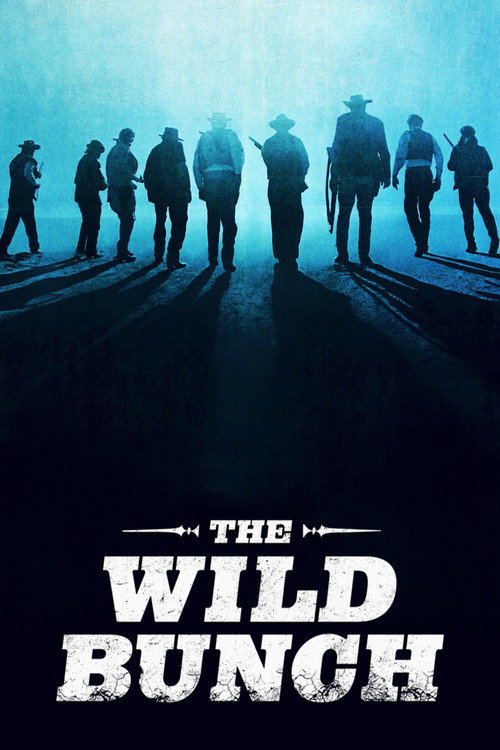
The Wild Bunch1969
Peckinpah's elegy for the frontier, two years before Valdez. Both films are elegies for aging men confronting a world that no longer values their code. The violence here is more baroque, but the underlying sadness is cut from the same cloth.
But It's nearly two and a half hours of slow-burn dread punctuated by brutal violence. The pacing demands patience that some viewers won't give it.
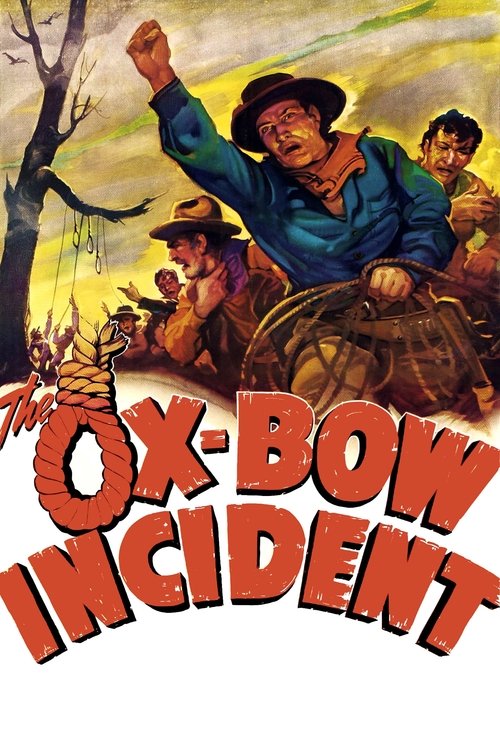
The Ox-Bow Incident1943
A lynch mob forms to hang three suspected rustlers, and a few men try to stop them. Like Valdez, it's about one person's conscience standing against mob justice and institutional failure, with real moral stakes and no easy answers.
But It's bleak and didactic, almost a morality play. Some find it heavy-handed in its messaging about justice and mob hysteria.
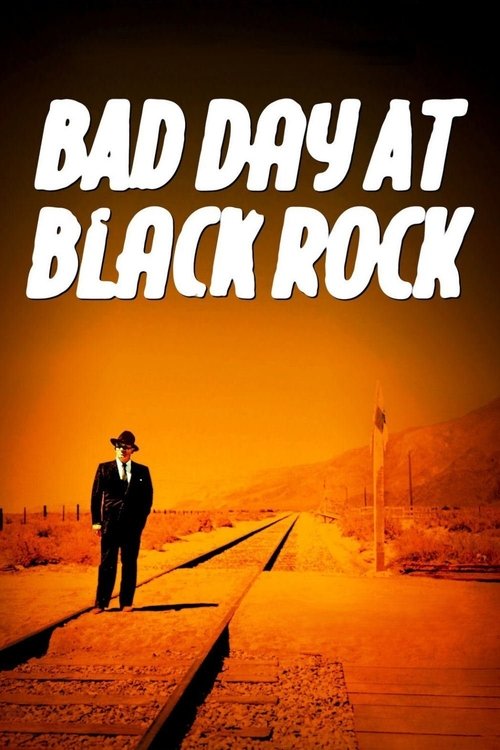
Bad Day at Black Rock1955
Spencer Tracy arrives at a desert town harboring a terrible secret, and one man stands against the whole community. It's economical, tense, and built on the same backbone as Valdez—a good man versus systemic corruption and cowardice.
But The setting is claustrophobic and the tone relentless. There's no relief, and that unbroken pressure exhausts some viewers.
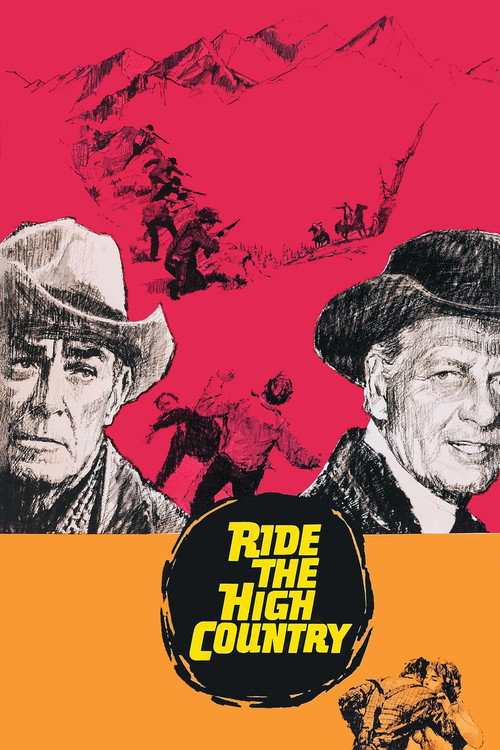
Ride the High Country1962
Both are elegies for aging men watching their version of justice become obsolete, forced to act outside the law because the law itself has failed. But where Valdez rages, this one grieves.
Two aging lawmen escort a gold shipment through rough terrain and must decide what honor actually means when the rules are arbitrary. It's a quieter, more philosophical Western about old men caught between their code and a world that's leaving them behind—the same meditation as Valdez, but gentler and more elegiac.
But It's deliberately nostalgic and sentimental in places, with a reverence for the frontier myth that Valdez actively dismantles. The tone is melancholy rather than angry.
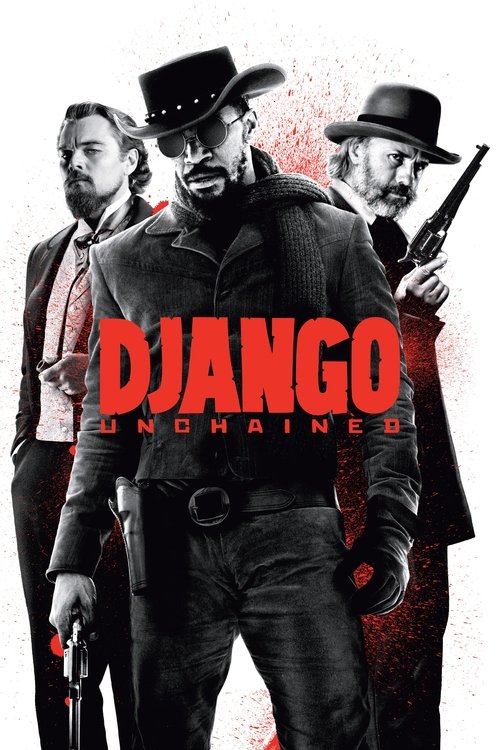
Django Unchained2012
Both are Westerns about men systematically humiliated by a racist power structure, forced to take justice into their own hands when official channels refuse. But Django is set in the slavery era and told with Tarantino's baroque ferocity, where Valdez is a modest 1971 film about a single act of dignity reclaimed.
A freed slave and a German bounty hunter travel through the antebellum South on a revenge mission. It's a Western about racial violence and a man forced to become an instrument of justice because the system refuses to acknowledge him as fully human—Valdez's core theme transplanted into the crucible of slavery.
But Tarantino's maximalist style—violent, talky, sometimes self-impressed—is the opposite of Valdez's lean efficiency. The film is almost three hours and wears its ambitions very openly. Some find it more interested in spectacle than substance.
People
Cast
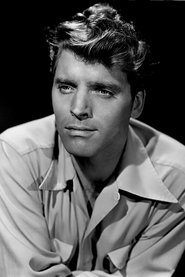 Burt LancasterValdez
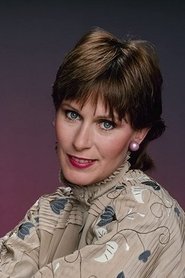 Susan ClarkGay Erin
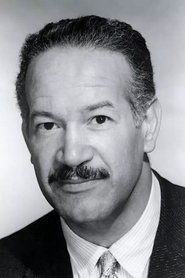 Frank SilveraDiego
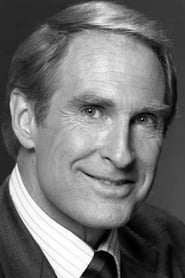 Jon CypherFrank Tanner
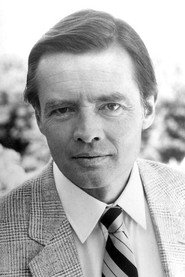 Richard JordanR. L. Davis
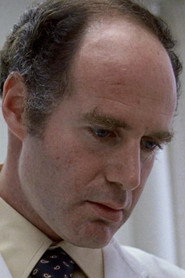 Barton HeymanEl Segundo
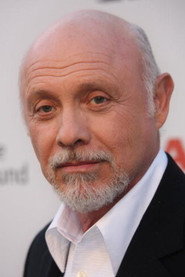 Héctor ElizondoMexican Rider
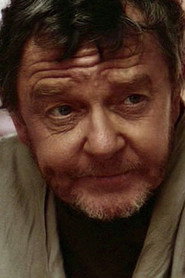 Phil BrownMalson
- Ralph BrownBeaudry
- Werner HasselmannSheriff
- Lex MonsonRincon
- Sylvia PoggioliSegundo's Girl
Directing
- Edwin SherinDirector
- Anthony RayFirst Assistant Director
- José María OchoaFirst Assistant Director
- John FrancoScript Supervisor
- Kim MannersSecond Assistant Director
Writing
- Elmore LeonardNovel
- David RayfielScreenplay
- Roland KibbeeScreenplay
Production
- Sam MannersAssociate Producer
- Lynn StalmasterCasting
- Burt LancasterExecutive Producer
- Roland KibbeeExecutive Producer
- Ira SteinerProducer
- José María RodríguezProduction Manager
- Sam MannersProduction Manager