
Film
The Hunting Party
Other titles called The Hunting Party: the 2007 film.
A 1971 western about a rancher mounting a deadly long-range rifle hunt against the men who kidnapped his wife. It's a revenge story with an obsessive, almost clinical brutality—less interested in heroics than in the mechanics of violence and the corrosive toll of vengeance. For viewers who like their westerns morally complicated and their violence consequential.
Should you watch it?
Watch it if you like late-period revisionist Westerns where the hunters are as unpleasant as the hunted, and you want Gene Hackman at his coldest.
Skip it if you need your Westerns to move briskly or to deliver warm heroes; the long-range killing is methodical, and the mood stays grim and unforgiving throughout.
What it asks of you: A lean 111 minutes, paced for stalking across open country, with patience rewarded more than thrills and little relief from the bleakness.
Not sure? Find tonight's pick in a minute.
If you liked this
Johnny Guitar1954
Joan Crawford leads a western built on power dynamics and moral ambiguity rather than simple good-versus-evil. It shares the same willingness to let complexity and character dominate over action spectacle.
But The pacing is deliberate and the tone is strange—this isn't a conventional shoot-em-up, and some find it pretentious rather than profound.

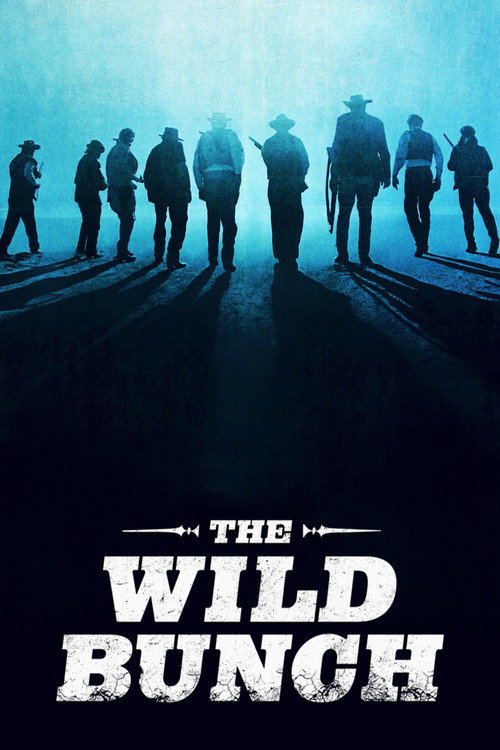
The Wild Bunch1969
Peckinpah's masterpiece about aging outlaws facing a changing world. It has that same unflinching look at violence and the men who commit it, with an elegiac rather than celebratory tone.
But It's bloodier and more explicitly political, and the running time feels long. Some see it as style over substance, even now.
The Ballad of Little Jo1993
A revisionist western focused on survival and reinvention in harsh frontier conditions. It shares an interest in realistic hardship over romance, and in how violence shapes those who live by it.
But It's quiet and introspective rather than thrilling, with a female lead in a male-dominated genre—some viewers find it slow or depressing.

Not sure tonight? Get a pick in a minute, starting from The Hunting Party
The wildcard
Something you would not have found on your own.
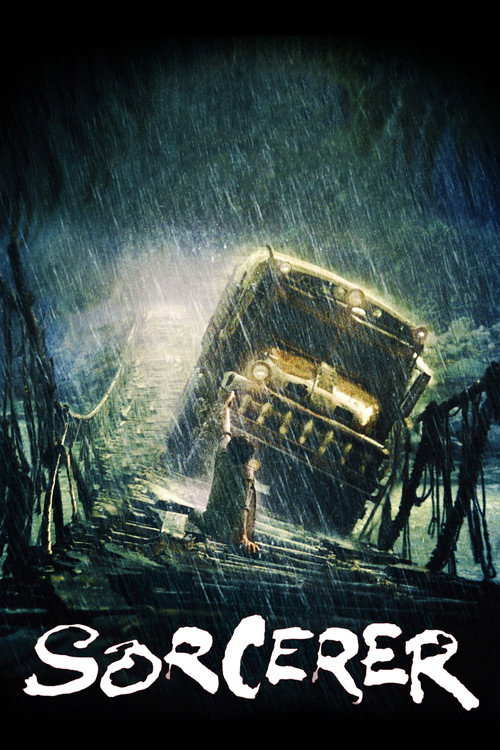
Sorcerer1977
Both films are driven by the mechanics of a hunt or mission—procedural, almost clinical. Both are interested in violence as a grinding fact rather than a flourish. Both trust the audience to find the horror in competence.
William Friedkin's obsessive fever dream about men on a suicide mission, hauling volatile cargo through a jungle. It's not a western, but it has the same DNA: competence, consequence, and the grinding horror of watching a plan unfold.
But It's slow, punishing, and structurally strange. The chemistry between leads is cold, deliberately so. Many find it pretentious or unbearably bleak, and it requires patience that most viewers won't give it.
More like this (8)
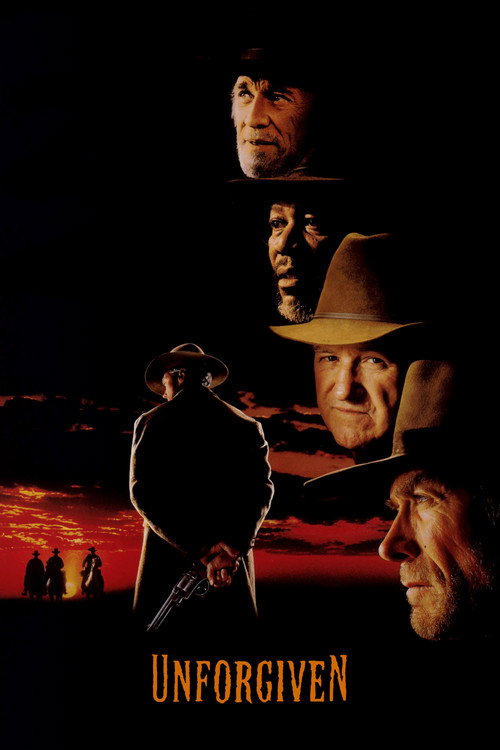
Unforgiven1992
Clint Eastwood's meditation on aging, violence, and the mythology we build around outlaws. It interrogates the same myths The Hunting Party questions, with similar moral seriousness.
But It's long and reflective, and the violence, though impactful, is sparse. Viewers wanting action-driven narrative will find it meditative to the point of tedium.
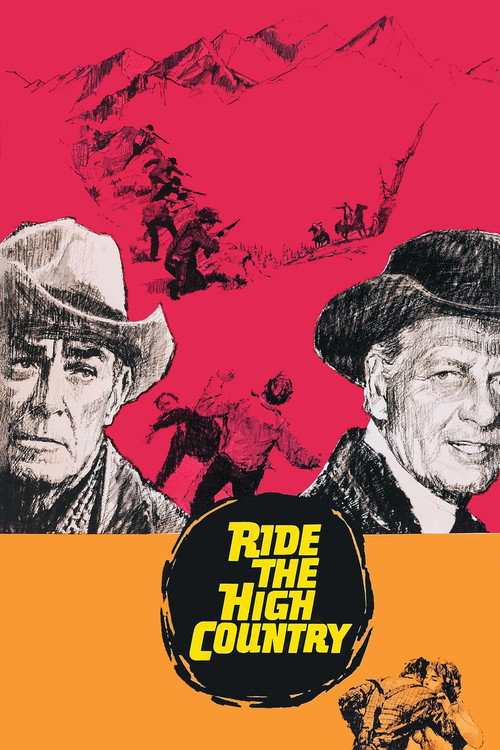
Ride the High Country1962
Joel McCrea and Randolph Scott as aging lawmen navigating betrayal and changing codes of honor. It's character-driven, morally uncertain, and understands that age and wisdom don't always coincide.
But The budget shows, and some of the acting is uneven. It can feel slight compared to bigger-budget contemporaries, though that's part of its charm.
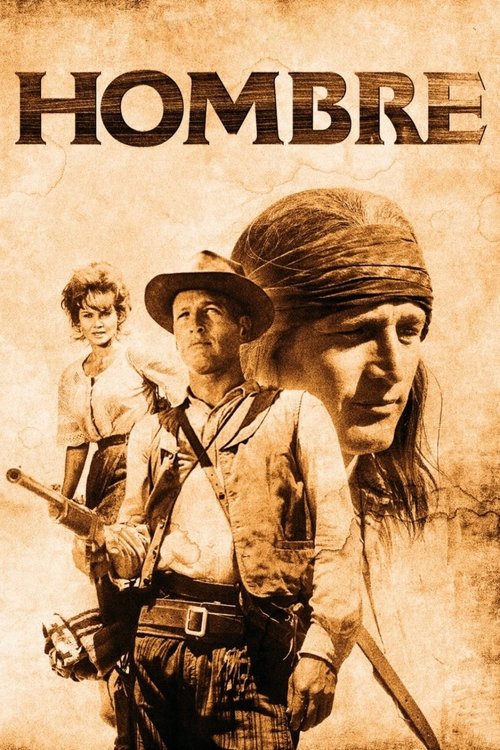
Hombre1967
Paul Newman in a western about race, morality, and survival. It asks hard questions about codes of honor and self-interest in ways that align with The Hunting Party's moral seriousness.
But It's structured like a heist film rather than a traditional western, and the tonal shifts can feel jarring. Some find the moralizing heavy-handed.
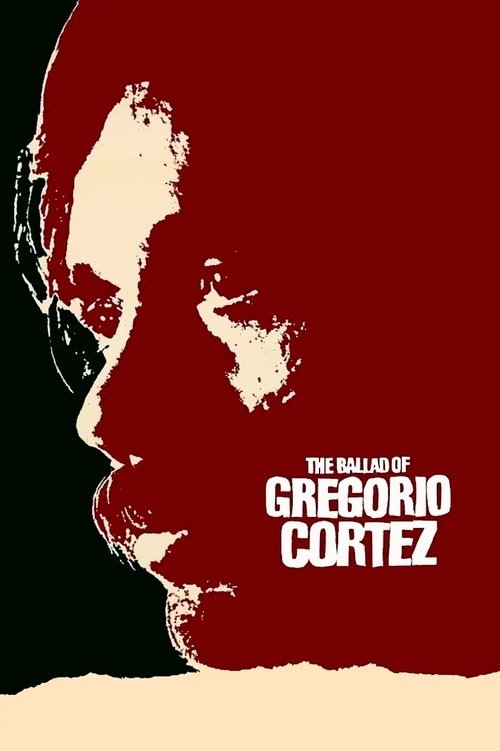
The Ballad of Gregorio Cortez1983
Edward James Olmos in a true story of a man hunted across Texas. It's interested in perspective and how narratives shift depending on who's telling them—a sharp questioning of western mythology.
But It's deliberately paced, low-budget, and sometimes static. The deliberation can feel academic rather than dramatically urgent to some viewers.
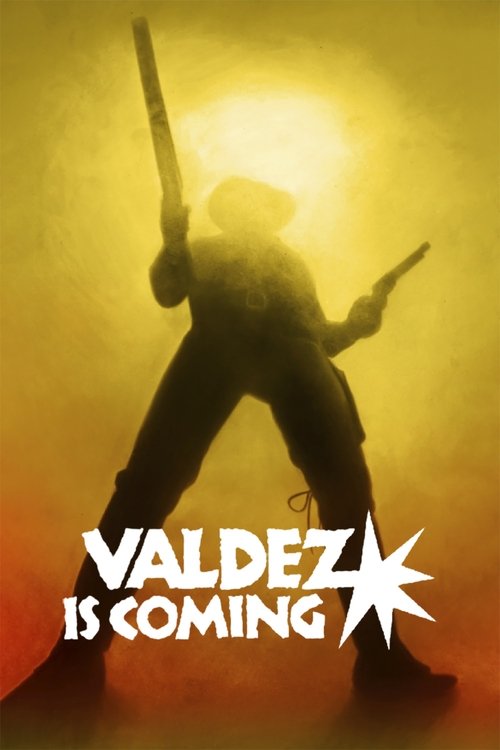
Valdez Is Coming1971
Burt Lancaster as a former gunslinger drawn into violence despite his intentions. Released the same year as The Hunting Party, it shares a fascination with how violence begets violence and traps those caught in its cycle.
But The budget is modest and it shows. The pacing is uneven, and some sequences feel padded or poorly executed compared to better-funded productions.
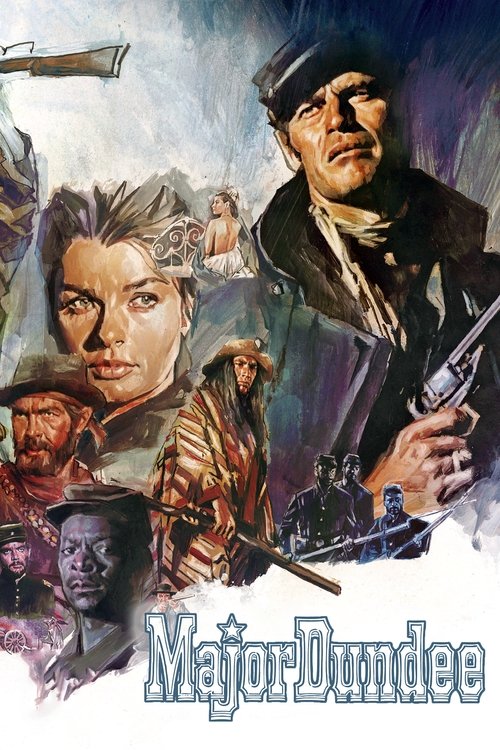
Major Dundee1965
Charlton Heston and Richard Harris in a sprawling, ambitious western about obsession and duty. It has that same sense of a man consumed by a mission, willing to sacrifice everything and everyone around him.
But The studio cut is notoriously compromised, and even the restored version feels undone. It's fascinating but frustrating, and many find the editing chaotic.
In a Lonely Place1950
Both center on men consumed by vengeance or driven by rage, and both ask whether the pursuit itself corrupts the pursuer. Both are interested in the interior damage that violence causes, not just the external consequences.
Humphrey Bogart as a violent, volatile man wrongly accused of murder, while we wonder if the accusation might be right anyway. A noir about how the capacity for violence shapes everything around you, and how revenge and justice blur.
But It's a romance that curdles into paranoia and darkness. The romantic lead is repellent, the ending offers no catharsis, and the entire project is about the impossibility of redemption.

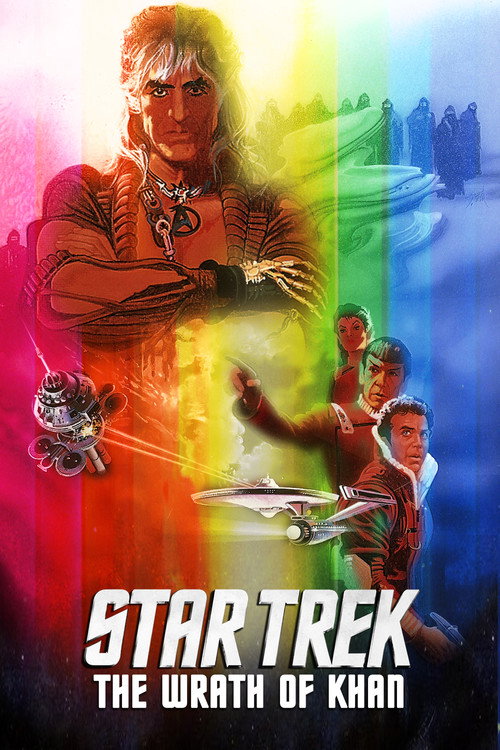
Star Trek II: The Wrath of Khan1982
Both are structured as a hunt. Both are about obsession consuming a man and making him willing to destroy everything, including himself, to reach his goal. Both understand that revenge is a form of love gone wrong.
Khan's obsessive hunt for Kirk across space is western revenge mythology translated into science fiction. It's got the same patient, calculated pursuit; the same sense of a man willing to sacrifice everything for vengeance; the same understanding that the hunted and hunter are locked together.
But It's a Star Trek film, which will seem frivolous to those who don't care about the franchise. The dialogue can be hammy, and admitting you love this might require defending it to people who think science fiction is inherently silly.
People
Cast
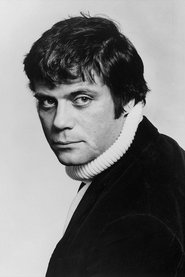 Oliver ReedFrank Calder
 Candice BergenMelissa Ruger
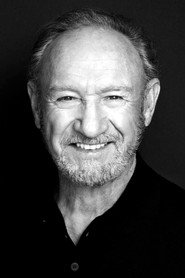 Gene HackmanBrandt Ruger
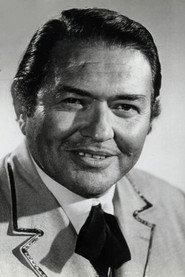 Simon OaklandMatthew Gunn
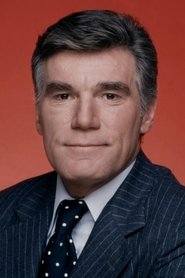 Mitchell RyanDoc Harrison
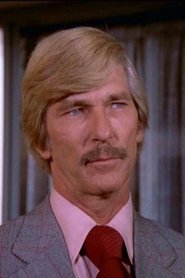 L.Q. JonesHog Warren
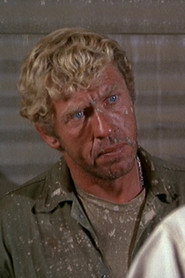 William WatsonJim Loring
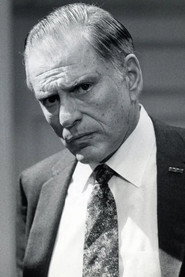 G.D. SpradlinSam Bayard
 Rayford BarnesCrimp
 Ronald HowardWatt Nelson
 Bernard KayBuford King
- Richard AdamsOwney Clark
Directing
- Gil CarreteroAssistant Director
- José María OchoaAssistant Director
- Don MedfordDirector
Writing
- Gilbert RalstonScreenplay
- Lou MorheimScreenplay
- William W. NortonScreenplay
- Gilbert RalstonStory
- Lou MorheimStory
Production
- Arnold LavenExecutive Producer
- Arthur GardnerExecutive Producer
- Jules V. LevyExecutive Producer
- Lou MorheimProducer
- Julio VallejoProduction Manager
- Geoffrey HaineProduction Supervisor