
Film
Bring Me the Head of Alfredo Garcia
Peckinpah's 1974 fever dream: a grizzled bartender and his girlfriend chase a million-dollar bounty through Mexico's criminal underbelly, hauling a severed head in a burlap sack. It's operatic, savage, and weirdly intimate—a portrait of desperation where the journey matters more than the destination. For viewers who want their action films stained with real moral rot.
Should you watch it?
Watch it if you like grubby, sun-baked crime stories where the plot is a pretext for a man slowly unmoored, and where the violence lands like a slap rather than a set piece.
Skip it if you need brisk plotting, since much of this is aimless driving, heat-hazed loitering and long stretches of drinking that test patience before anything pays off.
What it asks of you: Settle in for under two hours of sweat, dust and simmering menace, paced by heat and the open road rather than any rush to the next scene.
Not sure? Find tonight's pick in a minute.
If you liked this
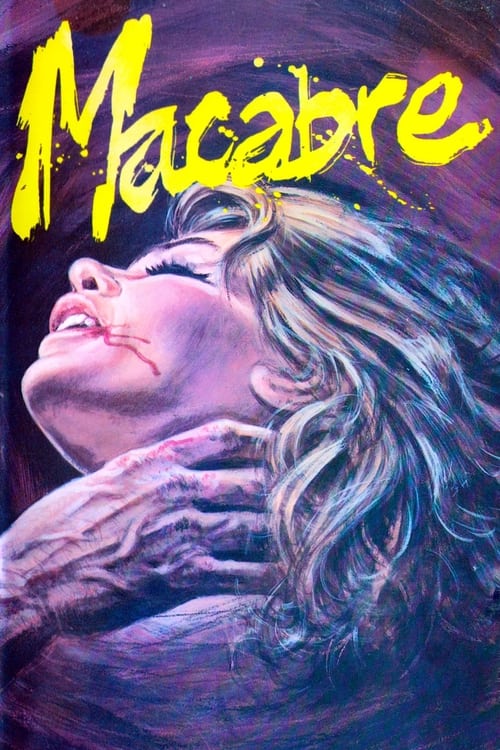
Macabre1980
Carpenter's lean, nasty thriller about a cab driver caught between criminals and his own survival instinct. Similar momentum, similar moral quicksand, and a protagonist who's just trying to keep his head above water—literally and figuratively.
But The pacing is deliberate and bleak rather than exciting. If you need plot momentum over atmosphere and character decay, this will feel glacial.
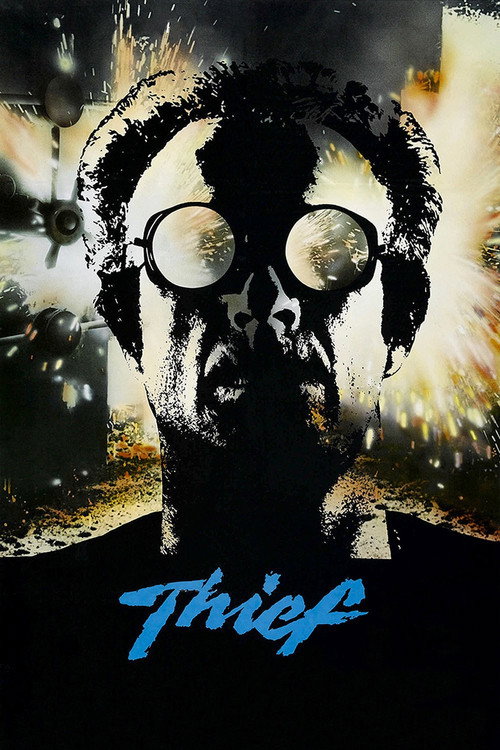
Thief1981
Mann's masterpiece about a professional thief whose skills trap him in a web of obligation and violence. That same quality of intelligent men making decisions that seem logical right up until they destroy them.
But It's methodical and cool rather than visceral. Some find it distant where Peckinpah finds you by the throat.
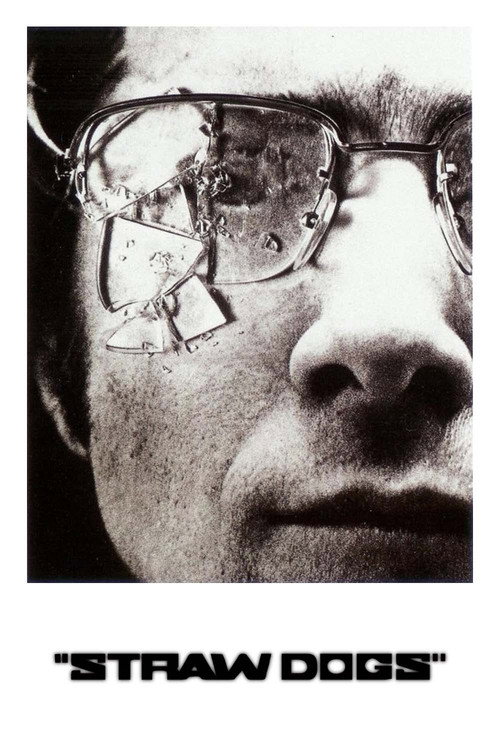
Straw Dogs1971
Peckinpah's earlier American provocation: a man's passivity erodes until violence becomes the only language he knows. Same director, same thesis about how civilization is a thin mask over brutality.
But It's become controversial for its sexual violence. Those scenes are genuinely disturbing rather than cathartic, which some find exploitative rather than thematic.
Not sure tonight? Get a pick in a minute, starting from Bring Me the Head of Alfredo Garcia
The wildcard
Something you would not have found on your own.
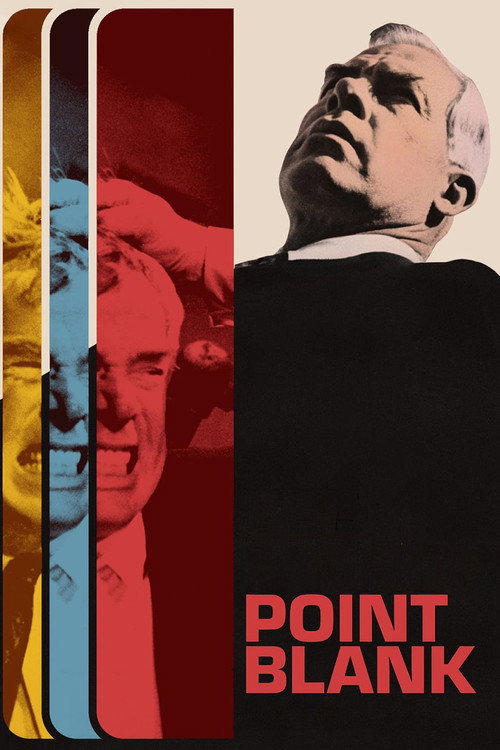
Point Blank1967
Both films trap their protagonists in pursuit of something that recedes endlessly; both use the criminal underworld as a mirror for moral dissolution; both are more interested in the texture of corruption than in conventional narrative resolution.
Boorman's hallucinatory revenge film: Lee Marvin as a double-crossed thief pursuing retaliation through a Los Angeles that feels dreamlike and vicious. Like Alfredo Garcia, it's about a man moving through a corrupt landscape toward an end that may not exist, shot in a style that prioritizes mood and obsession over clarity.
But The narrative is deliberately fragmented and non-linear. Plot summaries don't capture what it is; you have to surrender to its logic, which feels like watching someone else's nightmare.
More like this (8)
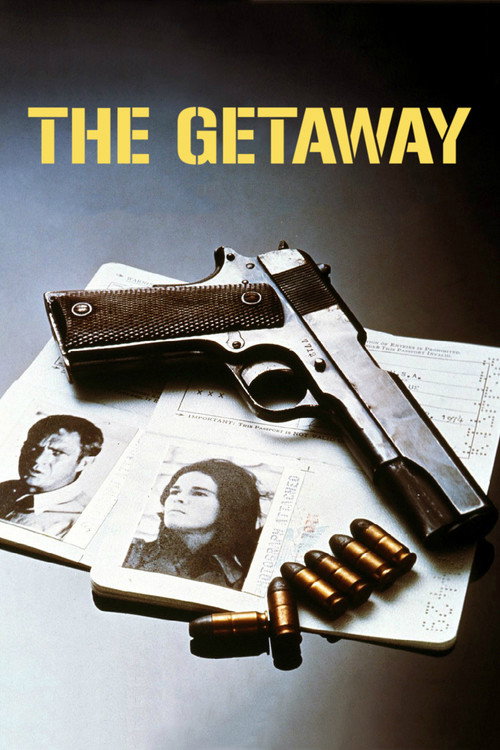
The Getaway1972
Peckinpah and McQueen burning across the Southwest after a heist goes wrong. Fast, sexy, and full of that same sense of being hunted through desert and corruption.
But It's more straightforward than Alfredo Garcia—less interested in moral rot, more interested in velocity and cool guys doing cool things.
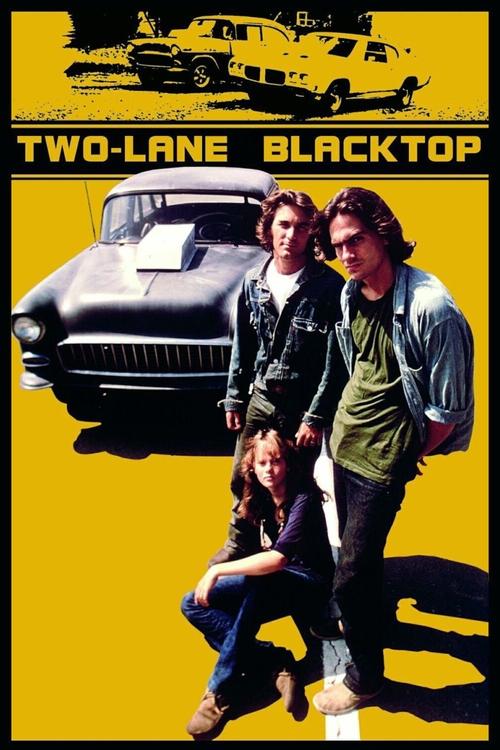
Two-Lane Blacktop1971
Hellman's hypnotic film about drivers crossing America, chasing something that recedes as they approach. That same sense of motion as metaphor, of the journey revealing character instead of plot.
But Almost nothing happens and almost no one has a name. If you need narrative structure and dramatic conflict, this is willful deprivation.
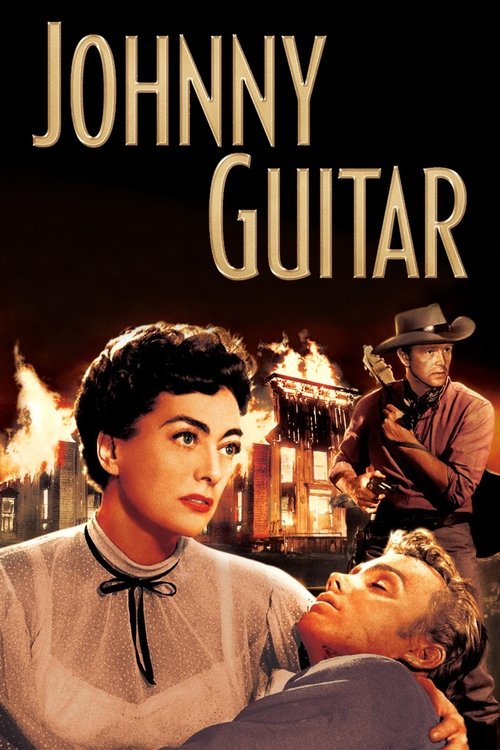
Johnny Guitar1954
Ray's radical Western about a woman who runs a saloon and refuses to bend. Strange, operatic, weirdly feminist—that same commitment to mood and character over conventional storytelling.
But The narrative is genuinely fractured and sometimes hard to follow. It requires patience with apparent plotlessness and a taste for camp theatricality.
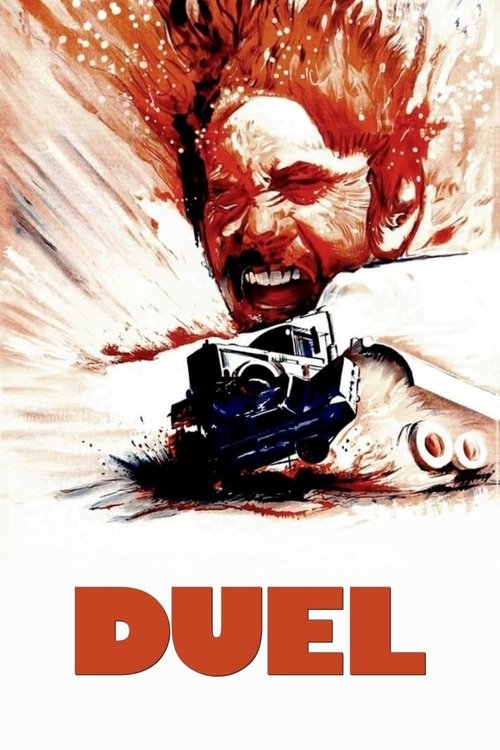
Duel1971
Spielberg's debut: a businessman terrorized by a truck driver he can't see. Relentless, paranoid, beautifully economical—the same sense of ordinary men destroyed by forces beyond negotiation.
But It's lean to the point of minimalism. The lack of explanation for the truck driver's motivation frustrates viewers who want conventional motivation and resolution.
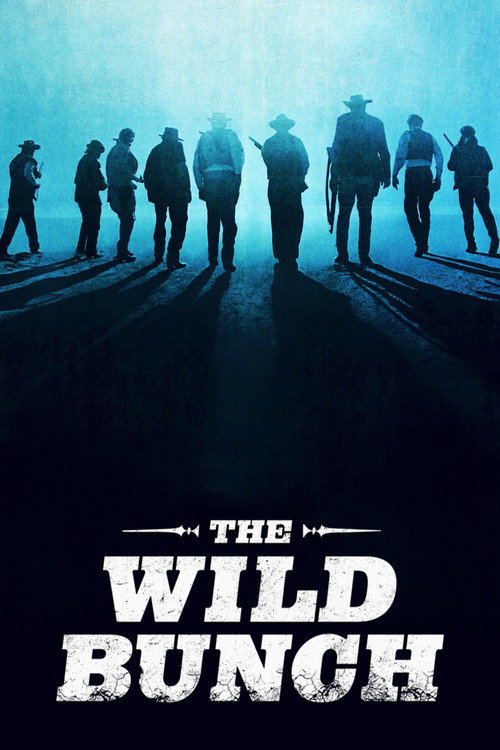
The Wild Bunch1969
Peckinpah's masterpiece about aging outlaws in a dying West. If Alfredo Garcia is his descent into the Mexican criminal underworld, this is his elegy for violence itself—slower, more elegiac, and absolutely essential.
But At 145 minutes it moves like a dirge. The philosophical weight of it exhausts some viewers; others find the pacing self-indulgent.
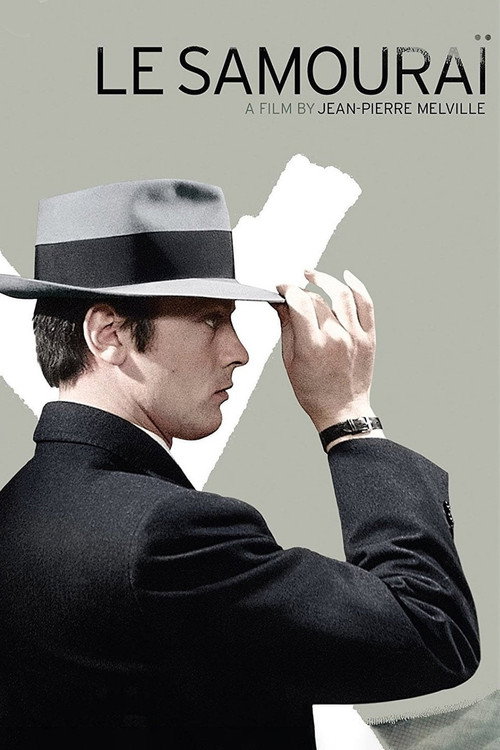
Le Samouraï1967
Melville's ice-cold hitman drifting through Paris, bound by honor to a code that destroys him. That same sense of a man marching toward his own obliteration with terrifying clarity.
But It's glacially slow and emotionally remote. The protagonist has almost no interiority; if you need access to a character's feelings, this keeps you locked out.
Come and See1985
Both films refuse the consolation of heroism. Both follow a protagonist into a world that systematically destroys him. Both use a journey through a hostile landscape to ask what violence actually does to the human soul.
Klimov's devastating Soviet film about a boy conscripted into war. Not an action film—the opposite. It tears away the mythology of violence and shows what it actually costs. Alfredo Garcia's journey through the underworld becomes here a journey through apocalypse, the same moral descent rendered in brutally literal terms.
But This is genuinely harrowing. It's not entertainment in any conventional sense; it's an endurance test. Many viewers find it unwatchable, and that reaction is legitimate.

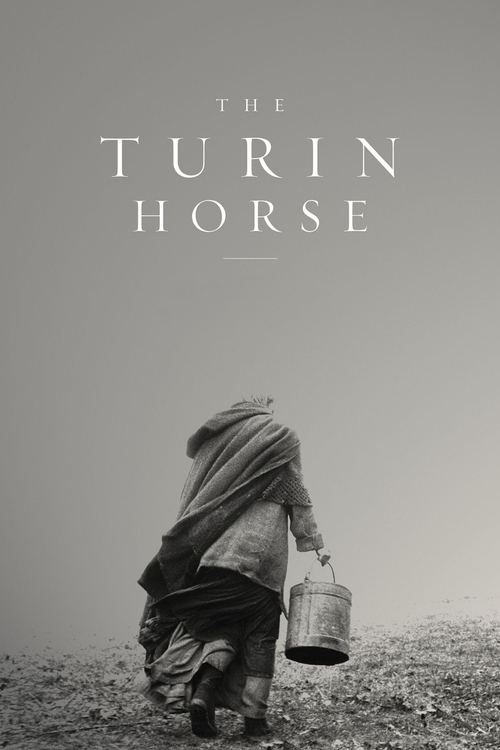
The Turin Horse2011
Both films are essentially about waiting for nothing, about the degradation of the human body and spirit through exposure to a world that does not care. Both suggest that the only honest response to corruption is silence.
Béla Tarr's final film: a man and woman at the end of the world, repetition and decay replacing narrative. If Alfredo Garcia is about the specific corruption of one man's choices, this is about entropy itself—the slow obliteration of meaning and will.
But It's 146 minutes of near-total stillness in black and white. It's not depressing in a dramatic way; it's depressing in a way that leaves viewers feeling like the world has ended while they were watching it. Some find that profound; most find it unbearable.
People
Cast
 Warren OatesBennie
 Isela VegaElita
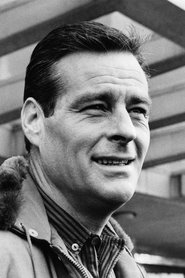 Robert WebberSappensly
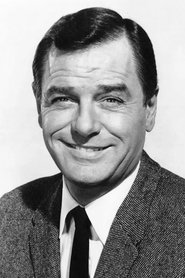 Gig YoungQuill

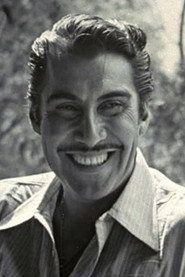 Emilio FernándezEl Jefe
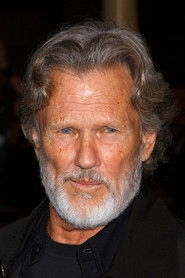 Kris KristoffersonBiker
 Chano UruetaManchot
 Donnie FrittsJohn
 Jorge RussekCueto
 Chalo GonzálezChalo
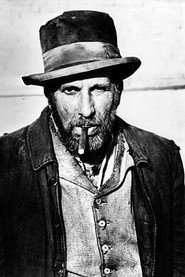 Don LevyFrank
Directing
- Jesús MarínAssistant Director
- Sam PeckinpahDirector
- William DavidsonFirst Assistant Director
- Sharon PeckinpahOther
- Trudy von TrothaScript Supervisor
Writing
- Gordon T. DawsonScreenplay
- Sam PeckinpahScreenplay
- Frank KowalskiStory
- Sam PeckinpahStory
Production
- Gordon T. DawsonAssociate Producer
- Claudia BeckerCasting
- Helmut DantineExecutive Producer
- Martin BaumProducer
- Jim PremingerProduction Assistant
- Katherine HaberProduction Assistant
- Yannoulla WakefieldProduction Coordinator
- William DavidsonProduction Manager
- Carlos Terron GarciaUnit Production Manager
Recommended by
Pat Garrett & Billy the Kid, Narco Cultura, The Missouri Breaks, Emperor of the North, The Spikes Gang, The Woman In White, Blood Red, Hyena