
Film
The Undefeated
A post-Civil War western where a Union officer and a Confederate colonel, erstwhile enemies, must overcome their differences to protect a cattle drive and displaced settlers moving through revolutionary Mexico. It's a sprawling, good-natured adventure with two aging stars proving they can still carry an epic, anchored by the odd-couple chemistry between Wayne and Hudson. For those who love Westerns built on practical action and moral compromise rather than cynicism.
If you liked this
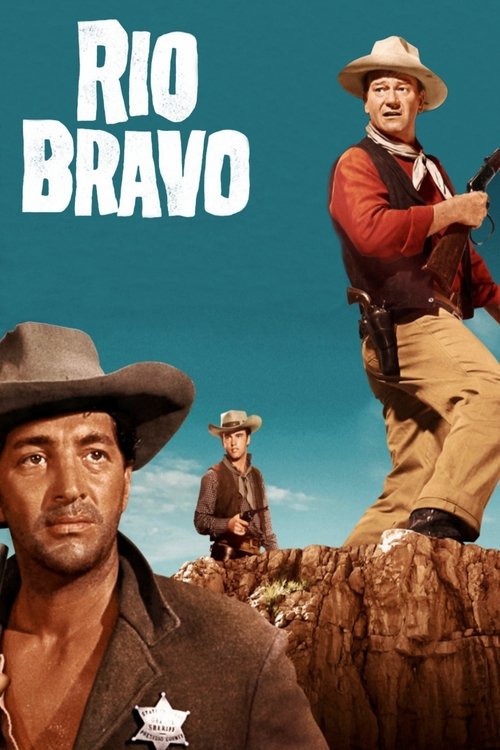
Rio Bravo1959
Hawks directs Wayne in a Western that prizes character and conversation as much as gunplay. A sheriff and unlikely allies hole up against a siege. It's leisurely, funny, and deeply humane—the template for everything Wayne did well.
But Nearly 141 minutes of deliberate pacing. If you want quick cuts and constant incident, this will feel like watching paint dry in the desert.
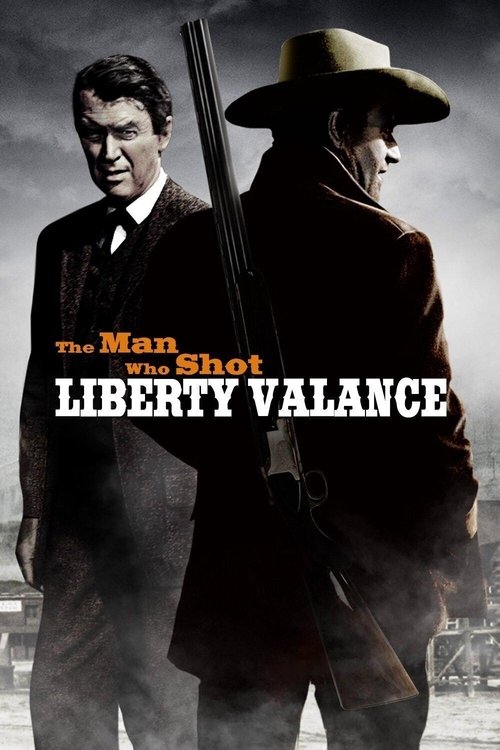
The Man Who Shot Liberty Valance1962
Ford's meditation on myth-making in the West, with Wayne and James Stewart as old men revisiting a formative gunfight. It asks what legends cost and who gets to write history. Elegiac and strange and true.
But Black and white, shot on a soundstage. It looks smaller and more theatrical than you might expect from a Ford Western. The film's power lies in ideas, not landscape.
The Ballad of Little Jo1993
A woman passing as a man in the Old West—based on a true story. Maggie Greenwald's film is tender and unsentimental about identity, survival, and the lies people tell themselves. It revitalizes the Western by asking new questions.
But Quiet and deliberately paced. There's no shootout finale, no climactic stand. It earns its restraint, but not everyone wants restraint from a Western.

Not sure tonight? Get a pick in a minute, starting from The Undefeated
The wildcard
Something you would not have found on your own.
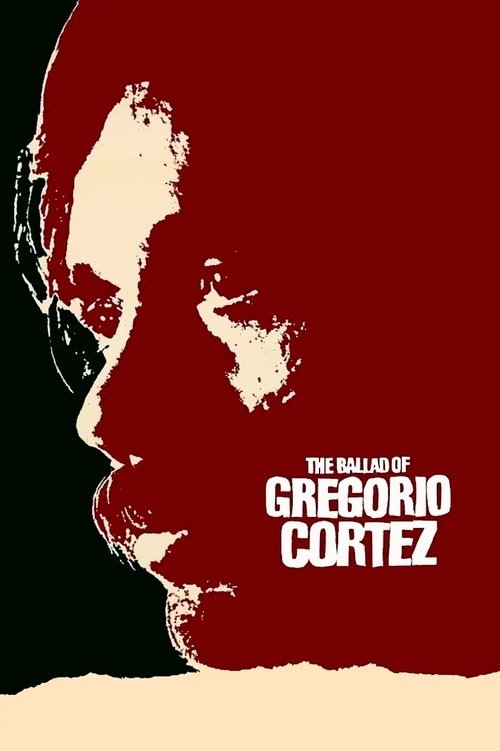
The Ballad of Gregorio Cortez1983
Both films center on displaced people trying to find safety in hostile terrain, and both complicate the usual sides of a Western. But this one puts the dispossessed at the center rather than the margins.
Edward James Olmos as a Mexican vaquero falsely accused, hunted across Texas. It's a Western told from the perspective Western usually ignore, with moral and linguistic complexity. A real corrido brought to screen, not a reconstruction.
But Low budget, made for television. The production values are modest. The pace is patient to the point of feeling slow to some viewers.
More like this (8)
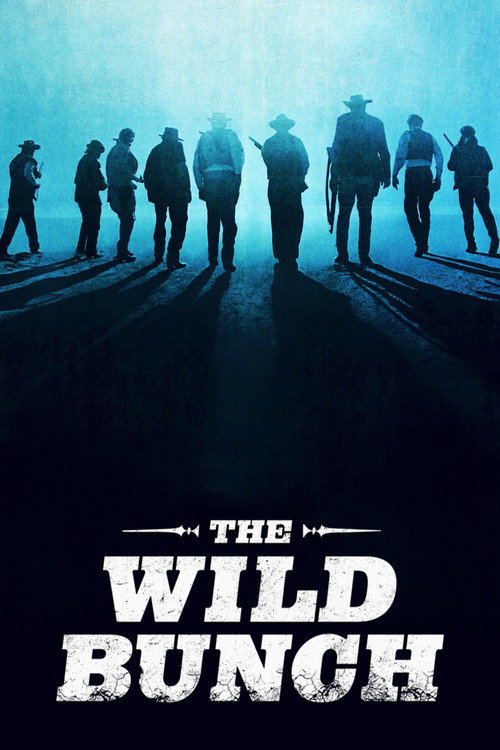
The Wild Bunch1969
Peckinpah's epic about aging outlaws in Mexico, made the same year as *The Undefeated*. It's violent, operatic, and genuinely tragic. If you want to see what a Western can do emotionally, this is the high-water mark.
But Graphically brutal. The violence is the point—it's meant to disturb, not thrill. Some find it exploitative; others find it necessary.
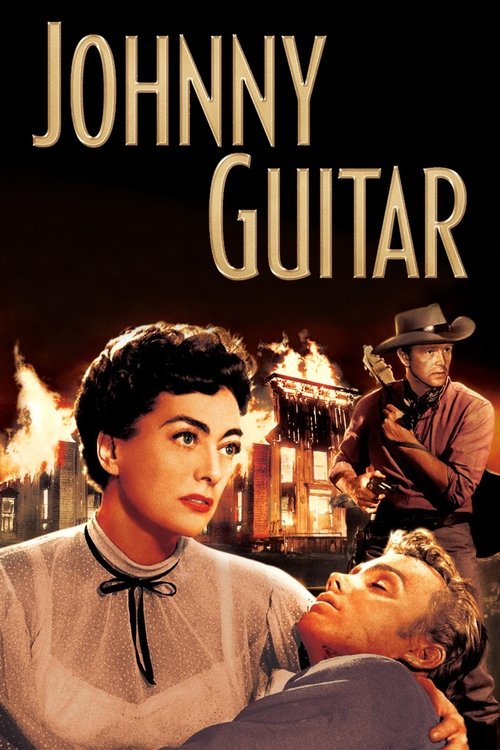
Johnny Guitar1954
Nicholas Ray's fever dream Western, with Joan Crawford as a saloon owner facing down a lynch mob. It's weird, gender-bending, and absolutely confident in its strangeness. Proof the genre could hold more than it usually did.
But Aggressively odd. If you're looking for a conventional story about good guys and bad guys, you're in the wrong place.
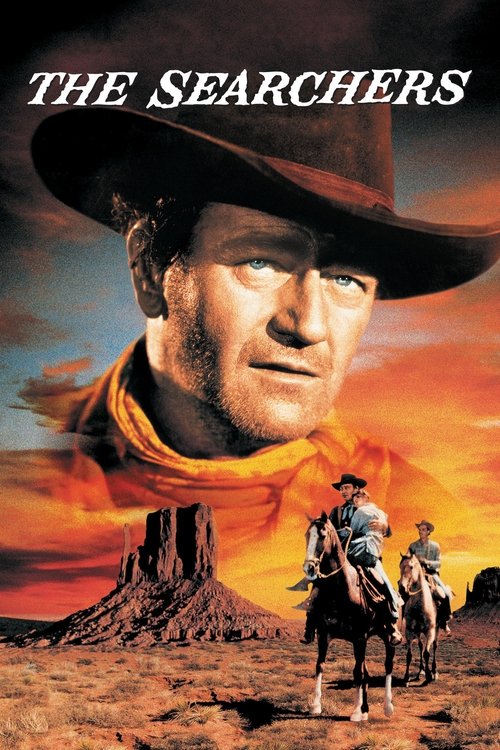
The Searchers1956
Ford and Wayne again, but here Wayne plays something darker: a man consumed by racism and vengeance, beautiful and unsettling. The landscape is sublime. The moral reckoning is genuine. It's Wayne's best performance.
But Nearly three hours. The racism is central to the story, not condemned from outside it—some find that more uncomfortable than cathartic.
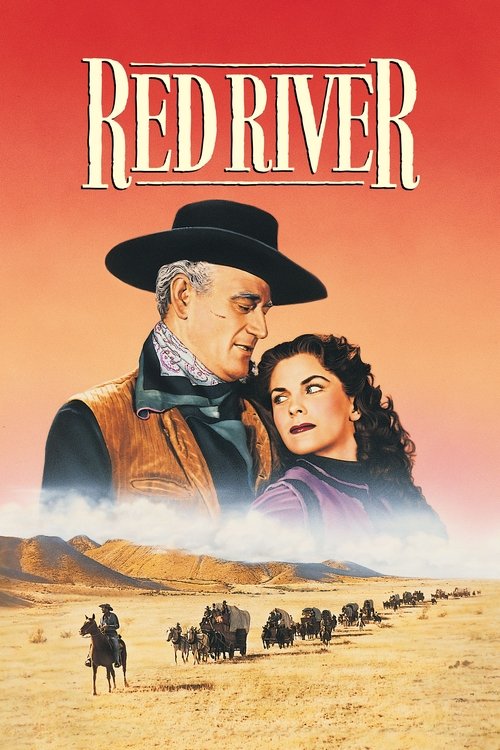
Red River1948
Hawks again. Wayne and Montgomery Clift drive cattle north in a film that's almost Shakespearean in its family drama. The tension between mentor and pupil, control and independence, is immense. A masterpiece of Western psychology.
But The ending feels slight compared to everything before it. Some see it as earned restraint; others find it a letdown after two hours of mounting dread.
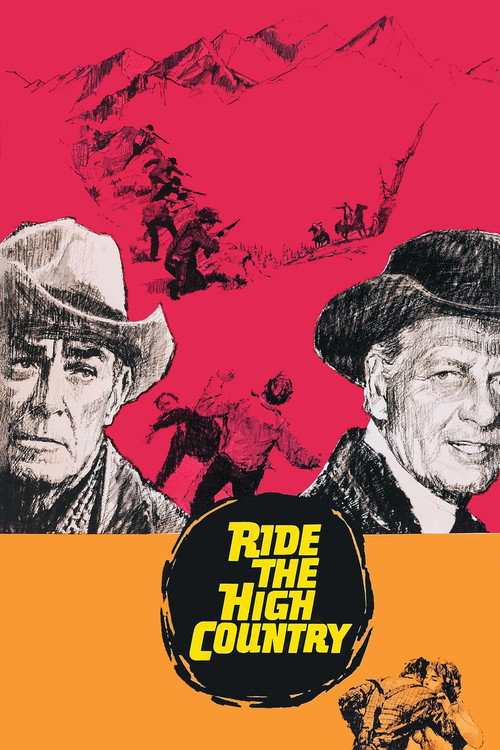
Ride the High Country1962
Joel McCrea and Randolph Scott as aging lawmen on one last job. Sam Peckinpah's film is graceful and elegiac, about men facing obsolescence with dignity. It's small but profound—economy as a virtue.
But Very much a character study of two old men. If you need plot momentum and incident, you'll find it spare. The power is in the spaces between events.
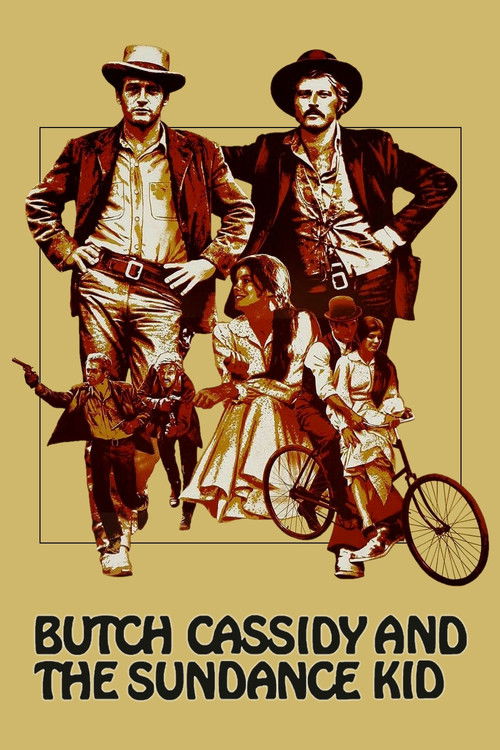
Butch Cassidy and the Sundance Kid1969
Newman and Redford as charming outlaws running out of frontier. It's funny, thrilling, and modern—the kind of Western that feels alive rather than antiquarian. Made the same year, a very different approach.
But Anachronistically witty. The humor is very 1960s. If you want your Western to feel like a historical document, the self-awareness will grate.
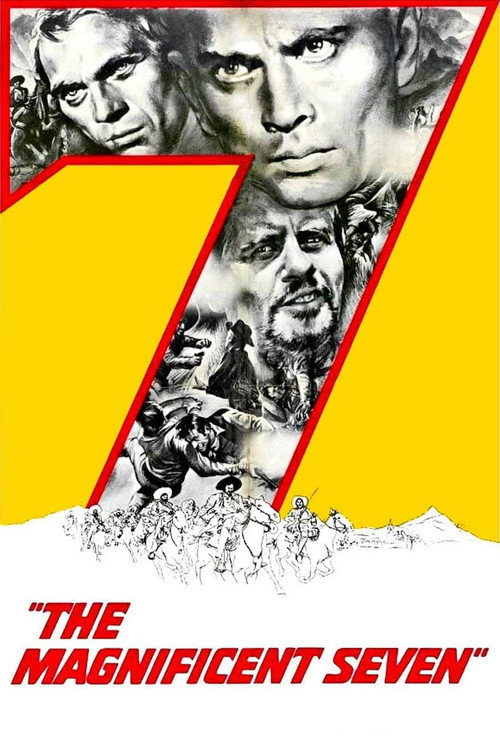
The Magnificent Seven1960
Both are ensemble films where men from different worlds must cooperate to protect the vulnerable. The structure is nearly identical—disparate heroes forced into alliance, learning to trust, facing a larger force.
Kurosawa remade as American Western: mercenaries hired to protect a village. It's thrilling, hugely quotable, and operates on pure adventure. Bernstein's theme is unforgettable. Sometimes a Western is just the best movie you can make.
But It sanitizes its premise compared to *Seven Samurai*. The morality is simpler. If you want sophistication, this isn't it, though it's so damn entertaining that it might not matter.
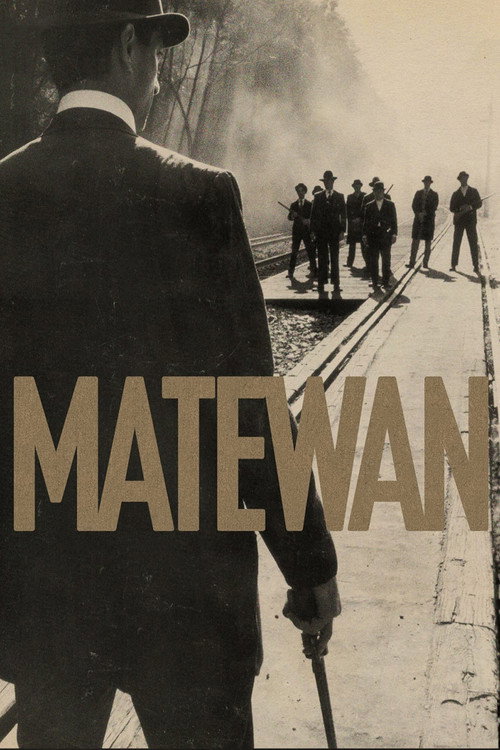
Matewan1987
Both use the Western structure to explore a moment when American society fractures—North vs. South then, capital vs. labor now. Both are fundamentally about who gets to belong.
John Sayles' film about a coal-miner's strike, shot like a Western—gunfights, standoffs, a community under siege. It's political and lyrical, proof that the Western's moral framework applies far beyond the frontier.
But It's really a labor drama, not a Western. The genre trappings serve a political argument. If you hate polemics in your entertainment, the didacticism will be hard to swallow.
People
Cast
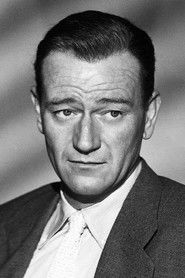 John WayneColonel John Henry Thomas
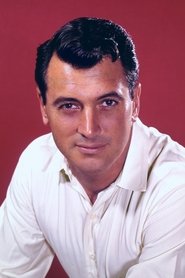 Rock HudsonColonel James Langdon
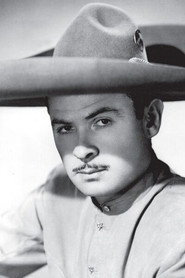 Antonio AguilarGeneral Rojas
 Roman GabrielBlue Boy
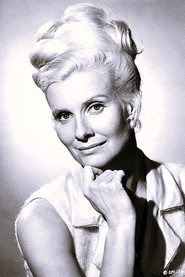
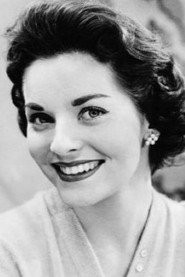 Lee MeriwetherMargaret
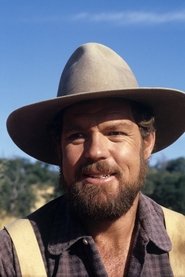 Merlin OlsenLittle George
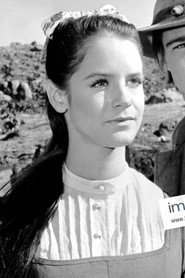 Melissa NewmanCharlotte
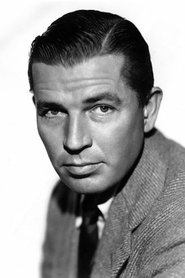 Bruce CabotJeff Newby
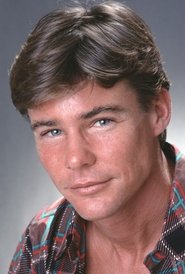 Jan-Michael VincentBubba Wilkes
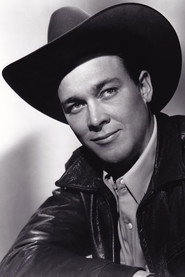 Ben JohnsonShort Grub
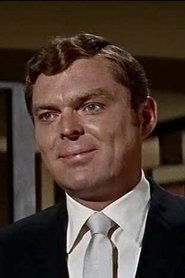 Edward FaulknerAnderson
Directing
- Andrew V. McLaglenDirector
Writing
- Lewis B. PattenNovel
- James Lee BarrettScreenplay
- Stanley HoughStory
Production
- Robert L. JacksProducer