
Film
Dark Command
A 1940 Western about ambition, morality, and political division on the eve of the Civil War. John Wayne's honest Texan and Walter Pidgeon's charming-but-corrupt schoolteacher-turned-outlaw face off over control of Kansas territory. It's a surprisingly thoughtful film about how ideology masks self-interest, wrapped in gunfights and romance. Best watched as a historical artifact of its moment.
If you liked this
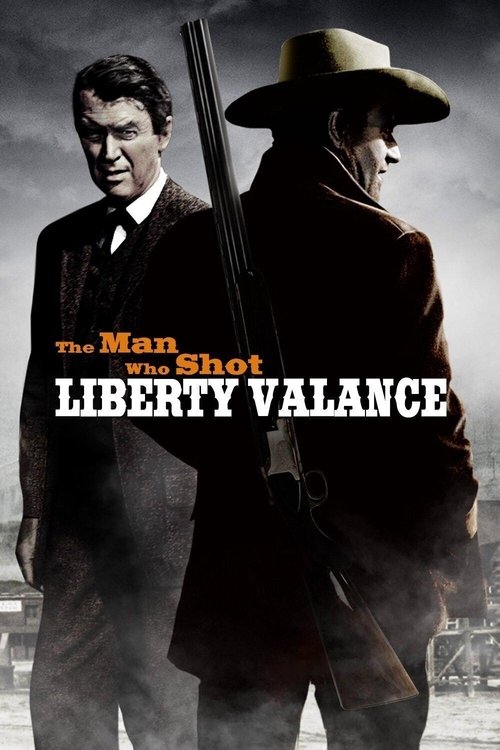
The Man Who Shot Liberty Valance1962
Ford's masterpiece about myth versus truth in the West, told with the same moral complexity Dark Command reaches for. Jimmy Stewart and Lee Marvin as old men unpacking a life-defining lie.
But Slower and more meditative than action-driven. The famous gunfight is off-screen. Requires patience with elegiac reflection.
Johnny Guitar1954
Ray's radical Western subverts genre rules with a female lead and a man's sexual jealousy as the central conflict. Camp and serious at once, visually stunning, utterly strange.
But The tonal whiplash between high melodrama and B-movie convention will alienate viewers wanting either pure camp or pure drama.

The Ballad of Little Jo1993
A true story of a woman passing as a man in 1880s Wyoming. Quiet, unsentimental, and entirely focused on the material reality of survival rather than romance or spectacle.
But Deliberately undramatic. No sweeping emotions or rousing climax. Some find its restraint cold rather than powerful.

Not sure tonight? Get a pick in a minute, starting from Dark Command
The wildcard
Something you would not have found on your own.
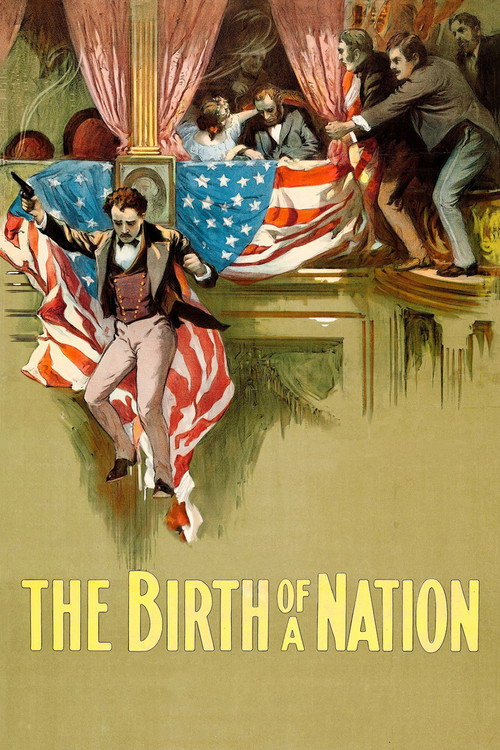
The Birth of a Nation1915
Both films grapple with Civil War-era ideology through the Western form. Birth uses cinema to propagandize for white supremacy; Dark Command uses the Western to expose how ideology masks greed. They're ideological opposites told in the same visual language.
Griffith's historically catastrophic film did cinema grammar itself—cutting, close-ups, narrative sophistication. Watching it clarifies what cinema became, and why Dark Command's visual language exists. Also, you need to understand the enemy.
But It's a three-hour Klan propaganda film. Grotesquely racist, technically brilliant, and morally vile. The history of cinema is bound up with this thing, but that doesn't make it easy to watch.
More like this (8)
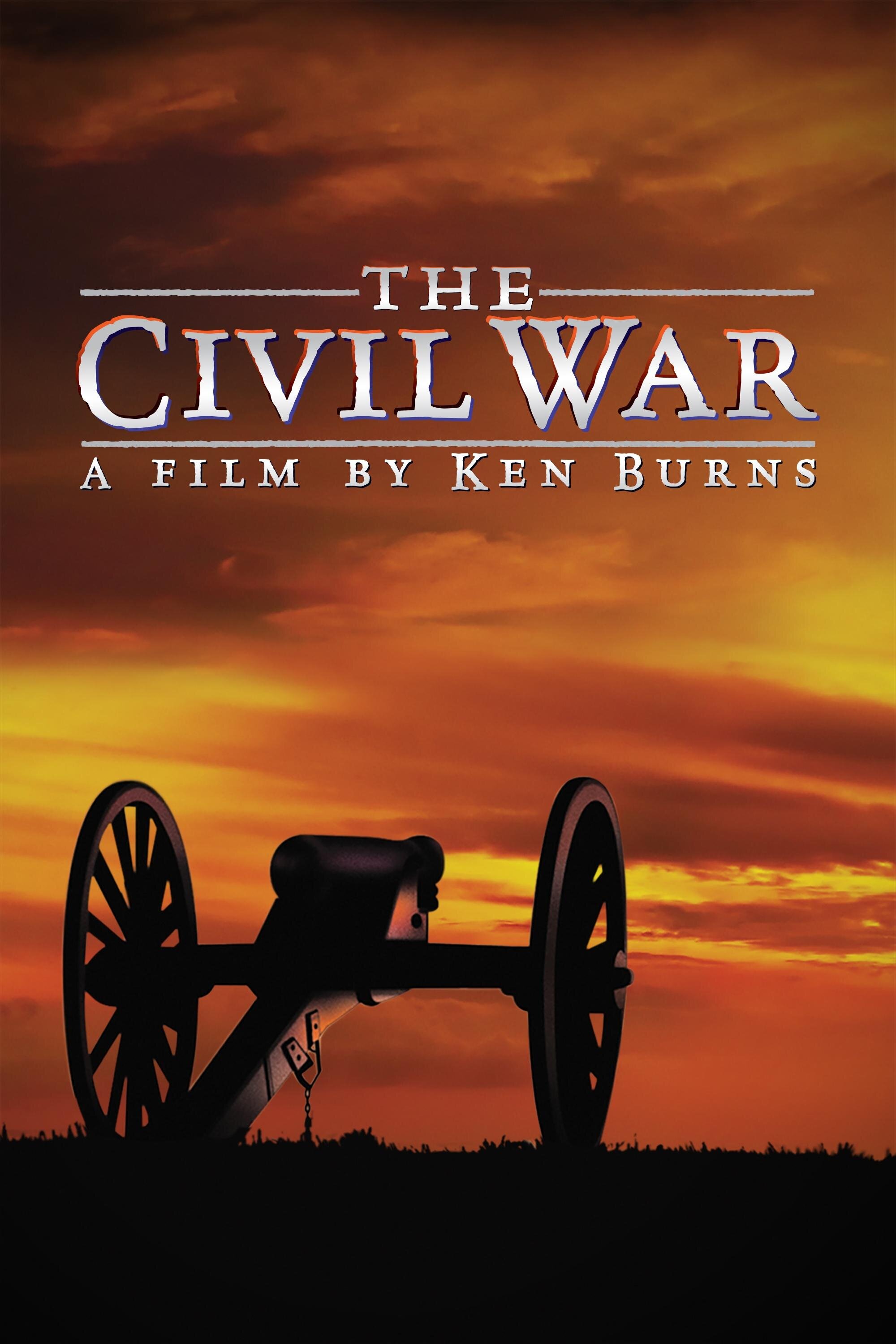
The Civil War1990
Ken Burns' documentary uses primary sources and photographs to show how ideology, economics, and personal ambition tore the nation apart—the historical context that Dark Command alludes to.
But Nine hours long. Ken Burns' style (the camera moving across still images) is meditative to the point of monotony for some viewers.
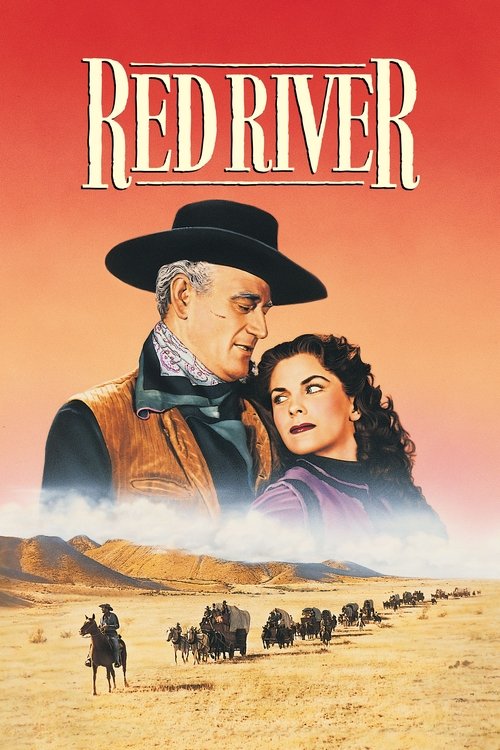
Red River1948
Hawks' monumental cattle drive epic with Wayne and Montgomery Clift. A study of authority, succession, and the collision between old ways and new necessity. Tense, beautifully composed, genuinely gripping.
But Very long, and the emotional stakes are about masculine pride and control rather than plot momentum. Some find the psychology overwrought.
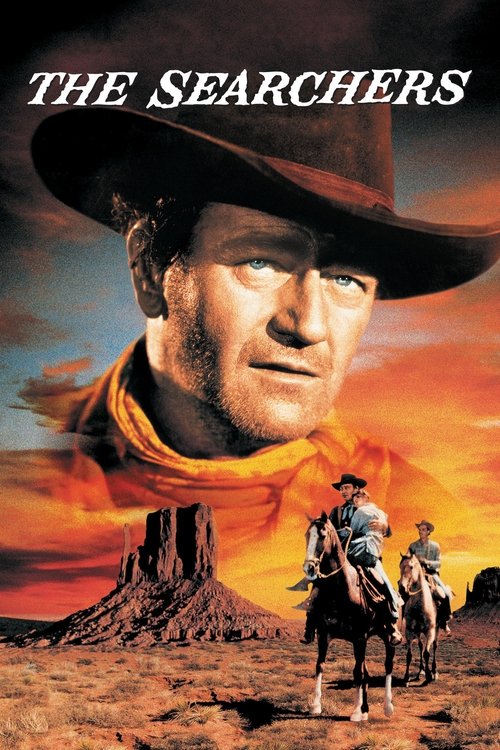
The Searchers1956
Ford's most complex Wayne film. A man consumed by racism and revenge searching for his abducted niece. Visually breathtaking, morally uncompromising, and it questions rather than celebrates its protagonist.
But Wayne's character is genuinely repugnant. The film asks you to understand him, not like him. Some audiences want their heroes cleaner.
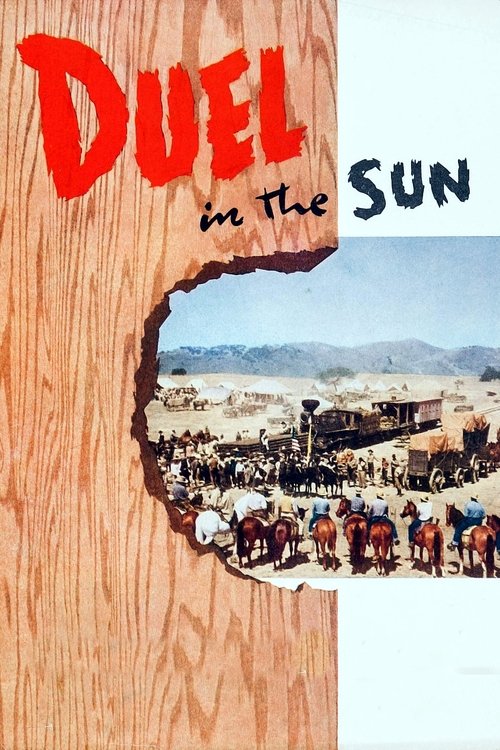
Duel in the Sun1946
Vidor's Technicolor melodrama about competing families, moral corruption, and passion in Texas. Over-the-top, gorgeously photographed, and unafraid of female desire and violence.
But The race-based politics are deeply offensive by modern standards. The plot mechanics strain credibility. It's fever-dream rather than realism.
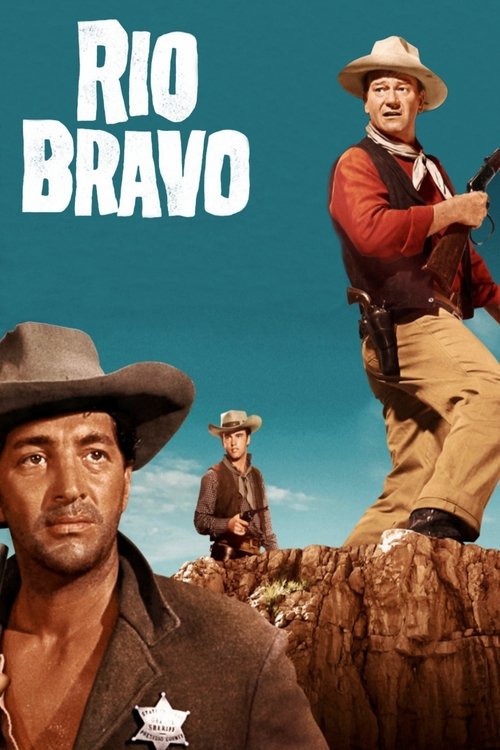
Rio Bravo1959
Hawks' response to High Noon. A small group of principled people hole up against overwhelming odds. Wayne, Dean Martin, and Angie Dickinson. Longer, talky, more interested in character than spectacle.
But Nearly 2.5 hours of men discussing what to do. Very little actually happens. Patience required; action-seekers will be frustrated.
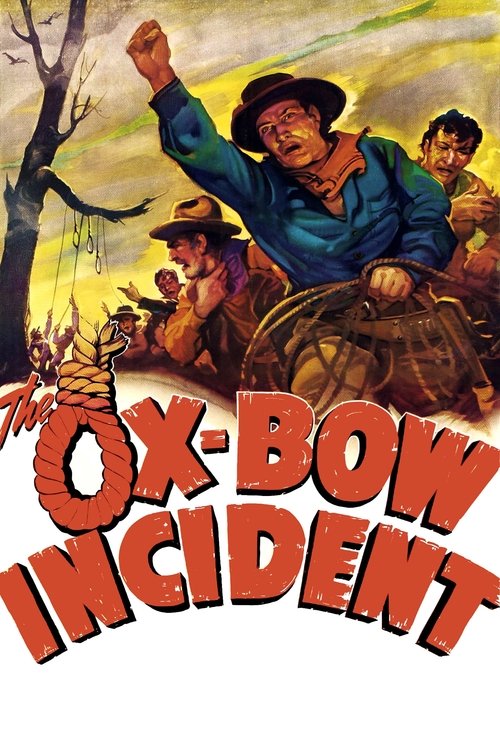
The Ox-Bow Incident1943
Wellman's brutal examination of mob justice and how quickly civilization collapses into violence. Three innocent men are lynched while good people do nothing. It's a masterpiece of moral horror.
But Relentlessly bleak and angry. No heroic redemption, no satisfying justice. Henry Fonda's closing monologue is devastating but offers no comfort.
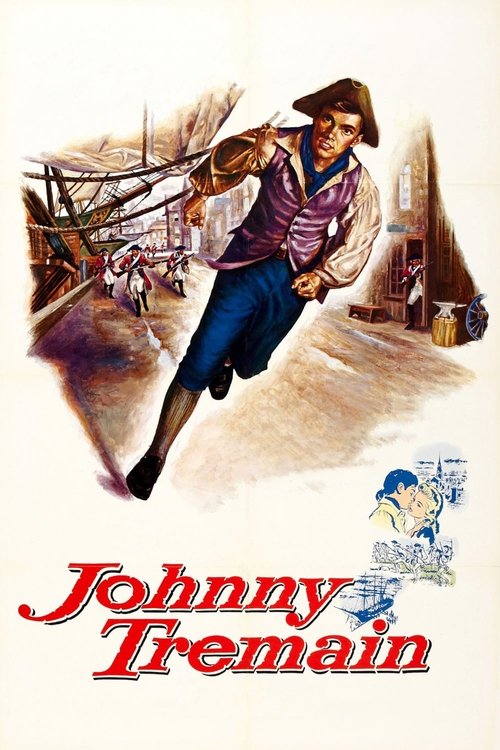
Johnny Tremain1957
Both use historical political conflict (Civil War echoes versus Revolution) as the skeleton for a story about choosing sides. Both suggest that ideology divides communities and forces good people to fight. Dark Command is cynical about this; Johnny Tremain is idealistic. Watching both shows what the same structural question looks like in different registers.
A Disney film about a teenager caught between Patriots and Redcoats during the American Revolution. It's a coming-of-age story dressed as historical adventure, and it actually thinks carefully about ideology, loyalty, and the cost of conviction.
But It's earnest Disney Americana. No moral ambiguity, no roughness. The politics are simplified for young viewers, and that simplification feels quaint to adults.
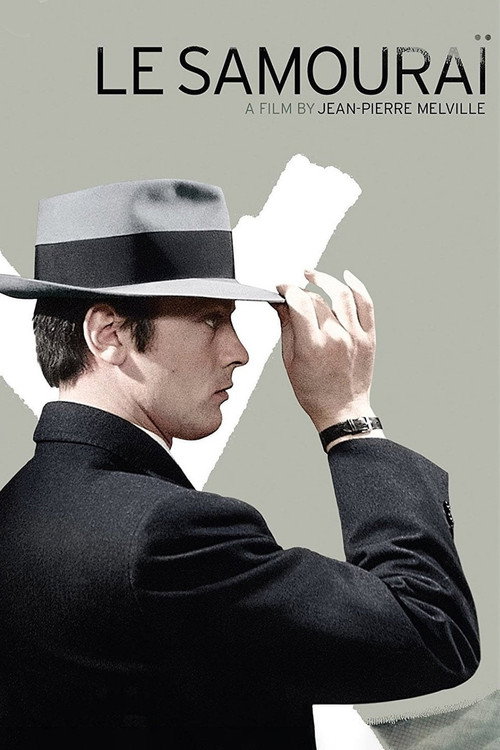
Le Samouraï1967
Both films are about men bound to honor codes that make them vulnerable. Seton has the marshal's code; the Samurai has bushidō. Both are ultimately destroyed or isolated by fidelity to principle in a world that no longer values it. One is a Western; one is a noir. Same tragedy, different costumes.
Melville's ice-cold masterpiece about a hitman living by an obsolete code of honor in modern Paris. Visually perfect, morally austere, and entirely French. Teaches you that the Western's code-and-betrayal structure exists everywhere, in any era.
But Glacial pacing. Minimal dialogue. Absolutely no warmth or humor. The emotional distance is the point, but it reads as cold to viewers seeking connection.
People
Cast
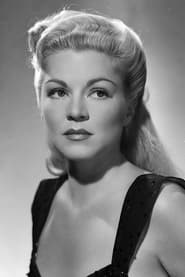 Claire TrevorMiss Mary McCloud
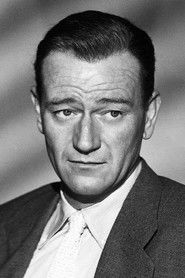 John WayneBob Seton
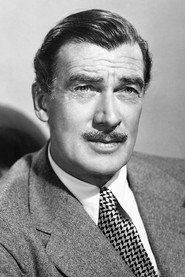 Walter PidgeonWilliam 'Will' Cantrell
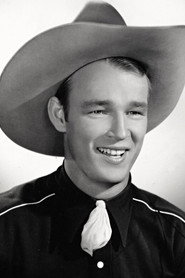 Roy RogersFletcher 'Fletch' McCloud
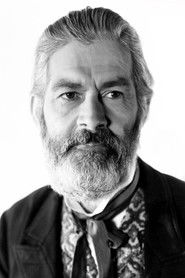 George 'Gabby' HayesAndrew 'Doc' Grunch
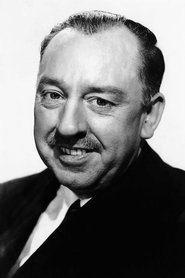 Porter HallAngus McCloud
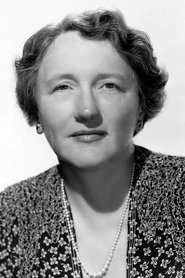 Marjorie MainMrs. Cantrell / Mrs. Adams
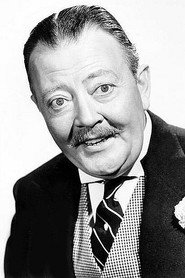 Raymond WalburnJudge Buckner
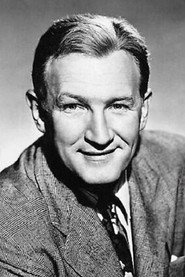 Joe SawyerBushropp
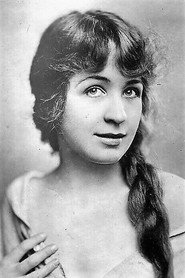 Helen MacKellarMrs. Hale
 Trevor BardetteMr. Hale
Directing
- Raoul WalshDirector
Writing
- Jan FortuneAdaptation
- W.R. BurnettNovel
- F. Hugh HerbertScreenplay
- Grover JonesScreenplay
- Lionel HouserScreenplay
Production
- Sol C. SiegelProducer
- Al WilsonProduction Manager