
Film
Rejoice and Shout
Rejoice and Shout traces gospel music from spirituals through hip-hop, showing how African-American sacred music evolved alongside the community's own history—slavery, migration, civil rights, empowerment. It's a documentary that moves through styles and eras with archival footage, live performances, and testimony from legends like Smokey Robinson and Mavis Staples. You watch it to feel something real.
Should you watch it?
Watch it if you love music history told through the performers who made it, and you want the church pews, the quartet harmonies and the hollering all on screen rather than explained away in a voiceover lecture.
Skip it if you want a tight argument or a critic's perspective; this is more a loving, sprawling survey that leans on the sheer joy of the performances and lets the historical thread drift at times.
What it asks of you: It runs about two hours, moves at a comfortable pace through decades of footage and performance, and asks you to sit with long musical numbers rather than skim past them.
Not sure? Find tonight's pick in a minute.
If you liked this
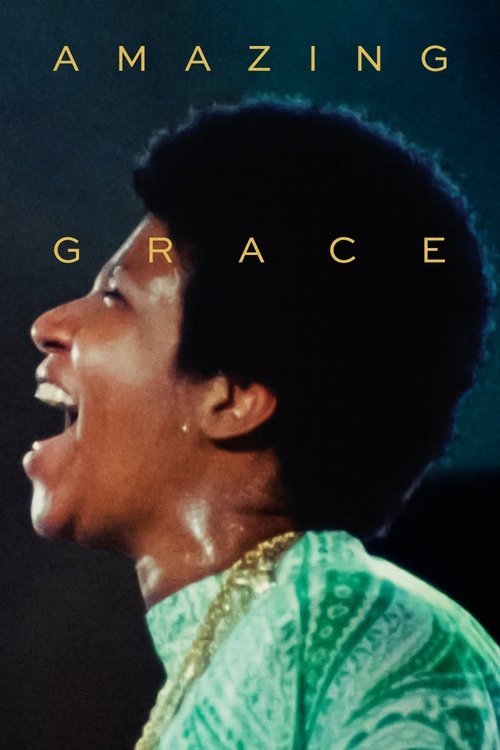
Amazing Grace2018
Aretha Franklin's final studio album recorded live in a Watts church, captured with intimacy and spiritual urgency. Hearing her sing gospel in her own sanctuary is a masterclass in faith and voice—pure transcendence.
But It's ninety minutes of one artist in one room. If you're looking for narrative momentum or variety, the repetition of devotion might feel static.
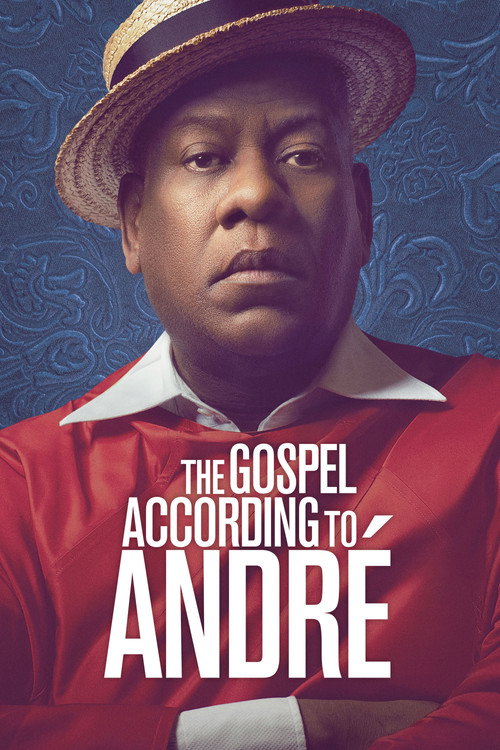
The Gospel According to André2018
Explores how gospel and hip-hop have merged through the eyes of producer André 3000, tracing the spiritual DNA that runs through both. Modern, conversational, and genuinely moving about faith in secular spaces.
But Heavily focused on one artist's perspective rather than a broad survey. Hip-hop fans might find the gospel elements slight; gospel purists might feel it dilutes the tradition.
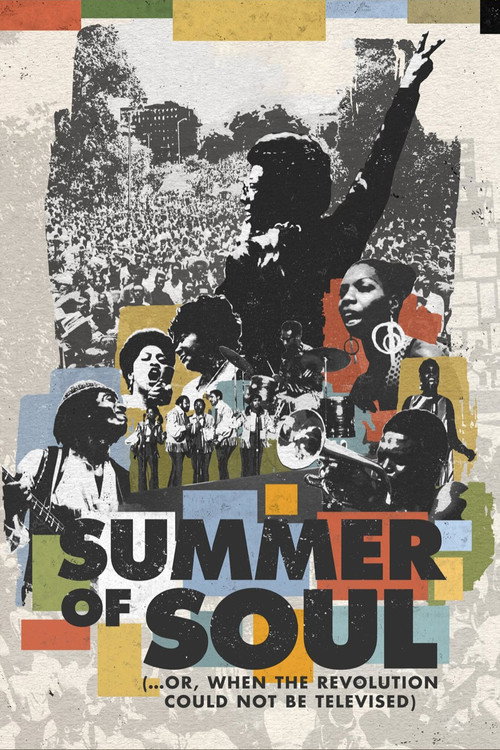
Summer of Soul (...Or, When the Revolution Could Not Be Televised)2021
Questlove's restoration of a 1969 Harlem festival reveals Black music's spiritual core across soul, gospel, and funk. Archival footage is pristine; the joy is contagious; the cultural moment is unmissable.
But The scope is so wide that no single artist gets deep exploration. Running two and a half hours means pacing varies, and some segments move faster than others.
Not sure tonight? Get a pick in a minute, starting from Rejoice and Shout
The wildcard
Something you would not have found on your own.
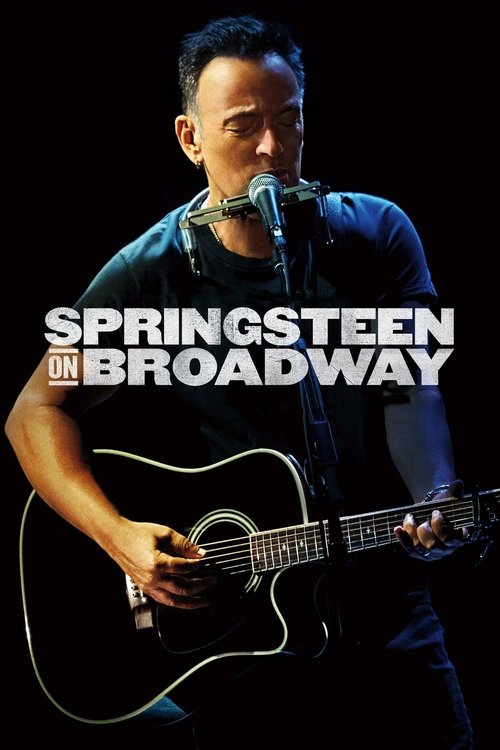
Springsteen on Broadway2018
Both use music as testimony—a witnessing of lived experience. Both understand that singing is a form of prayer, regardless of the hymnal.
Bruce Springsteen solo with a guitar, singing his own songs in a theater, talking about his mother, faith, and working-class life. It's secular but deeply spiritual—the same engine Rejoice and Shout runs on, just in a different register.
But Two hours of one white rock guy telling his story will feel tonally far from gospel's communal joy. If you're not already invested in Springsteen, it's a very long monologue.
More like this (4)
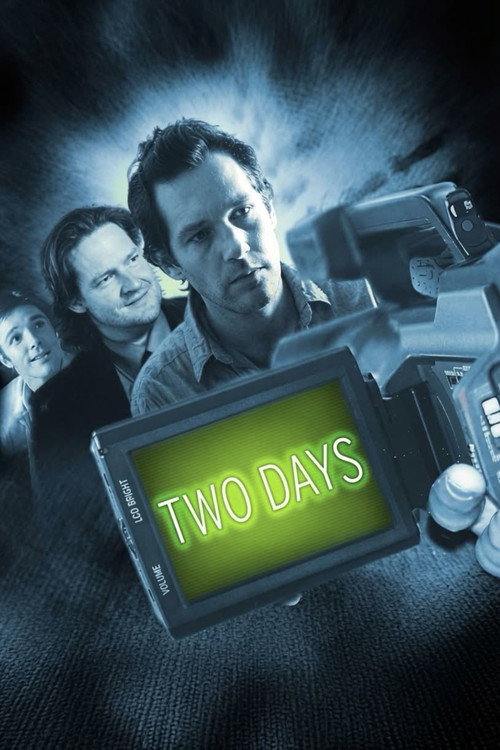
Two Days2003
Follows a church choir competition across two days, revealing how gospel functions as community, competition, and spiritual practice all at once. Tender and funny, with real stakes for the singers.
But The competition format might feel like a reality-show frame for some. It's smaller and slower than a grand historical sweep.
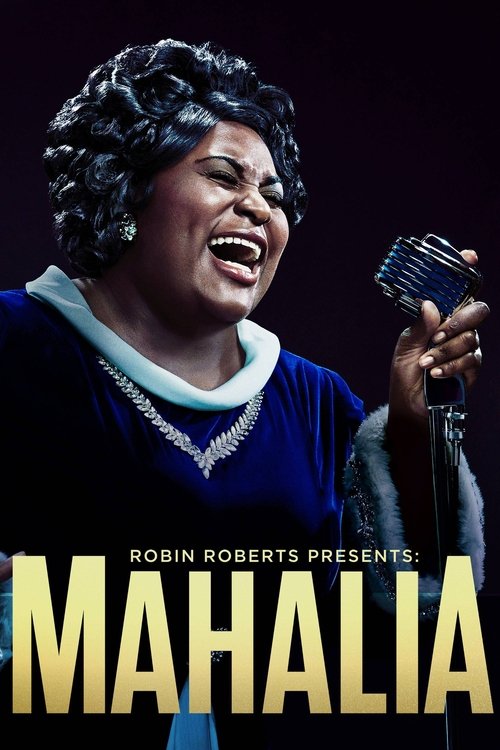
Robin Roberts Presents: Mahalia2021
Natascha Lyonne stars in this biopic of Mahalia Jackson, the gospel legend who bridged sacred and political power. Her voice, her choices, her refusal to compromise—it's a portrait of an artist as activist.
But Takes creative liberties with chronology and detail. If you want strict historical fact, the dramatized approach might frustrate you.
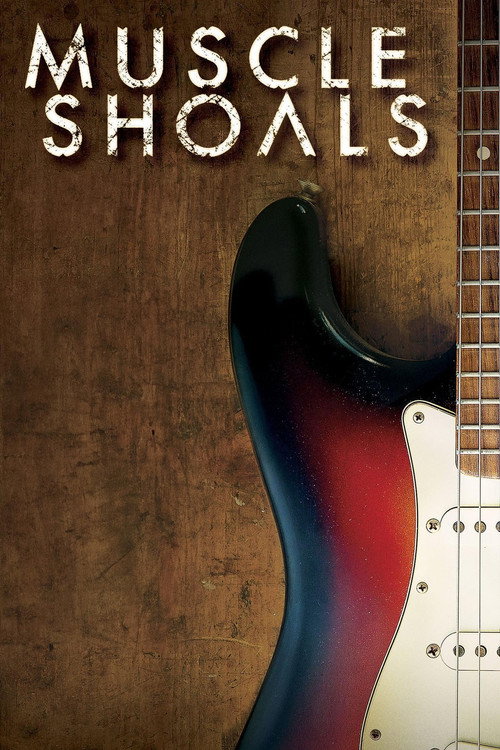
Muscle Shoals2013
Documents the Alabama studio where gospel, soul, and rock converged, with testimony from Aretha Franklin, Alicia Keys, and others. The spiritual foundation of American music becomes audible and visible.
But Focuses heavily on one location's history rather than gospel's broader arc. Some viewers find the mythmaking around the studio itself a bit much.
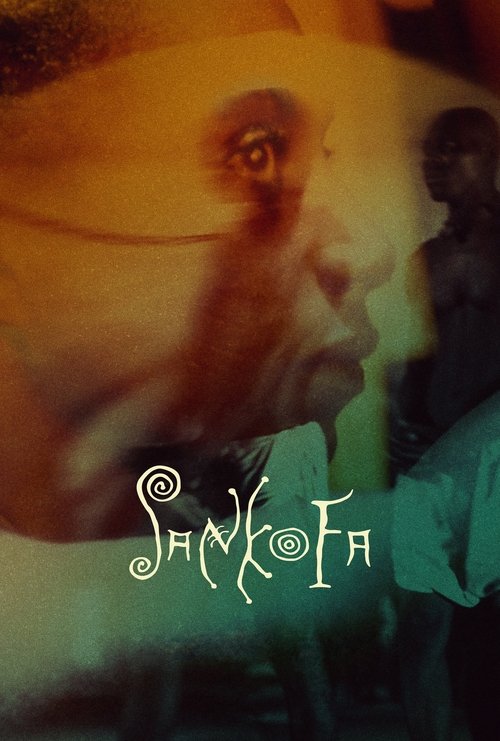
Sankofa1993
Both understand gospel as emerging from a specific history of trauma and survival. Both treat African-American spiritual culture as inseparable from the political struggle for freedom and dignity.
Haile Gerima's visionary film weaves together African diaspora history, slavery, resistance, and spiritual power through a narrative that moves backward and sideways in time. Gospel's history is here too, but embedded in a larger story of African-American continuity and resistance.
But Formally challenging, non-linear, and unapologetically demanding. It's slow, symbolic, and requires active interpretation. Not a comfortable watch.
People
Cast


Directing
- Don McGlynnDirector
Production
- Mark CubanExecutive Producer
Recommended by
Summer of Soul (...Or, When the Revolution Could Not Be Televised), Hallelujah