
Film
The Gentle Trap
A 1960 British crime film about a young locksmith drawn into the underworld. Taut and economical, it works as both a noir-tinged character study and a procedural about how circumstance corrupts. Perfect for anyone fascinated by how ordinary people drift into crime, or who loves early-'60s British studio craft.
Should you watch it?
Watch it if you like tight, low-budget British crime pictures from the early sixties where the menace comes from ordinary people making small, bad decisions rather than from gangland spectacle.
Skip it if you need a fast, polished thriller with big set pieces, since this one is modest in scale and unfolds at a patient pace with plenty of quiet talk.
What it asks of you: It runs under an hour, so it asks for a single evening sitting, and it rewards close attention to faces and small talk more than to action.
Not sure? Find tonight's pick in a minute.
If you liked this
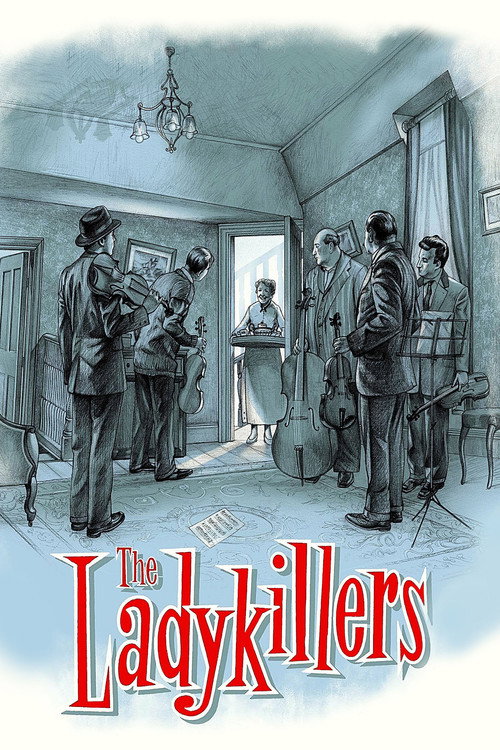
The Ladykillers1955
A gang of criminals posing as musicians rent a room from an elderly landlady. Brilliant Ealing comedy-caper with Alec Guinness leading a stellar ensemble; funny, clever, and surprisingly dark beneath the charm.
But The humour is very much of its era—some gags land softly and the pacing depends on patience with dialogue-heavy scenes.
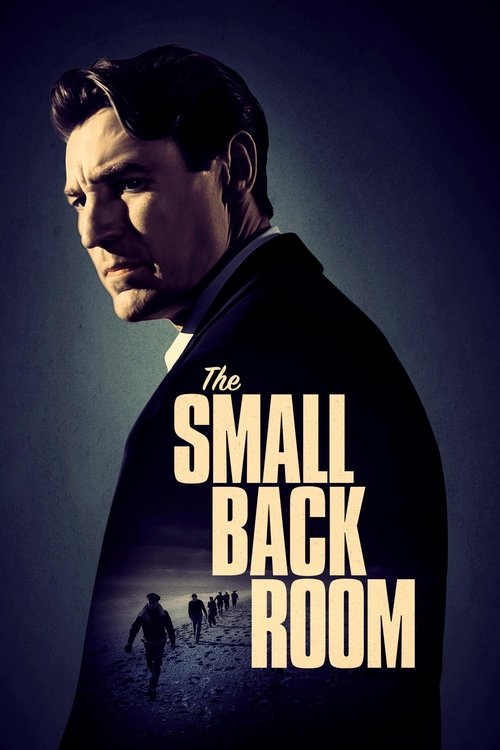
The Small Back Room1949
A brilliant but troubled bomb-disposal expert struggles with addiction and office politics during wartime. Powell and Pressburger's masterpiece: psychologically acute, visually inventive, and genuinely moving without being sentimental.
But At 106 minutes, it's considerably longer and more introspective than most crime thrillers; the melodrama in the final act won't suit everyone.
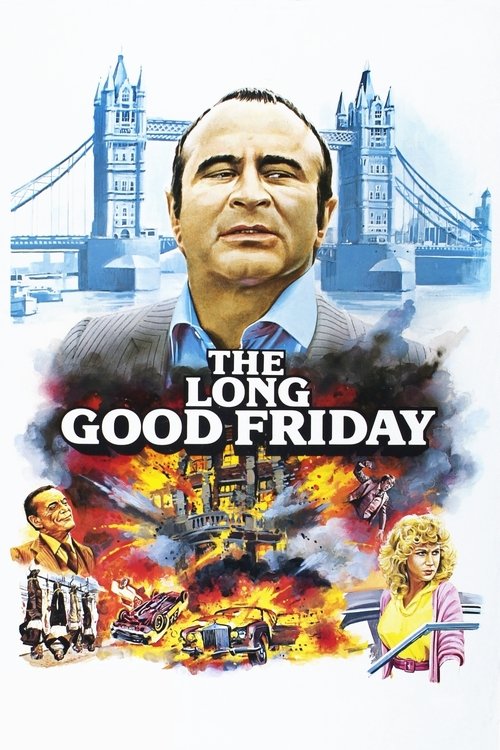
The Long Good Friday1980
A London crime boss's Easter weekend collapses into violence and paranoia when mysterious forces strike his empire. Pacino-level intensity with Bob Hoskins at his absolute peak; brutal, intelligent, perfectly paced.
But The violence is sudden and genuinely shocking; some viewers find the cockney-noir register affected or the plot's resolution frustratingly opaque.
Not sure tonight? Get a pick in a minute, starting from The Gentle Trap
The wildcard
Something you would not have found on your own.
Rififi1955
Both are trim 1950s crime films about skilled men drawn into darkness; both treat their protagonists' corruption as inevitable, not melodramatic. *Rififi* is the template *The Gentle Trap* refinishes for British audiences.
A master safecracker emerges from prison to plan the perfect heist, but pride and loyalty undo him. Dassin's French masterpiece is a direct precursor to your film's DNA: economical, morally precise, with the famous silent robbery sequence that rewrote cinema.
But The print is not always pristine; the French dialogue and subtitles may deter, and the pacing is methodical rather than thrilling.

More like this (8)
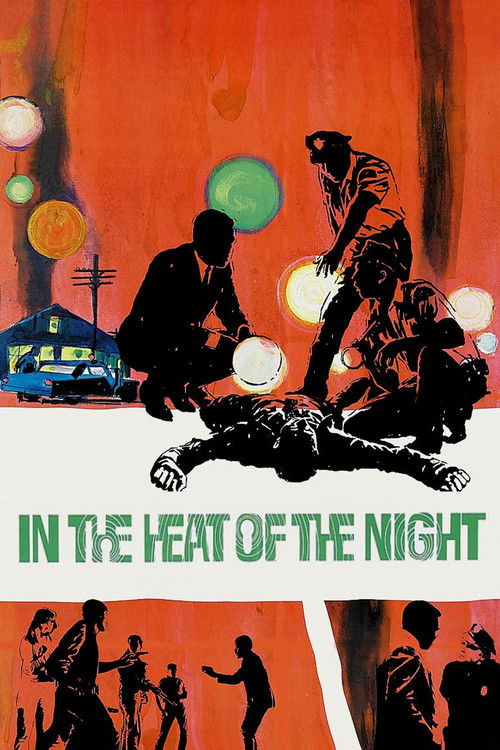
In the Heat of the Night1967
A Black Philadelphia detective investigates a murder in rural Mississippi. Tense, superbly acted, and morally serious; Sidney Poitier and Rod Steiger ignite every scene. Essential American crime cinema.
But The racial tensions, while historically vital, can make viewing uncomfortable; the detective-story mechanics are sometimes secondary to social commentary.
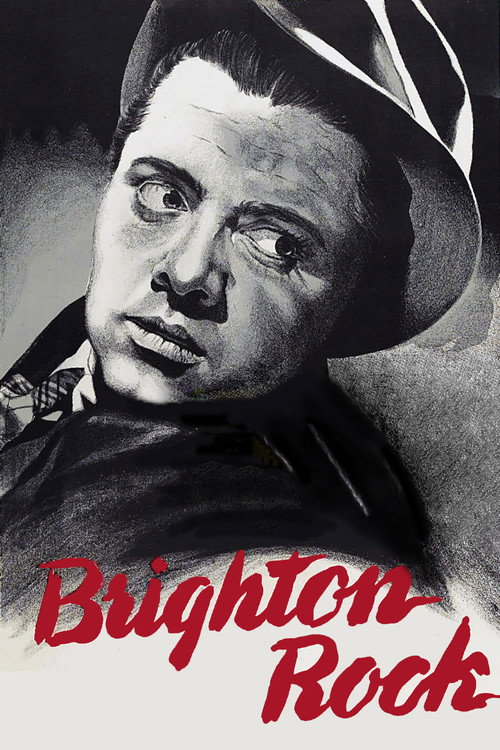
Brighton Rock1948
A teenage gang leader in 1930s Brighton commits murder and spirals. Carol Reed's masterpiece: claustrophobic, baroque, psychologically vicious. Atkinson's performance is unforgettable and genuinely frightening.
But Bleak and often depressing; the young protagonist is repellent rather than sympathetic, and the Catholic theology underlying it can feel heavy-handed.
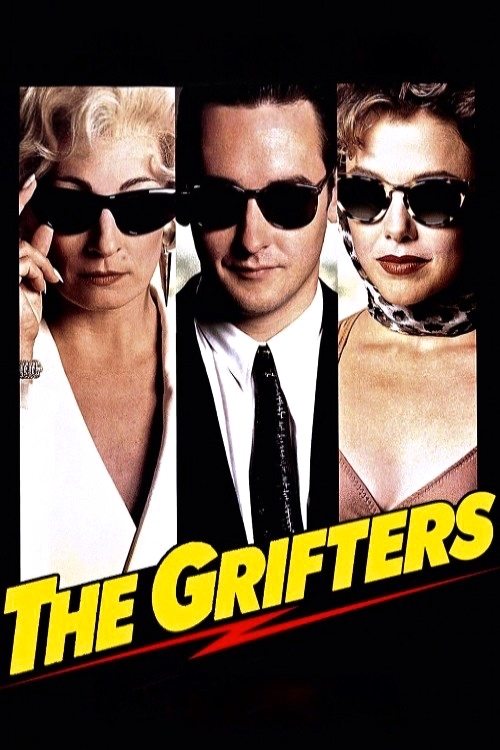
The Grifters1990
Con artists—a mother, son, and girlfriend—circle each other with increasing desperation and betrayal. Frears directs with surgical precision; Huston, Buscemi, and Dillon create a triangle of pure moral corruption.
But Utterly cynical with no redemptive arc; the sexual content is explicit and the ending offers no comfort whatsoever.
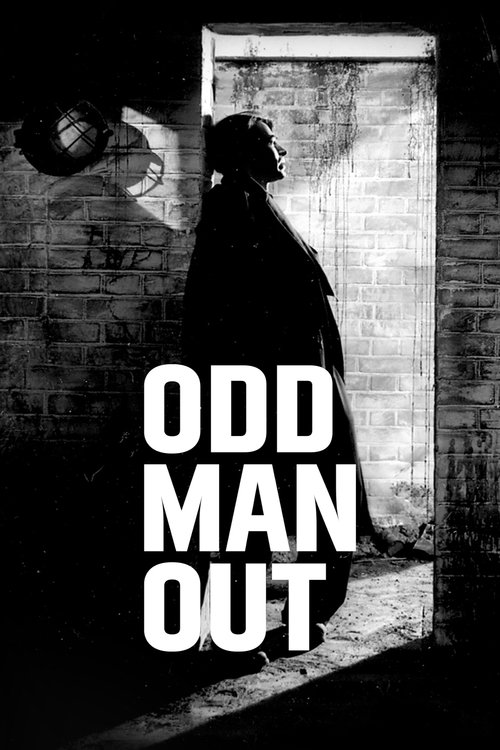
Odd Man Out1947
An injured IRA gunman hides in Belfast as night falls, and the city becomes surreal and menacing. Carol Reed again: expressionist, poetic, one of cinema's great portraits of desperation and dissolution.
But The political context of 1940s Irish independence may feel distant; the deliberate stylisation and dream-logic frustrate viewers wanting straightforward narrative.
The Killing1956
A racetrack heist told in fractured chronology with Kubrick's formal brilliance already evident. Tense, elegant, and endlessly rewatchable; the fractured timeline was innovative and the cynicism complete.
But The fractured structure demands attention and rewards repeat viewing, which some find gimmicky; the fatalism can feel cold rather than tragic.

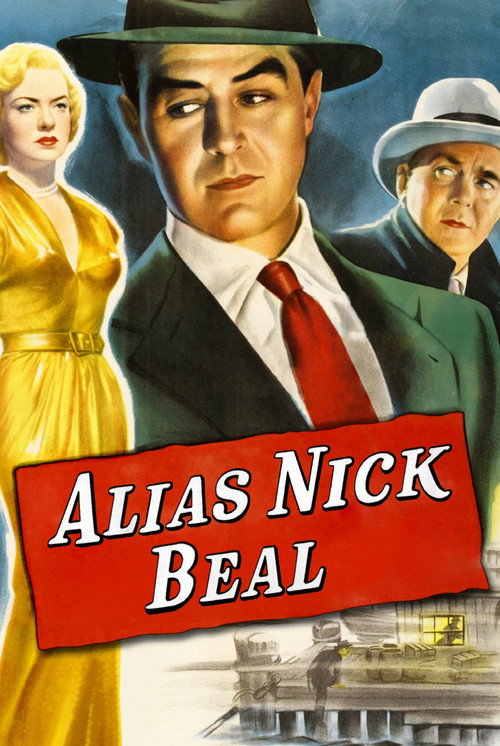
Alias Nick Beal1949
A devil-figure tempts an honest district attorney into corruption. Ray's noir is stylish and philosophically ambitious, with Thomas Mitchell and Audrey Totter superb; it's Faust as 1940s American crime.
But The allegory is explicit and heavy; some find the supernatural element undoes the realism, and the moral lessons can seem didactic.
A Prophet2009
Both track the seduction of young men into crime with unflinching clarity. Where your 1960 film shows the trap springing, *A Prophet* shows the slow, exhilarating climb into the prison of ambition itself.
A young man enters prison and rises through cunning, charisma, and ruthlessness into becoming a kingpin. Audiard's masterpiece: visceral, intelligent, and genuinely terrifying. A modern-day trajectory that answers the question your film poses.
But Graphic violence, long runtime, French dialogue, and a bleak worldview; the prison authenticity can be numbing rather than compelling.

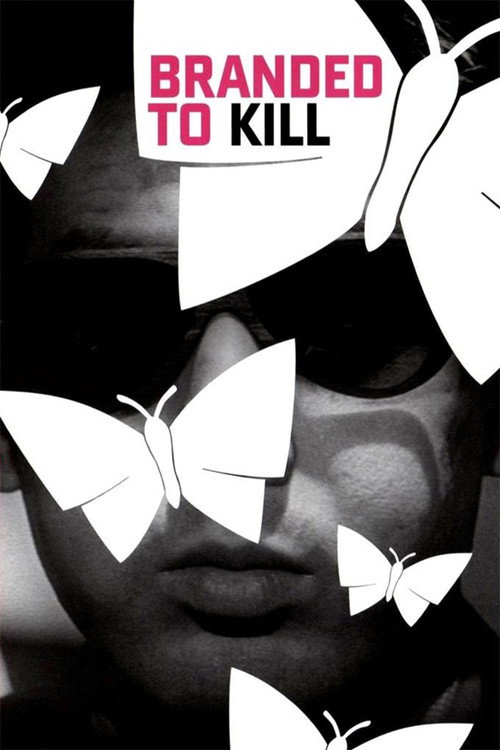
Branded to Kill1967
Like your film, it's a economical meditation on professionalism and how desire corrupts discipline. But where *The Gentle Trap* is realist, this transforms the crime thriller into something hallucinatory and poetic—a different register answering the same question.
A Tokyo hitman becomes entangled with a mysterious woman and begins to lose his professional edge. Masaki Kobayashi's surreal masterpiece: erotically charged, formally audacious, and utterly hypnotic. Crime film as fever dream.
But The narrative is fragmented and allegorical; Japanese cinema's elliptical approach may frustrate Western viewers expecting clarity; the sexuality is provocative and odd.
People
Cast
- Spencer TeakleJohnny Ryan
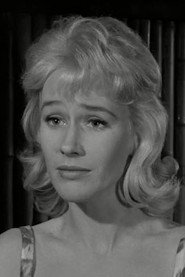 Felicity YoungJean
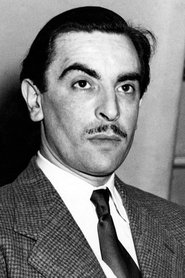 Martin BensonRicky Barnes
- Dorinda StevensMary
- Dawn BrooksSylvia
- John DunbarUncle
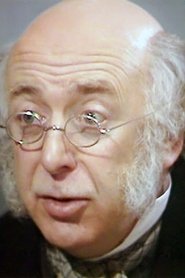 Keith MarshPete
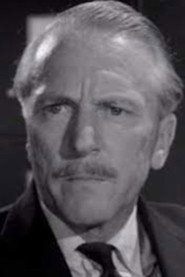 Trevor ReidInspector Stevenson
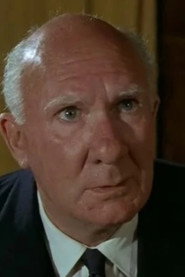
- Larry BurnsTed
Directing
- Charles SaundersDirector
Writing
- Brock WilliamsScreenplay
- Guido CoenStory
Production
- Jack ParsonsProducer