
Film
Alias Nick Beal
A Faustian noir where a district attorney's casual wish to destroy a mob boss summons a mysterious fixer with impossible evidence. Ray Milland's pursuit of power unfolds against 1949's shadow-noir Los Angeles, less about crime than corruption—the kind that starts with one compromise and ends with your soul gone. It's a moral thriller that never winks at the supernatural elements it dangles.
Should you watch it?
Watch it if you enjoy moral parables told with noir shadows and a devil who is more charming than frightening, where the temptation feels reasonable right up until it doesn't.
Skip it if you want fast pacing or modern visual flair, since this 1949 black-and-white film moves at a measured, talky pace and its supernatural elements are handled with old-fashioned restraint.
What it asks of you: Ninety-three minutes of dialogue-driven scenes that reward patience and close attention, with a slow build toward a moral reckoning rather than constant action.
Not sure? Find tonight's pick in a minute.
If you liked this
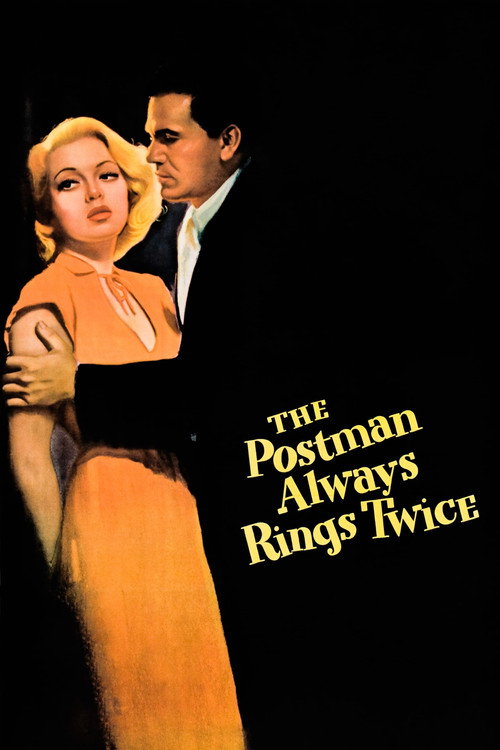
The Postman Always Rings Twice1946
Lana Turner and John Garfield's combustible chemistry burns through this tale of passion, murder, and a man drawn into darkness by desire. It's the template for how desire corrupts, shot through with genuine eroticism and dread.
But The pacing feels leisurely by modern standards, and the Production Code keeps things suggestive rather than explicit, which can soften the impact.
In a Lonely Place1950
Humphrey Bogart as a Hollywood screenwriter suspected of murder—paranoid, talented, and increasingly unhinged. It's a portrait of a man's character unraveling, shot with genuine psychological complexity and real darkness.
But The film is as interested in Bogart's protagonist as a cautionary study as it is in the plot, which means it's sometimes static and observational rather than propulsive.

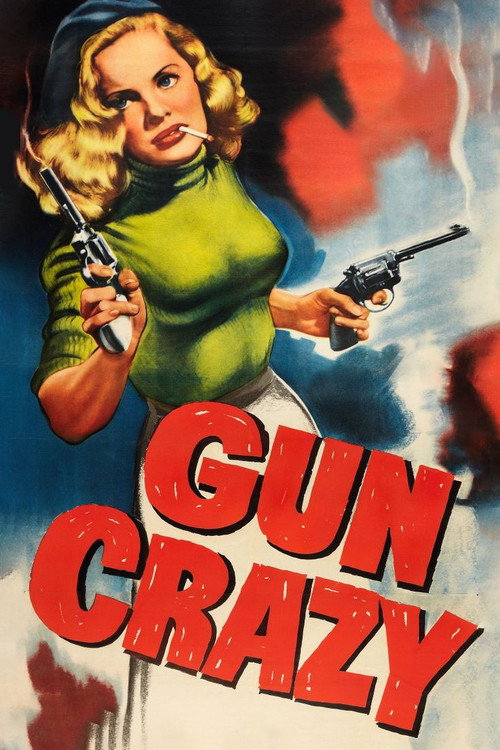
Gun Crazy1950
A couple on the run, shot with kinetic energy and genuine affection between two doomed people. Lovers' Lane romance twists into something violent and tragic—raw and unpolished in the best way.
But It's a B-picture with modest production values, and the violence that makes it interesting may feel tame unless you're attuned to 1950 standards.
Not sure tonight? Get a pick in a minute, starting from Alias Nick Beal
The wildcard
Something you would not have found on your own.
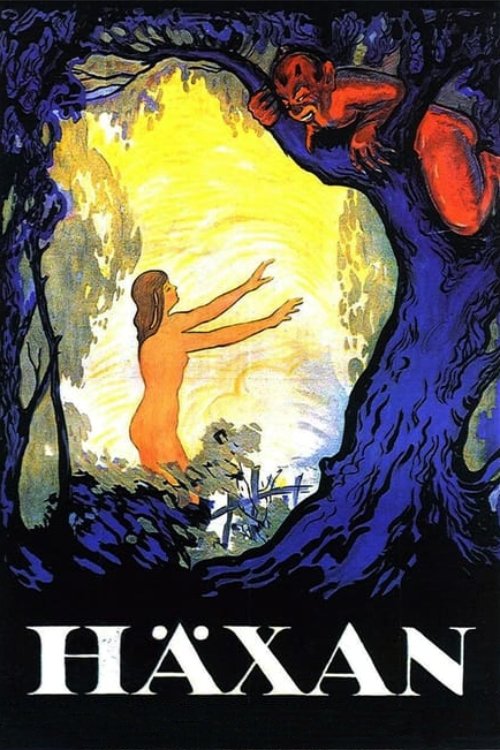
Häxan1922
Both use the devil—literal or figurative—as a manifestation of corruption within society, not as a supernatural intrusion into it. The deal with darkness reveals what was always already there in the character.
A Swedish silent film about witchcraft that uses supernatural horror as a framework for social commentary—exactly like Nick Beal does. It's visually extraordinary, genuinely disturbing, and utterly unique: Faustian bargains told through image rather than plot.
But It's a silent film from 1922, which means you're reading subtitles and acclimating to pre-talkie acting conventions. Some sequences are genuinely grotesque in ways that can be difficult.
More like this (7)
The Asphalt Jungle1950
John Huston's methodical heist film is the ur-text: criminals planning a job with professional precision, each with their own desperation. It moves with absolute confidence and influenced everything that came after.
But The ensemble structure means no single character dominates, and the pacing is deliberate—it's a blueprint more than a roller coaster.

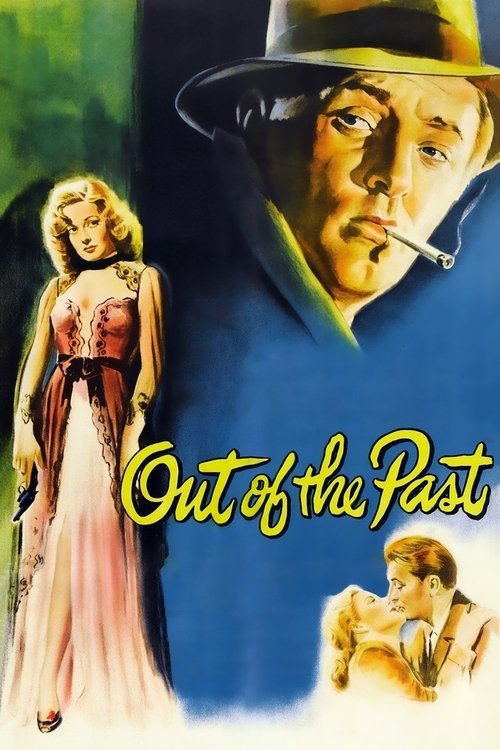
Out of the Past1947
Robert Mitchum and Kirk Douglas in a tangled web of blackmail and desire, narrated with bourbon-soaked cynicism. The femme fatale is genuinely dangerous, and the moral geography is completely inverted.
But Plot clarity sometimes takes a back seat to atmosphere and mood, which can feel frustrating if you need everything spelled out.
The Killers1946
Burt Lancaster as a man waiting for death, and the noir machinery that got him there. It's elegantly constructed, with a ticking-clock inevitability and genuine melancholy.
But It's more interested in character and mood than plot momentum, which means it can feel slow to viewers expecting a conventional thriller.

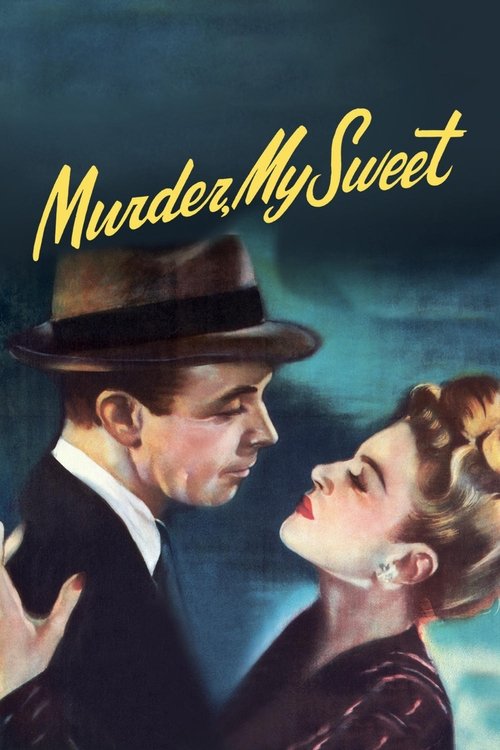
Murder, My Sweet1944
Dick Powell's hard-boiled detective caught in a web of blackmail and violence, shot with compositional brilliance. It proved noir could be intellectually satisfying and entertaining simultaneously.
But Some plot threads are genuinely confusing, and the film trusts you to keep up without always providing clarity.
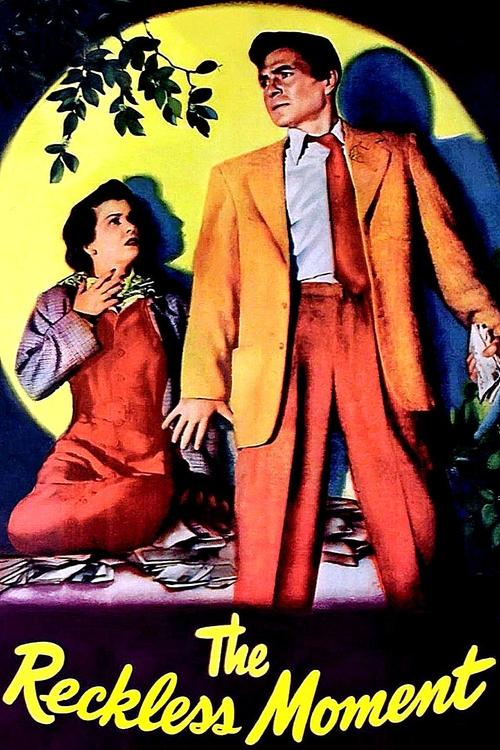
The Reckless Moment1949
James Mason as a blackmailer who develops genuine feeling for the woman he's exploiting. It's achingly intimate, with moral complications that resist easy answers.
But The stakes are domestic and psychological rather than physical, which means the tension is low-key and some viewers will find it slow.
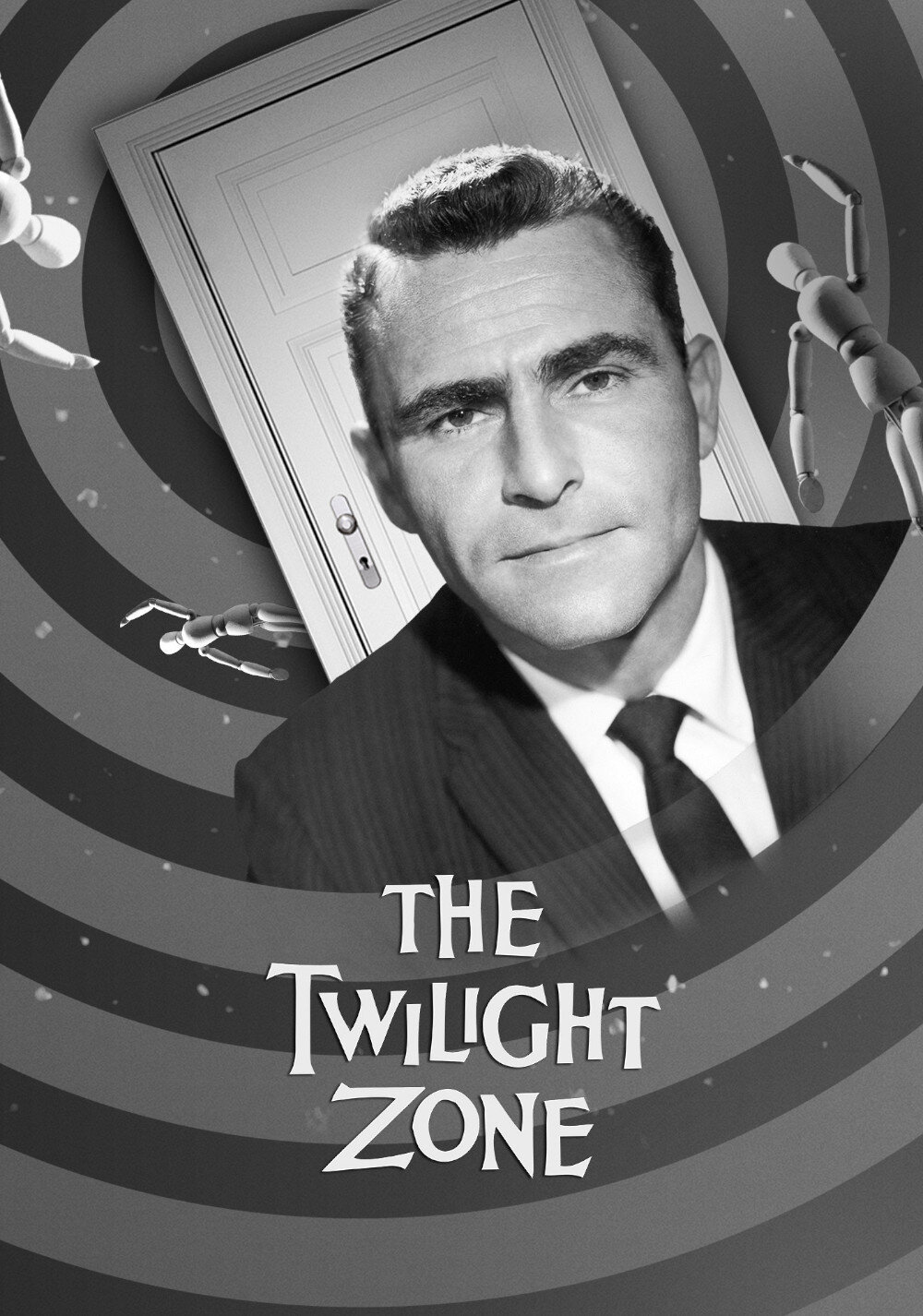
The Twilight Zone1959
Nick Beal feels like a feature-length Twilight Zone episode: a contemporary man in a recognizable setting encountering something impossible that asks whether he's being tested or merely shown what he already wanted.
Rod Serling's science fiction anthology made the philosophical parable into popular television. Episodes like 'The Printer's Devil' and 'The Howling Man' explore similar Faustian territory—a man's weakness as the real horror.
But It's episodic by nature, so you're hunting for the episodes that land rather than watching a sustained narrative. Production values are modest, and not every episode works.
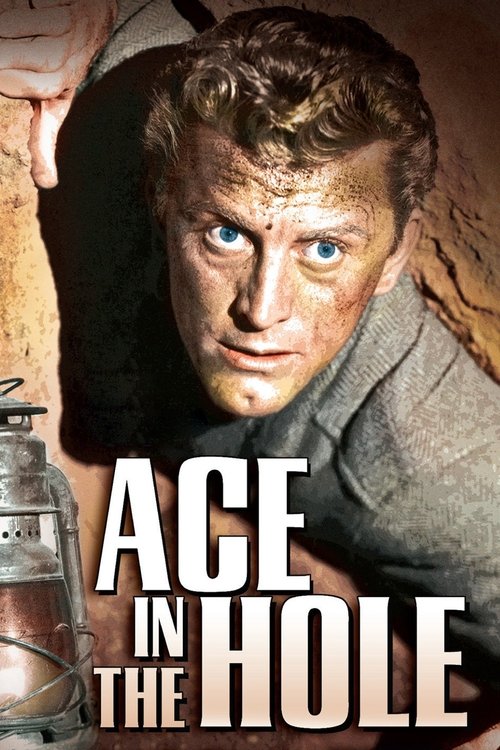
Ace in the Hole1951
Both are about recognizable, flawed men granted a second chance and choosing corruption instead of escape. The apparatus of temptation reveals character; it doesn't create it. Both suggest the devil's greatest power is simply showing us ourselves.
Billy Wilder's savagely cynical portrait of a desperate journalist exploiting a tragedy for a comeback. It's about the precise moment ambition calcifies into monstrosity, shot with such contempt for its protagonist that you feel complicit watching it.
But It's nasty—not to look at, but in its moral atmosphere. There's no one to root for, and the film punishes your need for redemption.
People
Cast
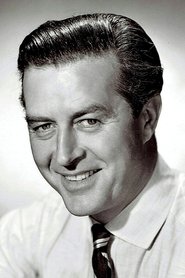 Ray MillandNick Beal
 Audrey TotterDonna Allen
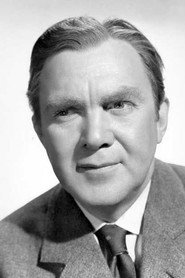 Thomas MitchellJoseph Foster
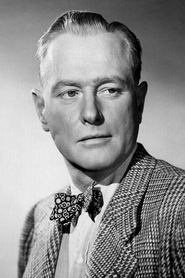 George MacreadyThomas Garfield
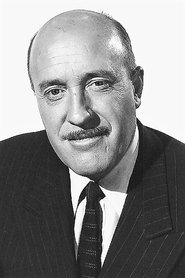 Fred ClarkFrankie Faulkner
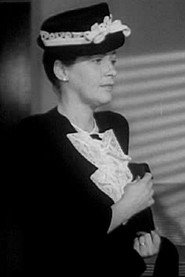 Geraldine WallMartha Foster
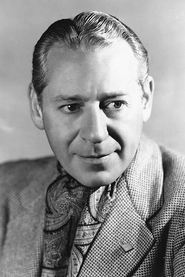 Henry O'NeillJudge Ben Hobbs
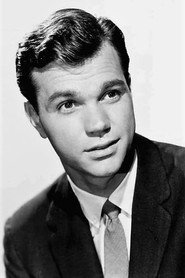 Darryl HickmanLarry Price
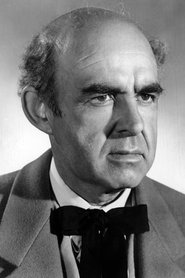 Nestor PaivaKarl
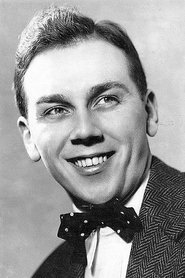 King DonovanPeter Wolfe
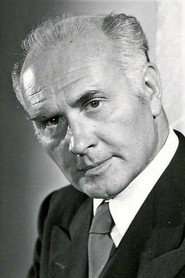 Charles EvansPaul Norton
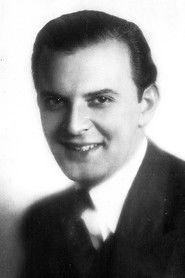 Ernö VerebesMr. Cox
Directing
- Francisco DayAssistant Director
- John FarrowDirector
- Charles MortonScript Supervisor
Writing
- Jonathan LatimerScreenplay
- Mindret LordStory
Production
- Endre BohemProducer
- John L. MurphyProduction Manager
- Stanley GoldsmithProduction Manager