
Film
Doctor Who: The Underwater Menace
Patrick Troughton's Doctor arrives at a hidden Atlantean civilization hidden inside a volcano. A taut, cleverly plotted adventure that captures early Who at its most inventive, where the threat feels credible and the character work matters as much as the spectacle. Essential viewing for anyone curious about how science fiction television actually began.
If you liked this
Doctor Who2005
Troughton's first appearance as the Doctor facing his most iconic enemy. The story builds unbearable tension as the Daleks manipulate their way toward power, and you understand immediately why he became the definitive Doctor.
But Like most early Doctor Who, it's reconstructed from audio and still images rather than complete film. The pacing assumes a audience willing to sit with slow-burn dread.

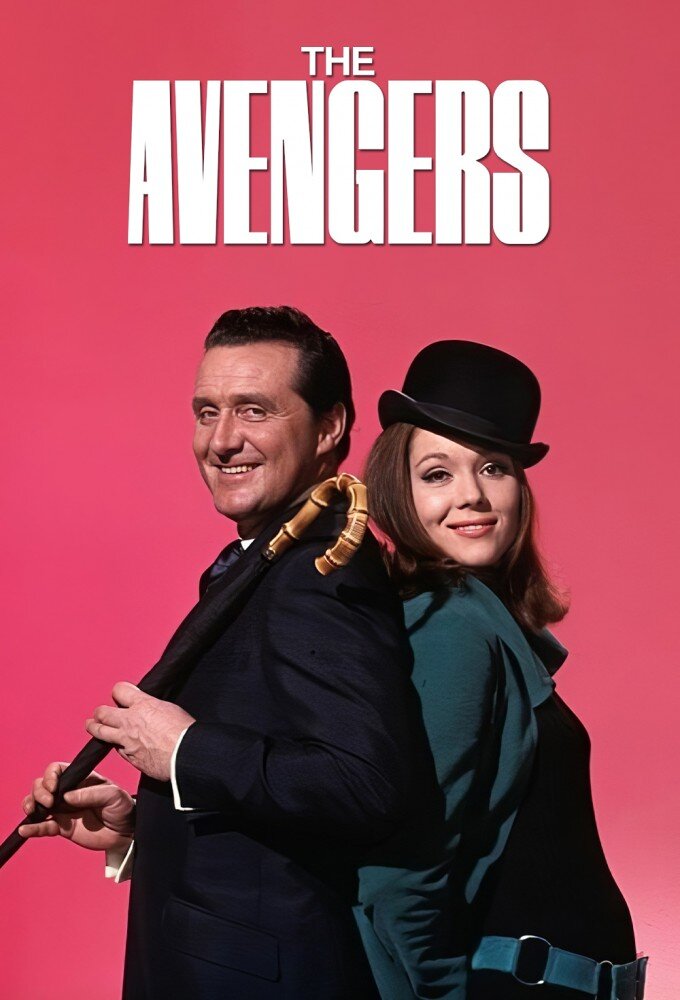
The Avengers1961
Steed and Mrs. Peel navigate a Britain of impossible threats and secret installations with style and wit. Each episode is a perfectly tooled intrigue, and the chemistry between leads feels genuinely dangerous in the best way.
But It's very much of its moment—the aesthetics and gender politics, while progressive for 1965, show their age. Some viewers find the tone too arch to take seriously now.
The Twilight Zone1959
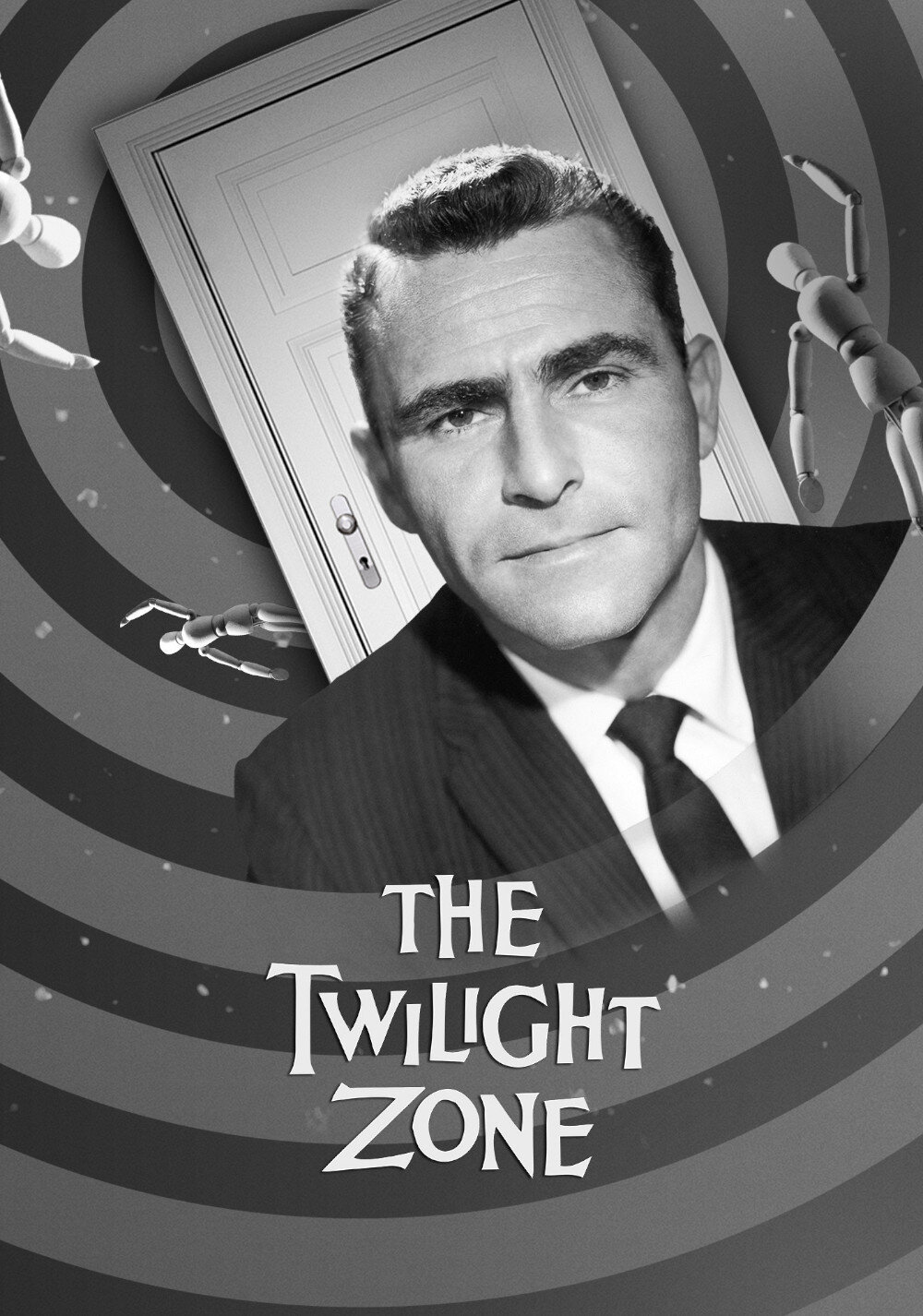
Serling's anthology series proves that speculative fiction can be lean, dark, and philosophically serious on a TV budget. The best episodes linger because they ask questions that matter, not because of what happens onscreen.
But Not every episode lands. The hit rate is genuinely good but uneven, and some of the twist-ending structure feels quaint beside modern storytelling.
Not sure tonight? Get a pick in a minute, starting from Doctor Who: The Underwater Menace
The wildcard
Something you would not have found on your own.
Forbidden Planet1956
Both are adventure stories about exploration meeting hubris in enclosed spaces where the environment itself becomes a character. Both trust their premises completely.
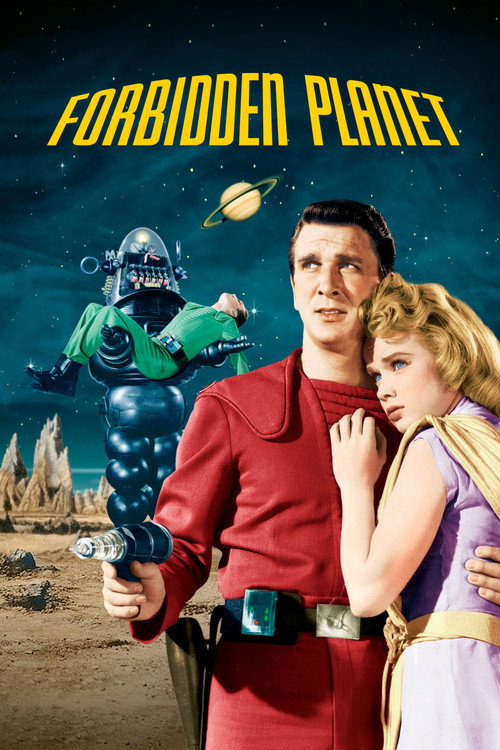
Shakespeare's Tempest rewritten as hard sci-fi, shot in Technicolor on a alien planet with the single most influential robot in cinema history. It's simultaneously campy and genuinely thoughtful about power, isolation, and the technological sublime.
But The gender politics are patronizing even by 1956 standards, and the resolution hinges on ideas about male authority that modern viewers won't forgive.
More like this (7)
Quatermass and the Pit1967
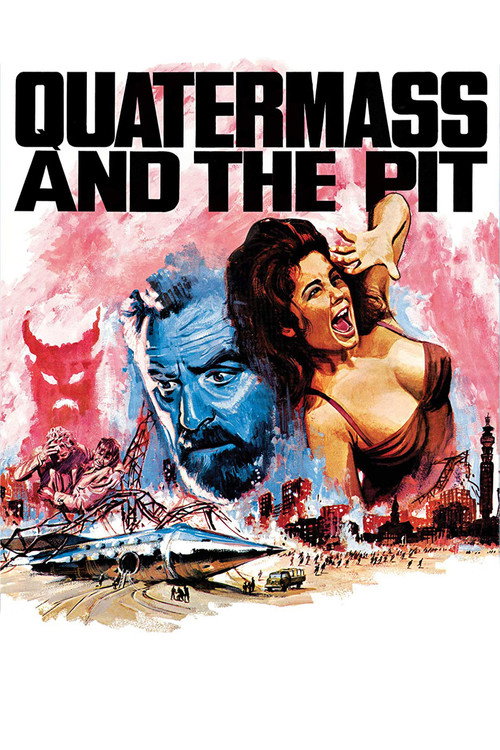
A mysterious artifact beneath London opens onto something vast and ancient. It's the template for every alien archaeology thriller that followed, made with real dread and genuine intellectual ambition. British sci-fi at its peak.
But The pacing is deliberate. Special effects are deliberately understated. If you need constant visual spectacle, this will feel slow.
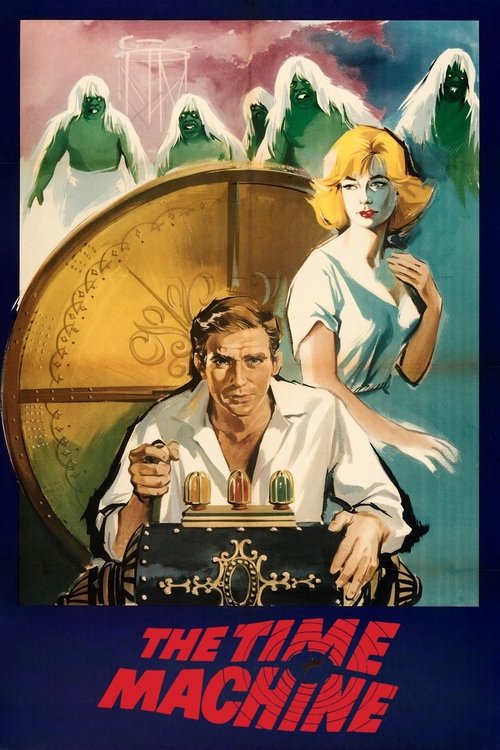
The Time Machine1960
George Pal's adaptation captures the genuine melancholy of Wells's premise—traveling through time as an act of desperate loneliness. The Victorian ingenuity of the time machine itself is gorgeously realized.
But The social commentary hasn't aged as subtly as Wells intended. The Morlocks and Eloi feel more like 1960s anxiety than timeless allegory.
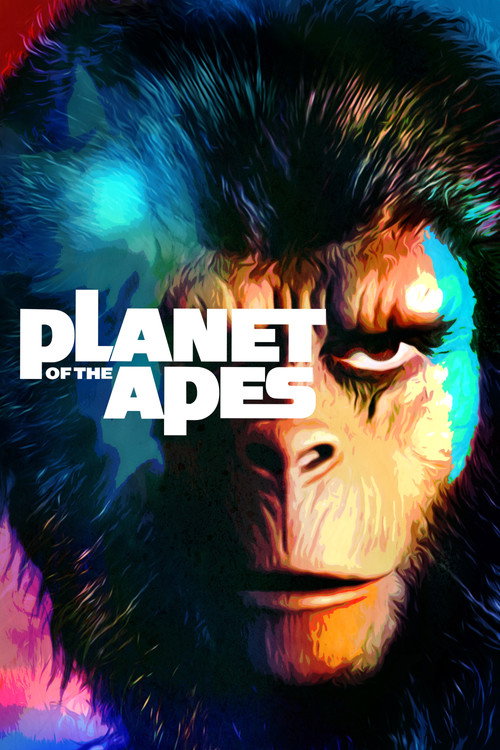
Planet of the Apes1968
One of the rare blockbusters that wears its social allegory on its sleeve without apologizing for it. The twist ending is iconic, but it's the middle stretch—watching a familiar world operate by unfamiliar rules—that genuinely disorients.
But The ape makeup, while extraordinary for the time, reads more as theatrical now. Some viewers find the social commentary too blunt to be subtle.
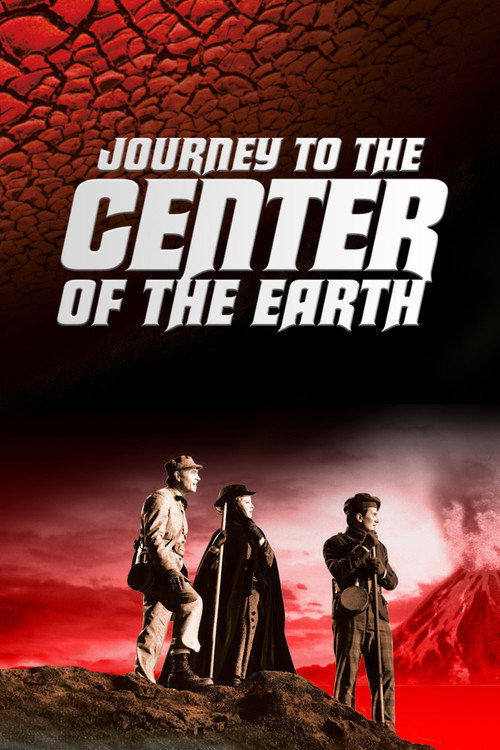
Journey to the Center of the Earth1959
Brackett and Boone's Jules Verne adaptation is earnest adventure in the old style—a diverse team descending into mystery with wonder rather than irony. It's unpretentious and genuinely entertaining.
But The science is nonsense even by 1959 standards, and the tone swings inconsistently between adventure and camp without quite committing to either.
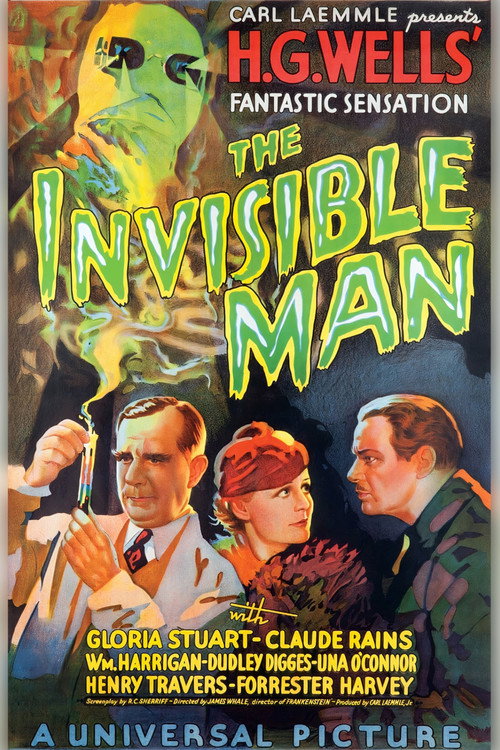
The Invisible Man1933
James Whale's version of Wells isn't just a monster movie—it's a portrait of power and paranoia, with Claude Rains delivering a performance entirely through voice and presence. Startlingly modern in how it thinks about invisibility as metaphor.
But It's seventy years older than The Underwater Menace, and the film stock shows it. The pace and style are radically unfamiliar to anyone weaned on contemporary cinema.
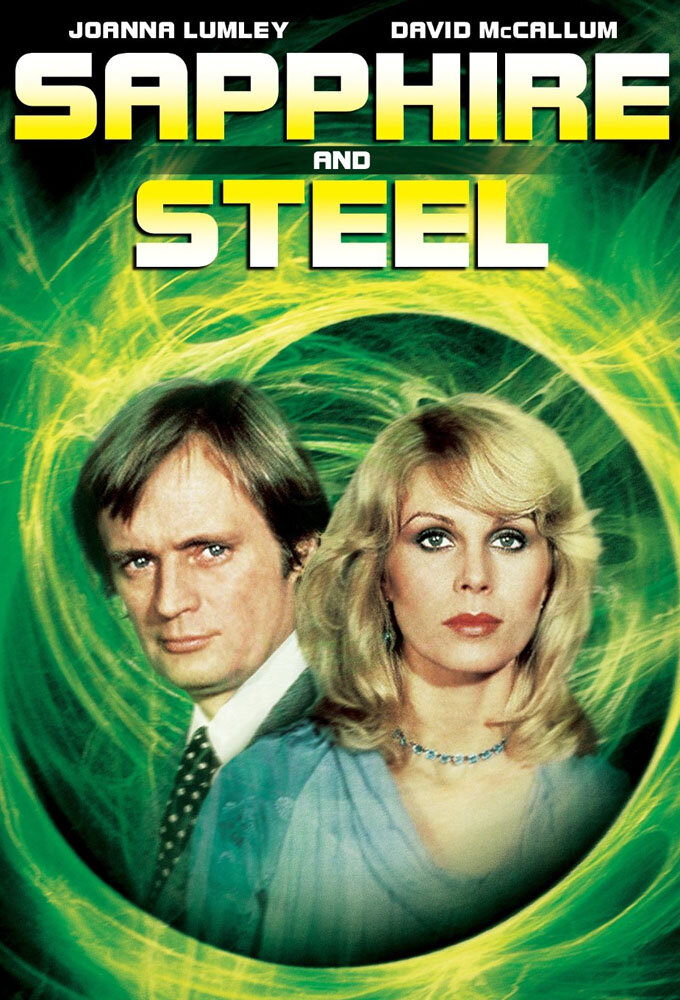
Sapphire and Steel1979
Like The Underwater Menace, it's a British sci-fi serial about a small team arriving at a place where the rules have already been broken before they arrive. Both understand that the real threat is understanding.
Six seasons of networked mysteries that treat time itself as a hostile force. It's denser and stranger than Doctor Who, all atmosphere and implication, with production design that suggests wrongness through subtlety rather than spectacle.
But Episodes assume you're paying complete attention and won't explain themselves. The stories sometimes unravel under scrutiny. It's slow and genuinely weird in ways that alienate viewers wanting conventional closure.
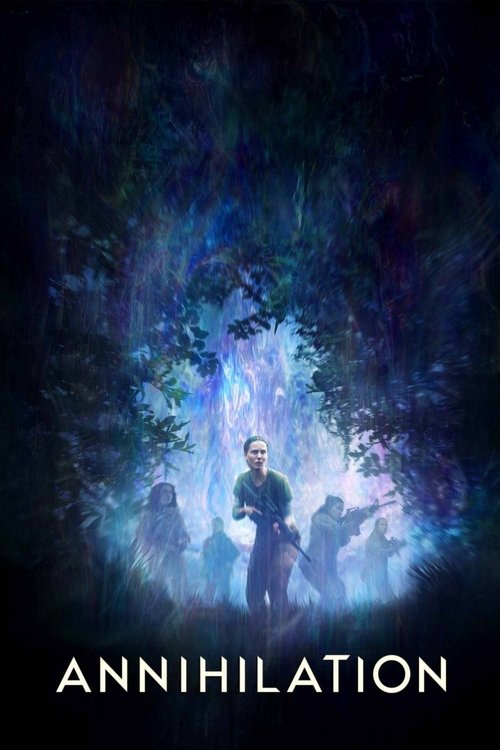
Annihilation2018
Both take the formula of scientists entering an isolated, contaminated zone and reframe it as a story about transformation and the limits of human knowledge. Both end with the implication that survival might be the worst outcome.
A team of women enters a zone where reality has been subtly rewritten by something entirely indifferent to human understanding. It's methodical, beautiful, and genuinely unsettling in a way blockbusters rarely achieve.
But It doesn't explain itself. The science is deliberately vague. The ending is abrupt and leaves you uncertainly what you've witnessed. It requires active interpretation rather than passive consumption.
People
Cast
 Patrick TroughtonThe Doctor
 Anneke WillsPolly
 Michael CrazeBen Jackson
 Frazer HinesJamie McCrimmon
 Joseph FürstZaroff
 Colin JeavonsDamon
 Noel JohnsonKing Thous
 Tom WatsonRamo
- Peter StephensLolem
 Gerald TaylorDamon's Assistant
- P.G. StephensSean
Directing
- Julia SmithDirector
Writing
- Gerry DavisScript Editor
- Geoffrey OrmeWriter
Production
- Innes LloydProducer