
Film
The Missiles of October
A taut 1974 dramatization of the Cuban Missile Crisis that treats nuclear brinkmanship as intimate human drama. William Devane's Kennedy and Martin Sheen's RFK navigate thirteen days of calculated tension, backroom argument, and the weight of potential apocalypse. Gripping, intelligent, and remarkably restrained—this is how you make history feel urgent without betraying it.
Should you watch it?
Watch it if you like political drama built from closed-door arguments, where the tension lives in what people say across a conference table rather than in explosions or chases.
Skip it if you want a fast, action-driven thriller; at roughly two and a half hours it moves through long stretches of deliberation, and the stakes unfold through talk rather than spectacle.
What it asks of you: It asks for patience and sustained attention across a long runtime, with a measured, deliberate rhythm and a serious, unhurried tone throughout.
Not sure? Find tonight's pick in a minute.
If you liked this
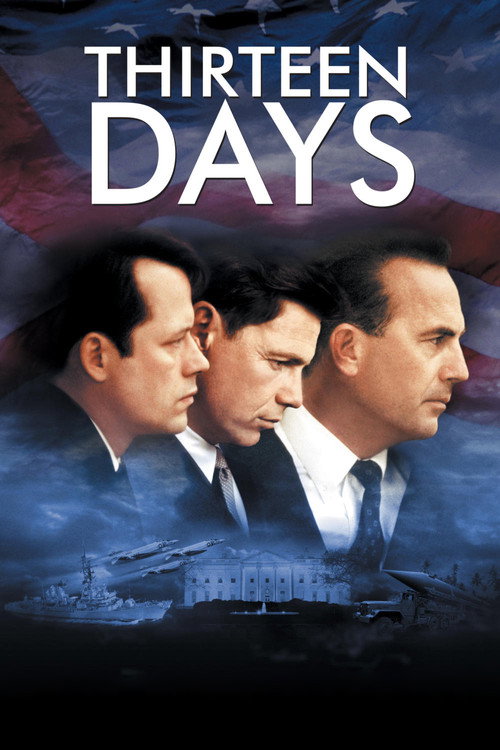
Thirteen Days2000
Kevin Costner as RFK in a more expansive, cinematically polished retelling of the same crisis. Deeper into the mechanics of the decision-making and the personal costs on Kennedy's team. Modern production values without losing the intellectual rigor.
But Costner's Boston accent wavers, and the film occasionally indulges in more dramatic flourish than the tense 1974 version. Feels longer than it needs to.
All the President's Men1976
Another 1970s political thriller that captures the paranoia and procedural intensity of power under pressure. Woodward and Bernstein hunting the truth has the same methodical, nail-biting rhythm as the Excomm deliberations.
But It's about journalism, not governance, so the stakes feel smaller. Requires patience with long scenes of people on phones and in offices.

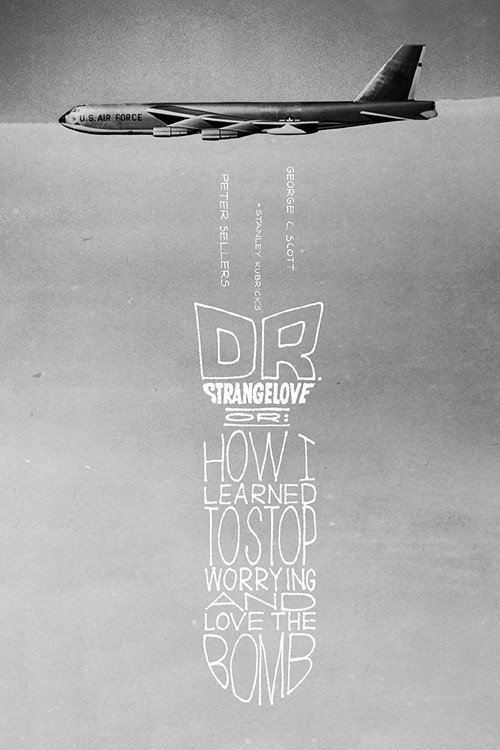
Dr. Strangelove or: How I Learned to Stop Worrying and Love the Bomb1964
Kubrick's savage comedy about nuclear apocalypse—the dark mirror to *Missiles of October*'s sobriety. Same era, same dread, but filtered through gallows humour. Genius filmmaking that still lands.
But Black comedy about thermonuclear war isn't for everyone. The tone is deliberately grotesque and the film assumes you're comfortable with that.
Not sure tonight? Get a pick in a minute, starting from The Missiles of October
The wildcard
Something you would not have found on your own.
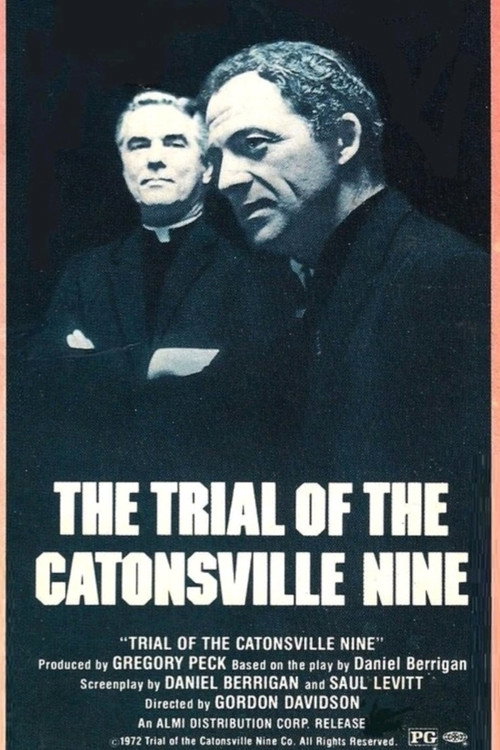
The Trial of the Catonsville Nine1972
Both are 1970s dramas about conscience under crisis, but where *Missiles of October* is about men in power trying to prevent catastrophe, *Catonsville Nine* is about people outside power refusing to comply with it. They're asking opposite questions about the same moral moment.
Based on Daniel Berrigan's play about Catholic activists who burned draft files. Courtroom drama, moral argument, and the weight of conscience under pressure. Same year as *Missiles of October*, same intellectual seriousness, but about dissent rather than power. A mirror image.
But Explicitly religious and politically radical. The film is didactic—it's interested in being right, not in suspense. Moves like theater, not cinema.
More like this (7)
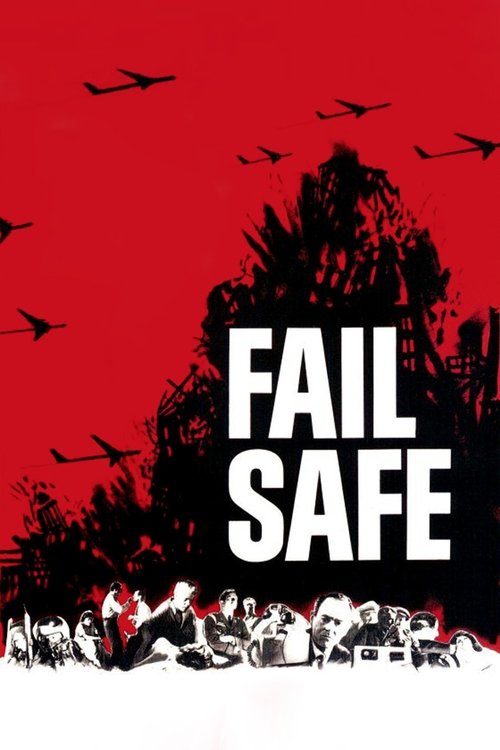
Fail Safe1964
A procedural nightmare about what happens when nuclear fail-safes actually fail. Sidney Lumet's direction is clinical and devastating. Same historical moment as the Missile Crisis, same what-if intensity, but from the machinery's point of view.
But Bleak to the point of despair. The ending is genuinely horrifying and offers no catharsis. Black and white, 111 minutes, no relief.
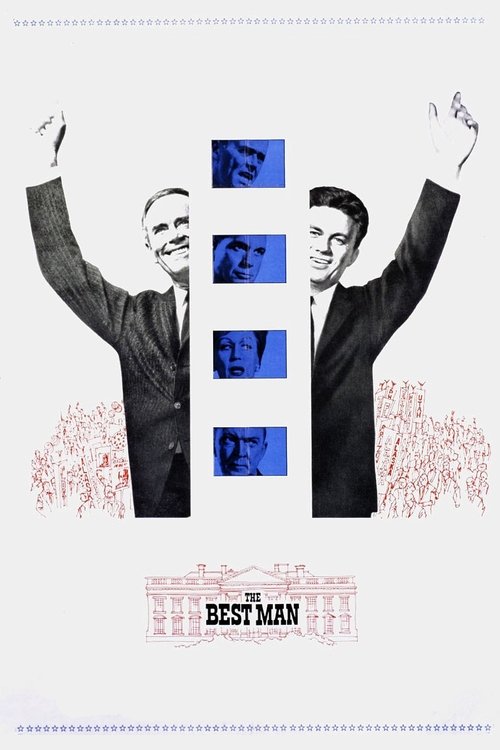
The Best Man1964
Gore Vidal's acidic play about a presidential convention and the backroom politics of power. Henry Fonda and Cliff Robertson in a battle of ideology and character. Sharp, witty, and genuinely interested in how men make impossible choices under pressure.
But Theatrical in the way 1960s adaptations can be. The pacing is deliberate and the focus is entirely on dialogue and moral argument, not action.
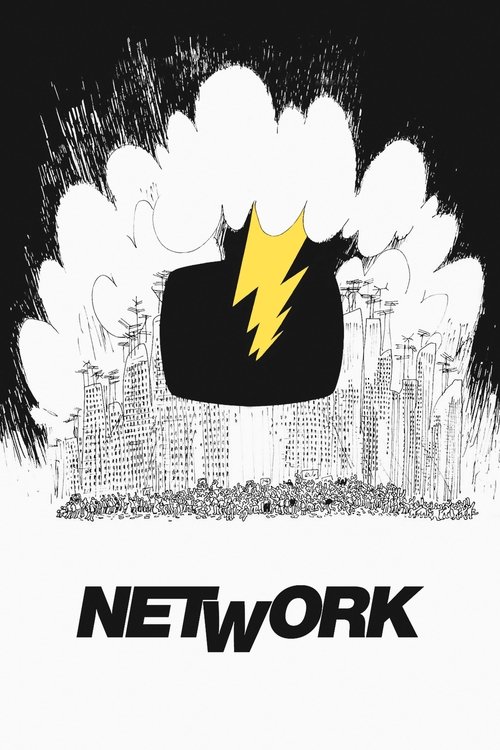
Network1976
Paddy Chayefsky's savage satire about information, power, and institutional pressure. Peter Finch as a man pushed to the breaking point by forces beyond his control. The energy and anger feel like they belong in the same decade as *Missiles of October*.
But It's about television and ratings, not politics. The tone is furious and satirical rather than tense and procedural. Might feel tangential to what drew you to the Kennedy film.
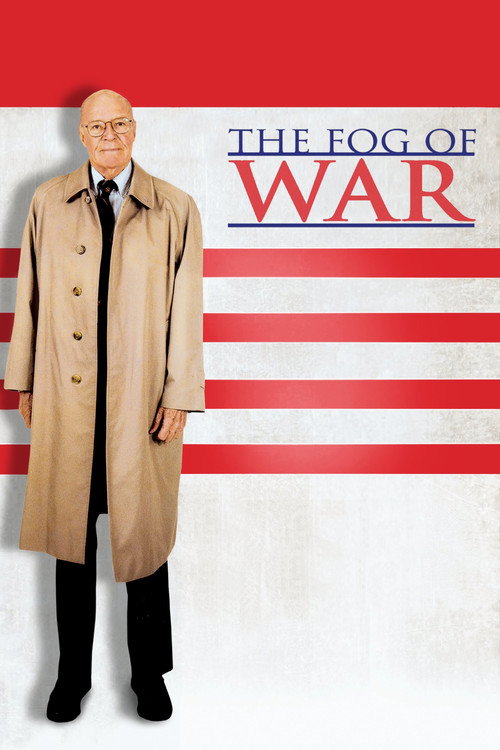
The Fog of War2003
Errol Morris's documentary of Robert McNamara reflecting on the Cuban Missile Crisis and Vietnam. You hear directly from someone in the room. Haunting, meditative, and unexpectedly moving about the weight of command decisions.
But It's a documentary, not drama. Long stretches of an elderly man talking. Requires patience and intellectual engagement rather than narrative momentum.
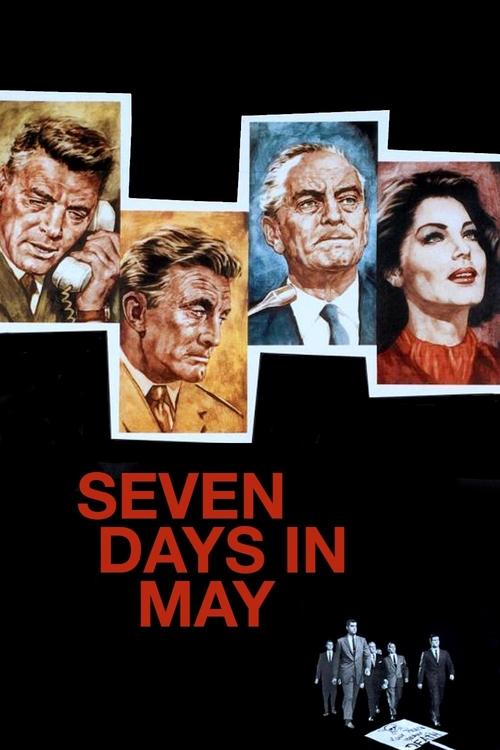
Seven Days in May1964
A coup thriller set during a Cold War standoff. Kirk Douglas and Burt Lancaster in a taut game of power and loyalty. Same era, same stakes, same sense that the machinery of government might spin out of control.
But The political theory is dated. The action sequences are functional rather than exciting. Works as paranoid procedural, not as thriller.
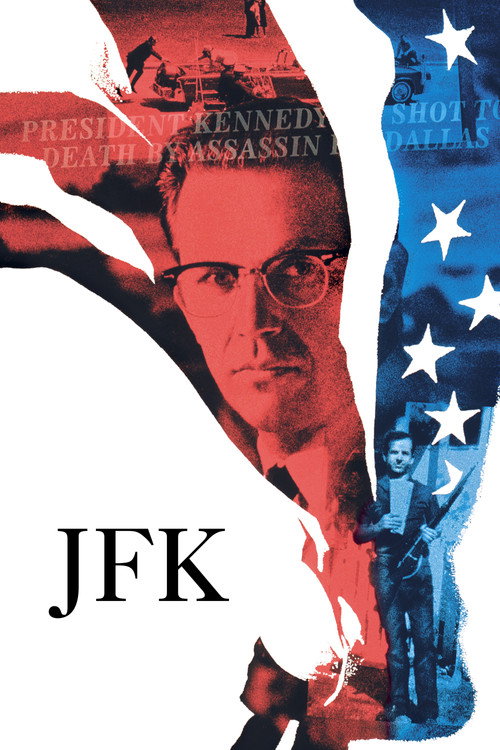
JFK1991
Oliver Stone's sprawling investigation into the assassination. Kevin Costner as an obsessed prosecutor unraveling the Warren Commission. Epic, controversial, and genuinely gripping—a different Kennedy moment, but the same era and many of the same figures.
But Three hours and twenty minutes. Stone's style is baroque and digressive. The conspiracy theories are presented without clear resolution. Exhausting rather than elegant.
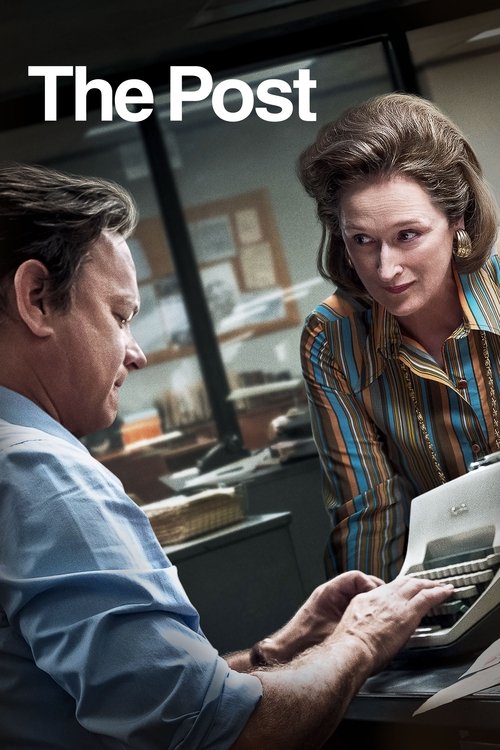
The Post2017
Both are about institutions—government, journalism—at the moment of decision. But *Missiles of October* shows you the men in the room making the choice; *The Post* shows you the people outside the room fighting to make the choice public. Same era, same stakes, opposite vantage points.
Spielberg's film about the Washington Post publishing the Pentagon Papers. Meryl Streep as the publisher, Tom Hanks as the editor, both learning to trust each other under immense pressure. Gorgeously shot, intellectually serious, and genuinely exciting about the machinery of decision-making.
But Spielberg's earnestness reads as corny to some. The film is more interested in civics than drama. Feels more like a well-made civics lesson than a thriller, despite its suspense.
People
Cast
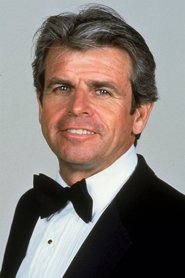 William DevanePresident John F. Kennedy
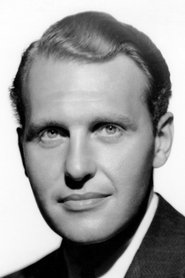 Ralph BellamyU.N. Ambassador Adlai Stevenson
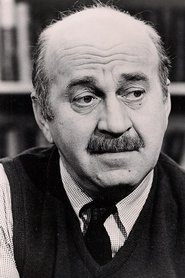 Howard Da SilvaSoviet Premier Nikita Khrushchev
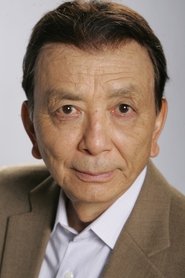 James HongU.N. Secretary-General U Thant
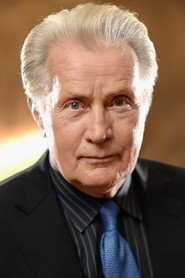 Martin SheenAttorney General Robert F. Kennedy
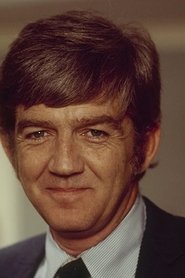 James T. CallahanDavid Powers, Special Assistant to the President
- Peter CanonAdmiral's Aide
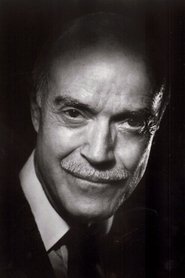 Keene CurtisJohn McCone, Director CIA
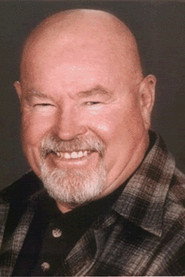 Charles CyphersPress Photographer
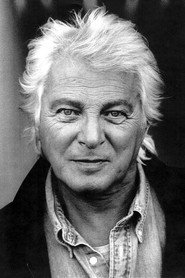 Clifford DavidTheodore Sorensen, Special Counsel
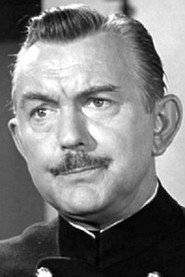 Francis De SalesSenator
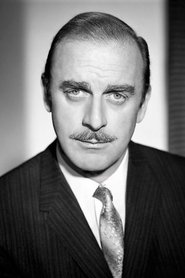 John DehnerFormer Secretary of State Dean Acheson
Directing
- Anthony PageDirector
Writing
- Stanley R. GreenbergWriter