
Film
Invasion, U.S.A.
Other titles called Invasion, U.S.A.: the 1985 film.
- Science fiction
- Very dark
A 1952 Cold War fever dream where ordinary Americans witness a Soviet invasion unfold across American soil. It's propaganda as pulp sci-fi, fueled by genuine paranoia and shot through with a surreal, almost hallucinatory dread. For anyone curious about how Hollywood processed existential terror in the atomic age.
Should you watch it?
Watch it if you enjoy cheap, earnest Fifties science fiction where the paranoia is the point and the budget shows in every hurried scene, a relic of its anxious moment.
Skip it if you need slick effects or brisk pacing, since its seventy-three minutes lean talky, earnest and civic-minded, more lecture than thriller.
What it asks of you: Expect a short hour, a patient ear for speeches, and a willingness to take its alarm at face value rather than with a wink.
Not sure? Find tonight's pick in a minute.
If you liked this
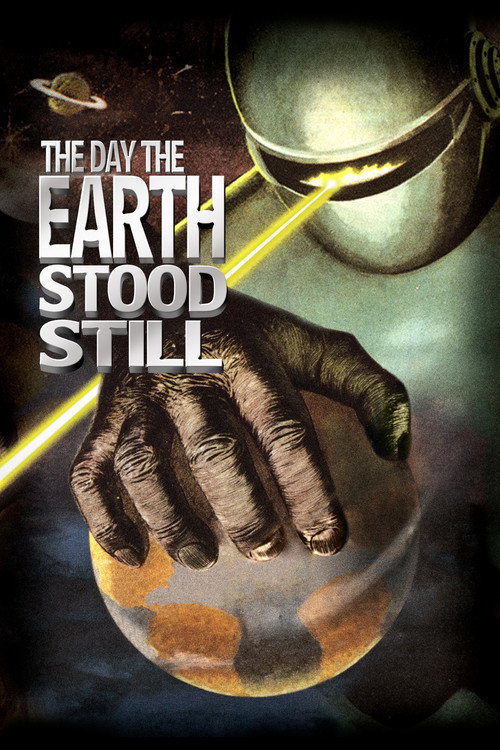
The Day the Earth Stood Still1951
A genuinely thoughtful sci-fi parable about fear and communication during the atomic age. Its restraint and moral clarity feel like the opposite of panic, which makes it all the more powerful.
But Slow-burn approach and earnest dialogue might feel static to viewers raised on faster-paced thriller rhythms.
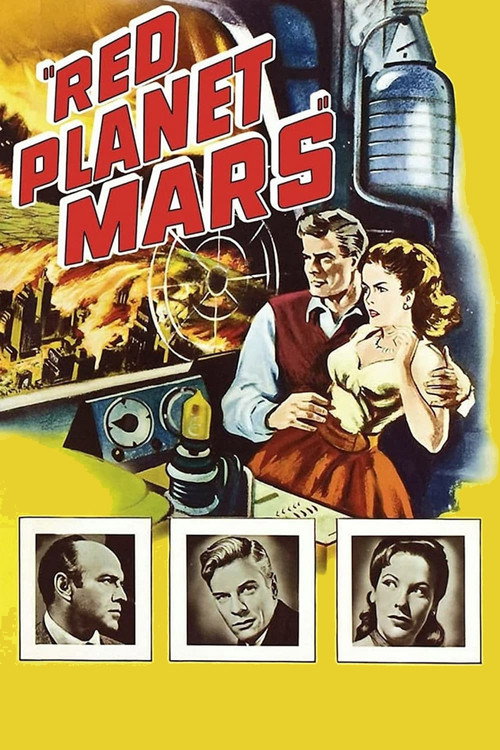
Red Planet Mars1952
Released the same year, it's another atomic-age fever dream, but one where contact with Mars becomes a geopolitical weapon. Messy, ideological, and completely committed to its Cold War theology.
But The politics are unsubtle and the plotting is genuinely muddled. It requires patience with its own contradictions.
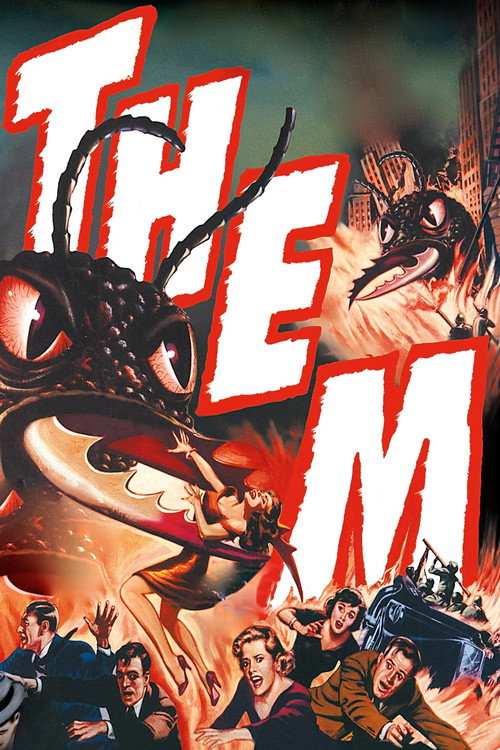
Them!1954
Giant mutant ants as stand-in for Soviet threat. It's 1950s sci-fi paranoia at its most literal and entertaining, with actual stakes and suspense built into every frame.
But The giant ant effects, while imaginative for their time, may register as quaint rather than frightening to modern eyes.
Not sure tonight? Get a pick in a minute, starting from Invasion, U.S.A.
The wildcard
Something you would not have found on your own.
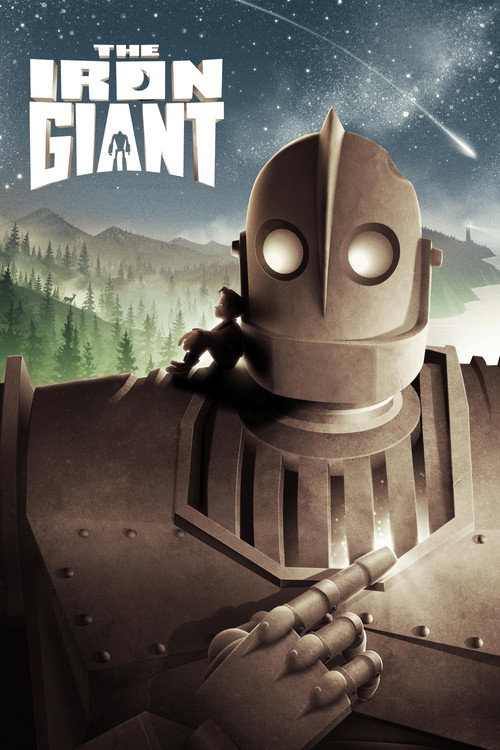
The Iron Giant1999
Both use sci-fi invasion scenarios as metaphors for childhood loss of innocence and the way Cold War ideology colonized American consciousness—Invasion U.S.A. through fear, The Iron Giant through kindness.
An animated film about a boy and a giant robot during the Cold War that somehow captures the loneliness and terror of 1950s America more vividly than most live-action films of the era.
But Animated family film trappings might seem incongruous with heavy existential dread and the genuine darkness at its core.
More like this (8)
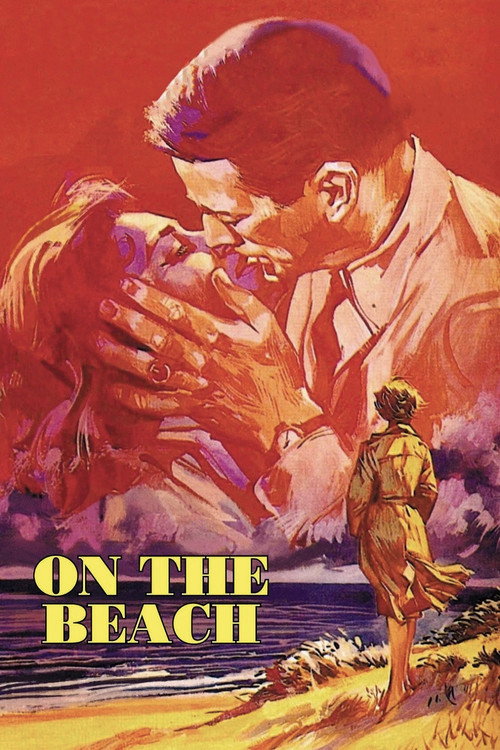
On the Beach1959
The flip side of invasion anxiety: a film about the slow death of humanity by nuclear fallout. Deeply fatalistic and affecting in ways that stick with you long after.
But Relentlessly bleak. There is no action, no hope, no last-minute reversal. It's a film about waiting to die.
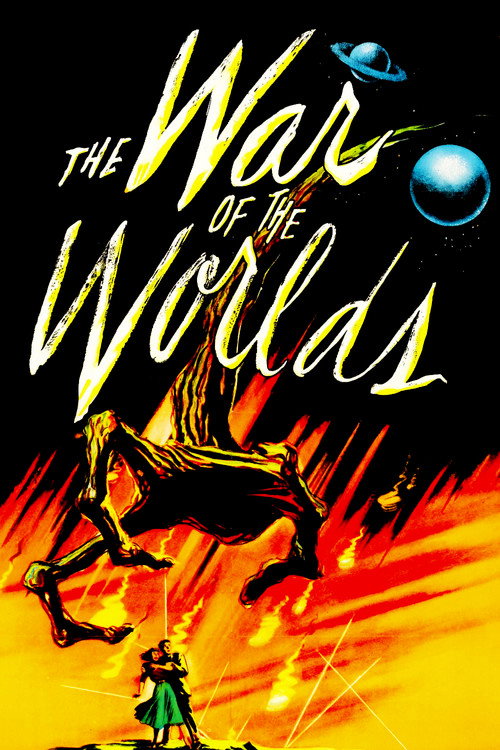
The War of the Worlds1953
Welles's adaptation channels 1950s American dread into genuine spectacle. The aliens aren't communist, but they're just as inexplicable and overwhelming.
But The religious resolution and some of the miniature work feel dated, and the pacing can drag in the middle act.
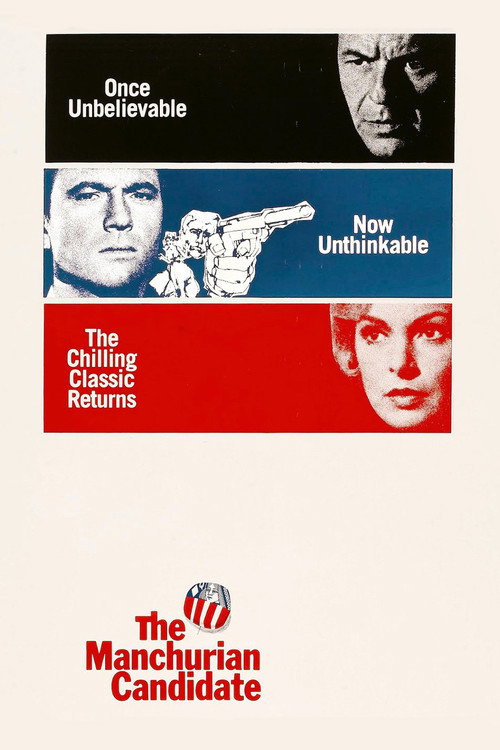
The Manchurian Candidate1962
Takes Cold War paranoia inside American institutions, where the real threat isn't invasion but infiltration. Political thriller that feels prescient even now.
But Dense plotting and rapid-fire dialogue demand active attention. It rewards repeat viewings but punishes distraction.
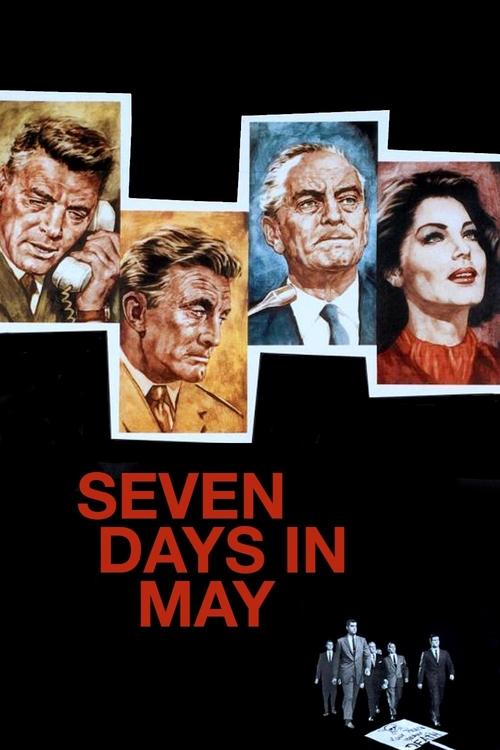
Seven Days in May1964
Another Cold War thriller about American fear turning inward, this time as a potential military coup. Tense, smart, and utterly grounded in plausible human ambition.
But The resolution feels oddly soft for a film that spends two hours building dread. Some might want it to go further.
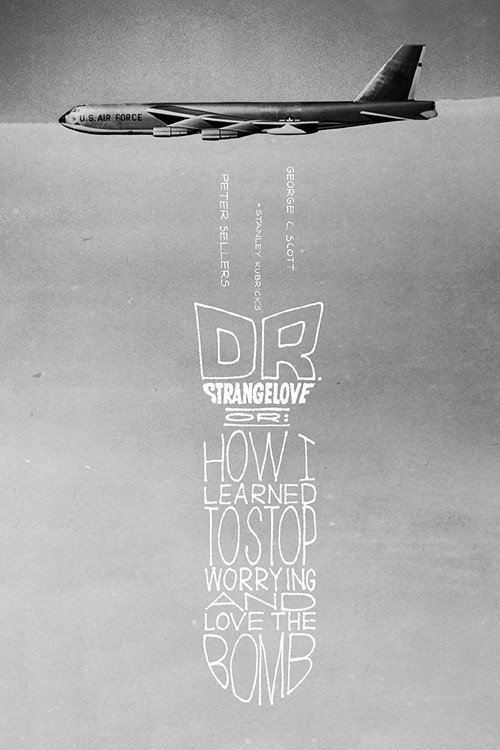
Dr. Strangelove or: How I Learned to Stop Worrying and Love the Bomb1964
The ultimate Cold War dark comedy: if Invasion, U.S.A. is paranoia played straight, this is paranoia detonated. Kubrick's masterpiece about systems that think for themselves.
But Black comedy this dark won't land for everyone. Some find it too clever; others find the subject matter—nuclear annihilation—incompatible with laughs.
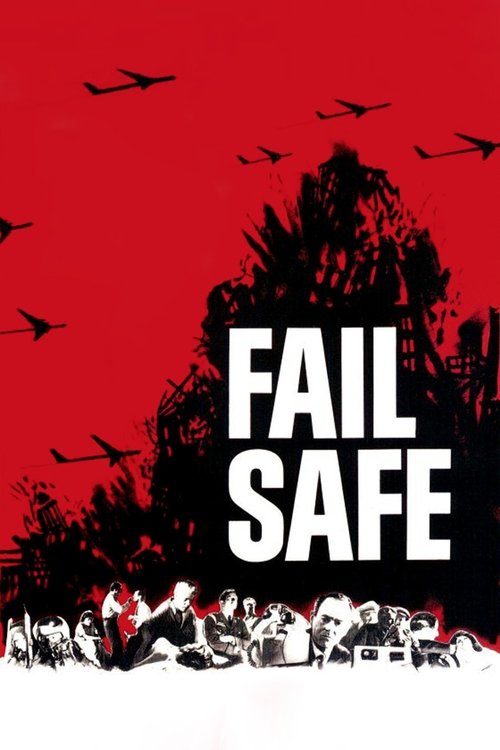
Fail Safe1964
A straight, serious Cold War thriller where human error and automated systems push America toward nuclear war. Unbearably tense, stripped of irony.
But Shot in black and white, deliberately paced, and emotionally exhausting. There's no catharsis or clever resolution—just the machinery of disaster.
Come and See1985
Both films use invasion as a lens to show ordinary life shattered by ideology and military action. Invasion, U.S.A. imagines it; Come and See documents its aftermath in unflinching detail. Watching them together reveals how much Cold War sci-fi was really about processing WWII trauma.
A Soviet film about the invasion of Belarus during WWII. It's a fever dream of violence and psychological disintegration, shot with a hallucinatory intensity that feels almost surreal.
But Genuinely disturbing and relentlessly bleak. It's not entertainment; it's a confrontation with what war does to children. Requires emotional stamina.

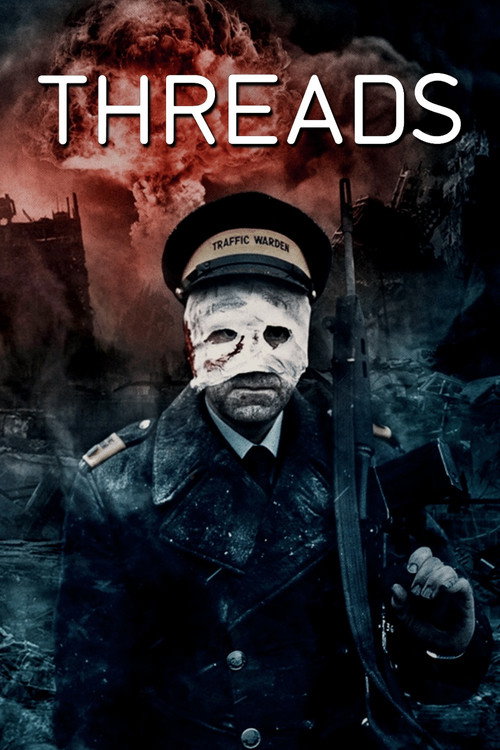
Threads1984
Where Invasion, U.S.A. imagines invasion as dramatic spectacle, Threads shows the actual mundane horror of what comes after. Both are products of their era's nuclear anxiety, but Threads treats the subject with the gravity it deserves, refusing spectacle or comfort.
A British nuclear war docudrama that plays like a horrifying procedural. It follows ordinary people through the hours and days after a nuclear strike, with surgical precision and no mercy.
But Shot in a deliberately drab, clinical style. There is no score, no dramatic music, no catharsis—just the slow collapse of civilization observed with documentary flatness. One of the bleakest things ever broadcast.
People
Cast
 Gerald MohrVince Potter
 Peggie CastleCarla Sanford
 Dan O'HerlihyMr. Ohman
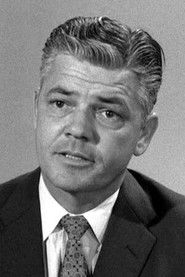 Robert BiceGeorge Sylvester
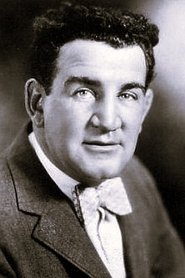 Tom KennedyTim, Bartender
 Wade CrosbyIllinois Congressman Arthur V. Harroway
 Phyllis CoatesMrs. Mulfory
 Noel NeillSecond Airline Ticket Ticker
- Jack CarrPlant Worker
Directing
- Ralph E. BlackAssistant Director
- Alfred E. GreenDirector
Writing
- Robert SmithScreenplay
- Franz SchulzStory
- Robert SmithStory
Production
- Peter MillerAssociate Producer
- Joseph JustmanExecutive Producer
- Albert ZugsmithProducer
- Robert SmithProducer
- Ralph E. BlackProduction Supervisor