
Film
The Mothering Heart
Lillian Gish anchors this 1913 melodrama about a wife whose devotion cannot save her marriage from infidelity. A 23-minute gut-punch in the silent era's most devastating register: the betrayal is swift, the consequences irreversible, and Gish's face carries every moment of it. For anyone learning where modern emotional cinema begins.
Should you watch it?
Watch it if you are drawn to early cinema's blunt, sentimental moral fables, where a single domestic betrayal is told through gesture and expression and Lillian Gish's patient face carries most of the weight.
Skip it if you need plot-driven momentum or modern pacing, since its lessons are stated outright rather than explored and its melodrama plays broad from start to finish.
What it asks of you: Short and brisk, it wants a single sitting and an open mind about 1910s acting, where feelings are pitched large and held in the face rather than in dialogue.
Not sure? Find tonight's pick in a minute.
If you liked this
Sunrise: A Song of Two Humans1927
Murnau's masterpiece about marital temptation and redemption, shot with visual poetry that makes dialogue unnecessary. A spiritual heir to Gish's silent grammar, exploring the same terrain of attraction and guilt with even greater technical ambition.
But It's nearly 90 minutes of 1920s cinema, which demands patience and comfort with intertitles. The pacing feels slow if you're not attuned to silent film's rhythm.

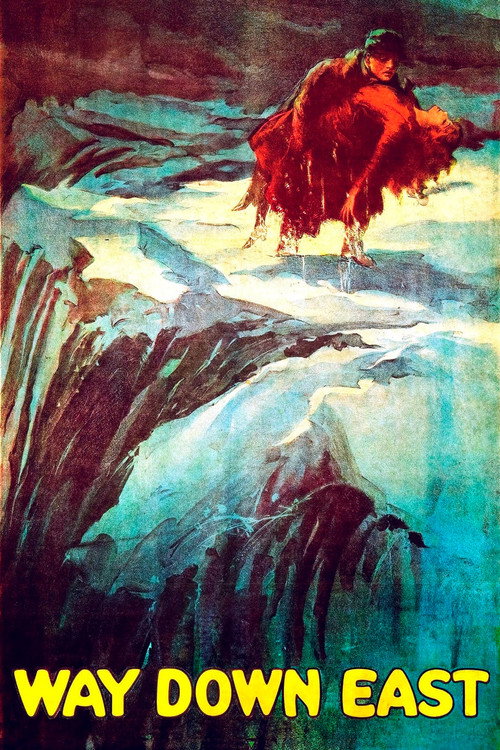
Way Down East1920
Gish again, in Griffith's even more ambitious take on virtue under siege. The final sequence—genuine, perilous, unforgettable—shows silent cinema at peak emotional intensity. Essential context for understanding what Gish could convey with only her eyes.
But Three hours long and heavy with period melodrama. The moralizing can feel archaic, and some of the gender politics are uncomfortable to modern viewers.
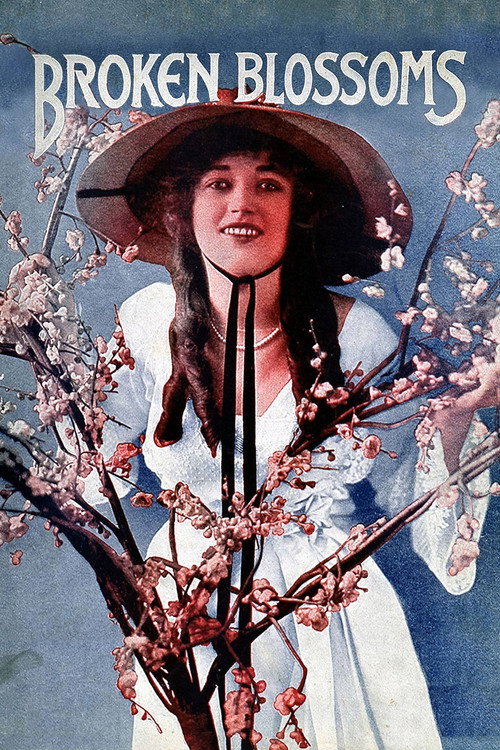
Broken Blossoms or The Yellow Man and the Girl1919
Another Gish-Griffith collaboration that perfects the language of cinematic suffering. Intimate, atmospheric, and shot with extraordinary tenderness. Proof that silent cinema could be subtle and devastating simultaneously.
But Cenred on abuse and despair, it's relentlessly dark. Not a film for escape; it demands you sit with pain.
Not sure tonight? Get a pick in a minute, starting from The Mothering Heart
The wildcard
Something you would not have found on your own.
Intolerance: Love's Struggle Throughout the Ages1916
Both examine how love fails under pressure from indifference and power. Where The Mothering Heart is contained, Intolerance explodes the same premise across all of human history.
Griffith's experimental epic cross-cuts four love stories across time—ancient Babylon, Renaissance France, 1916 America, and Judea—to ask whether human cruelty is inevitable. The Mothering Heart's intimate betrayal scales up to civilization itself. Visionary and bewildering in equal measure.
But It's nearly three hours of 1916 technique, structurally avant-garde and politically troubling. It requires active reconstruction of meaning; passive watching leaves you lost.

More like this (8)
Letter from an Unknown Woman1948
Ophüls remakes the silent melodrama for sound film—a woman's life ruined by her love for a careless man. The structure mirrors Gish's story but with dialogue that cuts like glass. Supremely sad and perfectly made.
But The husband is so thoroughly despicable that his late regret feels hollow. If you need a man to deserve his wife's sacrifice, you'll resent this film's refusal to grant it.

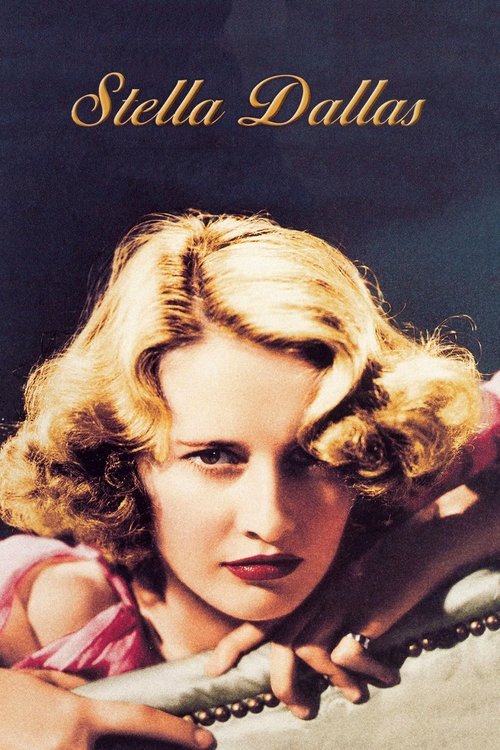
Stella Dallas1937
Another remake impulse: a mother's sacrifice for her child, but inverted—Stella must disappear so her daughter can have better. Barbara Stanwyck carries the same intuition Gish pioneered: how to play devotion without sentimentality.
But The class commentary feels dated, and the ending, though powerful, asks you to accept that mothers should erase themselves. That philosophy doesn't wear well.
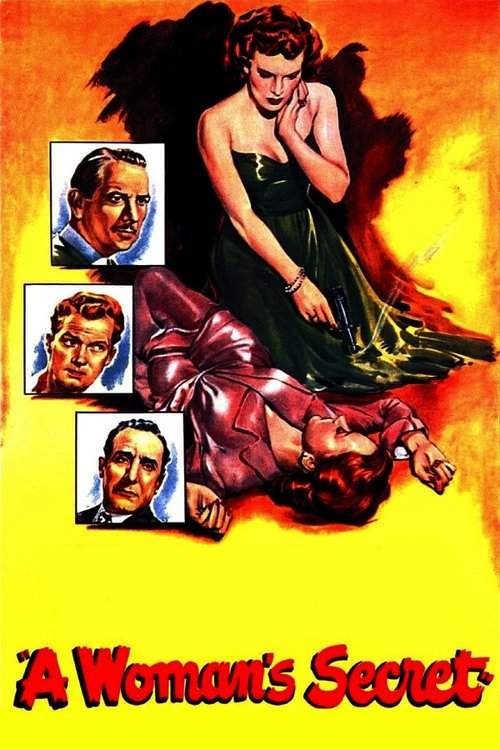
A Woman's Secret1949
Maureen O'Hara in a noir-melodrama hybrid where a woman takes the fall for someone she loves. Silent cinema's moral grammar translated into 1940s cynicism. The title echoes the film's question: what do women hide, and why?
But The plot contrivances pile up, and the mystery unfolds in ways that feel mechanical. It's workmanlike noir, not profound.
In a Lonely Place1950
Bogart plays a man whose talent can't redeem his cruelty, and the woman who loves him learns that too late. A devastating reversal: she becomes the one betrayed by his nature. A modern reckoning with infidelity as symptom, not sin.
But If toxic relationships exhaust rather than fascinate you, this is a long watch. The noir genre trappings sometimes overwhelm the emotional core.

The Scarlet Letter1934
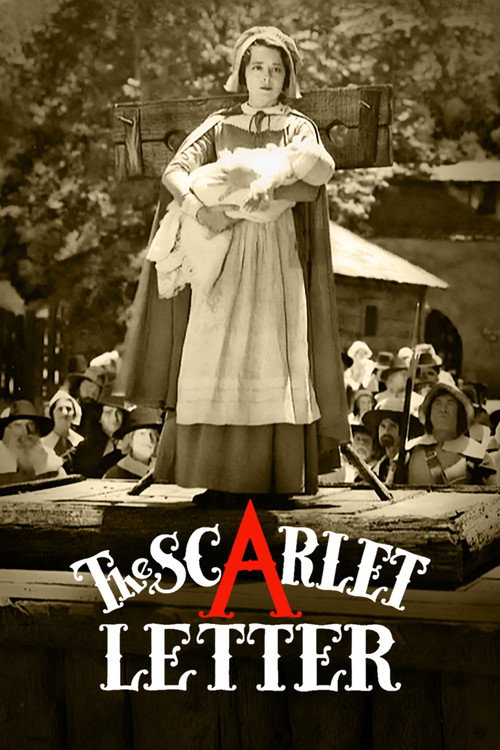
Lillian Gish herself, in Hawthorne's tale of a woman forced to wear her shame publicly while her seducer hides his. Gish knew how to play public suffering better than anyone. Silent film grammar applied to Puritan judgment.
But The literary source material is heavy and didactic. It's a period piece in every register, which will feel remote if you're not in the mood for historical weight.
Jezebel1938
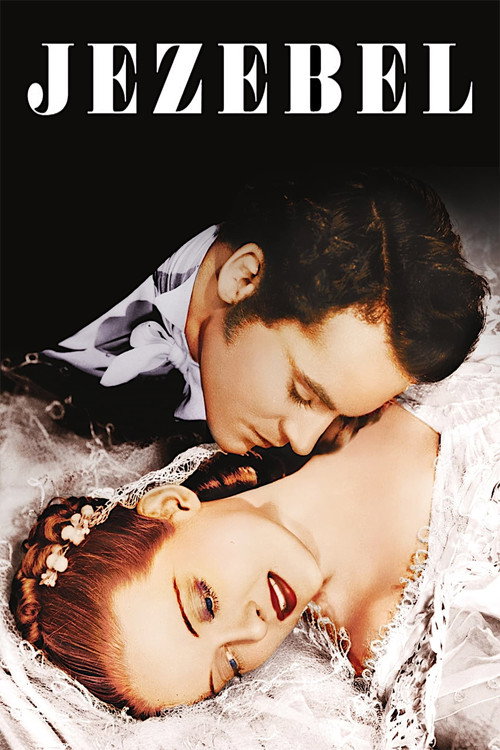
Bette Davis as a woman whose recklessness costs her everything, including the man she loves. A headstrong opposite to Gish's sacrifice—Davis plays the self-saboteur, and the film asks whether she deserves redemption.
But It's a vehicle built for Davis's star power rather than narrative precision. Some scenes play more as acting showcase than story.
Ashes and Diamonds1958
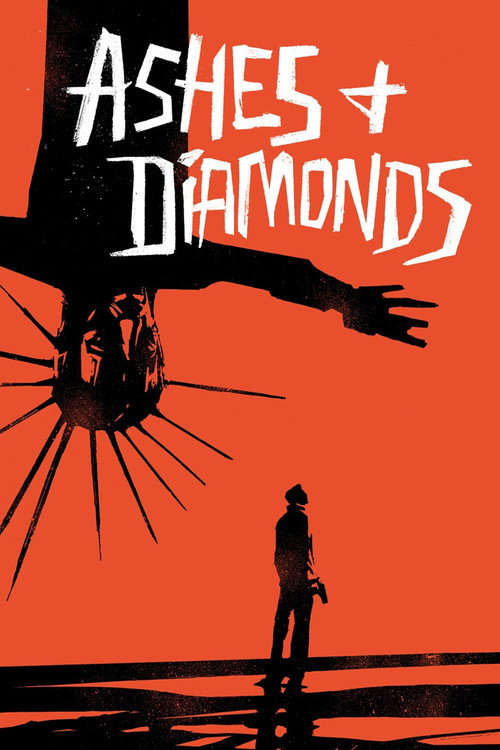
Both trace the same question: what remains of love when it cannot survive the world's pressure? Gish suffers; Wajda's characters walk away numb.
Andrzej Wajda's Polish masterpiece about a man caught between desire and duty in post-war Warsaw. Like Gish's film, it's about a woman loving someone who chooses ambition or loyalty over her. But shot in crisp black-and-white Cinemascope that makes every gesture architectural. Far more visually radical than its plot.
But It's subtitled and European in sensibility—glacial pacing, existential rather than melodramatic. No catharsis or redemption, just the waste of good feelings on the wrong person.
The Godfather Part II1974
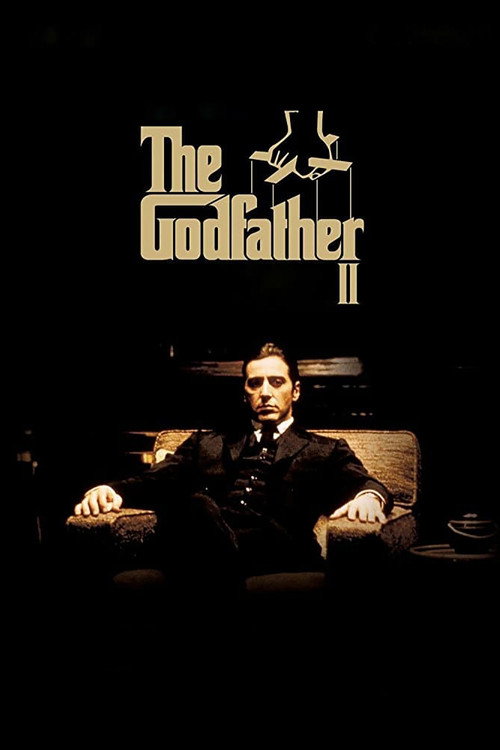
Both are about wives sacrificed to a man's ascent. Where Gish's husband is merely weak, Michael Corleone's weakness is organized into empire. The mechanism is the same; the scale is incomparable.
Coppola cuts between young Vito's ruthless climb and Michael's continuation of it. The wife becomes a casualty of ambition in both timelines. It's The Mothering Heart scaled to organized crime—the devoted woman watching her husband betray their founding values, power becoming his only mistress. Epic scope, perfect execution.
But It's 3.5 hours and assumes you know the first film. The moral world is corrupt at every level; no one earns redemption. And it's a crime saga, not domestic drama—if you need a story about love to stay central, this sidelines it.
People
Cast
 Lillian GishThe Wife
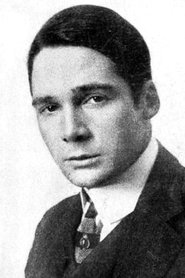 Walter MillerThe Husband
- Viola BarryThe Other Woman
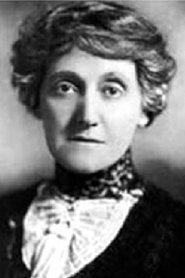 Kate BruceThe Wife's Mother
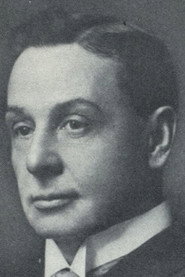 Adolph LestinaThe Doctor
 Jennie LeeThe Wash Customer
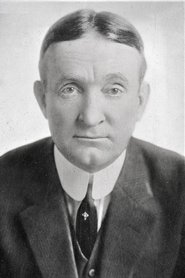 Charles MurrayMale Apache Dancer
 Gertrude BambrickFemale Apache Dancer
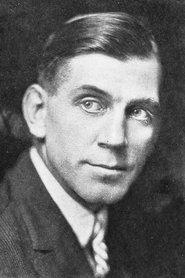 William ElmerThe Doorman