
Film
I Puritani
A 2007 Metropolitan Opera production of Bellini's I Puritani, a towering bel canto tragedy about forbidden love amid religious strife in 17th-century England. Anna Netrebko's Elvira is the evening's magnetic center: vulnerable, vocally dazzling, and heartbreaking across three extraordinary mad scenes. It's opera at its most emotionally direct and vocally unforgiving—for those who want to hear world-class singers pushed to their absolute limits.
If you liked this
La traviata1982
Zeffirelli's lush film version of Verdi's masterpiece. Pia Domingo is radiant, the production design is ravishing, and it captures opera's ability to break your heart in real time without apology.
But The pacing can feel glacial if you're not already attuned to how opera breathes. The plot—courtesan sacrifices love for propriety—plays as melodrama if you're watching ironically.
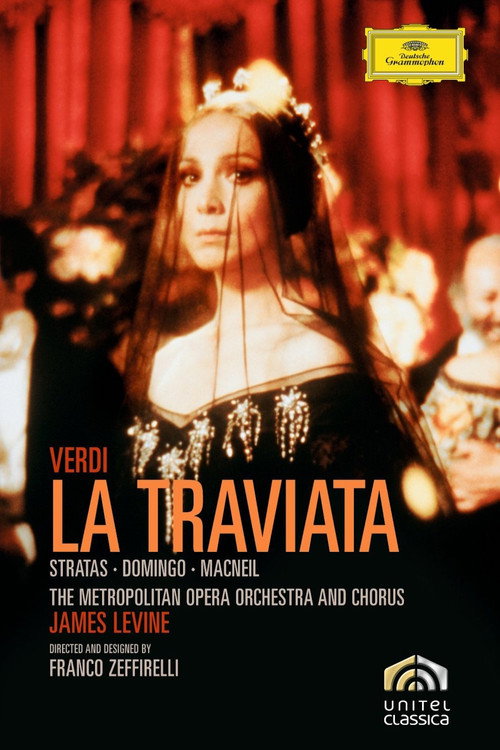
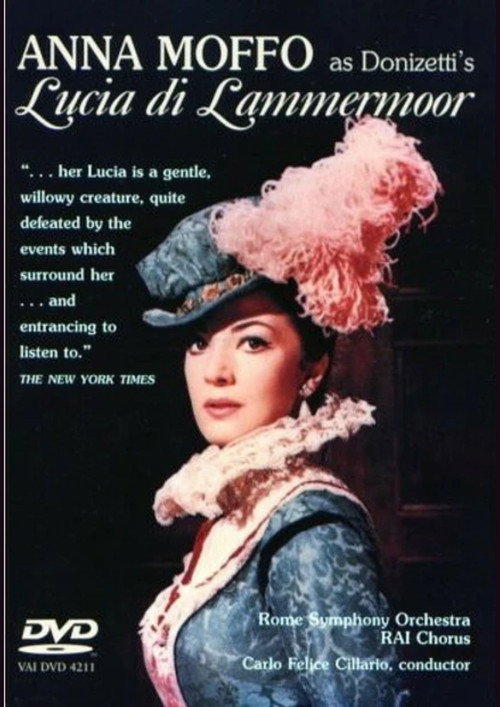
Lucia di Lammermoor1971
Another bel canto masterpiece with a mad scene that defines the genre. Joan Sutherland is vocally astonishing, and the production captures the gothic doom that makes these stories unforgettable.
But Shot in a stagey, theatrical style that feels distant compared to modern opera films. The story turns on plot mechanics that feel like contrivance rather than fate.
Don Giovanni1990
Losey's stark, dramatically brilliant film of Mozart's opera. Seductive, genuinely funny, and shot with compositional precision. It moves like theatre but feels entirely cinematic.
But Mozart's Don Giovanni requires patience with extended musical numbers. The 18th-century setting and moral framework won't grip anyone who needs plot momentum.
Not sure tonight? Get a pick in a minute, starting from I Puritani
The wildcard
Something you would not have found on your own.
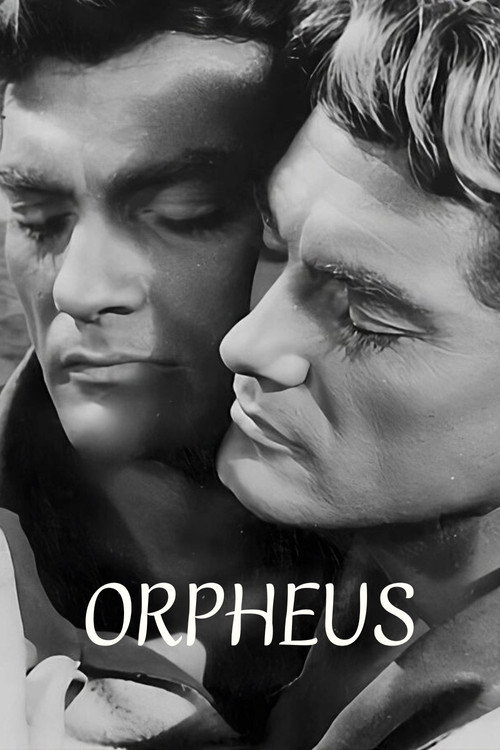
Orpheus1950
Both are operatic retellings of the same Orpheus story, but where I Puritani uses vocal virtuosity to express Elvira's inner collapse, Cocteau uses pure cinematic language to achieve the same effect. Each medium deployed to its maximum power.
Cocteau's radical reinvention of the Orpheus myth as a contemporary Paris tragedy. A poet loses his lover to Death and descends into a mirror-realm underworld. Black-and-white, dreamlike, visually electric—a complete reimagining of operatic material in pure cinema language.
But There's no singing. The opera's entire vocal architecture is gone, replaced by silence, sound design, and Orpheus's internal crisis. If you're watching for bel canto thrills, this abandons them entirely.
More like this (8)
Falling Down1993
Another Bellini masterwork with Joan Sutherland at full force. The soprano role is even more demanding than Elvira's; watching her command it is watching athletic excellence in real time.
But The recording quality is distinctly of the 1990s. The plot—priestess torn between duty and love—needs you to accept stakes that feel operatic rather than plausible.
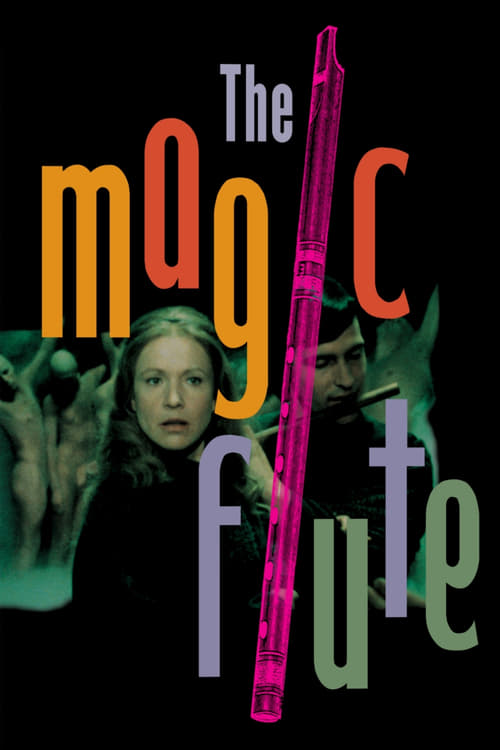
The Magic Flute1975
Ingmar Bergman's bewildering, brilliant adaptation. It reframes Mozart's opera as a fever dream, making the absurd plot feel genuinely mysterious and psychologically rich.
But Bergman abandons the original staging almost entirely. If you love the opera's theatrical conventions, his surrealist interpretation may feel like he's dismantling something sacred.
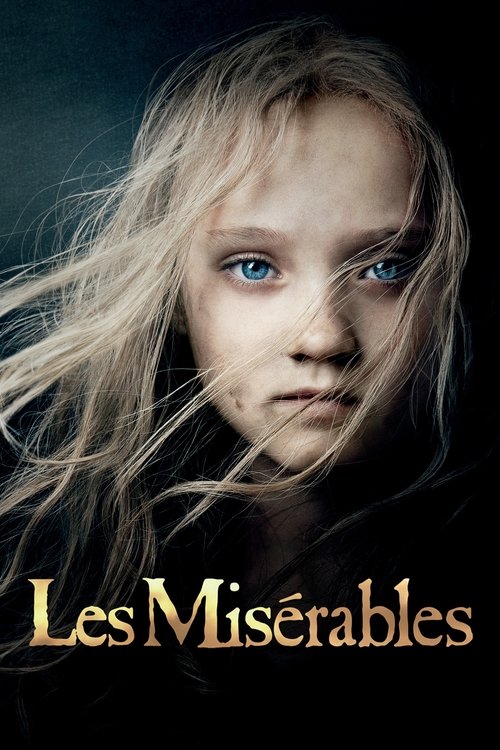
Les Misérables2012
A sung-through musical-drama hybrid with ensemble tragedy and emotional weight. It has the vocal demands and emotional stakes of grand opera in a modern, accessible package.
But The film's intimate close-ups on singing faces can be unflattering. Some find the relentless suffering exhausting rather than cathartic.
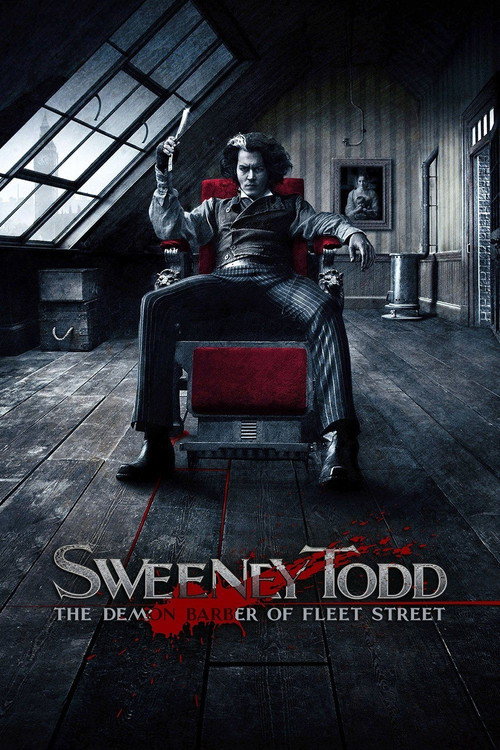
Sweeney Todd: The Demon Barber of Fleet Street2007
Sondheim's baroque revenge tragedy sung through. Dark, vocally intricate, and built on the same architecture as I Puritani: forbidden passion, madness, and moral collapse.
But Sondheim's lyrics are dense and witty in ways that can overwhelm the music if you're not primed for them. The violence is staged graphically.
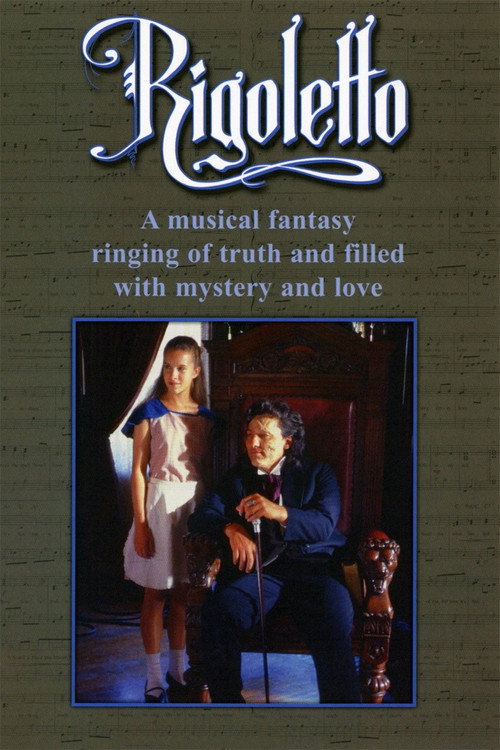
Rigoletto1993
Verdi's compact masterpiece about fathers, daughters, and the corruption of power. Pavarotti in his final great recording, vocally secure and dramatically present.
But The production design is plain to the point of austerity. Some staging choices feel dated even for a 1990s recording.
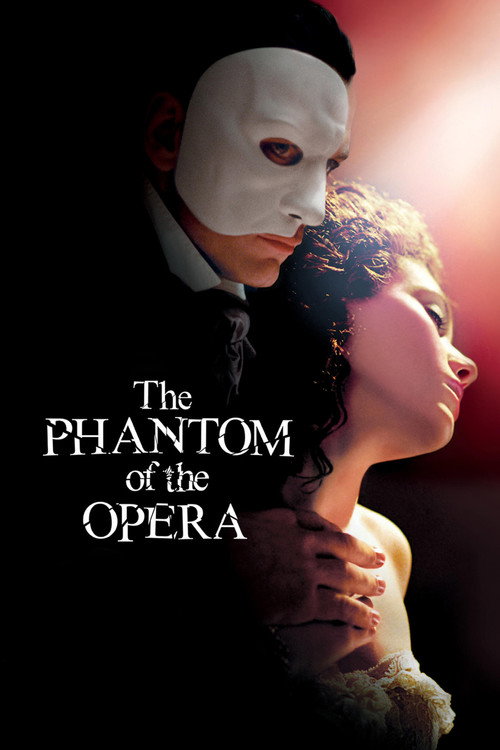
The Phantom of the Opera2004
Lloyd Webber's sung melodrama about obsession and beauty. It's operatic in scale and emotional register without the linguistic density of traditional opera, making it an excellent entry point.
But Not a work of great musical sophistication. If you're drawn to bel canto's vocal architecture, this will feel dramatically overwrought and musically thin.
Phantom Thread2017
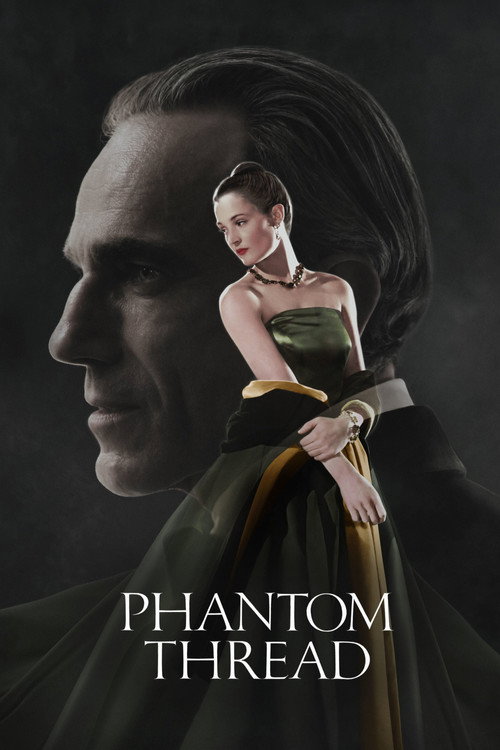
Both dramatize a woman undone by love within a formally constrained, almost ritualistic world. Both reach fever pitch through the heroine's breakdown. Anderson shoots it like silent cinema and composes it like Bellini—every gesture carries operatic weight.
Paul Thomas Anderson's film about obsession, possession, and the perverse love between a controlling designer and the woman who finally bests him. It's structured like a three-act opera—formal, ritualistic, relentlessly musical in its emotional architecture, culminating in a mad scene every bit as transgressive as Elvira's.
But Not a word of singing. It's slow, controlled, sometimes glacial in its pacing. If you need external drama rather than internal psychological states, it will feel like watching someone stare at fabric for two hours.
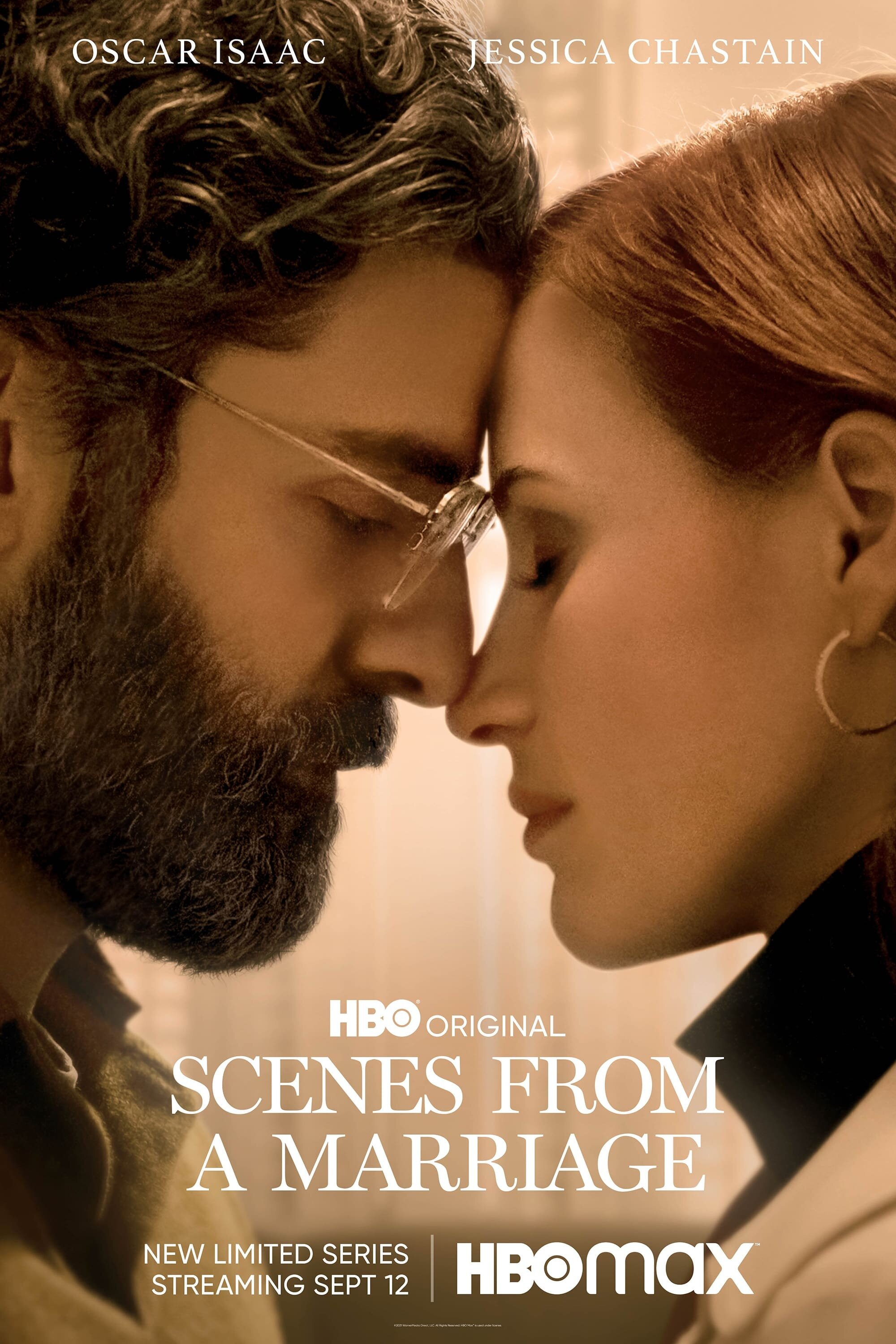
Scenes from a Marriage2021
Both use the female protagonist's psychological collapse as their emotional and structural center. Both find grandeur in extremity. I Puritani tells you Elvira is mad through vocal pyrotechnics; Bergman shows you marriage making someone mad through exhausting, repetitive, incremental cruelty. Same destination, opposite languages.
Bergman's five-part television miniseries about the total dissolution of a marriage. Raw, verbally explicit, and emotionally terrifying in ways that feel closer to lived tragedy than theatricality. Liv Ullmann's performance reaches operatic intensity without ever raising her voice.
But No music. Entirely dialogue-driven and unrelentingly bleak. It moves at psychological rather than narrative tempo. If you're seeking beauty as escape rather than as a tool for understanding pain, this will be punishment rather than pleasure.
People
Cast
 Eric CutlerLord Arturo Talbo
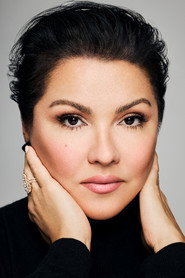 Anna NetrebkoElvira
 John RelyeaSir Giorgio
- Valerian RuminskiLord Gualtiero Valton
 Franco VassalloSir Riccardo Forth
 Maria ZifchakEnrichetta di Francia
- Eduardo ValdesSir Bruno Roberton
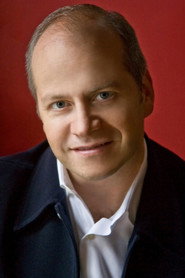 Patrick SummersConductor
Directing
- Sandro SequiDirector