
Film
Carmen
Other titles called Carmen: the 1926 film, the 1984 film.
- Drama
- Dip in and out
Chloë Sevigny's eight-minute essay film watches Carmen Lynch navigate a day with camera-ready candor. Shot in loose, voyeuristic fragments, it examines the textures of female celebrity—ego, labor, persona—without settling into neat conclusions. Playful and introspective, it's for anyone curious about what cameras do to the self.
If you liked this
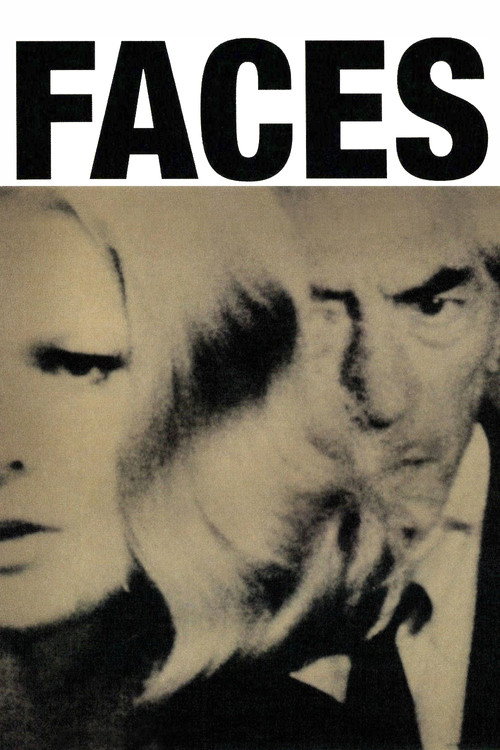
Faces1968
John Cassavetes' raw, improvisational study of performance and identity in everyday life shares Carmen's interest in catching unguarded moments and the gap between person and persona.
But Shot on grainy 16mm with brutal emotional exposure; some viewers find its length and lack of narrative momentum exhausting rather than liberating.
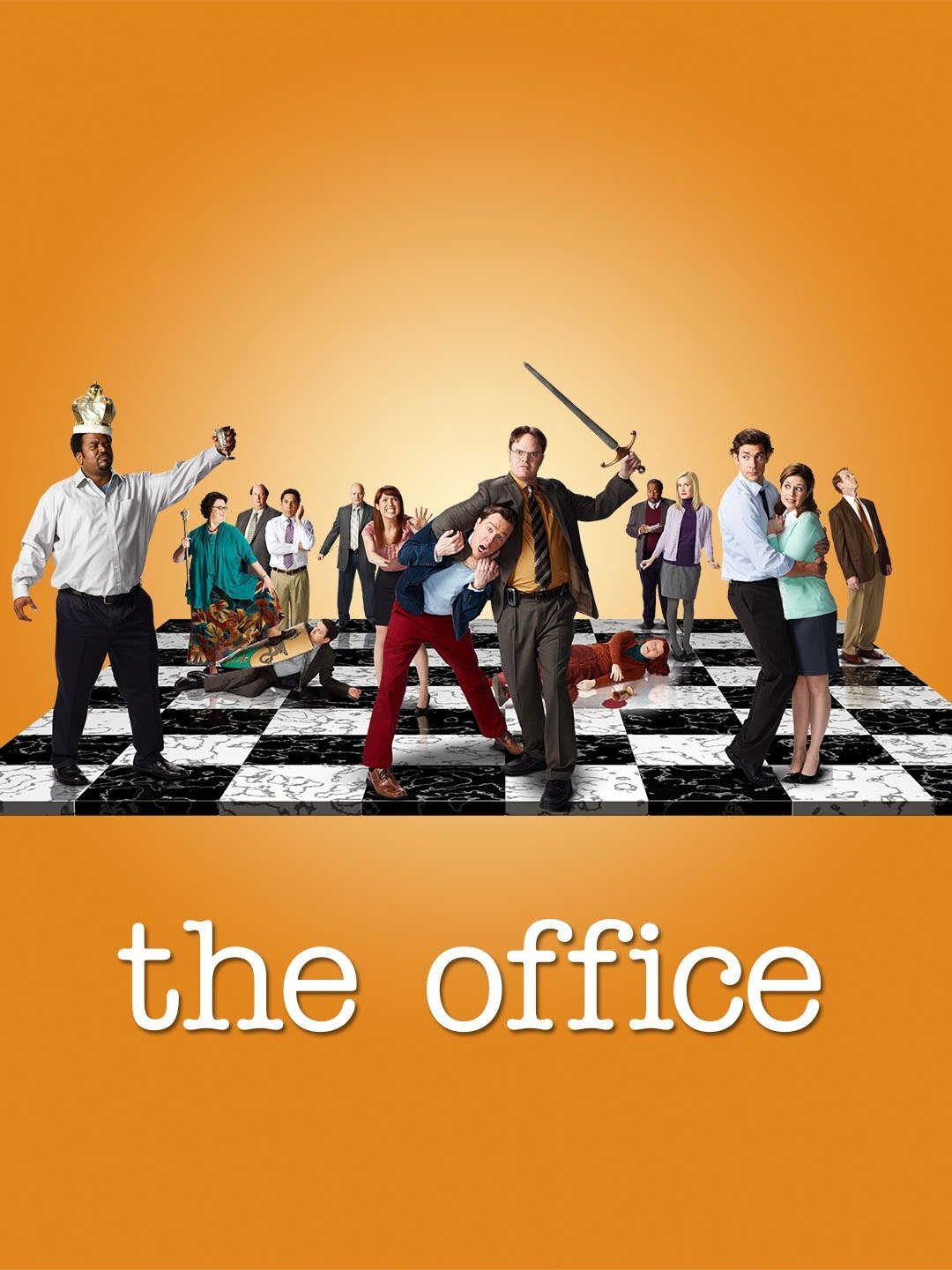
The Office2005
Like Carmen, it mines comedy and pathos from people aware they're being watched, exploring how we perform versions of ourselves in front of cameras and colleagues.
But The cringe humor isn't for everyone, and nine seasons is a very different commitment than eight minutes.
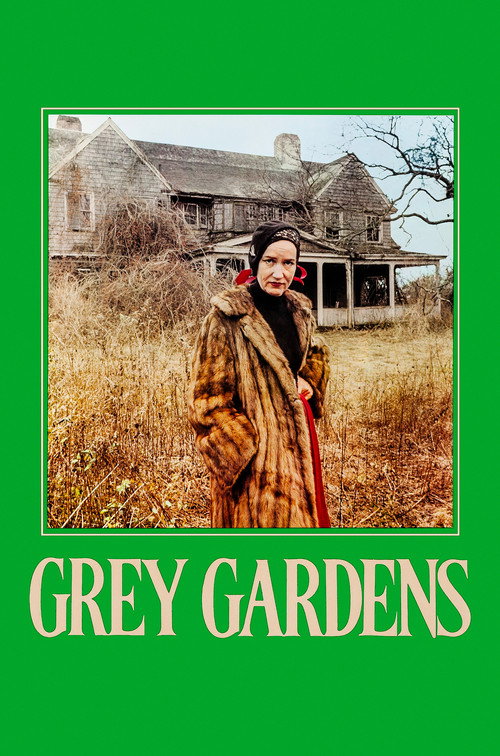
Grey Gardens1976
The Maysles' documentary watches two women perform their lives with a mixture of candor and theater, capturing the strange intimacy that develops between subjects and camera.
But It's genuinely unsettling in places—some find it exploitative or simply too claustrophobic to enjoy.
Not sure tonight? Get a pick in a minute, starting from Carmen
The wildcard
Something you would not have found on your own.
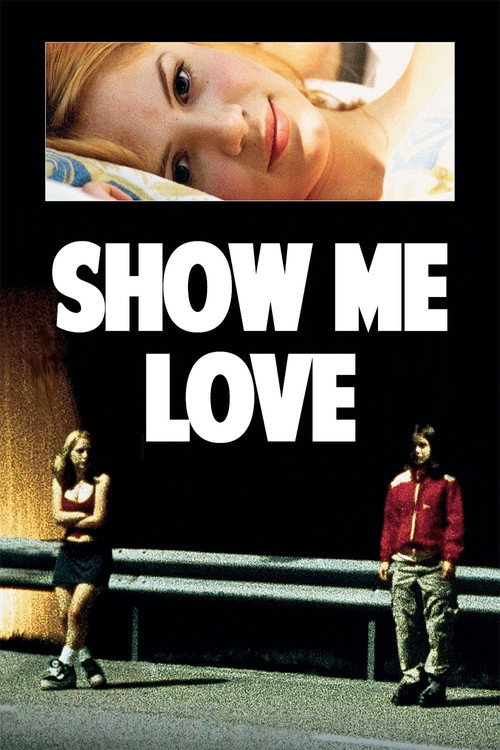
Show Me Love1998
Both films treat the camera as a mirror that changes what it reflects, finding comedy and genuine vulnerability in the tension between performer and self.
Lukas Moodysson's debut is shot like a video diary—handheld, loose, deeply alive to teenage self-consciousness and performance. It captures the same improvisational energy and attention to how people behave when aware of observation.
But It's about adolescent girls in provincial Sweden in the '90s; the emotional register is melancholic rather than playful, and the pacing is deliberately unglamorous.
More like this (5)
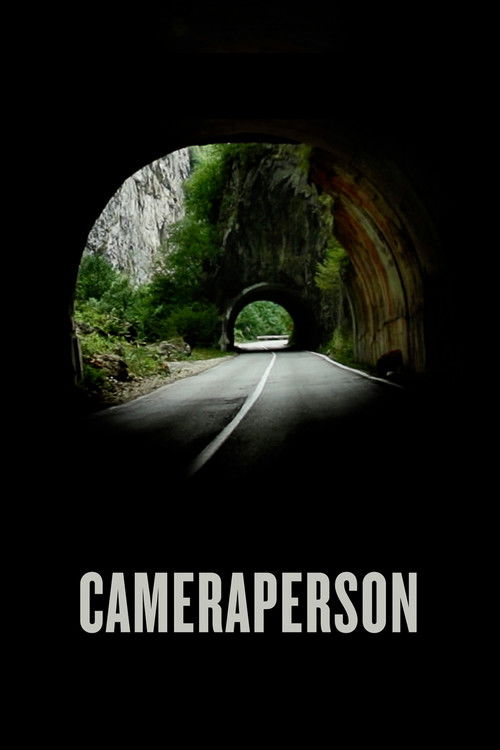
Cameraperson2016
Kirsten Johnson's experimental documentary assembles footage from her own career as a cinematographer, interrogating who looks at whom and what it means to record suffering and joy.
But Its fragmented structure and abstract meditations on observation may feel formless to those seeking throughline or resolution.
The Girlfriend Experience2009
Soderbergh's film about a high-end escort uses sparse dialogue and observational distance to explore performance, commodification, and the construction of self for an audience.
But It's deliberately affectless; the detachment some find brilliant others experience as cold and distant.

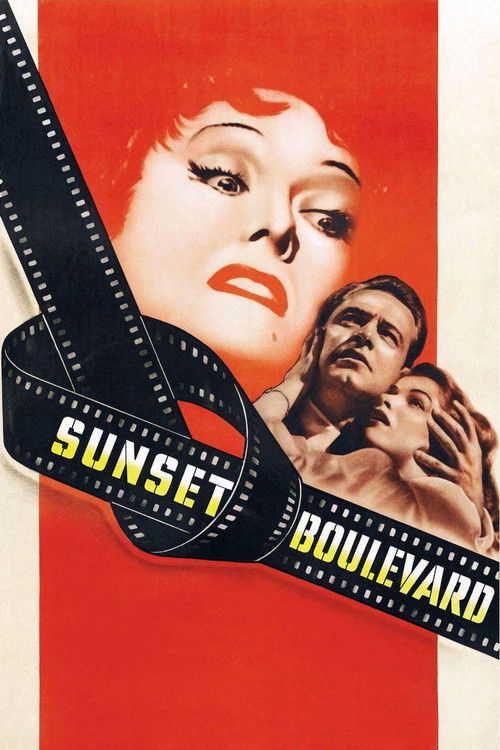
Sunset Boulevard1950
Wilder's noir masterpiece dissects Hollywood ego, fading celebrity, and the dangerous performances women stage to remain visible—themes Carmen touches on with lightness rather than darkness.
But It's melodrama from a different era; the film's moral certainties may feel dated compared to Carmen's ambiguity.
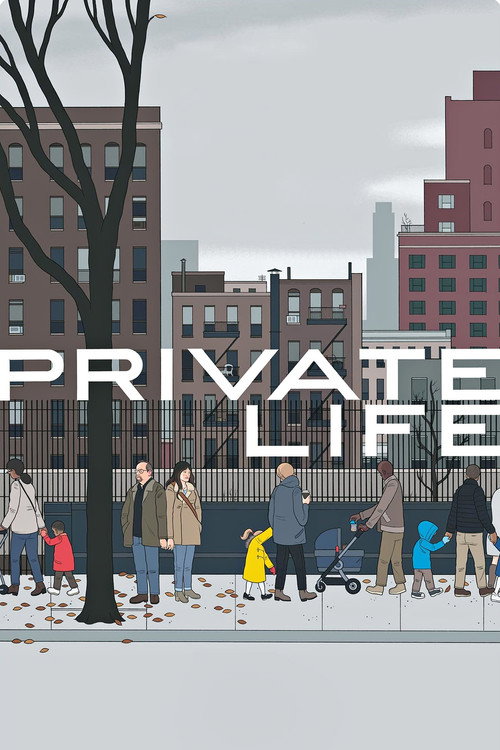
Private Life2018
Both center on women navigating the gap between public persona and private experience, using camera awareness as a tool for examining authenticity.
Tamara Jenkins' film about infertility and marriage uses dry comedy and observational precision to examine how couples perform for each other and the camera, collapsing the distance between private and watched.
But It's about reproductive trauma and disappointment; the tone wavers between funny and desolate in ways that can feel tonally unstable rather than productive.
Jeanne Dielman, 23, quai du Commerce, 1080 Bruxelles1976
Both films reject the drama of narrative in favor of presence and duration, arguing that watching someone be themselves—however quotidian or unglamorous—is an act of deep cinematic attention.
Chantal Akerman's three-hour portrait of a woman's domestic routine is the opposite of Carmen's length, but shares its commitment to watching, to boredom as a radical act, and to finding cinema in the unspectacular fact of existing.
But It's three hours of a woman cooking and cleaning with deadpan dedication; calling it 'cinema' won't make it entertaining if you hate slow cinema or repetition.

People
Cast
 Carmen LynchCarmen Lynch
- Samuel SummerStreet Kid
Directing
- Chloë SevignyDirector
Writing
- Carmen LynchWriter
- Chloë SevignyWriter
Production
- Max BrunExecutive Producer
- Lizzie NastroProducer