
Film
Frequencies
A 2013 British sci-fi film about star-crossed love in a world where your social worth is measured by an invisible frequency. It's tender and quietly ambitious, mixing romance with speculative worldbuilding on a modest budget. Unashamed about emotion, a bit rough around the edges, made for people who want their genre films to mean something.
Should you watch it?
Watch it if you want a romance inside a class-obsessed future, where the sci-fi serves the feelings rather than gadgets, and a mystery nudges things along quietly.
Skip it if the romance plays earnest and the sci-fi is more backdrop than engine, so if you want brisk genre thrills, this will feel too soft.
What it asks of you: Expect a patient 109 minutes that lingers on glances and quiet rooms, with the rules of its world handed over in small pieces rather than explained.
Not sure? Find tonight's pick in a minute.
If you liked this
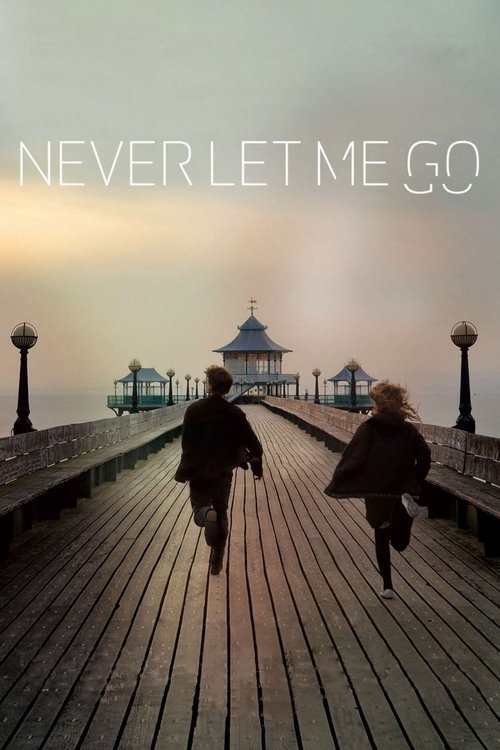
Never Let Me Go2010
A similar fusion of intimate romance and science fiction exploring predetermined fate. Both films prioritize character and quiet despair over spectacle, finding profound sadness in systems that classify human value.
But Deliberately paced and melancholic; neither film offers plot momentum or narrative resolution in the conventional sense. If you need things to move, you'll feel them drag.
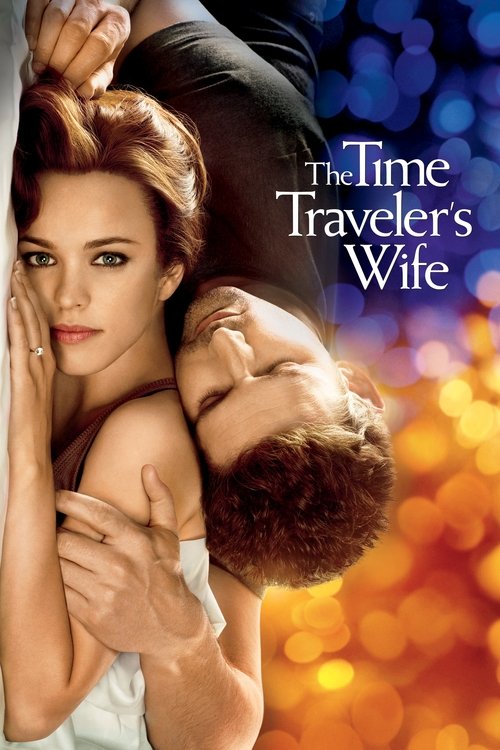
The Time Traveler's Wife2009
Another romance caught in an implacable cosmic system. Both films ask what love means when circumstance—not feeling—divides two people. Emotionally generous in the same way, willing to sit with longing.
But The production values feel constrained, and some viewers find that kind of earnest low-budget sci-fi harder to invest in. It won't sweep you away visually.
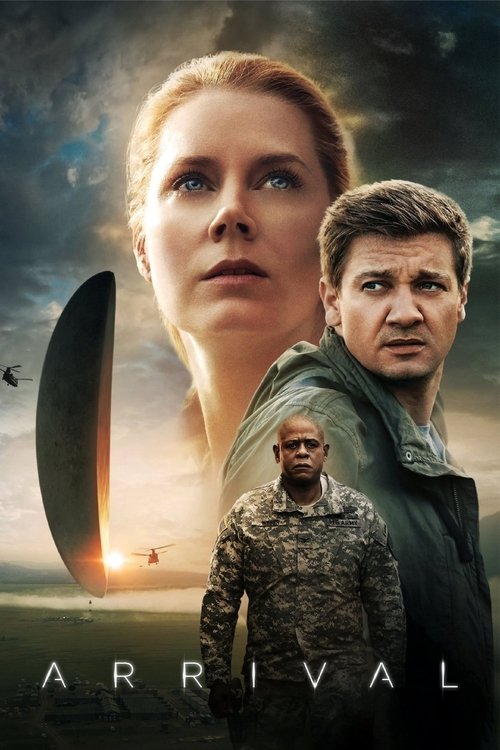
Arrival2016
Thoughtful, character-driven science fiction that trusts you to find the wonder in ideas rather than explosions. Both films believe communication and understanding matter more than conflict.
But Sci-fi fans expecting hard worldbuilding or plot mechanics will find it more interested in philosophy and emotion. The pacing is deliberate throughout.
Not sure tonight? Get a pick in a minute, starting from Frequencies
The wildcard
Something you would not have found on your own.
Synecdoche, New York2008
Both use their speculative or metaphorical systems not as external plot machinery, but as a way to externalize internal emotional states. The world is the inside made visible.
A fever-dream about a man building a miniature city to understand his life. Like Frequencies, it builds an elaborate metaphorical system (here, a theatre piece; there, a frequency scale) as a way to wrestle with isolation, connection, and whether we can ever truly know another person.
But This is willfully obscure and structurally demanding. It doesn't cohere in the way a normal narrative does. Some see it as a masterpiece; others as self-indulgent mess. You have to surrender to it completely.

More like this (8)
About Time2013
Released the same year; a film about how ordinary relationships and small moments matter against larger forces. Both are unafraid to be sentimental without being saccharine.
But The romance can feel overwrought if you're allergic to emotional sincerity. Some will find it cloying rather than moving.

The Hunger Games2012
Both use a speculative society's classification system as the engine of their story. The constraint on freedom—imposed by an external rule—drives the narrative and the relationship between leads.
But Frequencies is far quieter and more intimate; if you're after action or spectacle, this has neither. The stakes feel personal rather than apocalyptic.

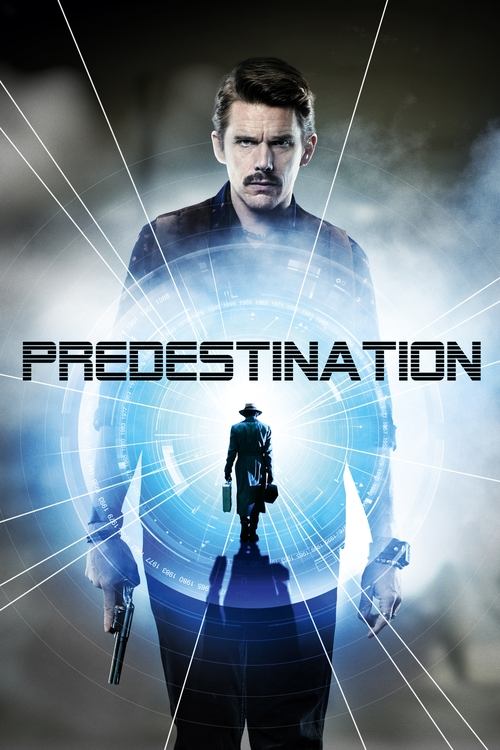
Predestination2014
A mind-bending narrative about fate and inevitability that shares Frequencies' willingness to treat sci-fi concepts as emotional furniture rather than plot devices.
But The twist is significant and structural; viewers who feel cheated by narrative sleight of hand will resent it. It's more interested in the idea than character.
Her2013
Another 2013 film that puts human connection at the center of a speculative world. Both are meditative about loneliness, connection, and what makes a relationship real.
But If you need conflict and resolution, this offers longing and ambiguity instead. The futurism is background to the emotional journey.

Ex Machina2015
A low-budget British sci-fi that's precisely made and morally complex. Both treat their speculative conceit as a way to examine what we owe each other.
But This is considerably darker and more cynical. If you're seeking Frequencies' tenderness, you won't find it here. The ending is cold.

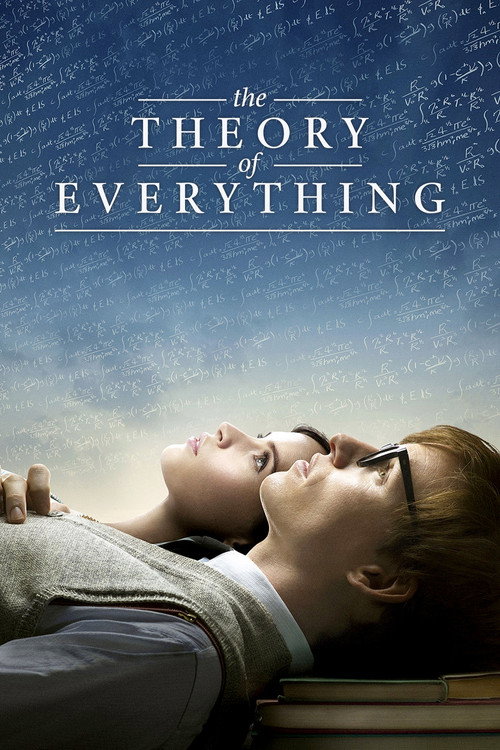
The Theory of Everything2014
A romance about two people navigating an implacable system—illness instead of frequency, but the same emotional arc. Beautifully acted, deeply felt.
But Fairly straightforward biopic; lacks the speculative reach of Frequencies. Some find it conventional and sentimental. The inevitability can feel heavy-handed.
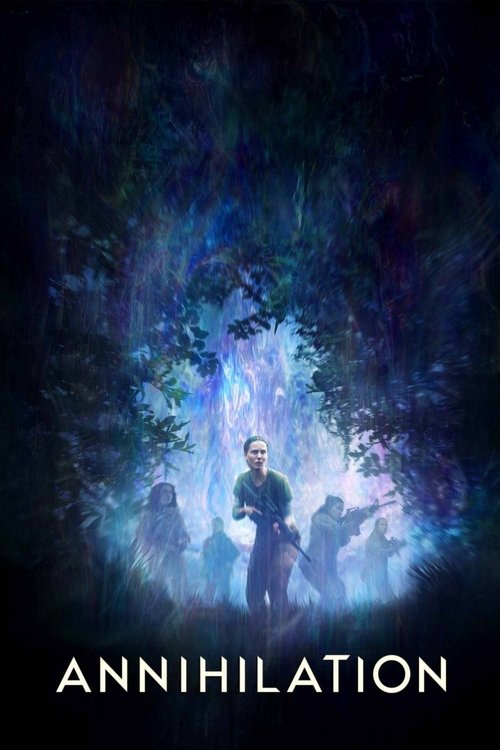
Annihilation2018
Both films suggest that human connection—romantic or otherwise—might be what pulls us forward even when the system itself is hostile. Both use their speculative worlds to ask what we're willing to risk for that connection.
A haunting science-fiction film about people drawn toward something that may destroy them, rendered in gorgeously unsettling imagery. It has Frequencies' commitment to emotional weight, but approaches it through strangeness and atmospheric dread rather than romance.
But Visually and thematically murky; it asks questions it doesn't answer. The sci-fi is abstract and poetic, not mechanical. If you need clarity, this will frustrate you. Some find it pretentious.
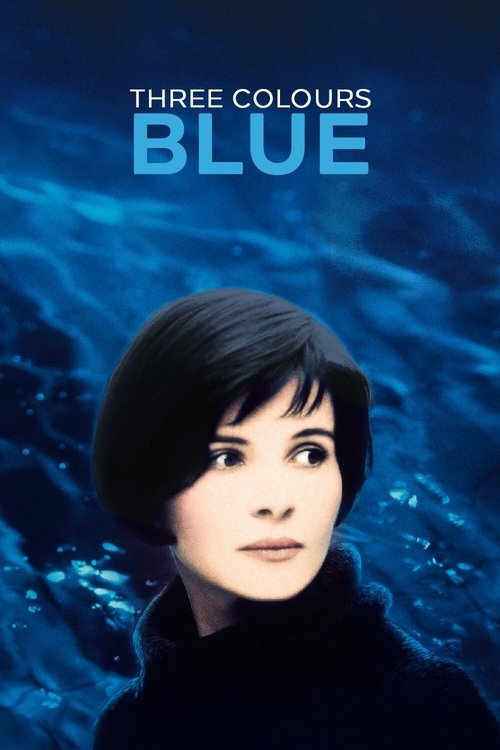
Three Colors: Blue1993
Both films use external systems or constraints—frequency, color, sound, form—as a way to suggest the interior life of their characters. Both trust that quietness and restraint can carry more emotional weight than revelation.
A Kieslowski film about isolation and connection after tragedy, told through color, sound, and performance rather than plot. It's roughly the same emotional register as Frequencies but filtered through European art cinema rather than sci-fi. Quietly devastating.
But This has almost no plot. It's a sustained mood, an examination of absence. If you need narrative momentum, dialogue, or conventional structure, you'll lose patience quickly. It demands active watching.
People
Cast

 Eleanor WyldMarie
- Owen PughTheo
 David Broughton-DaviesStrauss
 Emma PowellMiss Anderson
- David BarnabyMr. Fortune
 Dylan LlewellynZak (Teen)
 Georgina Minter-BrownMarie (Teen)
- Timothy BlockBridges
- Ria CarrollNicola Tesla
 Tom EnglandTheo (Teen)
- Joanna HoleHeadmistress
Directing
- Darren Paul FisherDirector
- Ioannis TzakiridisScript Supervisor
Writing
- Darren Paul FisherWriter
Production
- Daniel M. SanExecutive Producer
- Darren Paul FisherProducer