
Film
Coco Chanel & Igor Stravinsky
A 2009 French drama imagining the brief affair between fashion revolutionary Coco Chanel and composer Igor Stravinsky in 1913 Paris. It's a lush, dialogue-light meditation on artistic ambition, creative collision, and the sacrifices demanded by genius. Handsomely shot but deliberately paced—for those who prefer mood and visual storytelling to plot momentum.
Should you watch it?
Watch it if you care more about a room full of artists arguing over taste than about a sweeping love story, and you enjoy watching two obsessive makers recognize each other across a crowded Paris salon.
Skip it if you want a brisk, eventful biopic, because this moves slowly and lets mood and atmosphere outweigh incident and plot.
What it asks of you: Two hours of patience with talk and costume, a willingness to sit with restrained emotion, and a taste for cool, elegant surfaces is the bargain.
Not sure? Find tonight's pick in a minute.
If you liked this
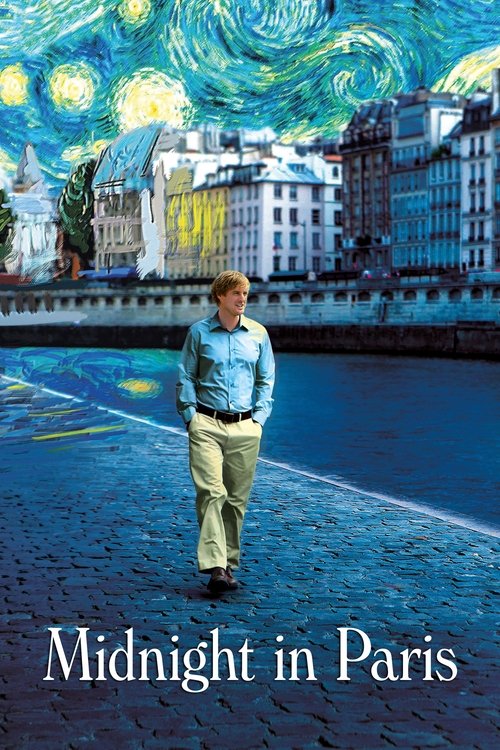
Midnight in Paris2011
Woody Allen's love letter to 1920s Paris captures the same intoxicated nostalgia for a vanished artistic golden age, with characters drifting between glamour, creation, and romantic longing.
But It's considerably lighter and more whimsical; if you want weighty emotional stakes, this leans toward whimsy and fantasy.
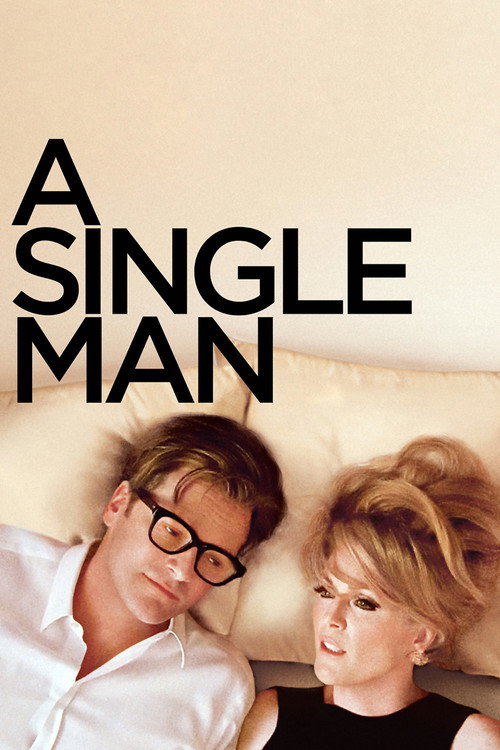
A Single Man2009
Tom Ford's film shares the same visual precision and interior intensity—a character study where every frame is composed like a photograph, exploring desire and artistic sensibility with restrained elegance.
But It's considerably darker and more claustrophobic, set in a single day rather than across an affair. Less romantic sweep, more existential dread.
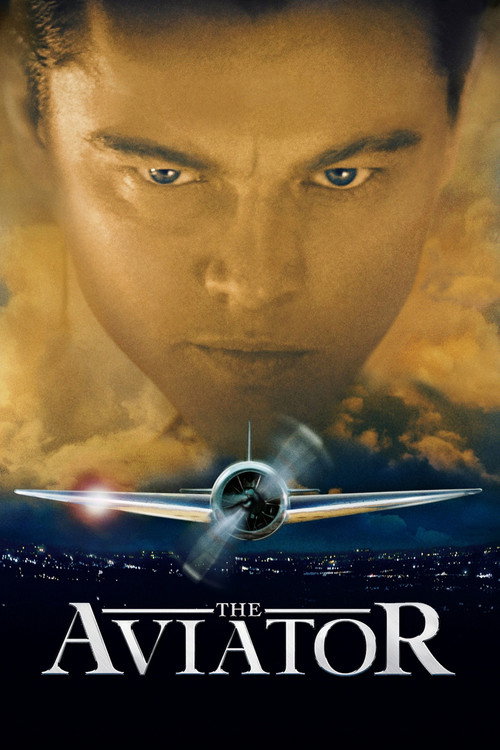
The Aviator2004
Scorsese's portrait of Howard Hughes captures that same collision between obsessive artistic vision and human relationships—the cost of genius, told through sumptuous production design and historical grandeur.
But It's a three-hour biopic with a much larger cast and busier narrative. If you loved this film's stillness, that one's frenetic.
Not sure tonight? Get a pick in a minute, starting from Coco Chanel & Igor Stravinsky
The wildcard
Something you would not have found on your own.
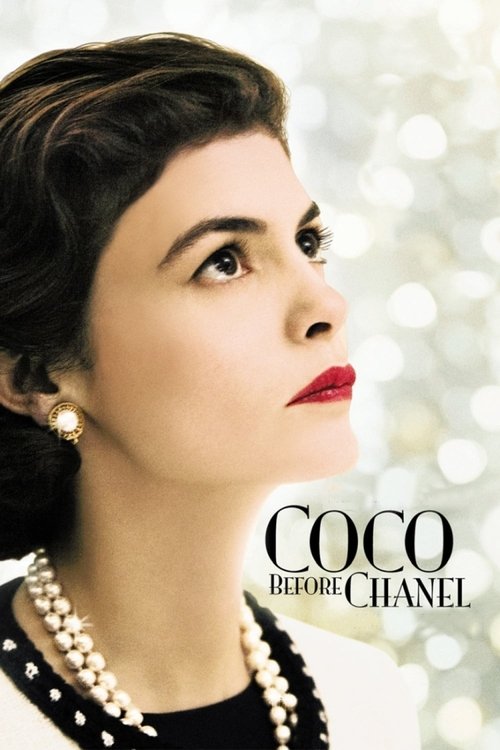
Coco Before Chanel2009
Mirror narrative—the same historical figure at different life inflection points, showing what 'Coco' means at twenty versus thirty-five.
This other 2009 Coco film (with Audrey Tautou) tells her earlier origin story—the rise before the affair. Watching both is like seeing two competing interpretations of the same person, rendered from opposite ends of her transformation.
But Released the same year, similar subject, risks feeling repetitive rather than illuminating. The comparison can feel exhausting rather than enriching.
More like this (7)
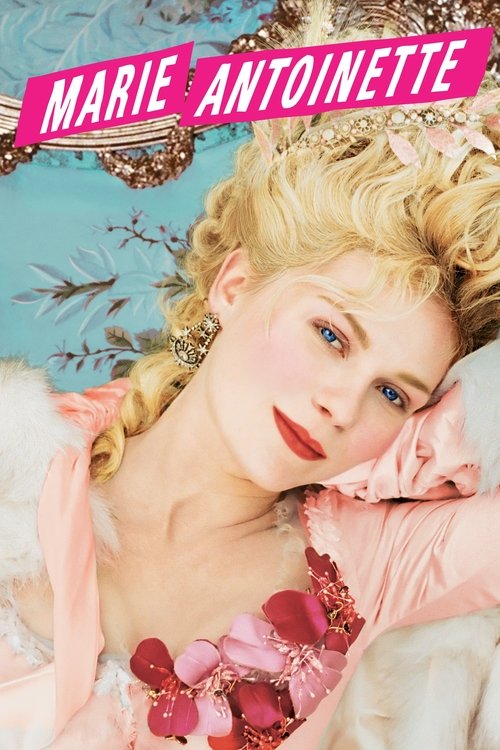
Marie Antoinette2006
Sofia Coppola's anachronistic take on 18th-century fashion and power uses music, luxury, and visual opulence to explore the interior life of a woman trapped by her own image—similar emotional territory.
But Some find the deliberate anachronisms (punk rock, modern music) gimmicky rather than evocative. The pacing is glacial even by arthouse standards.
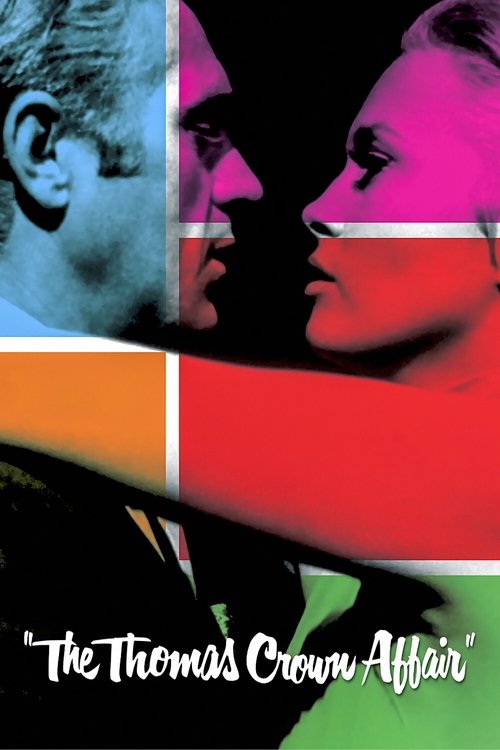
The Thomas Crown Affair1968
Utterly stylish 1960s take on art, desire, and intellectual equals playing a romantic game. The visual sophistication and sexual intelligence parallel Chanel's modernity transplanted to a different era.
But It's fundamentally a playful heist flirtation, not a serious meditation on sacrifice. The tone is far lighter and more erotic than intimate.
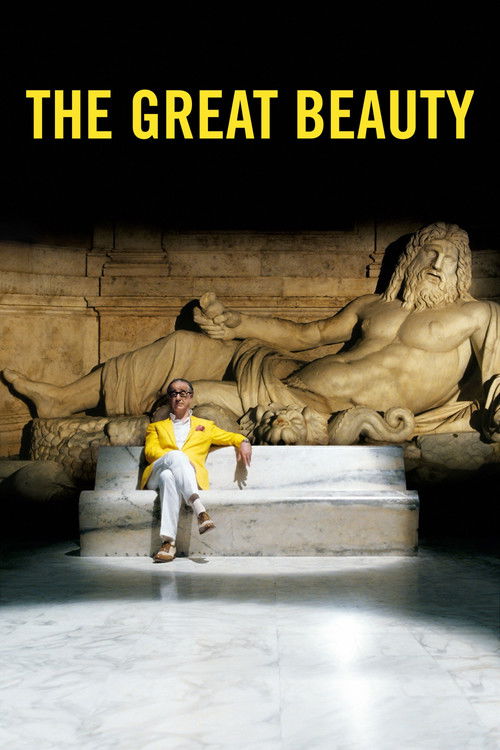
The Great Beauty2013
Paolo Sorrentino's visual feast explores artistic and romantic exhaustion in a world of aesthetic perfection—sumptuous but melancholy, about the cost of beautiful things.
But Set in contemporary Rome among the decadent ultra-wealthy, not historical figures. Very different setting but similar existential texture might feel repetitive.
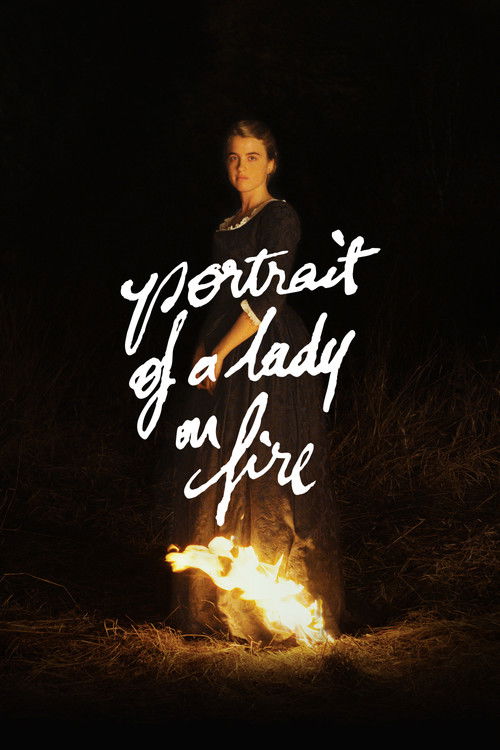
Portrait of a Lady on Fire2019
Céline Sciamma's film about an artist and her subject shares the quietness, visual composition, and focus on the charged space between two people creating something that transcends them.
But It's a relationship study without the historical sweep, and the period setting (18th century) is less about glamour than restraint. Some want more narrative architecture.
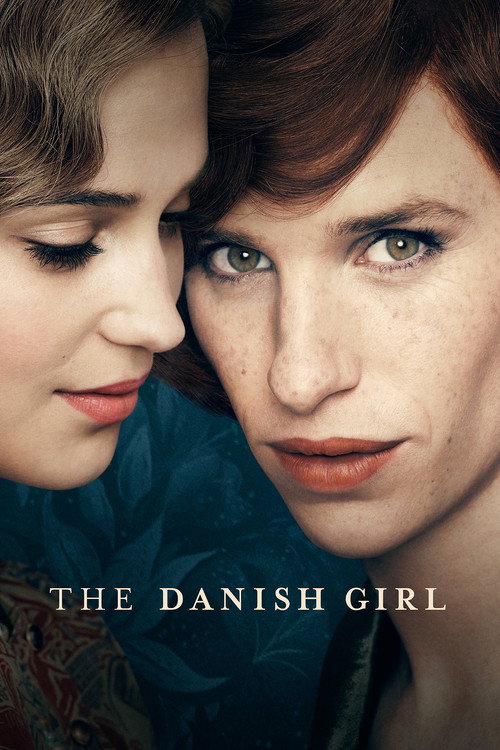
The Danish Girl2015
Tom Hooper's account of artistic partnership against historical resistance has similar visual grace and explores how personal transformation and creative ambition intersect in complex ways.
But It's been criticized for its historical liberties and for centering the cisgender partner's emotional journey—the emotional focus lands differently than you might expect.
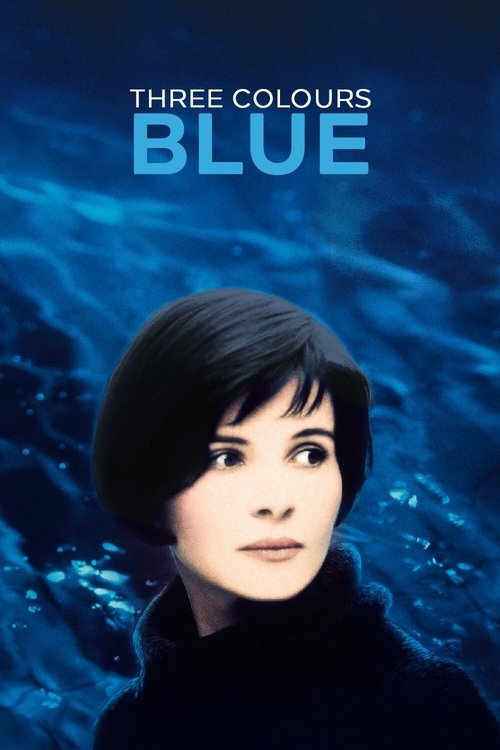
Three Colors: Blue1993
Both use visual precision and restraint to explore the cost of making beauty. Both are about what artists do when personal happiness becomes impossible.
Kieslowski's meditation on artistic creation after loss is entirely different in genre and era, but shares the same DNA: a visual artist working through grief and ambition in post-war Paris, using color and composition as emotional language.
But It's austere, intellectually demanding, and the grief is the point—not the romance. No period glamour, no star power, just philosophy translated to cinema.
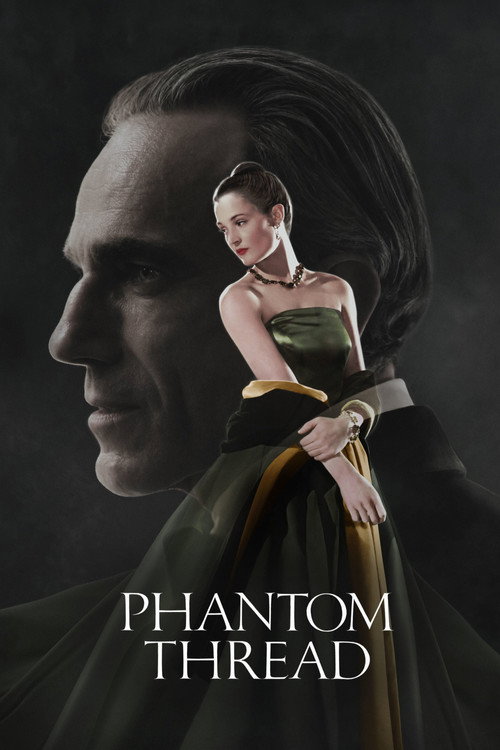
Phantom Thread2017
Both center obsessive artists who use others as material for their work. Both ask whether creation requires consumption.
Anderson's film about a fashion designer and his muse in 1950s London explores the same creative obsession and the power dynamic between artist and the person who inspires them—but from inside the relationship rather than from outside.
But It's dark, controlling, and the 'love story' is psychologically unsettling. If you want romance, this offers possession instead. The fashion world detail might appeal or exhaust you.
People
Cast
 Anna MouglalisCoco Chanel
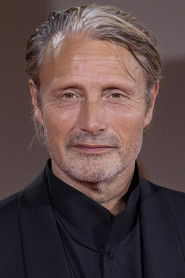 Mads MikkelsenIgor Stravinsky
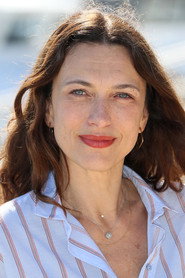 Natacha LindingerMisia Sert
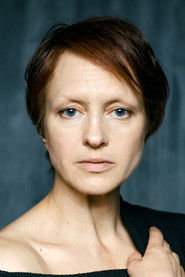 Elena MorozovaKatarina Stravinskaya
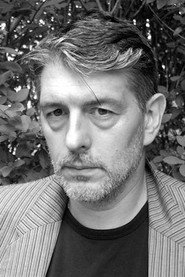 Grigori ManoukovSergey Diagilev
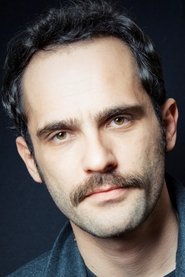 Radivoje BukvićGrand Duke Dimitri
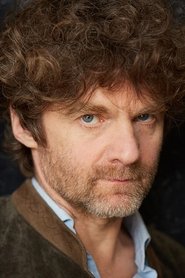 Nicolas VaudeErnest Beaux
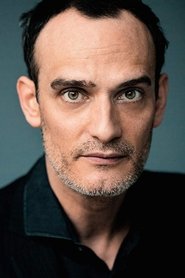 Anatole TaubmanArthur 'Boy' Capel
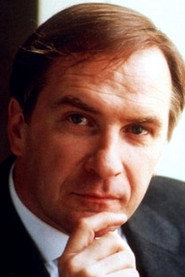 Erick DesmarestzLe médecin
- Clara GuelblumMilena Stravinskaya
- Maxime DaniélouTeodor Stravinsky
- Sophie HassonLudmila Stravinskaya
Directing
- Jan KounenDirector
- Dominique DelanyFirst Assistant Director
- Franck GiraudSecond Assistant Director
Writing
- Carlo De BoutinyAdaptation
- Jan KounenAdaptation
- Chris GreenhalghNovel
- Chris GreenhalghScreenplay
Production
- Albina BoeckliAssociate Producer
- Kazutaka KimoriAssociate Producer
- Yoichi SakaiAssociate Producer
- Brigitte FourcadeCasting
- Gigi AkokaCasting
- Natalya KrimenskayaCasting
- Veronika ZonabendCo-Producer
- Chris BolzliProducer
- Claudie OssardProducer
- Philippe DelestProduction Manager
Recommended by
Diana Vreeland: The Eye Has to Travel, Yves Saint Laurent, A Song to Remember