
Film
Kadosh
Amos Gitai's unflinching look at women's lives in Jerusalem's ultra-Orthodox Mea Shearim quarter, where tradition demands obedience and motherhood is a woman's sole value. Two sisters navigate impossible choices between love and duty, faith and autonomy. It's austere, sometimes painful to watch, and deeply humane—a film that respects its subject while refusing to look away from its cruelties.
Should you watch it?
Watch it if you're drawn to slow, observant films where a closed community is seen from within, with long still frames and a patient eye for the rituals that shape women's lives.
Skip it if you need a brisk romance or a plot that keeps pushing forward; the pacing is deliberate and the feeling restrained, so it can feel distant.
What it asks of you: At 110 minutes, its scenes linger well past the point a faster film would cut away, and it rewards sitting still with them.
Not sure? Find tonight's pick in a minute.
If you liked this
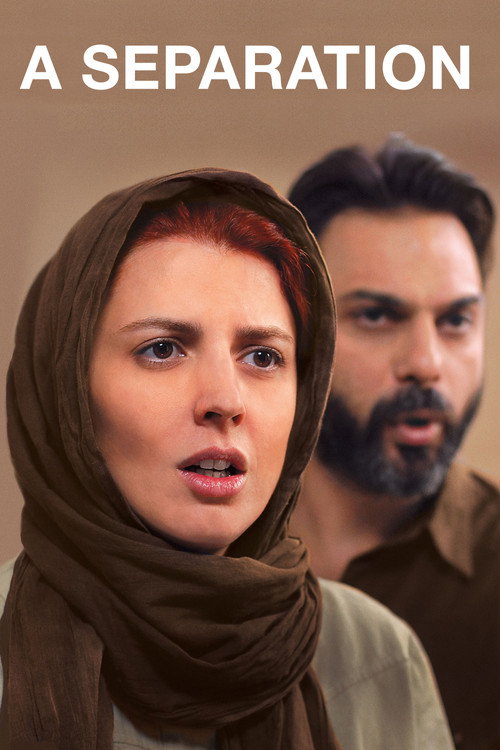
A Separation2011
Another Iranian-set examination of how faith, law, and family obligation collide. Asghar Farhadi finds the human complexity in systems that seem absolute, with performances that break your heart through restraint.
But It's a legal procedural at heart, and the pacing can feel glacial if you're not fully invested in the moral knots being untied.
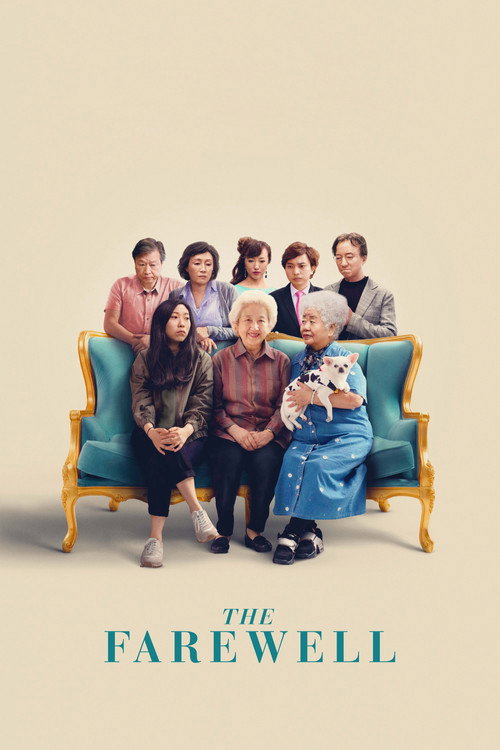
The Farewell2019
A woman caught between two cultures and two families' competing demands. Lulu Wang balances comedy and heartbreak while examining duty, deception, and what we owe each other across generational divides.
But The tonal shifts between humour and sadness might feel uneven if you're expecting one mood to dominate throughout.
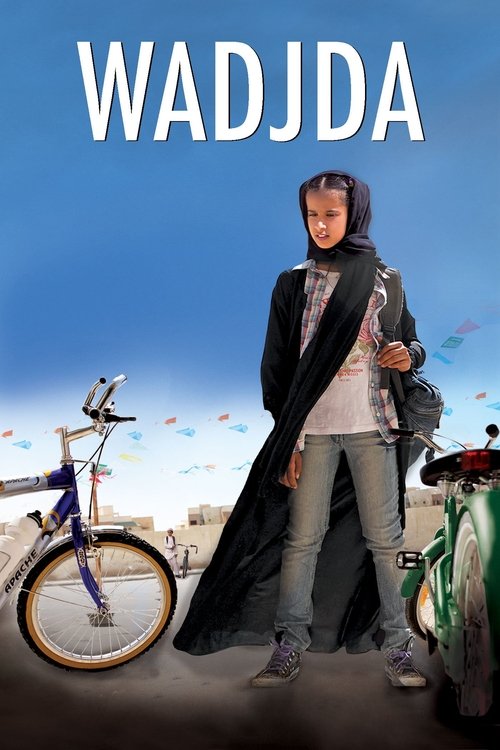
Wadjda2012
A girl in Saudi Arabia wants a bicycle in a system designed to constrain her. Haifa Al-Mansour brings warmth and wit to a portrait of female resistance that never becomes preachy or sentimental.
But The problem it poses—systemic patriarchy—remains unsolved, which some viewers find frustrating rather than honest.
Not sure tonight? Get a pick in a minute, starting from Kadosh
The wildcard
Something you would not have found on your own.
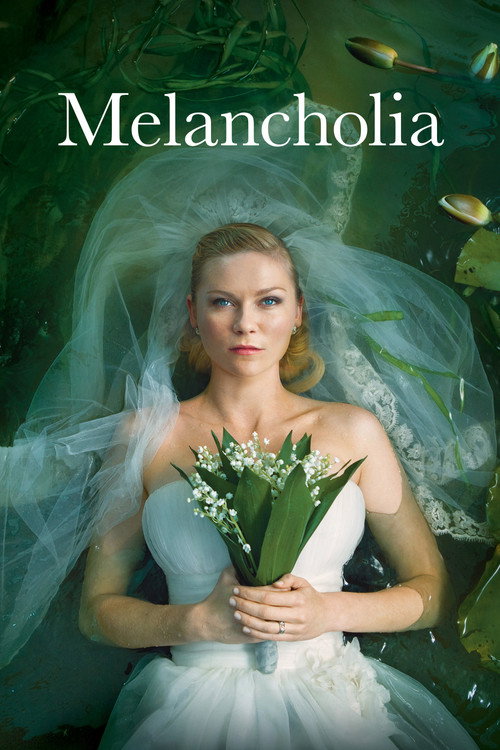
Melancholia2011
Both films use rigid external systems—religious law, cosmic law—to examine how women experience constraint, duty, and the collapse of hope. Both refuse sentimentality in depicting suffering.
A planet hurtles toward Earth as a woman faces her wedding and her depression. Lars von Trier uses apocalypse as a metaphor for interior collapse. It's visually sumptuous, structurally daring, and emotionally obliterating.
But Von Trier's sensationalism can feel exploitative, and the film's passivity—its refusal to dramatise or resolve—might read as self-indulgent nihilism rather than honest portraiture.
More like this (7)
Toni Erdmann2016
A daughter climbing the corporate ladder, a father who won't be ignored. Maren Ade's film is about obligation and love expressed through pranks, vulnerability, and stubborn presence. Funny and devastatingly moving.
But At 162 minutes and with a loose, digressive structure, it demands patience and rewards it unevenly depending on what you bring to it.

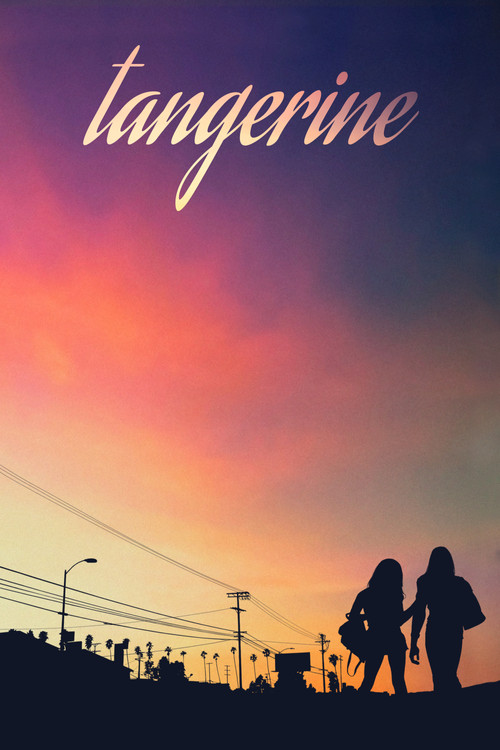
Tangerine2015
Shot on an iPhone in Los Angeles, following two trans women navigating survival, loyalty, and dignity in a world that offers them little. Raw, kinetic, funny, and never exploitative—deeply alive cinema.
But The handheld camerawork and overlapping dialogue create sensory overload, which is intentional but can exhaust rather than engage.
Mustang2015
Five Turkish sisters confined to a house by a controlling family. Deniz Gamze Ergüven turns constraint into visual poetry while capturing the specific texture of girls finding freedom in small rebellions.
But It's deliberately paced and sometimes opaque about its characters' inner lives, which can feel withholding rather than mysterious.

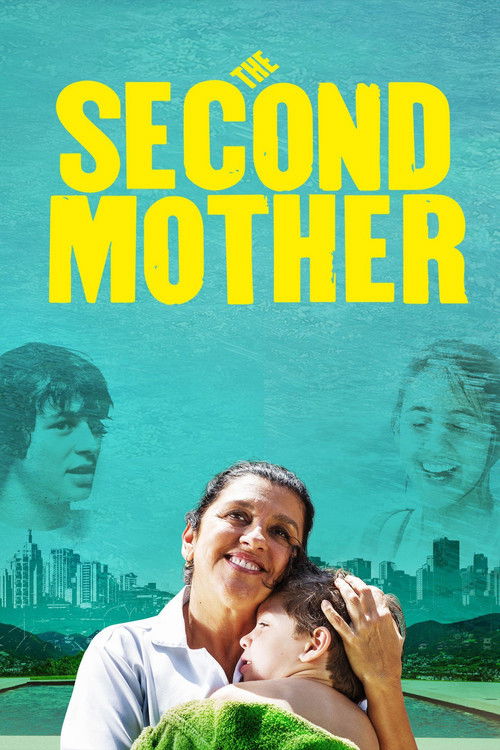
The Second Mother2015
A live-in housekeeper's son visits São Paulo, exposing the hidden hierarchies of her employer's home. Anna Muylaert builds social critique through gestures, meals, and the architecture of class resentment.
But The class dynamics might feel overstated if you're not attuned to Brazilian social codes, and the resolution asks a lot of its characters to forgive.
Circumstance2011
Two girls in Iran navigate forbidden desire while revolution churns outside. Rafi Bahrani finds intimacy and danger in a story about how authoritarian systems police not just bodies but love itself.
But It balances melodrama with realism unevenly, and the ending will feel either devastating or contrived depending on your tolerance for tragic inevitability.

Moonlight2016
Both centre marginalised figures in systems (religious, racial) that deny them full humanity. Both are shot with a painter's eye for how light falls on skin. Both suggest that love itself becomes an act of resistance.
Three chapters of a Black boy becoming a man, love, and survival in Miami. Barry Jenkins shoots intimacy in tight frames and blue light. It's formally rigorous and achingly tender about vulnerability and touch.
But The narrative structure is fragmented across decades with minimal exposition. If you need conventional plot machinery, its ellipses will feel evasive rather than poetic.

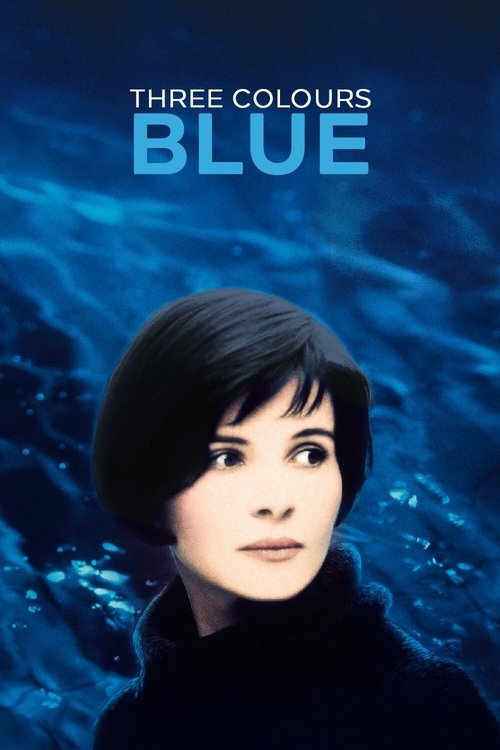
Three Colors: Blue1993
Both explore how women are defined by their relationships to men (husband, father, rabbi) and the impossibility of agency within those frames. Both achieve their power through visual restraint and what they don't say.
A widow's husband dies in a car crash. She tries to erase her life and become invisible. Kieślowski shoots Paris as a city of anonymous grief and traces of love. Austere, meditative, devastating.
But It's glacially slow and oblique about emotion. If you prefer cinema that explains itself, this will feel forbiddingly abstract rather than moving.
People
Cast
 Yaël AbecassisRivka
 Yoram HattabMeïr
- Meital BardaMalka
 Uri KlauznerYossef
Directing
- Amos GitaiDirector
Writing
- Amos GitaiWriter
- Éliette AbécassisWriter
Production
- Amos GitaiProducer
- Michel PropperProducer