
Film
Like Crazy
A romance that treats distance as a relentless character. Jacob and Anna fall hard at college, then spend years trying to stay together across an Atlantic that keeps getting wider. It's tender but never saccharine—you watch love bend under the weight of visas, time zones, and the slow erosion of what was easy when they lived in the same room. For anyone who's loved someone in the wrong geography.
Should you watch it?
Watch it if you respond more to raw, half-finished-feeling intimacy than to tidy plotting, and you are happy to sit with two people who keep failing to say the obvious thing.
Skip it if handheld, improvised-feeling style and long gaps of stillness can feel like wandering, and if you need romance carried along by score and sharp dialogue, it may frustrate.
What it asks of you: Ninety minutes, close, restless camera work and conversations that stop and start, so you need patience for quiet stretches and a willingness to feel uncomfortable with the leads' indecision.
Not sure? Find tonight's pick in a minute.
If you liked this
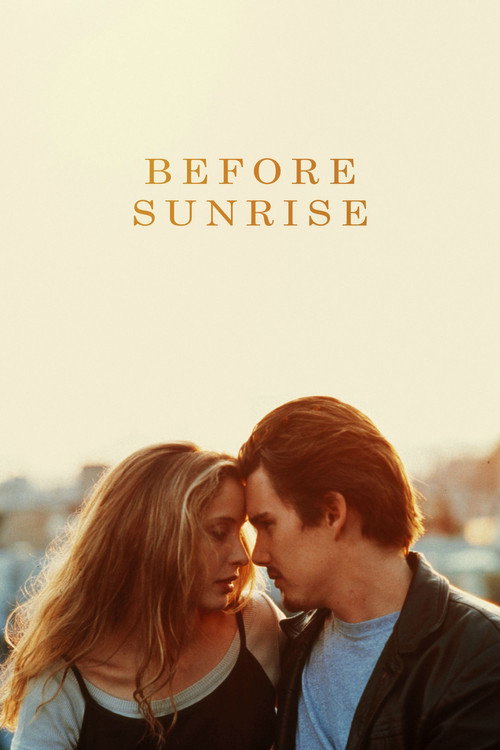
Before Sunrise1995
Two strangers spend one perfect night in Vienna talking. Like Crazy does the inverse—watching connection fray when geography and bureaucracy turn tenderness into logistics. Linklater's dialogue lets you feel every word matter.
But The Before trilogy rewards patience with conversation, not incident. If you need plot momentum, this will feel glacial.
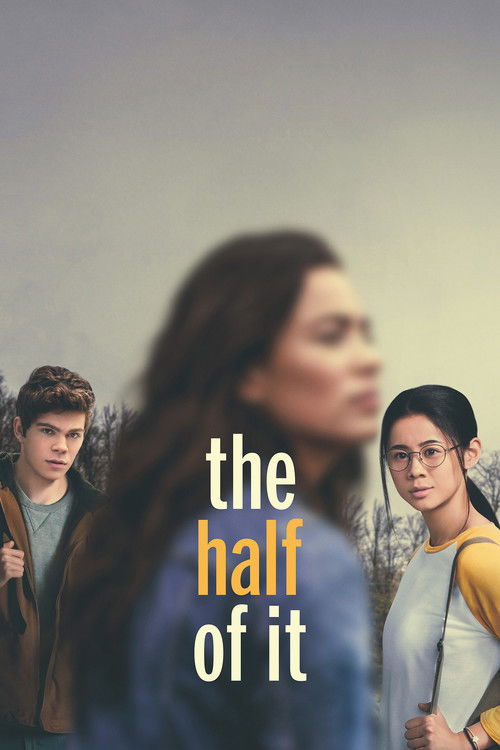
The Half of It2020
Alice Wu's film shares the bone-deep melancholy of impossible timing. Two people orbit each other across barriers they can't quite break, and the ache feels real because the barriers are real—not tragic misunderstandings but actual structural impossibility.
But It's quieter than you might expect. The romance is sincere but understated, which some find more honest and others find withholding.
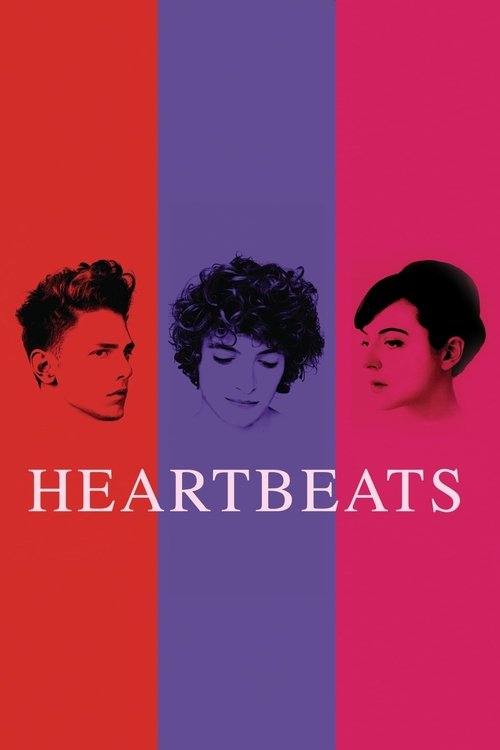
Heartbeats2010
Xavier Dolan's debut captures the fever of new love with stunning visual language—colour, music, editing that makes infatuation physically gorgeous. Like Crazy does something similar, letting form reflect feeling rather than just telling you what to feel.
But The film is self-consciously stylish in ways that can feel precious. If artifice in service of emotion irritates you, the aesthetic choices might distance rather than move you.
Not sure tonight? Get a pick in a minute, starting from Like Crazy
The wildcard
Something you would not have found on your own.
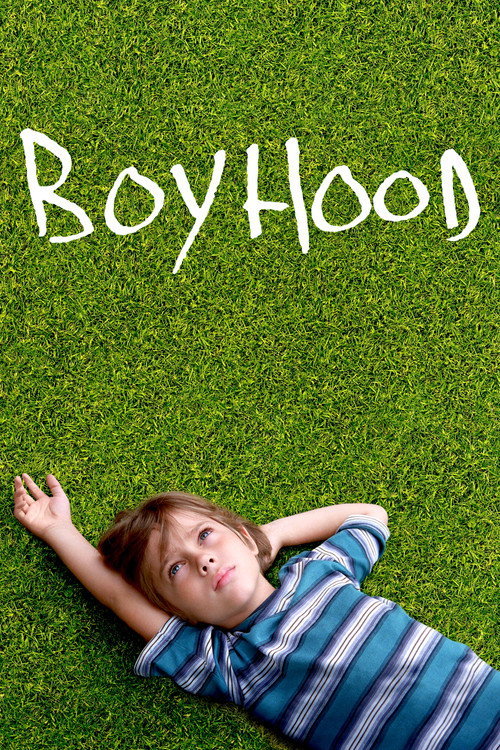
Boyhood2014
Both films make time itself a character. Like Crazy watches distance erode love through accumulated separations. Boyhood watches life continue in real time. Both are about how love changes not when drama strikes but when years pass.
Richard Linklater filmed the same actors over twelve years. The real passage of time—in actors' faces, in relationship shifts, in accumulated small changes—does exactly what Like Crazy does emotionally: it makes you understand that love isn't separate from time, it's shaped by it. The structure mirrors the feeling.
But It's not a conventionally plotted film. You need patience with a story that moves at life's pace rather than cinema's. Some find that profound; others find it an endurance test.
More like this (8)
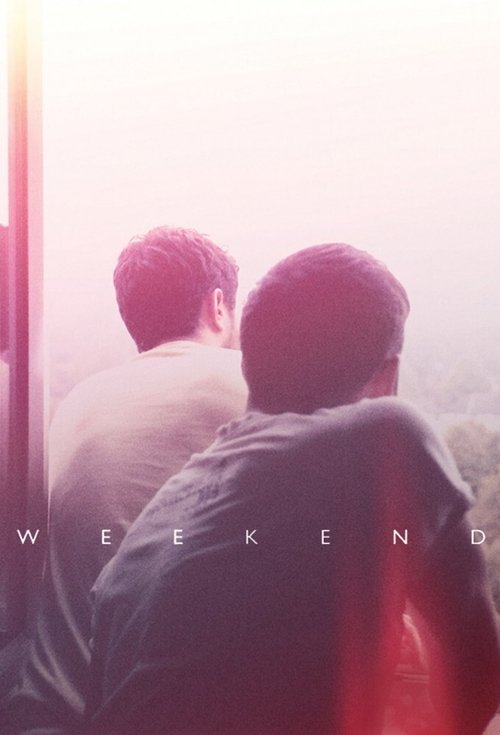
Weekend2011
Andrew Haigh's two-hander gives you a couple in a weekend and asks you to feel the weight of everything unsaid and impossible. Intimate without being precious. The romance feels observed, not performed.
But Slow pacing and minimal plot. It's two people talking and being. If you need external stakes, you'll find yourself restless.
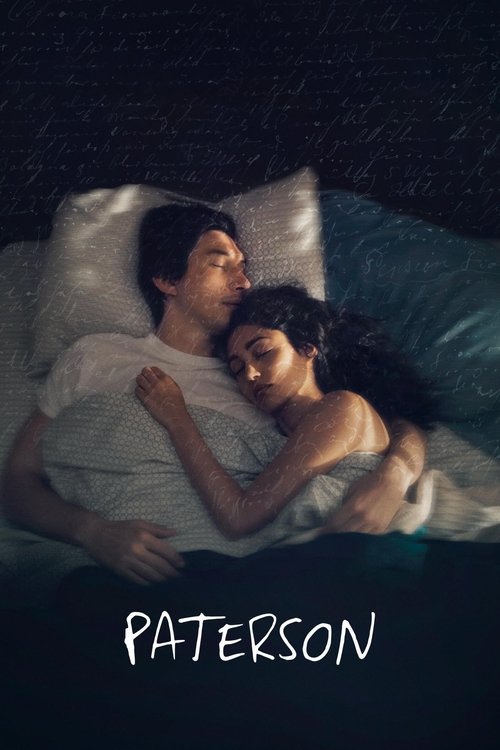
Paterson2016
Jim Jarmusch watching a man watch his life with gentleness and attention. Like Crazy has that quality too—it doesn't dramatize the quiet wreckage of incompatible timing, it just looks at it kindly and lets you feel it.
But Nothing happens by design. The film trusts you to find meaning in ordinariness. That trust can feel like nothing's happening at all.
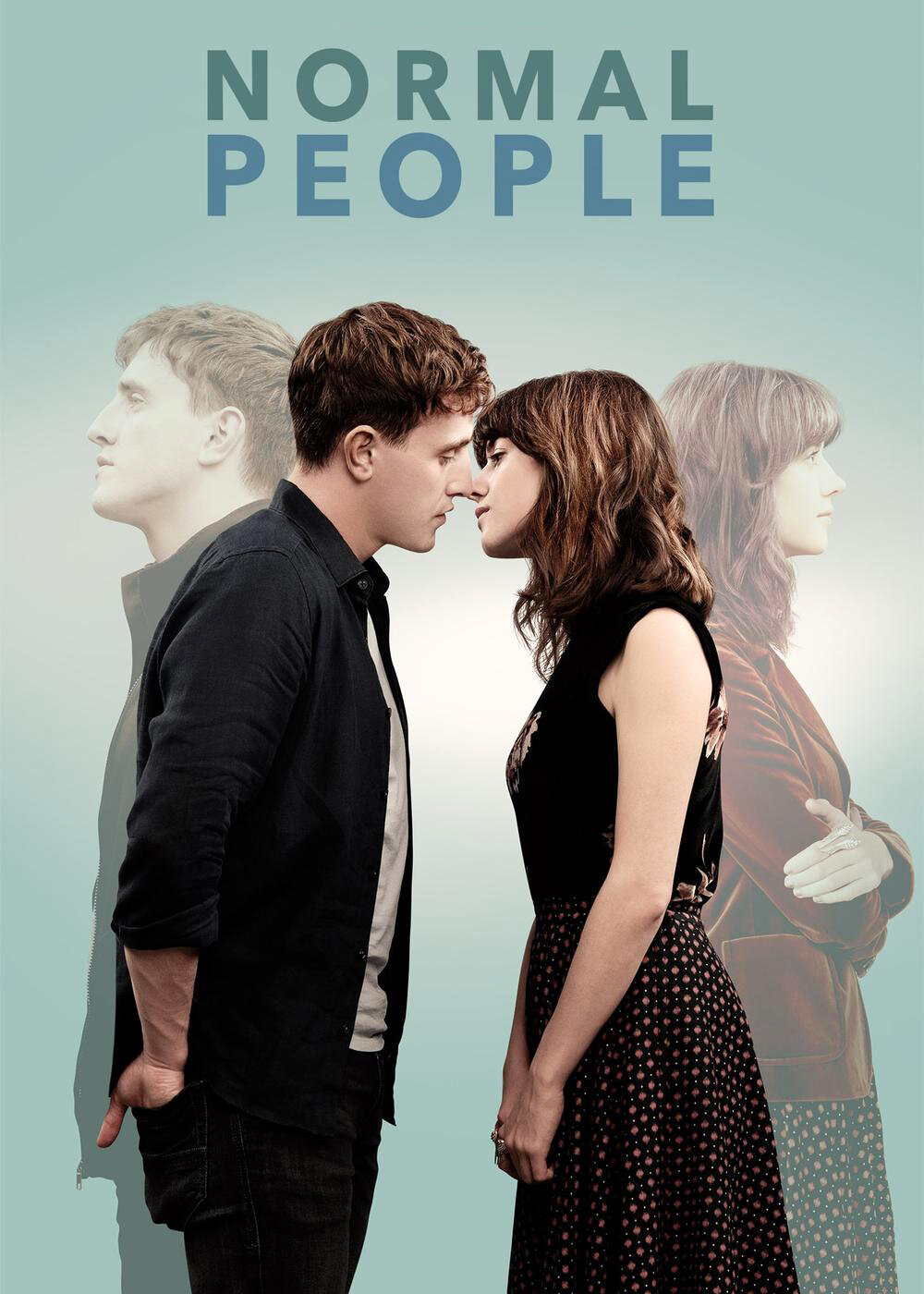
Normal People2020
Lena Dunham and Joe Dunne pull off something Like Crazy also manages: showing how two people can love each other across incompatibility. The TV format lets you sit longer in ambiguity and confusion—it's messy in ways that feel true.
But Some people find the characters' repeated self-sabotage exhausting rather than realistic. The relationship loops in ways that test patience.
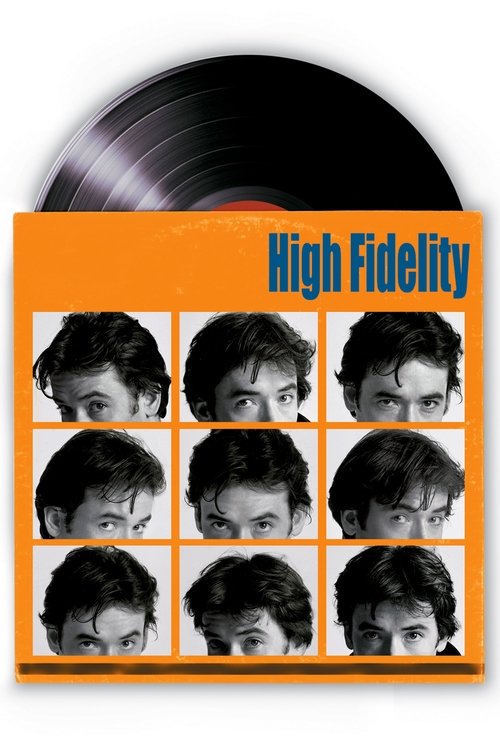
High Fidelity2000
Stephen Frears and John Cusack build a film about two people who want different things but want each other anyway. Smart about love as something you have to actively choose, not just feel. Like Crazy understands that too.
But The 2000 setting and needle drops are charming but can feel dated now. The nostalgia can overshadow the relationship itself.
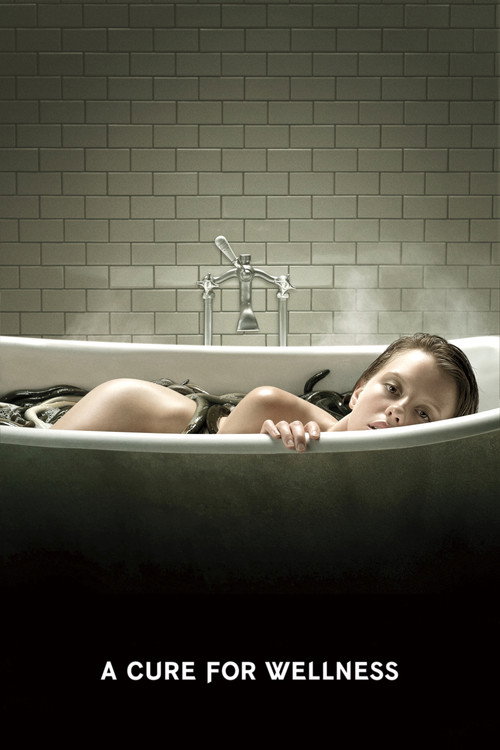
A Cure for Wellness2017
A film that feels obsessive about one character's pull toward another. Like Crazy has that magnetic quality—you watch Anna and Jacob return to each other because they're magnetized, not because it's sensible. Verbinski finds beauty in compulsion.
But It's visually extravagant where Like Crazy is restrained. The film is deeply weird. If you want realism, this will feel like watching someone else's fever dream.
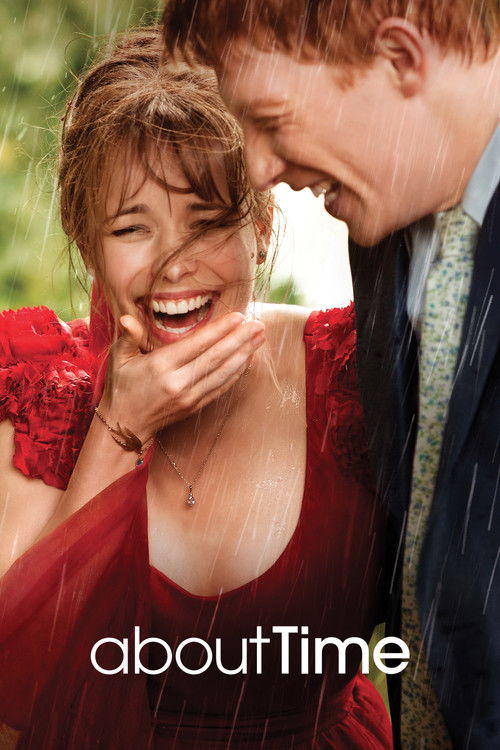
About Time2013
Richard Curtis lets a science-fiction premise ask a sincere question: if you could have all the time you wanted, would love be different? It shares Like Crazy's understanding that logistics and distance are romance's real antagonists, not passion.
But The film's sentimentality thickens toward the end. Some find it moving; others find it maudlin. The ending asks a lot of faith in Curtis's view of love.
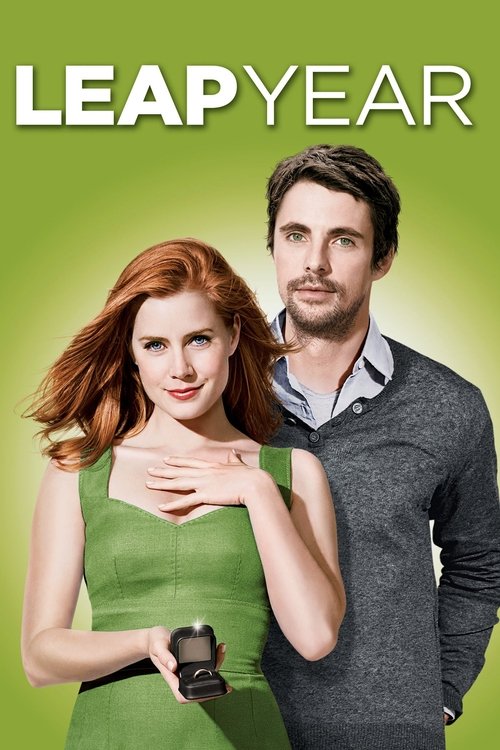
Leap Year2010
Both films trust conversation as the primary language of intimacy. Both watch people trying to communicate across a gap that talking sometimes widens rather than closes. But where Like Crazy is tender and naturalistic, Leap Year is theatrical and estranged—the same idea in opposite registers.
Ken Russell's bizarre, underseen chamber piece: two people talking through day and night, their conversation fragmenting and reforming, getting nowhere and everywhere. It's formally strange—theatrical, repetitive, almost musical. But its obsession with how two people can say everything and nothing to each other is unmatched.
But It's willfully artificial. The rhythm is mannered. There are monologues and repetitions that feel more like experimental theatre than film. Conventional romance viewers will find it alienating.
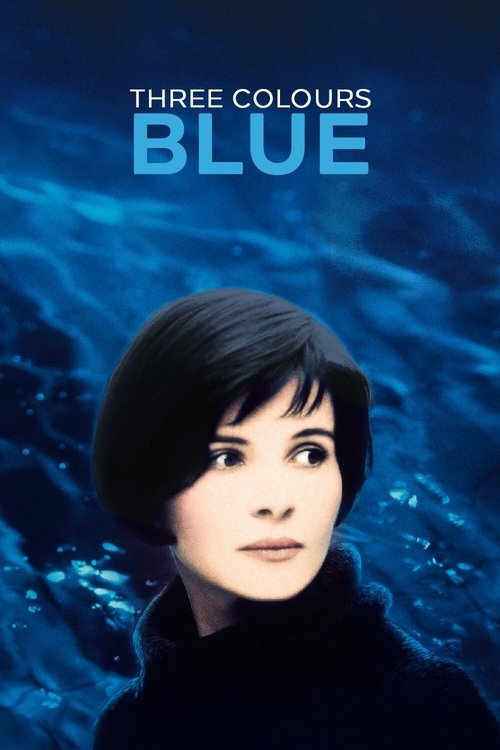
Three Colors: Blue1993
Both films understand that separation from someone you love—whether through death, distance, or circumstance—can't be fixed by wanting them enough. The real subject is learning to exist in the gap. Like Crazy is a love story; Blue is about what happens when love can't bridge the distance. Same anatomy, different ending.
Krzysztof Kieślowski's film about loss and untethering. A woman's husband dies and she tries to erase herself from the life they built. It's not a romance but it's about being separated from someone you loved by something stronger than choice. Quiet, painterly, devastating about how grief and love are inseparable.
But It's oblique and offers no comfort. Death is not overcome; the film watches someone learn to live beside it. Some find that clarity beautiful. Others find it punishing.
People
Cast
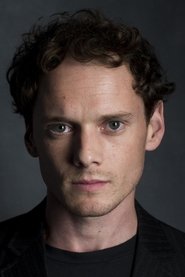 Anton YelchinJacob Helm
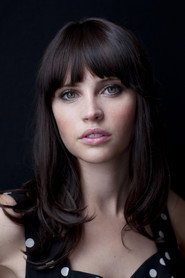 Felicity JonesAnna Gardner
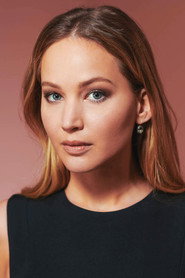
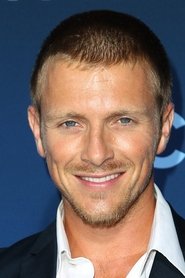 Charlie BewleySimon
 Alex KingstonJackie Gardner
- Oliver MuirheadBernard Gardner
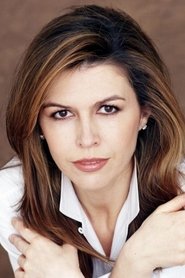
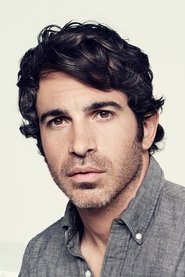 Chris MessinaMike Appletree
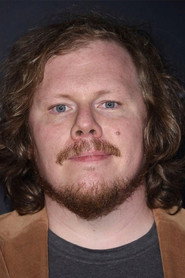 Ben York JonesRoss
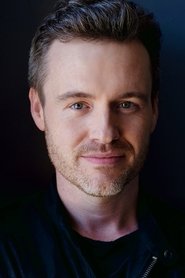 Jamie Thomas KingElliot
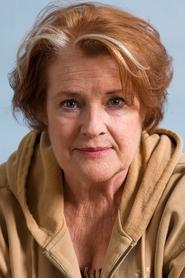 Amanda CarlinAmerican Consulate
- Barry SabathProfessor
Directing
- Drake DoremusDirector
Writing
- Ben York JonesWriter
- Drake DoremusWriter
Production
- James BelferAssociate Producer
- Eyde BelascoCasting
- Brian BucklandCo-Producer
- Audrey WilfExecutive Producer
- Mark RoybalExecutive Producer
- Steven M. RalesExecutive Producer
- Zygi WilfExecutive Producer
- Andrea SperlingProducer
- Jonathan SchwartzProducer
Recommended by
Blue Valentine, The One I Love, Restless, The Accident, The Good Girl, Drinking Buddies, A Werewolf Boy, Wobble Palace, Unmade Beds, Song One, Touched with Fire, In a Relationship, The Hottest State