
Film
Gang War
A taut 1950s crime noir where an ordinary schoolteacher gets pulled into the underworld after witnessing a mob murder. It's lean and propulsive—seventy-five minutes of mounting pressure, with Charles Bronson trapped between the law and the criminal world that wants him silenced. Made for audiences who love old Hollywood's no-nonsense approach to danger.
Should you watch it?
Watch it if you like lean, hard-edged 1950s crime pictures where the moral pressure builds in small, practical choices rather than big speeches, and a young Charles Bronson playing it tight and watchful is reason enough.
Skip it if you want a polished, big-budget gangster epic; this is a cheap, brisk B-movie with rough edges, stock characters and a plot that asks you to accept its conveniences.
What it asks of you: It runs about seventy-five minutes and moves quickly, so it asks for a single unbroken sitting and little patience for digression.
Not sure? Find tonight's pick in a minute.
If you liked this
The Asphalt Jungle1950
The template for heist noir and criminal desperation. John Huston's controlled direction and ensemble cast make this feel like the blueprint for everything that followed, including the witness-in-jeopardy story.
But Black and white, slow-burn pacing, and a moral universe where nobody wins—if you want heroes or colour, look elsewhere.

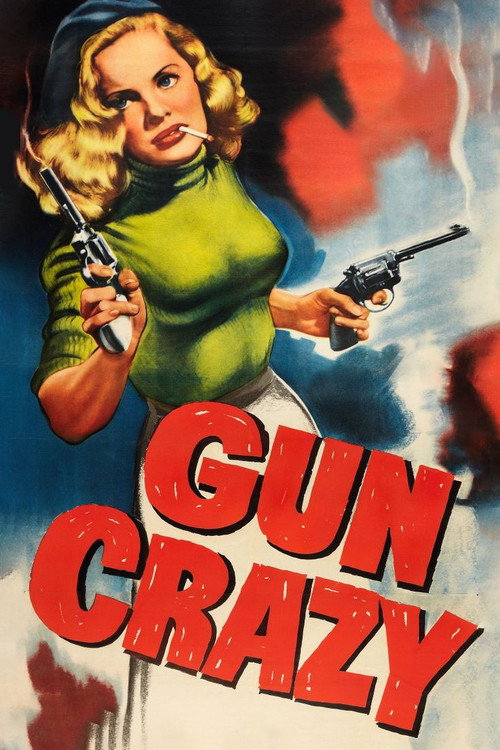
Gun Crazy1950
Bonnie-and-Clyde restlessness shot with real inventiveness on a low budget. The famous long take robbery scene influenced decades of cinema. Urgency and style in equal measure.
But The romance at its core asks you to care about two drifters who kill people. If you need moral clarity from your protagonists, this isn't it.
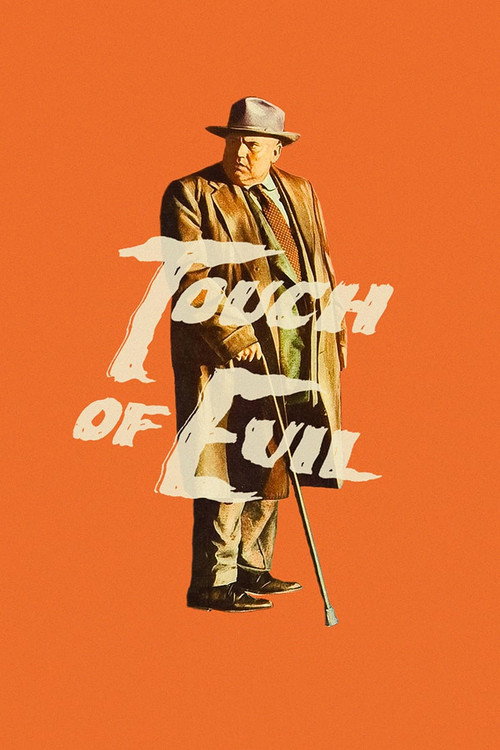
Touch of Evil1958
Orson Welles' masterpiece of moral corruption and camera trickery. Same year as Gang War but operates in a different universe—corrupt cops, border town menace, and cinematography that rewrites what's possible.
But Deliberately disorienting mise-en-scène and a plot that doubles back on itself. If you want to follow the story easily, you'll need to watch it twice.
Not sure tonight? Get a pick in a minute, starting from Gang War
The wildcard
Something you would not have found on your own.
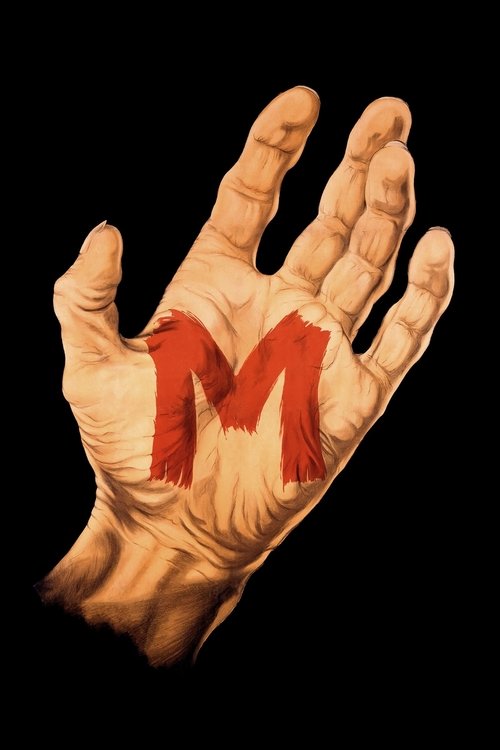
M1931
Both trap an ordinary person at the intersection of law and criminality. Both understand that being hunted is worse than being guilty.
Fritz Lang's 1931 masterpiece: a child murderer hunted by both police and underworld. It's the ancestor of everything—the ordinary man cornered, the city as pressure chamber, the witness as turning point. Extraordinary how modern it feels.
But Silent era German expressionism means stark black-and-white, theatrical acting, and a pacing that won't let you coast. It demands your attention every second.
More like this (7)
In a Lonely Place1950
Humphrey Bogart as a Hollywood screenwriter suspected of murder, trapped by circumstance and his own reputation. Paranoia and psychological pressure from someone who knows how to do it.
But It's a character study dressed as a thriller, not an action film. The ending refuses to comfort you, and neither does the tone.

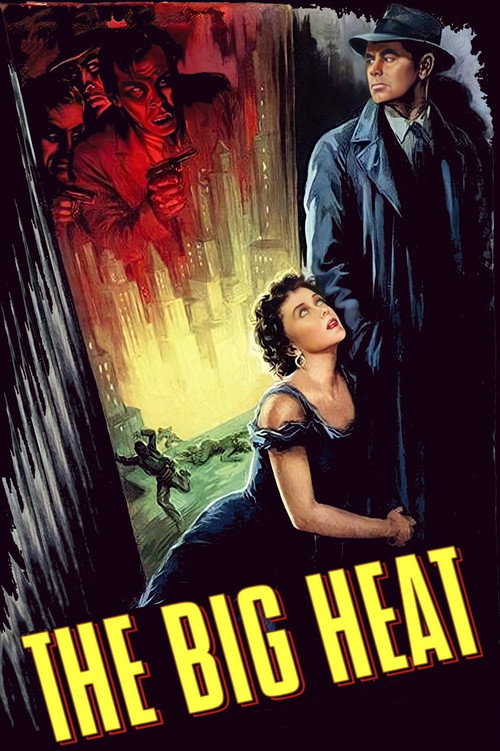
The Big Heat1953
Fritz Lang's vengeance machine. A cop's wife is killed, he's expelled from the force, and the underworld becomes his hunting ground. Clinical, brutal, and surprisingly moving about the cost of obsession.
But Viscerally violent by 1950s standards, especially toward women. The coldness can feel distant if you're looking for warmth.
The Killing1956
Kubrick's first masterpiece. A racetrack heist told in fractured time with a cast of desperate men, each with their own pressure points. Economy and desperation meeting style.
But The non-linear structure was revolutionary in 1956 but now feels fussy. Also, everyone loses—there's no redemption available.

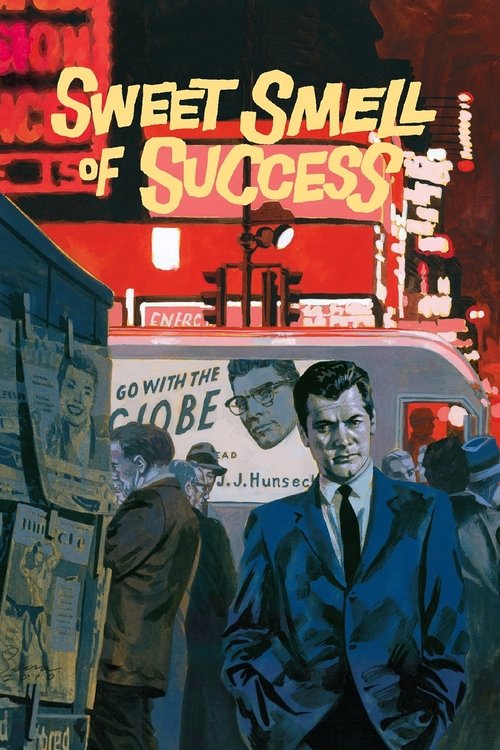
Sweet Smell of Success1957
The darkest New York ever put on film. A gossip columnist and a press agent locked in a dance of manipulation and mutual destruction. The dialogue is intoxicating, the corruption total.
But You need to sit with the dialogue—it's written in a heightened, almost Shakespearean register. Nobody here is likeable, and that's the entire point.
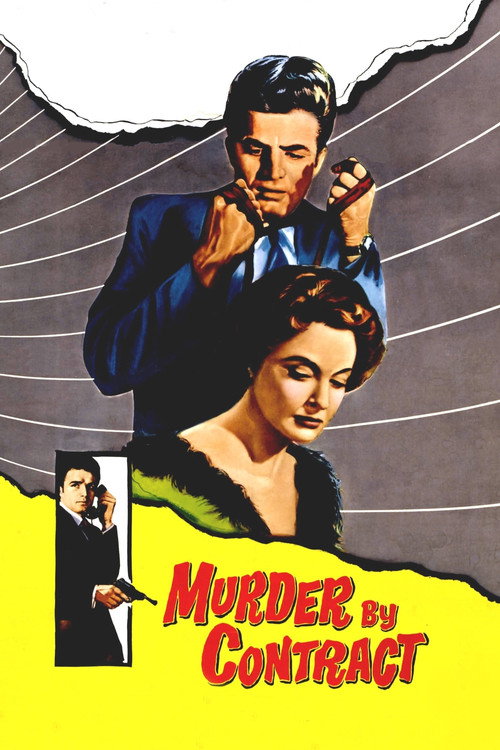
Murder by Contract1958
A cold, minimal contract killer takes a job, and psychology breaks through discipline. Only 81 minutes, but it understands pressure and professional detachment better than films twice its length.
But Austere and slow-moving. If you need momentum and spectacle, this whispers when you're expecting it to shout.
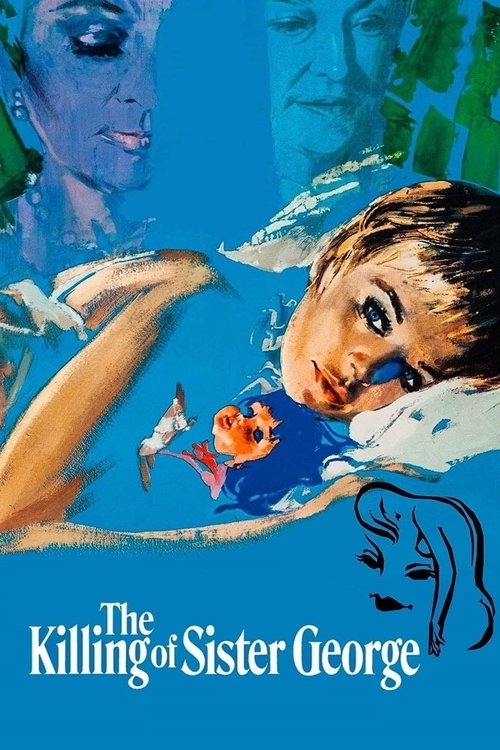
The Killing of Sister George1968
Character and emotional pressure instead of gunplay. An ageing actress's career ends as her personal life implodes. A different kind of siege, but the fear of being erased is just as sharp.
But This is a chamber drama about addiction and dependency, not a crime thriller. Also ten years later, so the moral universe has shifted entirely.
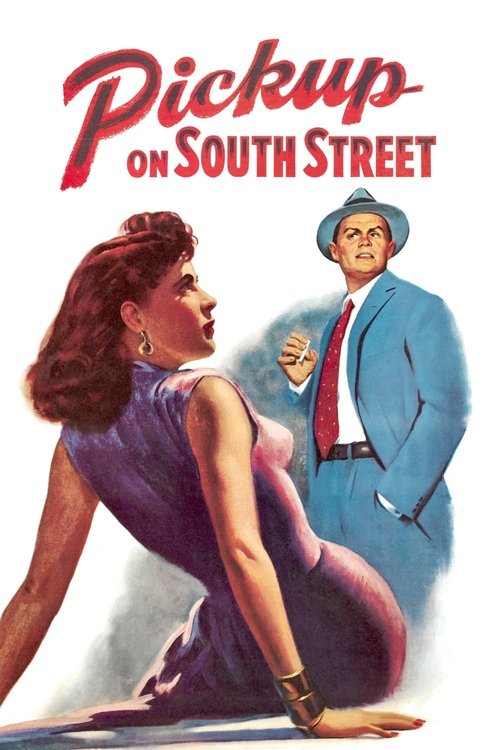
Pickup on South Street1953
A street-level criminal caught between forces larger than himself, forced to choose between self-preservation and what's right. Same moral maze, different neighbourhood.
Samuel Fuller's pickpocket noir—seemingly a B-picture, genuinely a philosophical essay about betrayal, loyalty, and the price of survival. Shot in glorious black-and-white with an energy that pulses. Thelma Ritter steals it.
But It's a pickpocket film from 1953, not a mob thriller. If you need the plot to make logical sense, the emotional core will frustrate you.
People
Cast
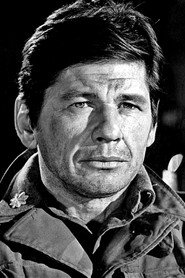 Charles BronsonAlan Avery
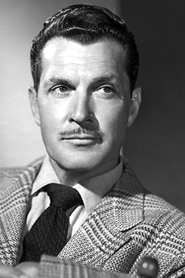 Kent TaylorBryce Barker, Meadows' Attonery
 Jennifer HoldenMarie, Maxie Meadows' Woman
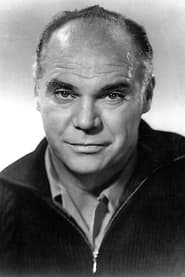 John DoucetteMaxie Meadows
 Gloria HenryEdie Avery
- Gloria GreyMarsha
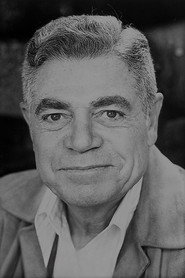 Barney PhillipsPolice Lt. Sam Johnson
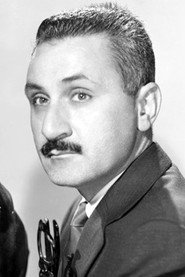 Ralph ManzaBernard 'Axe' Duncan, Reno Hood
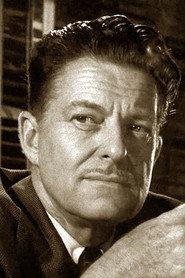 George EldredgePolice Sergeant Ernie Tucker
- Billy SnyderMr. Tomkins, Syndicate Man
 Lyn GuildDiane Barker
- Dan SimmonsPolice Officer Bob Cross
Directing
- Gene Fowler Jr.Director
Writing
- Ovid DemarisNovel
- Louis VittesScreenplay