
Film
The Killer Is Loose
A taut 1950s thriller about a bank robbery gone wrong and the vendetta that follows. When a meek teller's wife is killed during his arrest, he escapes prison bent on destroying the detective responsible. It's lean, propulsive stuff—economical storytelling that trusts the premise and moves fast. For fans of tight crime dramas and moral complications.
Should you watch it?
Watch it if you like lean, hard-edged postwar crime pictures where the moral knot tightens around an ordinary cop and the pressure never really lets up.
Skip it if you're after a slow-burning character study, since this runs a brisk 73 minutes and prizes momentum over interiority.
What it asks of you: It's a lean seventy-three minutes that rarely pauses, with a tense, shadowy mood and your attention needed mostly for who is maneuvering against whom.
Not sure? Find tonight's pick in a minute.
If you liked this
The Asphalt Jungle1950
The template for all heist thrillers. John Huston's breakthrough film about a bank robbery and its brutal aftermath, shot with documentary clarity and moral ambiguity that influenced everything after.
But Paced for 1950. The heist itself takes a while to set up, and the moral landscape is relentlessly bleak with no one to root for.

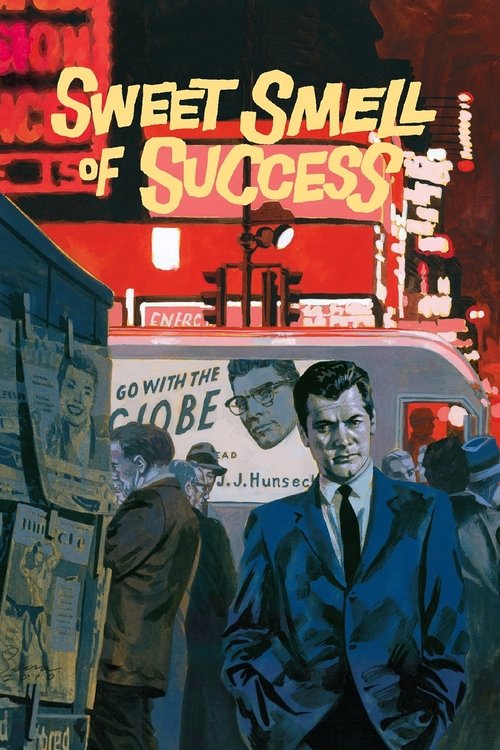
Sweet Smell of Success1957
Corruption, revenge, and moral poison in New York's underbelly. Cinematography that feels like watching a fever dream in black and white. Burt Lancaster and Tony Curtis are hypnotic and terrible.
But The dialogue is so densely written it sometimes feels like another language. Not a comfort watch—it's about loathsome people doing loathsome things.
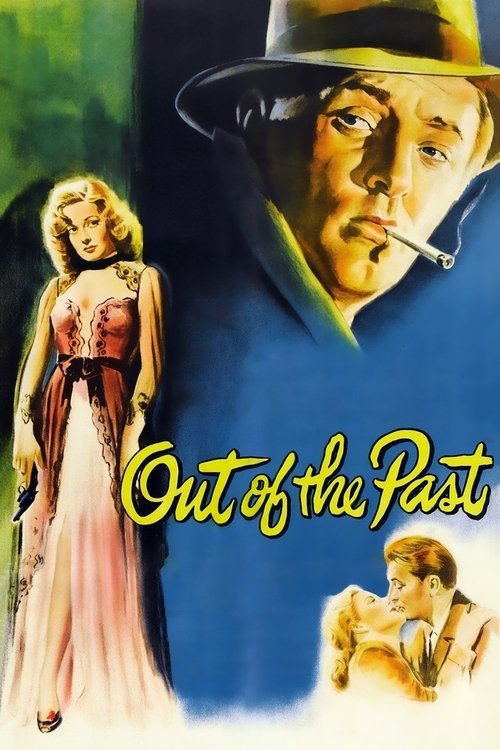
Out of the Past1947
The gold standard of noir fatalism. Robert Mitchum as a man trying to escape his past who finds he never could. Moral inevitability wrapped in gorgeous shadow and cigarette smoke.
But Deliberately slow-burn. If you need constant action, the long stretches of mood and conversation will lose you.
Not sure tonight? Get a pick in a minute, starting from The Killer Is Loose
The wildcard
Something you would not have found on your own.
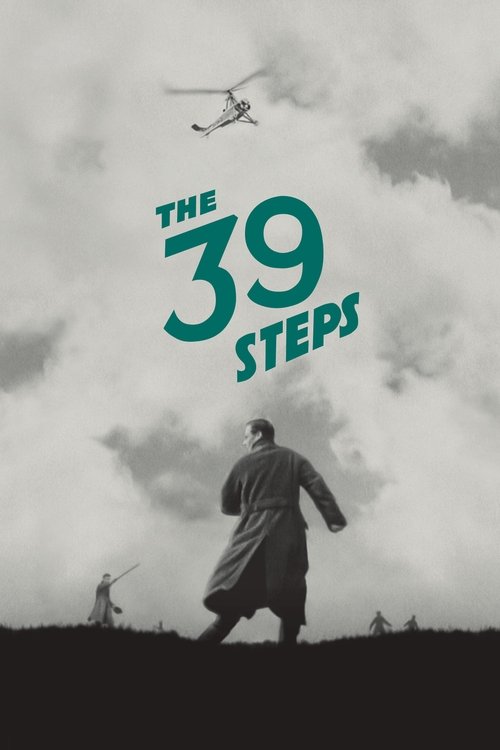
The 39 Steps1935
Both hinge on an innocent person destroyed by a single moment of chaos—one killing the wrong person, the other witnessing the wrong thing. Both are about vengeance born from that irreversible accident.
Hitchcock's prototype for the chase thriller. An innocent man framed, hunted across Scotland by police and criminals alike. The structure—fugitive, pursuit, moral confusion—is the DNA of everything you love in this era.
But It's a 1935 film with period acting and pacing. The special effects are visible, the dialogue can feel mannered, and the logic is sometimes 1930s-loose.
More like this (8)
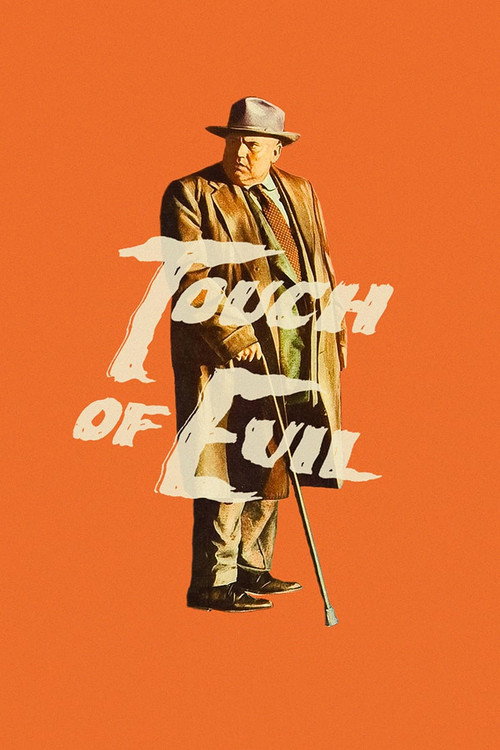
Touch of Evil1958
Orson Welles' final American masterpiece. A bomb, a border town, and moral corruption that goes all the way up. Visually audacious in ways that still feel radical.
But The restored cut has restored some muddiness in the sound design. The plot gets complex fast; you need to stay sharp.
In a Lonely Place1950
Humphrey Bogart as a volatile screenwriter falsely accused of murder, with Ray's camera measuring the distance between guilt and innocence. Intimate and claustrophobic in the best way.
But It's more psychological than procedural, and the ending can feel defeatist depending on your mood.

The Killing1956
Kubrick's debut: a racetrack heist told in fractured time, with a control of narrative structure that announces a major talent. Tense and clever.
But The piecemeal chronology can feel like a gimmick if you're not in the mood for it. The dialogue is flat by design, which some find cold.

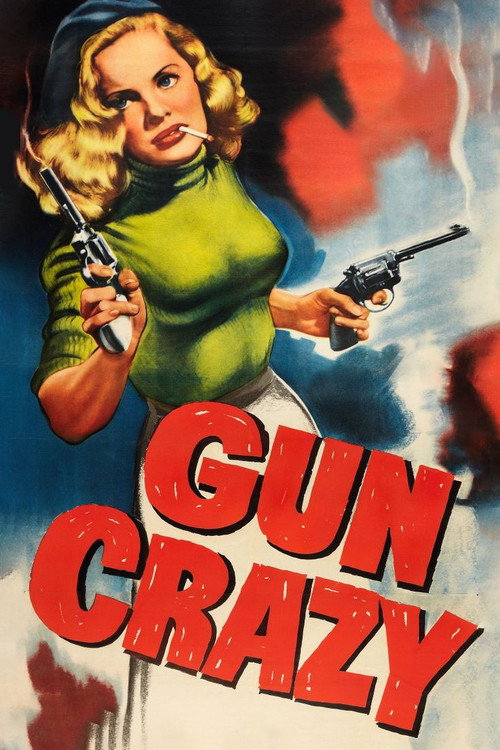
Gun Crazy1950
A lovers-on-the-run crime spree shot with kinetic energy and real moral weight. Influences Bonnie and Clyde. Lean, fast, and genuinely dangerous.
But Very violent for 1950, and the romantic frame around the crime might feel unsettling depending on what you're expecting.
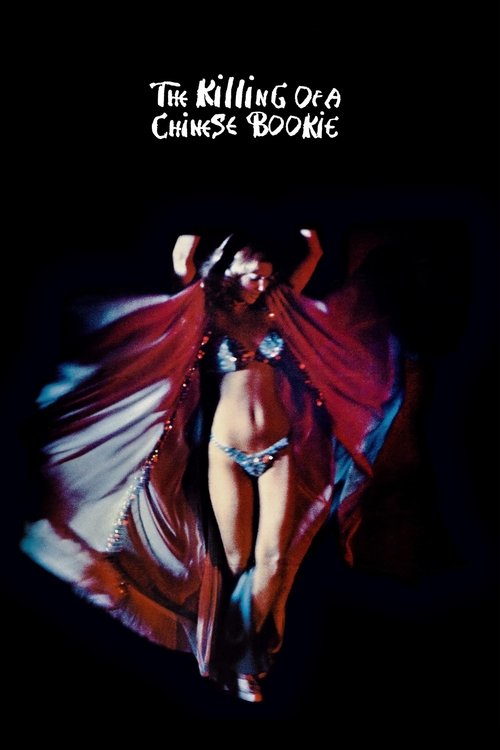
The Killing of a Chinese Bookie1976
Cassavetes' oblique, character-driven crime story. Ben Gazzara as a strip-club owner sucked into the mob. Messy and human in ways studio films never are.
But The plot is deliberately murky and the pacing is conversational. It's as much mood piece as thriller, and that upsets people who want clarity.
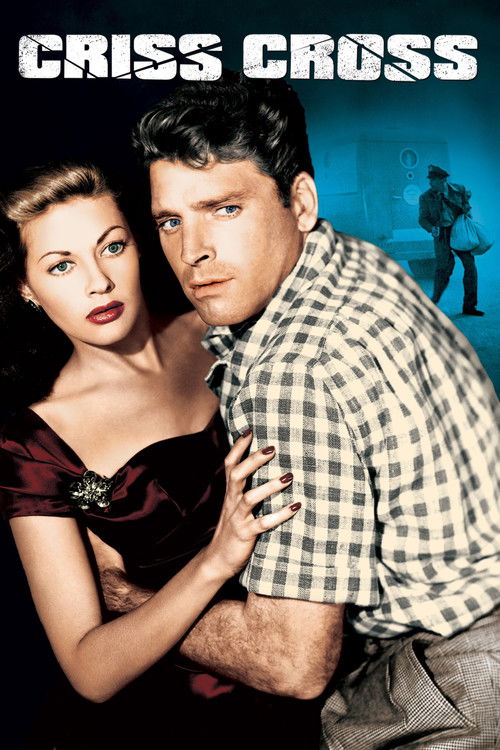
Criss Cross1949
Siodmak at his peak. Burt Lancaster gets pulled back into crime by Ava Gardner. Fatalistic, stylish, and surprisingly modern in its cynicism about desire and obligation.
But It hinges on an attraction between two people that you have to buy, and not everyone will. The second half is less inventive than the first.
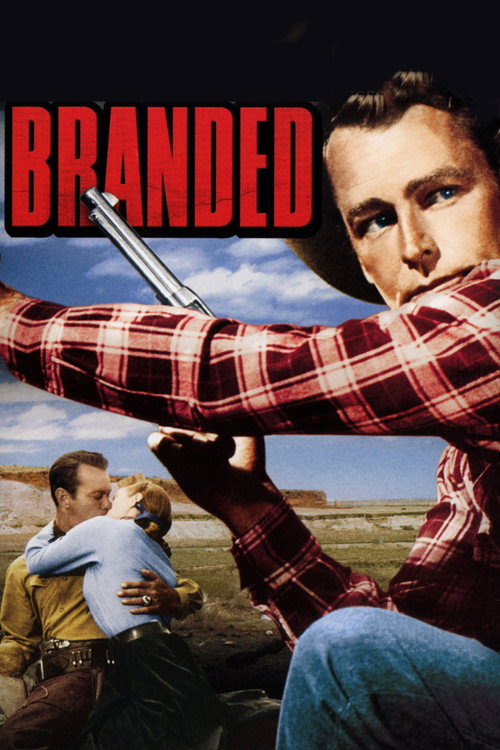
Branded1950
Both are about a man undone by the weight of a single crime—not committing it, but its consequences rippling outward until he can't escape them. Both ask what vengeance really costs the person exacting it.
A con man returns to the woman he swindled years ago, and the past unmakes him. It's a psychological noir about guilt and false redemption, shot with real visual poetry by Rudolph Maté.
But It's introspective and melancholic rather than thrilling. Alan Ladd isn't an action hero here; he's a man thinking himself into corners. That restraint will bore anyone wanting spectacle.
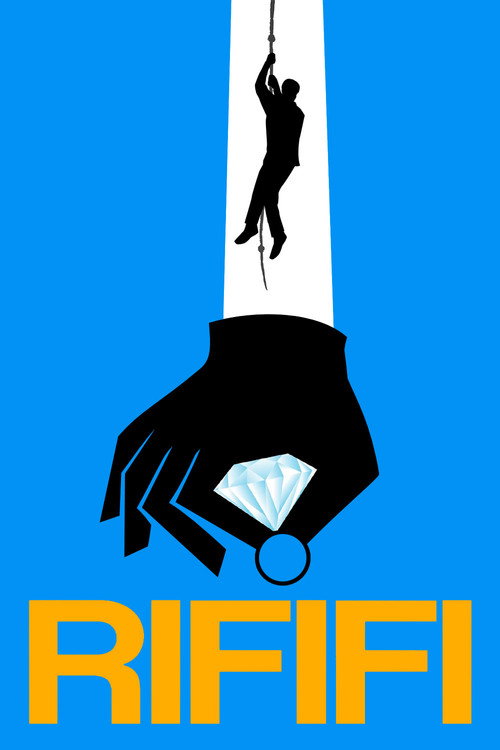
Rififi1955
Both use a tight crime plot to explore whether a man can ever truly be free of his past, and whether escape or revenge is just another form of imprisonment. Both are about how one moment fractures everything after.
A French heist film with a legendary 30-minute silent robbery sequence. Existential, elegant, directed by Jules Dassin. The influence on cinema is enormous and the film still plays.
But It's in French with subtitles. The pacing outside the heist is slower than you might expect, and it's as interested in the character's spiritual emptiness as in thrills.
People
Cast
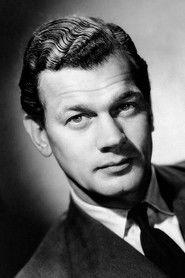 Joseph CottenDetective Sam Wagner
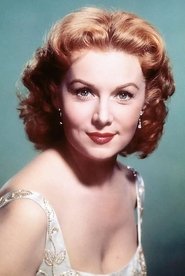 Rhonda FlemingLila Wagner
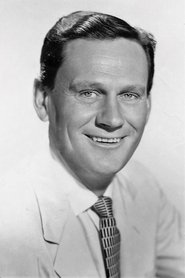 Wendell CoreyLeon 'Foggy' Poole
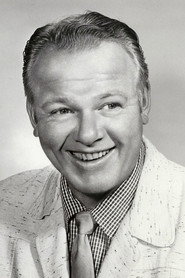 Alan Hale Jr.Detective Denny
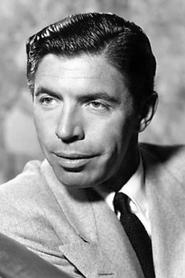 Michael PateDetective Chris Gillespie
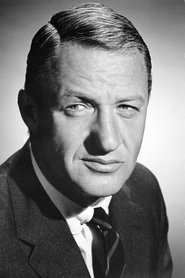 John LarchOtto Flanders
- Dee J. ThompsonGrace Flanders
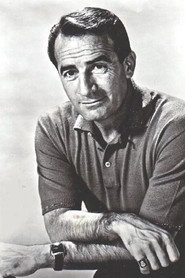
 Virginia ChristineMary Gillespie
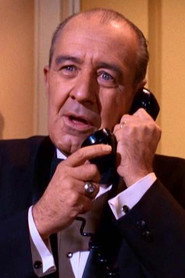 Paul BryarGreg Boyd
- Brick SullivanBus Passenger (uncredited)
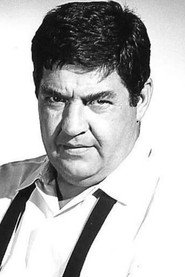 Stanley AdamsHonor Farm Guard (uncredited)
Directing
- Dolph ZimmerAssistant Director
- Budd BoetticherDirector
- Mary GibsoneScript Supervisor
Writing
- Harold MedfordScreenplay
- John HawkinsStory
- Ward HawkinsStory
Production
- Robert L. JacksProducer
- Clarence EuristProduction Supervisor