
Film
Midnight
Other titles called Midnight: the 1939 film, the 2013 series (Comedy Central).
- Courtroom drama
- Crime
- Very dark
A Pre-Code moral thriller where a jury foreman's convictions face shattering reversal hours before an execution. Humphrey Bogart plays against type as a menacing gangster; Sidney Fox carries the film's moral weight. Taut, merciless, and uninterested in easy answers—this is cinema before Hollywood learned to comfort itself.
Should you watch it?
Watch it if you like tight, talky crime stories built on moral pressure and guilty consciences, where the quiet sins in a courtroom matter as much as the gunfire.
Skip it if you're hoping for the snappy, glossy gangster swagger Bogart later became known for, since this one is talky, cramped and rather stagey in its dialogue.
What it asks of you: It runs a brisk seventy-six minutes, mostly in close rooms and sharp exchanges rather than action, so you need to settle in and listen.
Not sure? Find tonight's pick in a minute.
If you liked this
The Maltese Falcon1941
Bogart in his definitive role, finding the hard detective beneath the romantic myth. The blueprint for every noir that followed—sharp dialogue, Byzantine plot, and an actor who makes moral compromise look like fatigue.
But By now it's been homaged and referenced so often that the original can feel familiar even on first viewing. Some find the pacing deliberate.
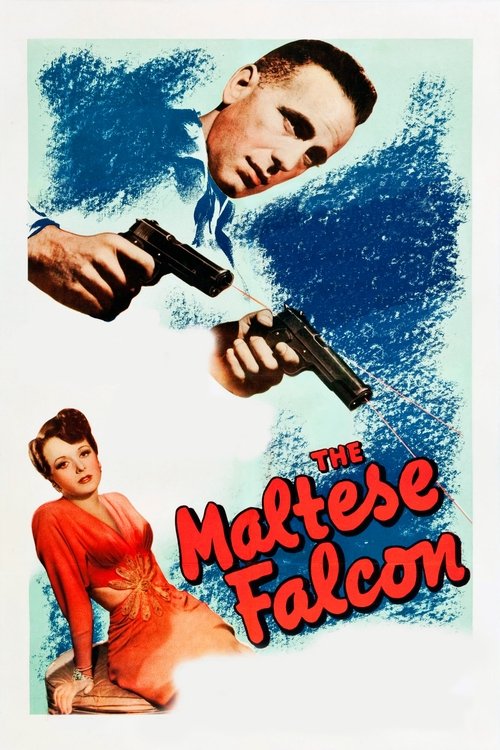
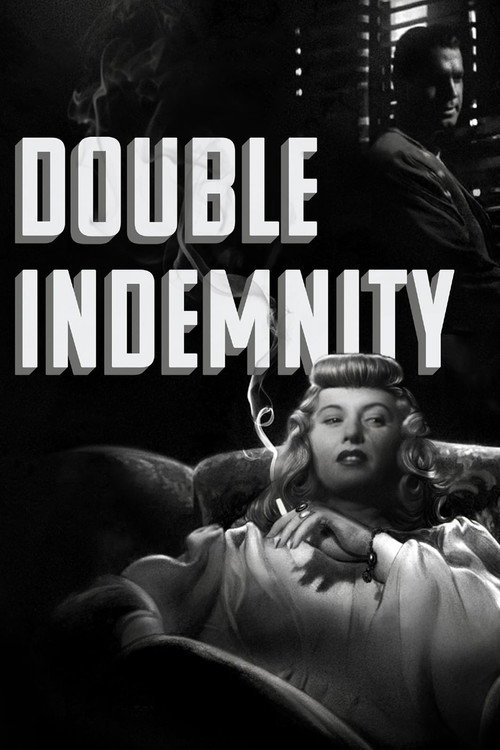
Double Indemnity1944
Billy Wilder's masterpiece of moral collapse: an insurance man undone by desire and a woman who wants him undone. It does what *Midnight* only promises—shows you exactly how an ordinary person becomes guilty.
But Relentlessly cynical about human nature. The final act offers no redemption, only consequences. Not a film that lets you feel good.
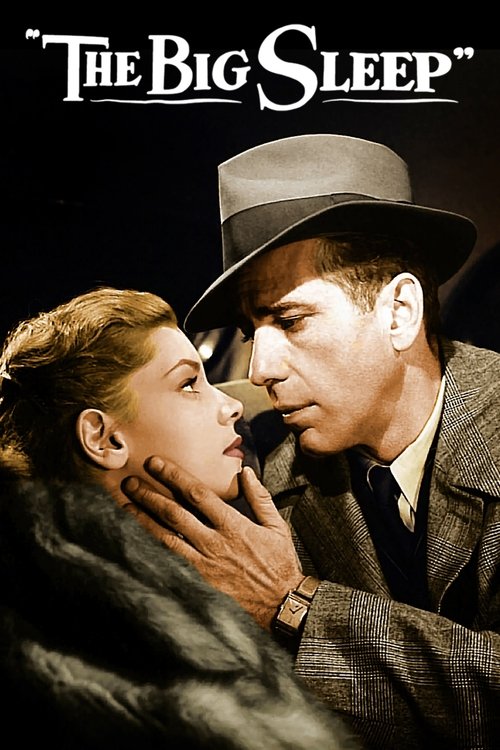
The Big Sleep1946
Bogart and Bacall in the role that defined them both—sexual tension, murder, corruption, and two people who seem to enjoy the danger they're walking into. It's pulpy and smart and utterly alive.
But The plot is notoriously incomprehensible. Even Hawkes couldn't explain who killed the chauffeur. If you need narrative clarity, look elsewhere.
Not sure tonight? Get a pick in a minute, starting from Midnight
The wildcard
Something you would not have found on your own.
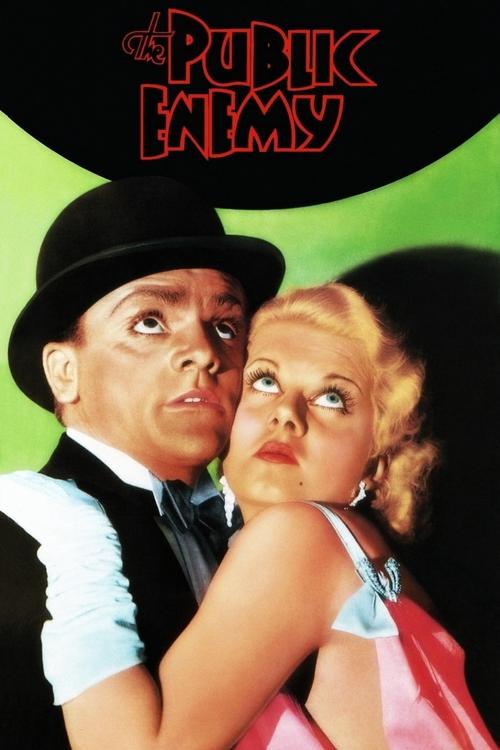
The Public Enemy1931
Both films use the execution—the state's final judgment—as their moral fulcrum. *Public Enemy* made the gangster sympathetic; *Midnight* asks what happens when law and gangster mirror each other.
Three years before *Midnight*, Wellman's film showed American cinema what a gangster could be: not villain, but inevitable product of a corrupt system. Cagney's performance redefined movie stardom overnight. It's where the genre begins.
But It's a Pre-Code film made before the Code bit down—the censors have cut it and restored footage multiple times. Some versions feel incomplete. The morality is inverted from what you expect.
More like this (7)
In a Lonely Place1950
Bogart as a volatile screenwriter accused of murder—a character study that uses noir tropes to explore jealousy, suspicion, and the cruelty of assumption. Ray's direction is perfect; Bogart has never been more vulnerable.
But It's bleak and offers no easy catharsis. The relationship at its center is toxic and stays toxic. Some find it depressing rather than illuminating.

The Killers1946
Hemingway's eight-page story exploded into a full narrative by Siodmak. Two hired killers arrive to murder a man who's already given up—then we chase backwards through betrayal and love to find out why. Immediate, elegant, and hypnotic.
But Lancaster and Gardner aren't Bogart—they operate in a different register. The structure takes some patience to settle into.

Out of the Past1947
The template for every film noir that followed. A man tries to escape his past and finds it's already caught up with him. Mitchum's noir hero is pure weariness; the femme fatale owns every scene she's in.
But The plotting is intricate enough to confuse on a first viewing. Some find the fatalism exhausting rather than tragic.
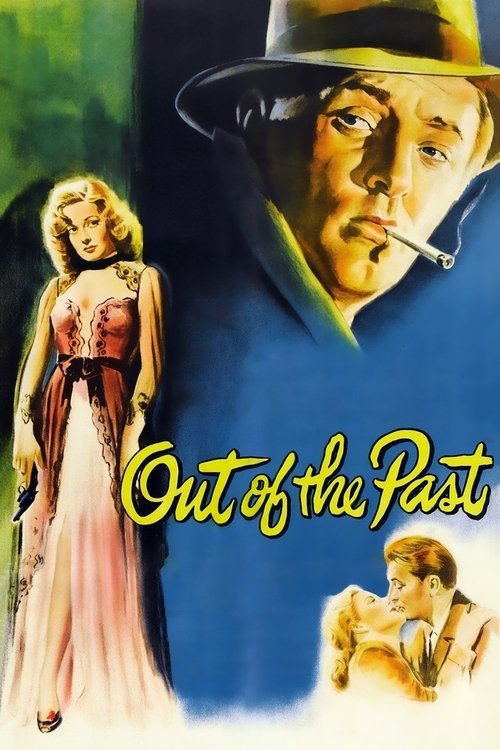
The Asphalt Jungle1950
Huston's heist film treated the criminals with the respect usually reserved for heroes. It's methodical, intelligent, and made the genre respectable. The ensemble cast is uniformly excellent.
But It's a procedural first and a character study second. If you want emotional depth over structure, this won't satisfy.

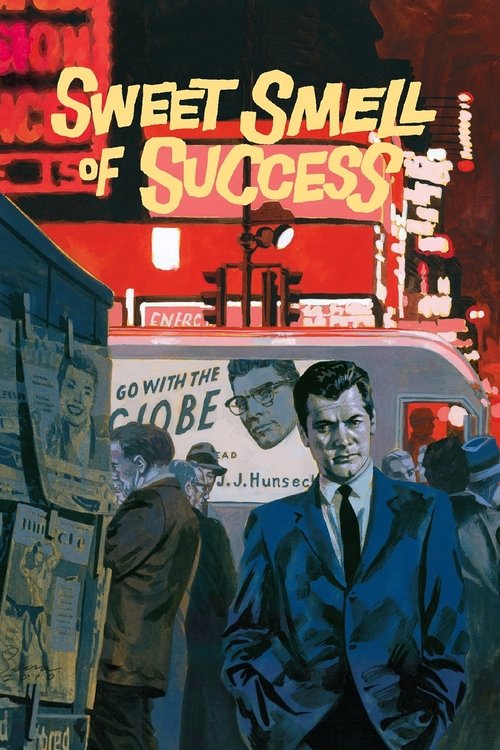
Sweet Smell of Success1957
Every word is a weapon. A press agent and a gossip columnist locked in symbiosis and mutual destruction—Lehman's script is quotable poisoned poetry. Elmer Bernstein's music makes the corruption audible.
But It's dialogue-heavy and baroque in its cynicism. The world it describes is so closed and corrupt that some find it claustrophobic and airless.
The Killing1956
Kubrick's debut: a racetrack heist told out of sequence, with a cast of small-time crooks, each with a reason to betray the others. Inventive and propulsive, with the paranoia and momentum of a fever dream.
But The non-linear structure can feel gimmicky if you're not engaged by the heist itself. The film keeps its distance from its characters' interiority.

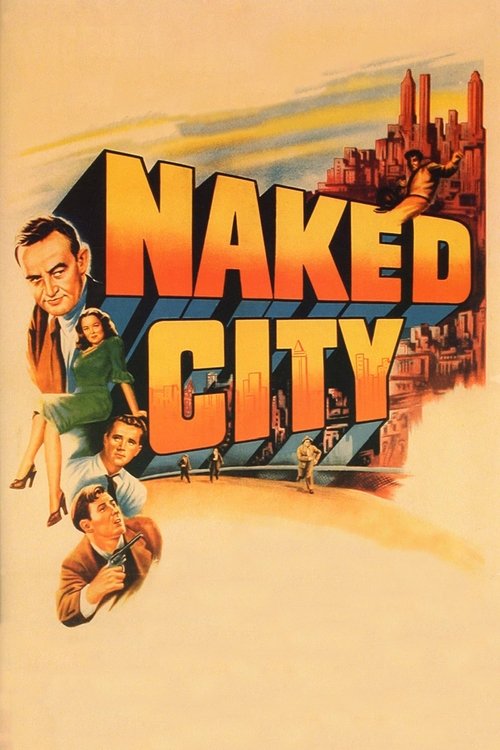
The Naked City1948
Where *Midnight* is claustrophobic and interior, *The Naked City* opens the frame to the actual world—but both use their visual spaces to show how crime and justice are inseparable from the social order itself. Both believe place is destiny.
Dassin's procedural about detectives tracking a jewel thief through New York—but *the* innovation is that it was shot on location, in the actual city. The urban landscape becomes a character. It breathes with documentary reality that no studio set could match.
But It's a detective film first, not a moral tragedy. The emotional register is lower—you're solving a puzzle rather than witnessing corruption. Some find it mannered and slow.
People
Cast
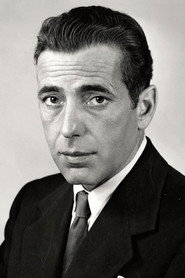 Humphrey BogartGar Boni
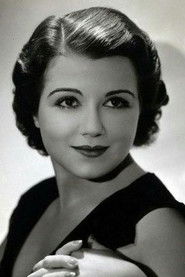 Sidney FoxStella Weldon
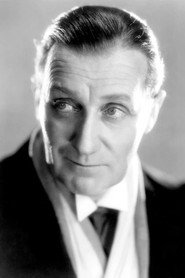 O. P. HeggieEdward Weldon
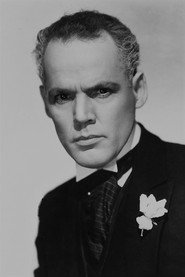 Henry HullNolan
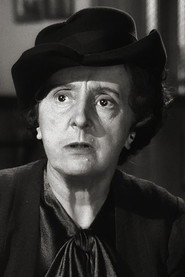 Margaret WycherlyMrs. Weldon
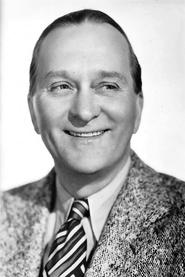 Lynne OvermanJoe Biggers
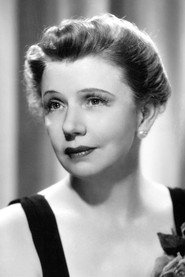 Cora WitherspoonElizabeth McGrath
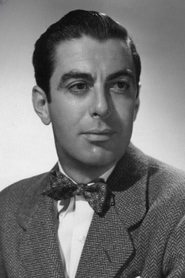 Richard WhorfArthur Weldon
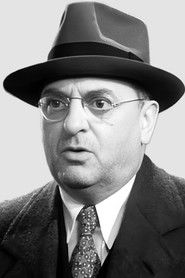 Granville BatesRichard McGrath
- Katherine WilsonAda Biggers
- Moffat JohnstonDistrict Attorney Plunkett
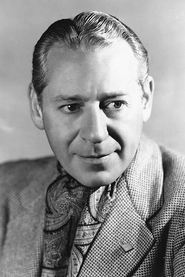 Henry O'NeillEdgar V. Ingersoll
Directing
- Chester ErskineDirector
Writing
- Claire SiftonTheatre Play
- Paul SiftonTheatre Play
- Chester ErskineWriter
Production
- Chester ErskineProducer