
Film
Four Days In November
- Crime
- Very dark
A 1964 documentary assembled from newsreel footage and photographs of the Kennedy assassination and its immediate aftermath. Narrated with grave formality, it moves through the three days of national shock with the texture of live television history. Essential viewing for understanding how Americans experienced the event, though the archive material is sometimes fragmentary and the perspective is of its moment.
Should you watch it?
Watch it if you want to sit with the national mourning of November 1963 through raw archive footage and a steady, unhurried narration, and you're comfortable letting history speak for itself.
Skip it if you need a story with invented characters or a shaped narrative, since this is largely found footage, stitched together with a voice-over that rarely leaves the screen.
What it asks of you: Runs just over two hours, and its pace is deliberate, with long stretches of grainy images that ask for patience and a quiet room.
Not sure? Find tonight's pick in a minute.
If you liked this
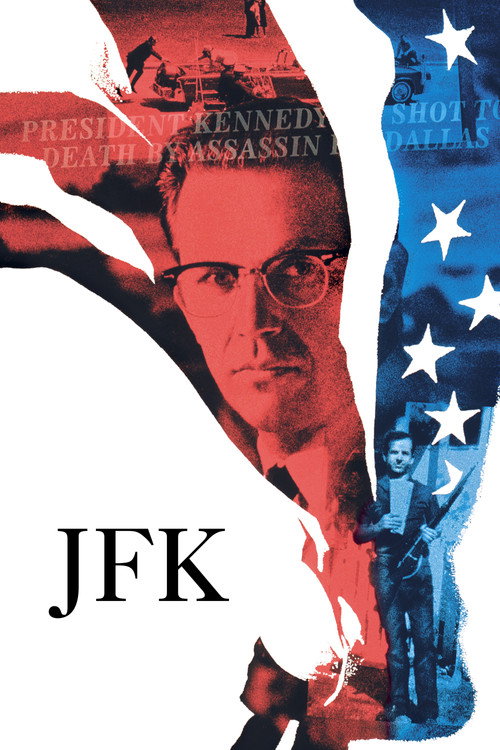
JFK1991
Oliver Stone's baroque three-hour investigation of the Kennedy assassination as a political thriller. Visually audacious, endlessly entertaining, and it makes the case for viewing the event as a pivot point in American power.
But Wildly speculative. Stone treats conspiracy theories as plausible fact. The editing is frenetic and exhausting. It will frustrate anyone who prefers their documentaries restrained.
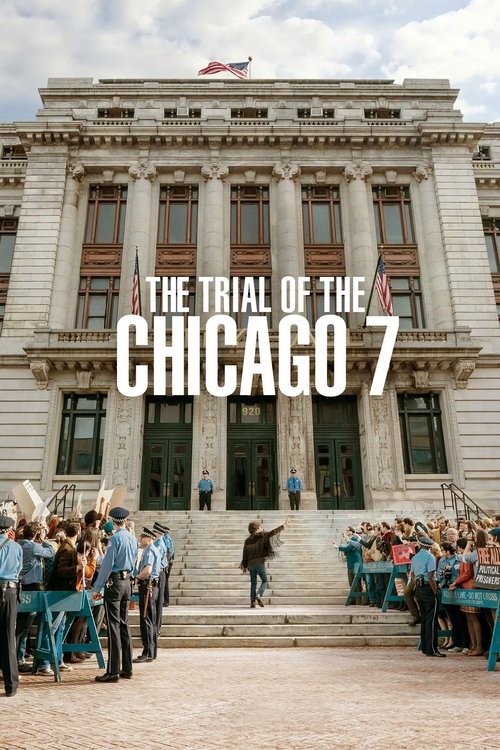
The Trial of the Chicago 72020
A 2020 drama about 1960s American chaos and dissent, with the Kennedy assassination as historical backdrop. It captures the period's tension and the way that moment fractured American confidence in institutions.
But It's a courtroom drama, not a documentary. If you're watching for historical precision, you'll find dramatization choices that prioritize entertainment over accuracy.
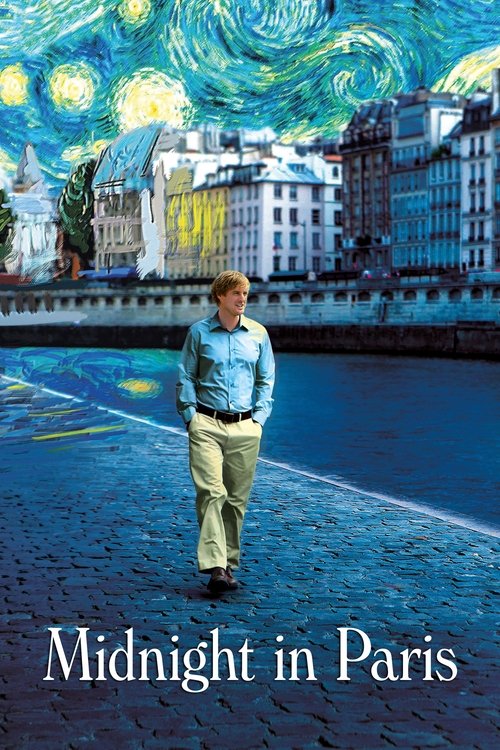
Midnight in Paris2011
Woody Allen's time-travel fantasy moves through different eras of Paris, each with its own richness. It's a love letter to how we consume history through its images—the same impulse that drives Four Days.
But It's a whimsical romantic comedy, not serious history. Some find Allen's nostalgia tiresome. The connection to your title is thematic, not direct.
Not sure tonight? Get a pick in a minute, starting from Four Days In November
The wildcard
Something you would not have found on your own.
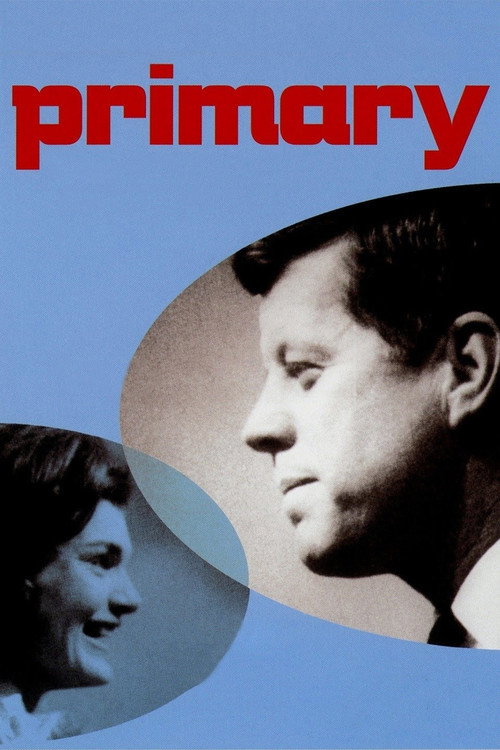
Primary1960
Primary shows Kennedy three years before the events of Four Days, using the archival documentary approach that Four Days perfects. Together they document a man from political ascendancy to national mourning.
Robert Drew's fly-on-the-wall documentary of the 1960 Democratic primary follows Kennedy himself, four years before his assassination. Watching him alive and ambitious, unaware of what's coming, creates an unbearable poignancy. The direct observational style was revolutionary.
But It's a political process film with no narrative arc. Very slow. The emotional power depends on knowing what happens next—it's essentially a tragedy that the film doesn't acknowledge.
More like this (5)
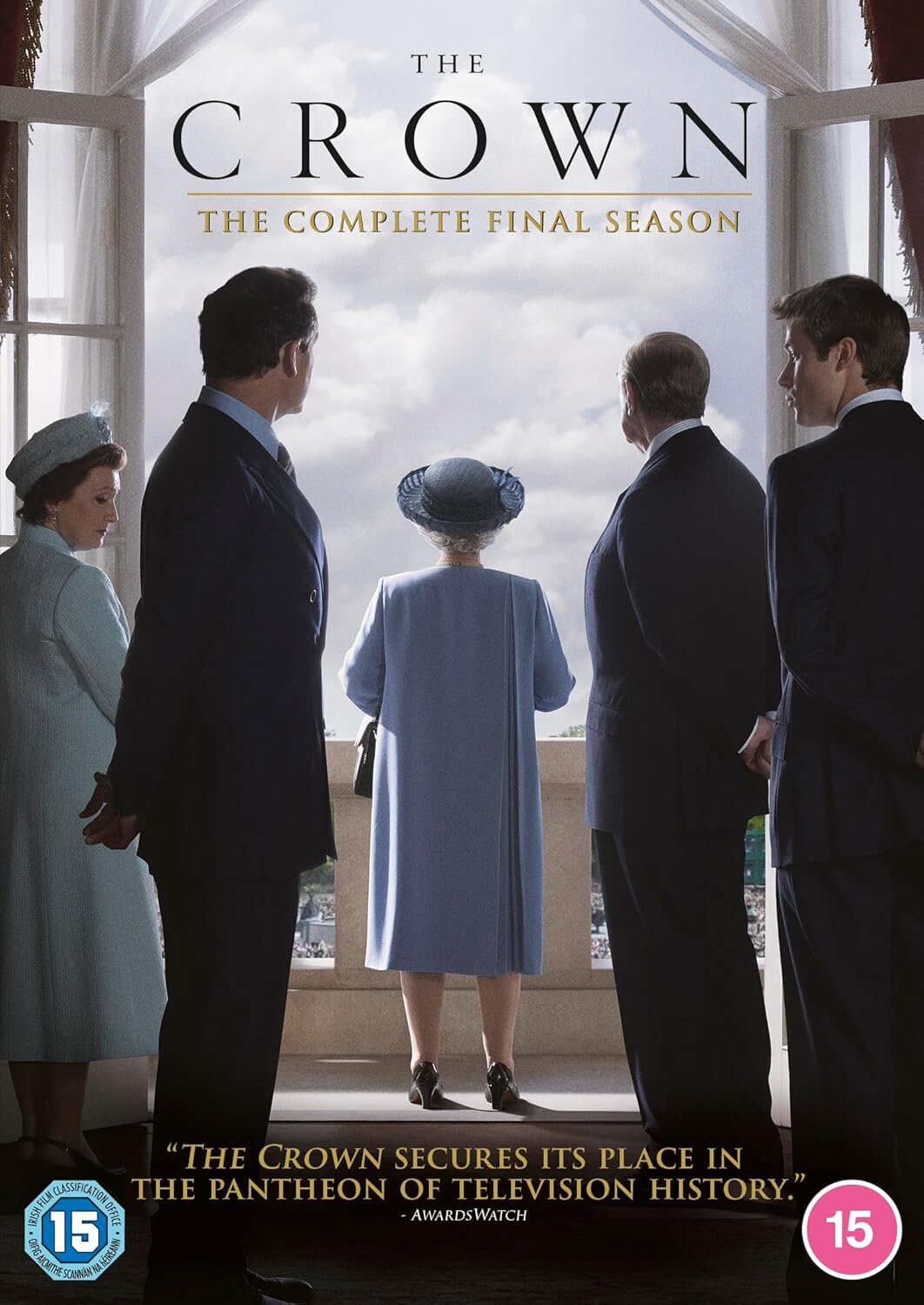
The Crown2016
A dramatized account of the British royal family that includes the Kennedy assassination as a pivotal moment in the global 1960s. It offers a transatlantic perspective on the decade's upheaval.
But It's a prestige soap opera. If you want rigorous history, the show prioritizes drama over accuracy. Some episodes are uneven.
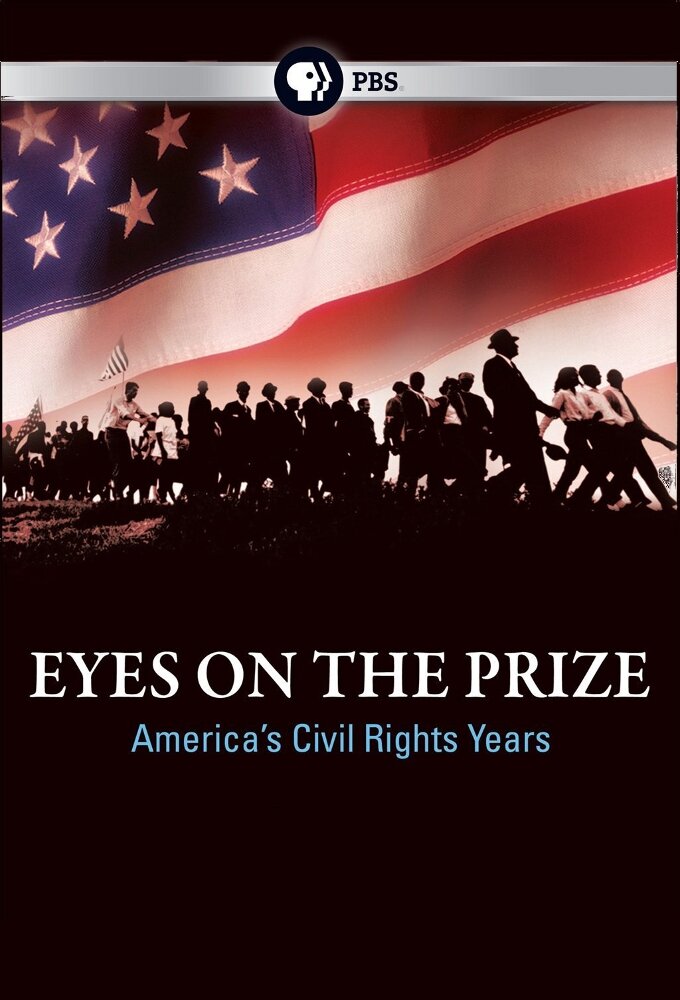
Eyes on the Prize1987
Definitive television history of the civil rights movement, using archival footage much like Four Days does. The assassination frames the later episodes as a moment that reshaped American racial politics.
But Fourteen hours total. Some sequences are visually repetitive. Requires patience with the documentary form's slowness.
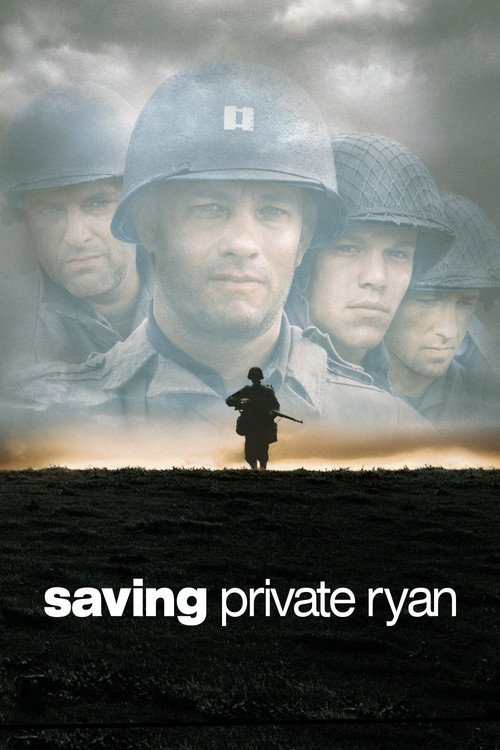
Saving Private Ryan1998
Spielberg's war film is relevant not for subject matter but for how it reconstructs a historical event with urgency and emotional weight. It shows what Four Days is attempting—to make you feel present in history.
But It's an action film, not a documentary. The connection is oblique. If you want direct historical record, this is fiction.
Hiroshima Mon Amour1959
Both use archival material and photographs to explore national trauma. Both move through time non-linearly. Both ask how images alone can convey grief at the scale of history.
Alain Resnais' experimental film about memory, trauma, and how nations process catastrophe through fragments and images. Two people in a hotel, intercut with newsreel footage of nuclear devastation. It's about how we live with history we cannot fully comprehend.
But It's a French New Wave film with a deliberately fractured structure. No plot in the conventional sense. The dialogue is philosophical. Many viewers find it obtuse.
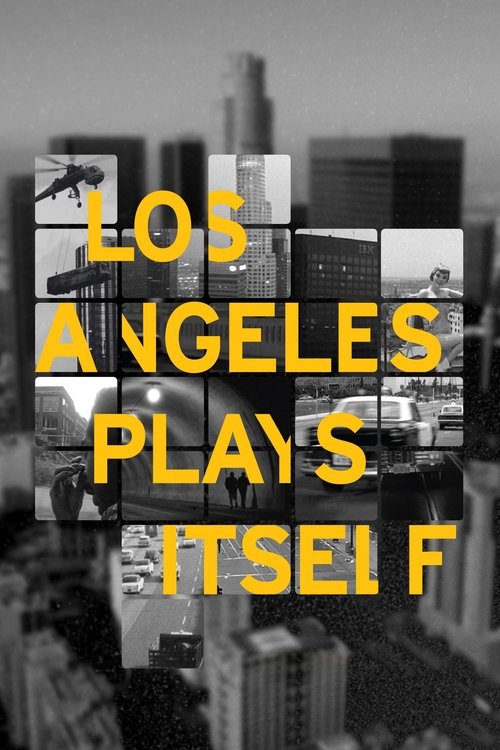
Los Angeles Plays Itself2004
Both are constructed entirely from found footage. Both trust images to communicate what words cannot. Both are arguing that what we see shapes what we believe about the event.
Thom Andersen's three-hour essay film uses clips from 100+ movies to argue that cinema is how we see cities and history. It's about the architecture of memory and image—why we believe what we see. Methodical, hypnotic, and it will change how you watch footage forever.
But It's a video essay masquerading as a film. No story, no characters. Requires sustained attention to archival clips. Some find it academic and cold.
People
Cast
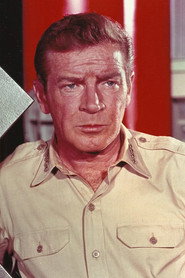 Richard BasehartNarrator (voice)
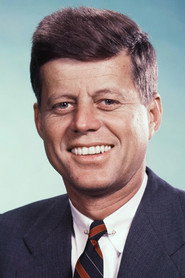 John F. KennedySelf (archive footage)
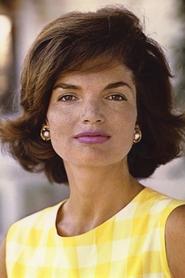 Jacqueline KennedySelf (archive footage)
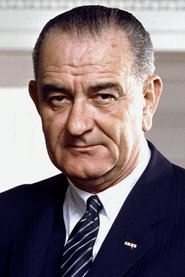 Lyndon B. JohnsonSelf (archive footage)
Directing
- Mel StuartDirector
Writing
- Ted StraussWriter
Production
- David L. WolperExecutive Producer
- Perry WolffExecutive Producer
- Mel StuartProducer
Recommended by
JFK, In the Line of Fire, The Sit-In: Harry Belafonte Hosts The Tonight Show