
Film
War Photographer
A portrait of James Nachtwey, one of the world's greatest war photographers, as he documents conflict and suffering across the globe. The film follows him into war zones, showing the moral weight of bearing witness through a camera lens. It's meditative and unflinching—not a glorification of war, but a reckoning with the cost of truthtelling.
Should you watch it?
Watch it if you care about how a single person's eye turns distant suffering into images, and you want a patient, unhurried look at the craft and conscience behind news photographs.
Skip it if you need the broader history of a conflict or a lighter evening, since it stays close to one photographer's work and its images are hard to look at.
What it asks of you: Ninety-six minutes, paced slowly and built around still images and a man speaking about his work; it wants full attention and a steady stomach for what it shows.
Not sure? Find tonight's pick in a minute.
If you liked this
The Act of Killing2012
A documentary that interrogates how we represent atrocity and violence, following perpetrators of Indonesian genocide as they reenact their crimes. Structurally and morally bold in ways that will deepen your thinking about *War Photographer*.
But Extremely difficult to watch. The film's method—letting killers perform their own acts—is intentionally unsettling and may feel exploitative even as it's philosophically rigorous.

Night and Fog1956
Alain Resnais's 32-minute essay film about Auschwitz, using archival footage and photography to confront the incomprehensibility of genocide. A foundational work on how images bear witness to horror.
But Extremely short but emotionally and intellectually demanding. The gap between what you see and what you understand creates deliberate vertigo.

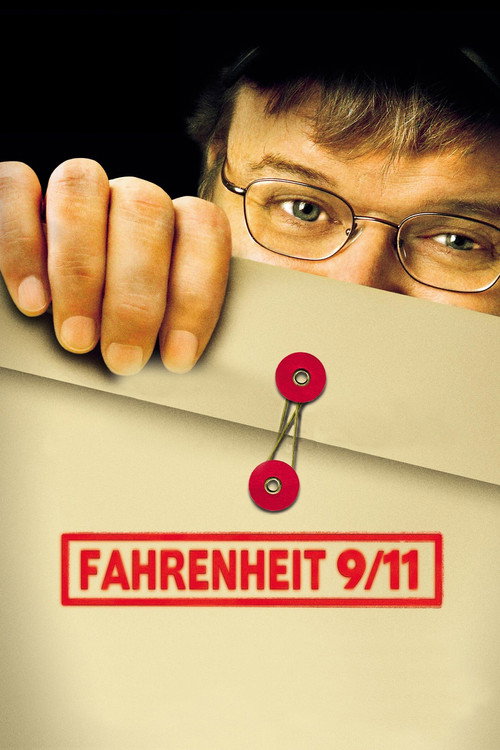
Fahrenheit 9/112004
Michael Moore's documentary about the Iraq War uses photography, footage, and testimony to build an argument about media complicity and political consequence. Like *War Photographer*, it asks what we owe to images of suffering.
But Polemical and sometimes crude. Moore's rhetorical style will feel manipulative if you prefer your documentaries cooler and more restrained.
Not sure tonight? Get a pick in a minute, starting from War Photographer
The wildcard
Something you would not have found on your own.
Sans Soleil1983
Both films are philosophical investigations of photography itself—what it means to point a camera at the world, what you owe to what you see, how images change meaning over time.
Chris Marker's experimental documentary essay travels across Guinea-Bissau, Japan, and Iceland, using photographs, film, and voiceover to meditate on memory, representation, and how images shape consciousness. It's about the *meaning* of looking, which is what *War Photographer* documents in practice.
But Formally demanding and abstract. If you need conventional narrative or chronology, this will feel like drowning. It requires active participation from the viewer.

More like this (6)
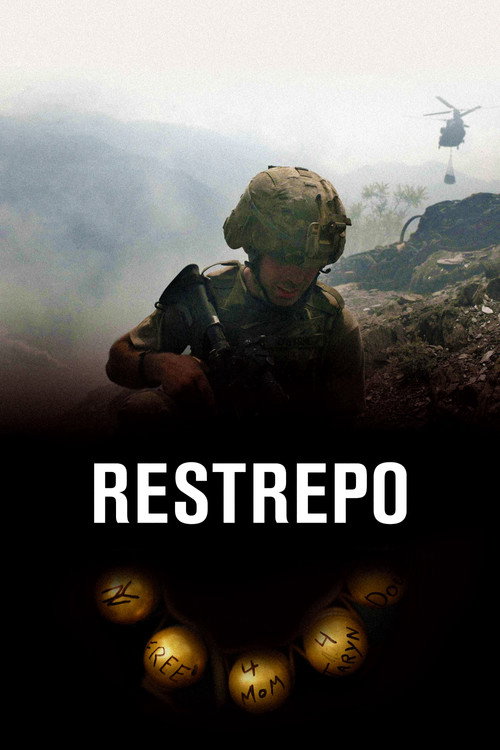
Restrepo2010
An embedded documentary following US soldiers in Afghanistan with the intimacy of *War Photographer* but from the other side of the lens. Raises identical questions about responsibility and proximity to violence.
But Can feel simultaneously detached and overwhelming. The film's neutrality on the war itself may frustrate viewers looking for clearer moral positioning.
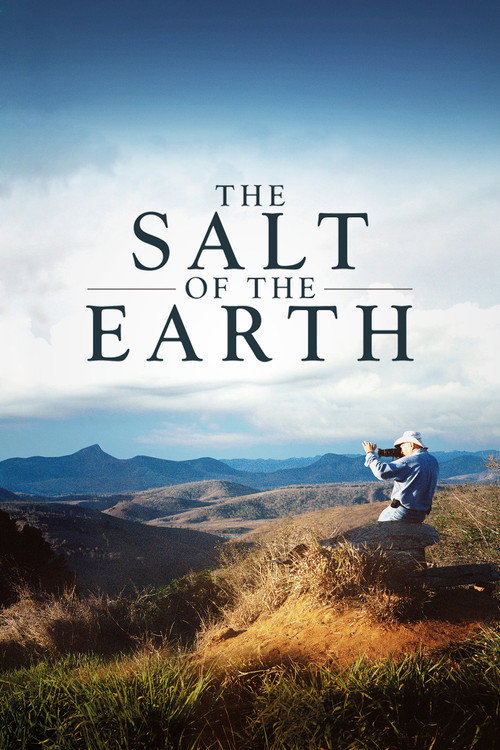
The Salt of the Earth2014
A documentary portrait of photographer Sebastião Salgado, whose work documents famine, poverty, and displacement across decades. A spiritual sibling to *War Photographer*: another career of bearing witness, another meditation on what it costs.
But Lengthy and painterly. If you want narrative momentum, you won't find it; this moves at the pace of contemplation.
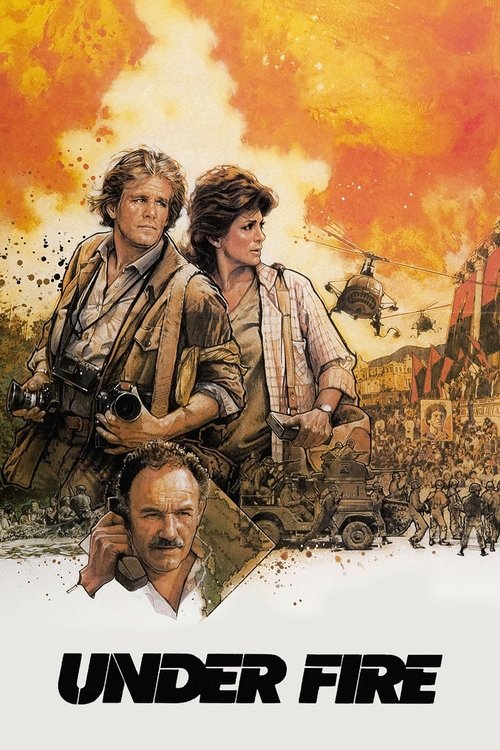
Under Fire1983
A fictional drama about war photographers in Nicaragua, starring Nick Nolte. It captures the ethics and romance and danger of the profession in ways that complement the real thing beautifully.
But A drama, not a documentary—so it simplifies and mythologizes. If you want factual rigor, the real *War Photographer* is cleaner.
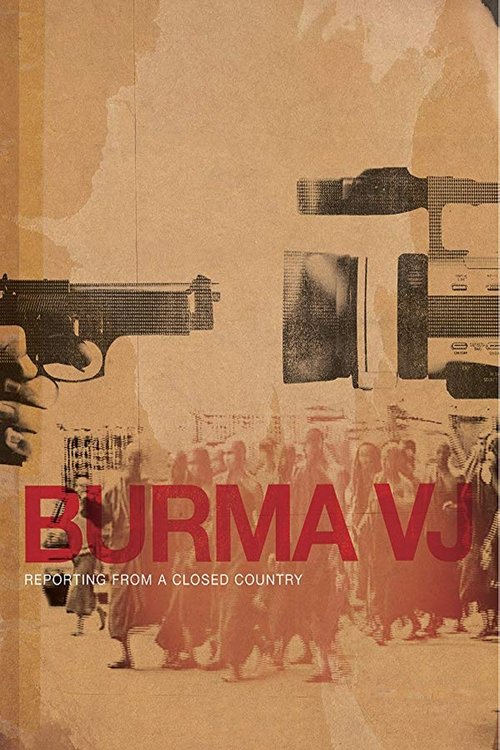
Burma VJ: Reporting from a Closed Country2008
A documentary about underground videojournalists in Myanmar using hidden cameras to document state violence. A modern parallel: what happens when photographers can't leave, when the act of witnessing is itself an act of resistance.
But The footage quality is deliberately poor and the pacing uneven. If you need polish, this is going to feel amateurish—though that's partly the point.
The Ascent1977
Both explore the moral weight of seeing and recording suffering; both insist that witnessing has a spiritual cost, not just an emotional one. *War Photographer* documents the real; *The Ascent* imagines its spiritual equivalent.
A Belarusian drama set in WWII following two partisans on a final mission into occupied territory. Filmed in stark black-and-white, it's a meditation on sacrifice, suffering, and the meaning of witnessing—spiritual and devastating.
But Soviet-era fiction film, not a documentary. Slow, difficult, and morally uncompromising in ways that demand patience. It's about endurance, not entertainment.

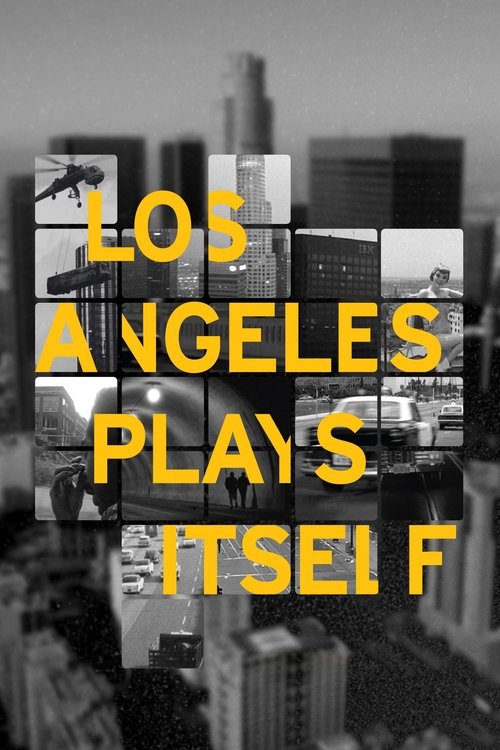
Los Angeles Plays Itself2004
Both films are fundamentally about visual literacy—how we read images, what we're supposed to do when we see them, how representation and reality separate and recombine. *Los Angeles Plays Itself* theorizes what *War Photographer* practices.
Thom Andersen's three-hour essay film about how Los Angeles appears in cinema—deconstructing images, showing how representation shapes reality. A documentary that's really about how we read photographs and film, which is what *War Photographer* makes you do.
But Experimental, essayistic, and very long. It's voiceover-driven and deliberately didactic. If you want feeling before thinking, look elsewhere.
People
Cast
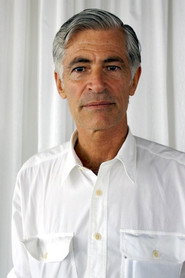 James NachtweyPhotographer
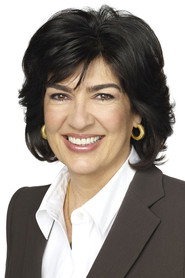 Christiane AmanpourChief International Correspondent CNN
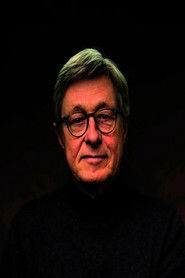 Hans-Hermann KlareForeign Editor STERN Magazine
- Christiane BreustedtEditor in Chief GEO SAISON Magazine
- Des WrightCameraman REUTERS
- Denis O'NeillJim's Best Friend
Recommended by
Under Fire, Which Way Is The Front Line From Here? The Life and Time of Tim Hetherington, Ballad of the Little Soldier