
Film
Ballad of the Little Soldier
- War action
- Very dark
Herzog's 46-minute documentary follows Miskito resistance fighters in 1980s Nicaragua, focusing on child soldiers caught in their conflict with the Sandinista government. It's unflinching, morally ambiguous, and deeply uncomfortable—a portrait of how ideology and desperation destroy childhood. For viewers willing to sit with difficult truths about war's collateral damage.
Should you watch it?
Watch it if you want a documentary where a filmmaker's voice-over and quiet, patient observation carry a hard subject, and you are willing to sit with the unease of an unresolved moral question.
Skip it if you need a conventional, explanatory history lesson or sweeping battlefield drama; its restraint and sparse context can leave you wanting more background.
What it asks of you: Under fifty minutes, it is spare and unhurried, with a narrator who keeps his distance, so it asks for steady attention more than emotional release.
Not sure? Find tonight's pick in a minute.
If you liked this
The Act of Killing2012
A shattering documentary that forces perpetrators of mass violence to confront their own atrocities through reenactment. Like Herzog, it refuses easy moral judgment while documenting the unthinkable.
But Three hours of watching war criminals justify genocide. The emotional toll is immense and deliberately sustained.

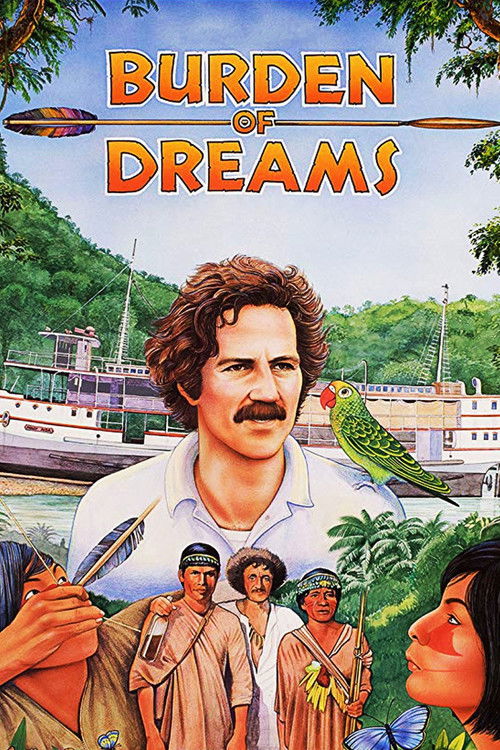
Burden of Dreams1982
Godard's documentary about Herzog filming Fitzcarraldo in the Amazon. It captures Herzog's obsessive, morally reckless vision in real time—essential context for understanding his worldview.
But It's primarily for Herzog completists; those unfamiliar with Fitzcarraldo may find the context overwhelming.
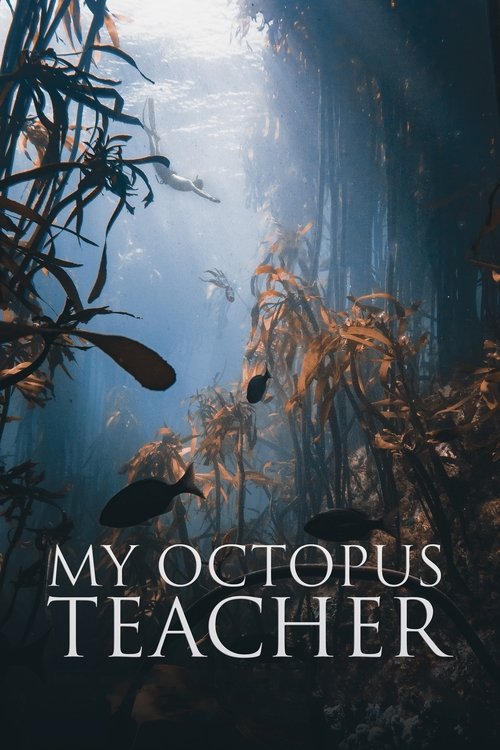
My Octopus Teacher2020
A filmmaker forms a relationship with a wild animal and discovers truths about connection and mortality. Like Herzog, it finds profound meaning in observing the non-human world without sentimentality.
But Its gentle, meditative tone is the opposite of Herzog's severity. Some find it precious rather than profound.
Not sure tonight? Get a pick in a minute, starting from Ballad of the Little Soldier
The wildcard
Something you would not have found on your own.
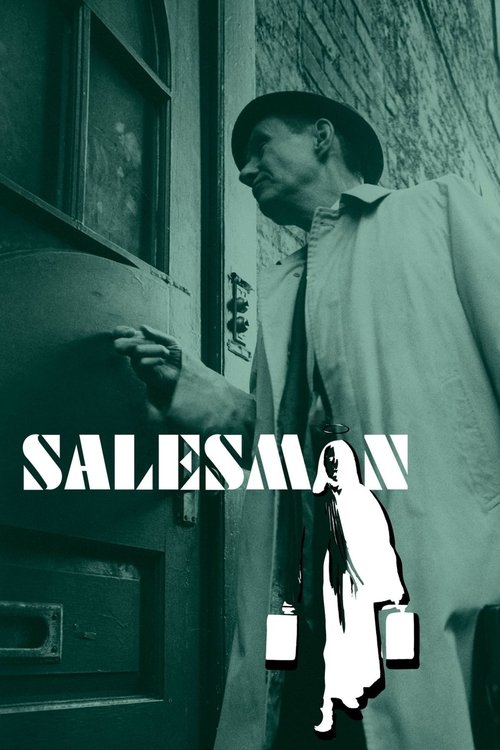
Salesman1969
Both films document systems that grind children and the vulnerable into instruments. Both refuse to simplify: the Miskito resistance and the Bible salesmen are neither villains nor victims, but people trapped in larger forces.
The Maysles brothers follow Bible salesmen across America in the Nixon era. It's documentary as moral investigation: how does capitalism shape human dignity? Herzog's ethical intensity in observational form.
But Black-and-white, slow, nearly wordless. Requires active engagement rather than entertainment. It's austere on purpose.
More like this (8)
Come and See1985
Soviet filmmaker Elem Klimov documents a boy's descent into hell as a partisan in WWII. Equally brutal, equally insistent that war's worst casualties are the young who have no choice.
But Perhaps the most harrowing war film ever made. It demands emotional endurance and offers no catharsis.

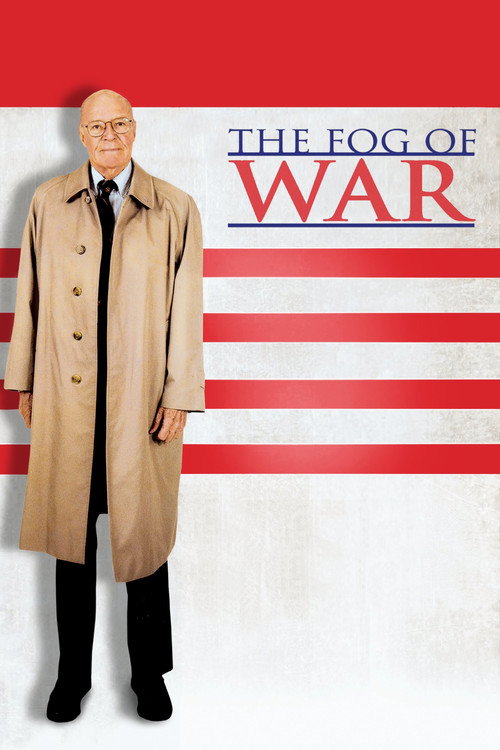
The Fog of War2003
Errol Morris lets Robert McNamara reflect on the Vietnam War and nuclear brinkmanship. A portrait of power, rationalization, and the gap between intent and consequence.
But It risks appearing to excuse McNamara rather than condemn him. Some see it as too sympathetic to its subject.
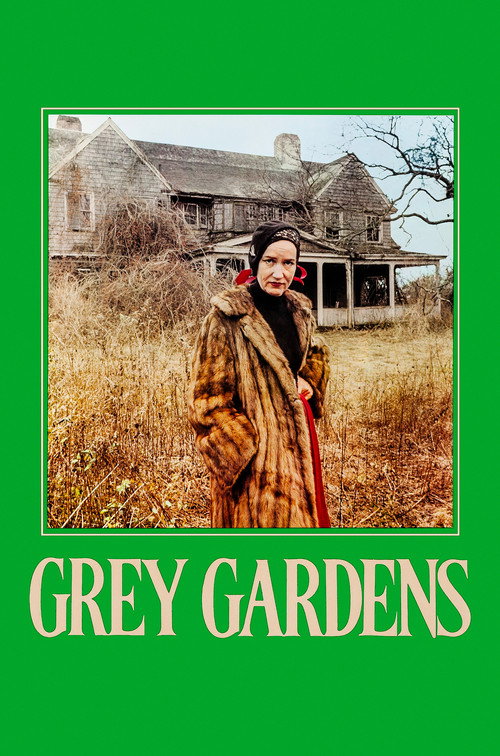
Grey Gardens1976
The Maysles brothers document two reclusive women in a decaying mansion. Like Herzog, they observe eccentricity and decay with formal precision and genuine compassion.
But It's fundamentally about watching people in decline. Some see the filmmaking as exploitative, regardless of intent.
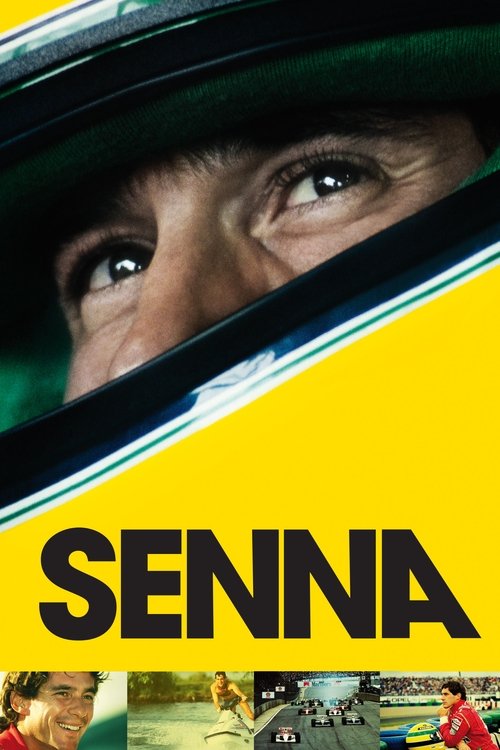
Senna2010
A documentary about Ayrton Senna that operates as myth-making and moral examination simultaneously. Like Herzog, director Asif Kapadia finds grandeur and tragedy in single-minded obsession.
But Requires existing interest in Formula 1. The hagiography can feel excessive to those unmoved by racing.
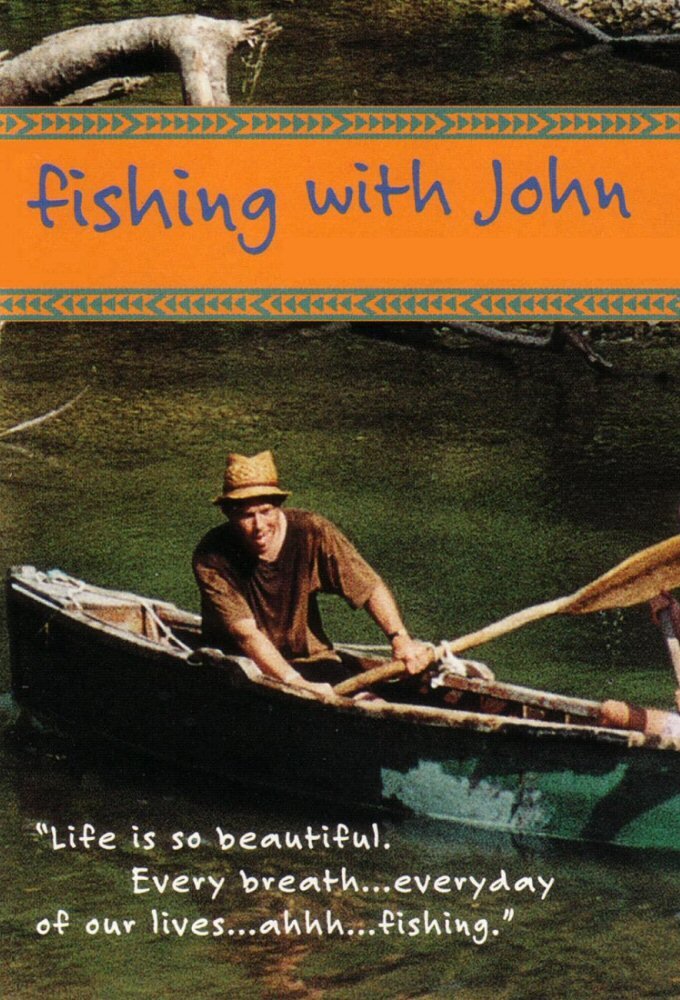
Fishing with John1991
John Lurie travels with avant-garde figures fishing and talking philosophy. Oblique, melancholy, occasionally absurd—Herzog's sensibility translated into a stranger register.
But Deliberately slow and non-narrative. Its charm depends on patience and acceptance of its peculiar rhythms.
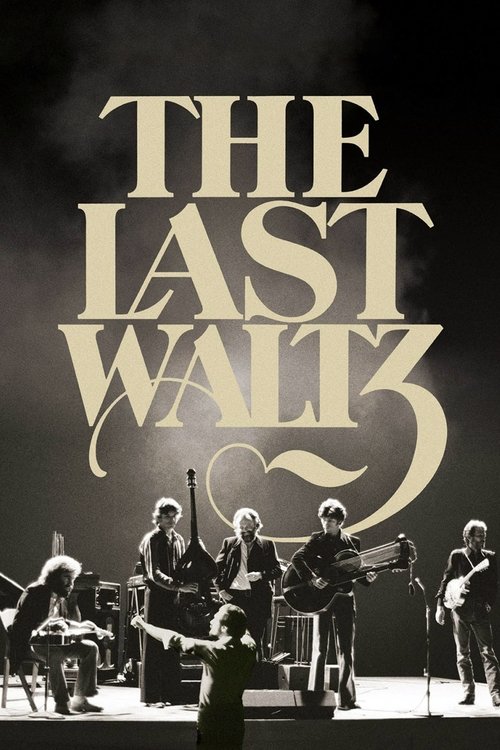
The Last Waltz1978
Scorsese documents The Band's final concert as both celebration and elegy. Documents how art and ambition corrode the people who pursue them.
But Rock music documentaries can feel self-indulgent. This one earns its seriousness, but not everyone will agree.
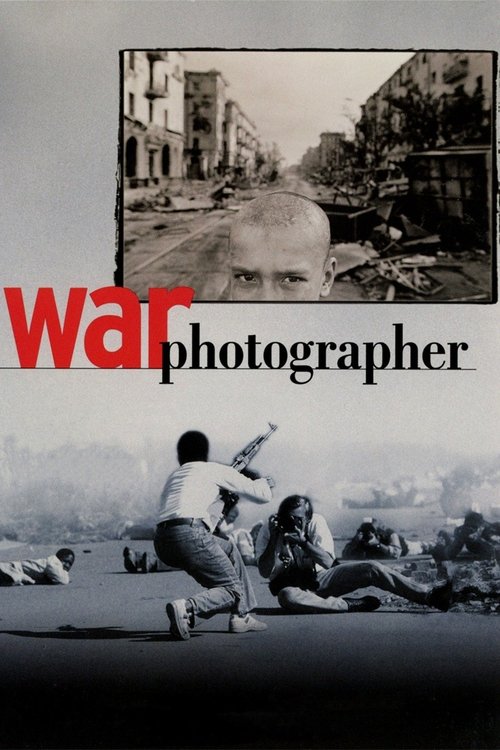
War Photographer2001
Both films ask: what do we owe to people whose suffering we observe? Both refuse the comfort of seeing documentation as moral action in itself.
Swedish director Christian Frei follows James Nachtwey documenting war zones. Turns the camera on the witness rather than the witnessed. A meditation on the moral weight of bearing witness to atrocity.
But Graphic war photography throughout. It examines trauma without offering perspective or distance—which is precisely the point, and precisely what makes it hard.
La Haine1995
Both films center children and young men as casualties of political conflict they didn't start. Both understand that neutrality is a luxury unavailable to those being crushed.
Mathieu Kassovitz's black-and-white film follows three young men in a French housing project for 24 hours. A portrait of how systems of power create violence in the young. Stylistically brilliant and morally furious.
But In French with subtitles. Its rage is deliberate and uncompromising. Not a film that wants to console you.

People
Cast
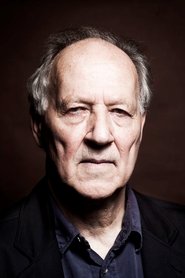 Werner HerzogSelf (voice)
- Denis ReichleSelf
Directing
- Denis ReichleDirector
- Werner HerzogDirector
Writing
- Denis ReichleWriter
- Werner HerzogWriter
Production
- Manfred NägeleProducer
- Werner HerzogProducer
Recommended by
The High Chaparral, The Naked Spur, The Good Guys and the Bad Guys, Bandido!