
Film
Kidnapped for Christ
- Social drama
- Very dark
A harrowing documentary about Escuela Caribe, a brutal conversion therapy facility in the Dominican Republic where American parents sent troubled teens. Filmmaker Kate Logan gains access to the school and documents the psychological abuse, isolation, and cruelty inflicted on vulnerable children. Essential, difficult viewing that exposes how institutional cruelty persists in the shadows of parental desperation and religious ideology.
If you liked this
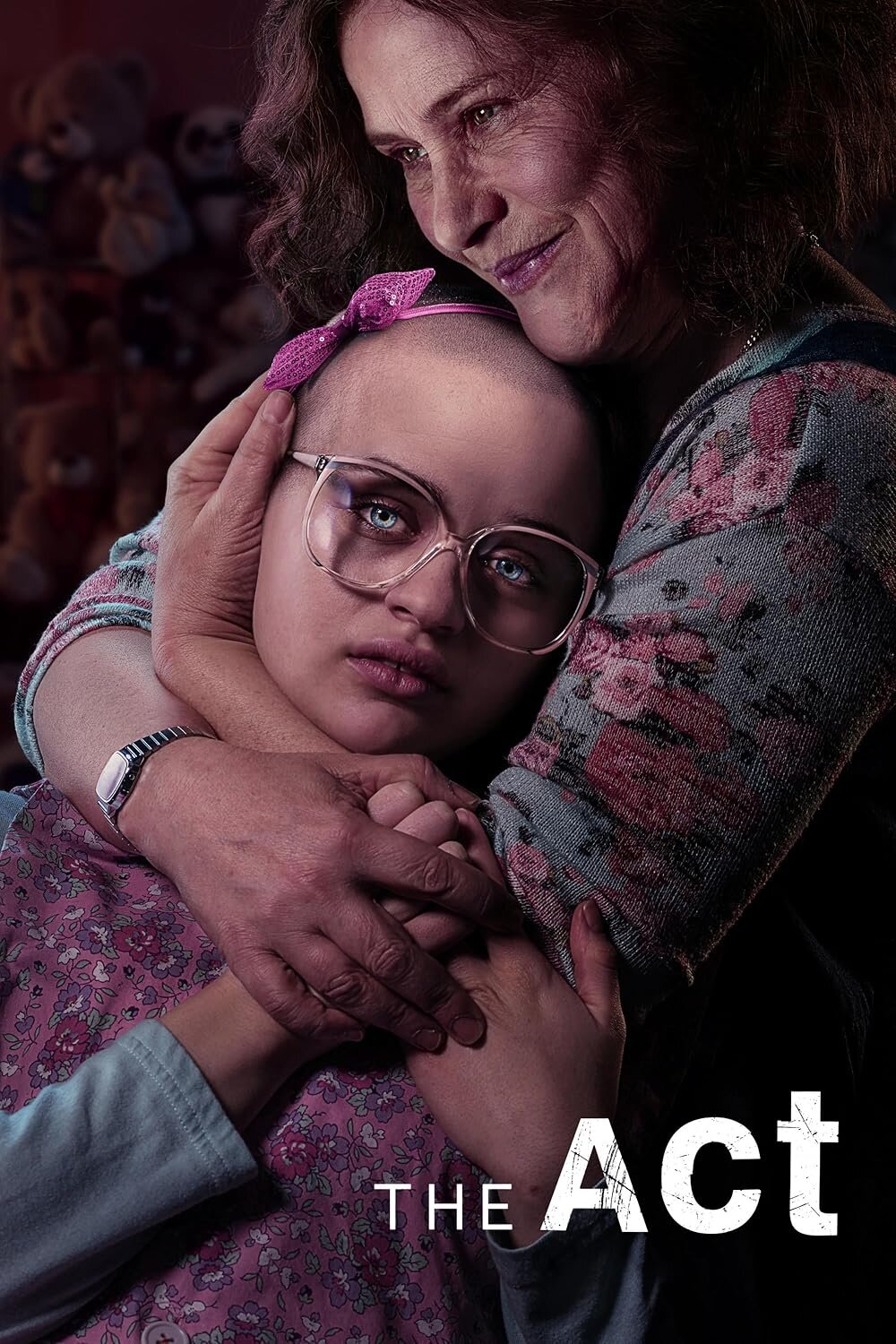
The Act2019
Eight episodes dramatizing a true story of confinement, psychological abuse, and a mother's delusion poisoning her daughter's life. Gypsy Rose Blanchard's story is like Kidnapped for Christ: a teenager imprisoned by those meant to protect her.
But Fictionalization softens the blow slightly. If you want documentary evidence, this is a step removed.
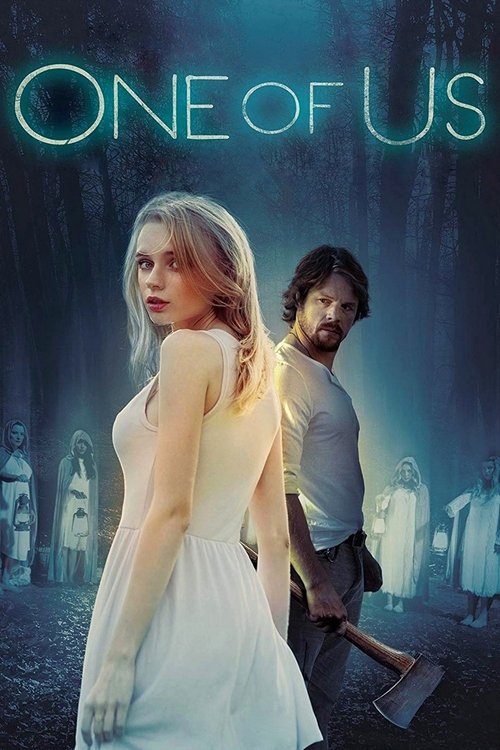
One of Us2017
Documentary about those who escape ultra-Orthodox Jewish communities. Same machinery of control, same isolation, same impossible choice between family and freedom.
But Heavy subject matter and limited access to the communities themselves means some stories stay half-told.
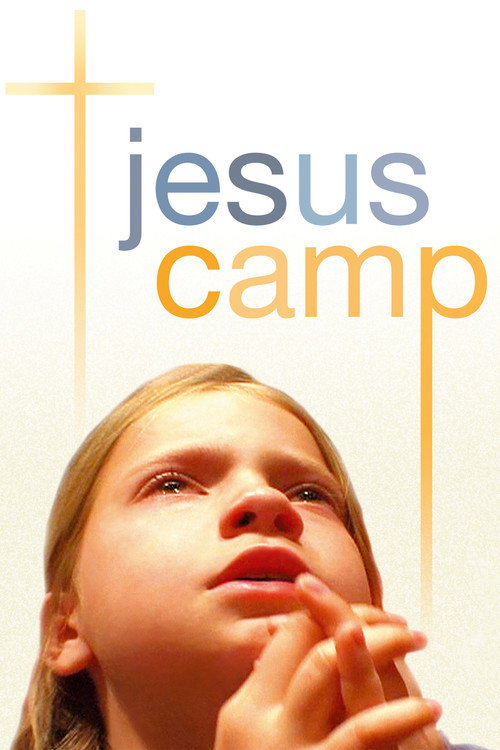
Jesus Camp2006
Documentary exposing evangelical indoctrination of children. Not explicitly about abuse but shows the same religious framework used to justify harming kids in the name of faith.
But Older and less focused than Kidnapped for Christ. Some will find it more balanced; others will find it insufficient.
Not sure tonight? Get a pick in a minute, starting from Kidnapped for Christ
The wildcard
Something you would not have found on your own.
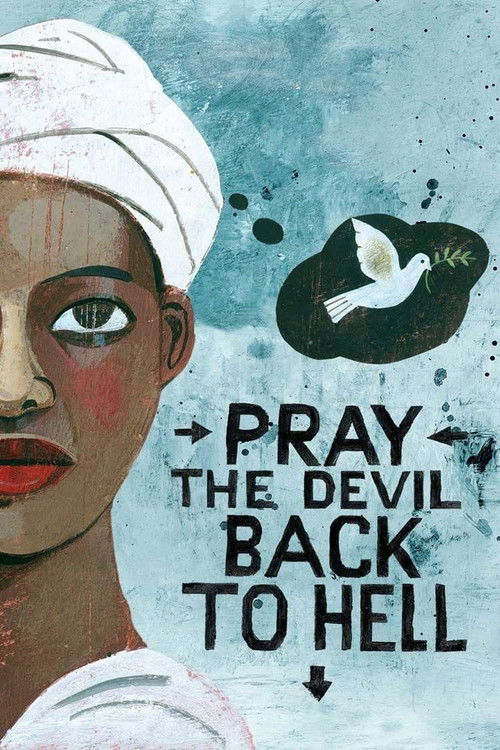
Pray the Devil Back to Hell2008
Both documentaries examine the machinery of faith and control, but from opposite poles: one showing how faith imprisons, the other how it frees.
Documentary about Liberian women organizing prayer meetings that became a peace movement. Shares the film's interest in faith as a force, but shows its liberatory rather than destructive power. Offers a necessary counterweight—not all faith-based institutions are prisons.
But Shifts tone completely. After Kidnapped for Christ, watching people find strength in prayer might feel uncomfortably complicated.
More like this (5)
Unraveling the Mystery: A Big Bang Farewell2019
Documentary about survivors of institutional abuse documenting their own stories. Raw, often unpolished, but powerful precisely because it centers survivor testimony and healing.
But Lower production value than typical docs. Some sections are repetitive or structurally uncertain.
The Keepers2017
Seven-part doc about abuse within a Catholic institution. Methodical investigation of how institutions protect abusers and how survivors finally get heard decades later.
But Slow burn. Takes time to trust you understand the stakes before revealing them.
Going Clear: Scientology and the Prison of Belief2015
HBO documentary about control and coercion within a high-control group. Same dynamics of separation, financial exploitation, and psychological manipulation on a massive scale.
But Very long at nearly two hours. Some viewers find the aesthetic choices—reenactments, animation—distracting.
The Fits2016
Both explore how young people are shaped by institutional pressure—one through horror, one through art. The Fits trusts you to feel the coercion without naming it.
Fictional narrative about a girl joining a competitive dance team in Cincinnati. On surface, nothing like Kidnapped, but it's about adolescent belonging, conformity pressure, and the terrifying moment when you realize institutions demand you become someone else. Shot with doclike observational clarity.
But Elliptical and slow. No plot in the traditional sense. The existential dread builds quietly and some will find it inert.
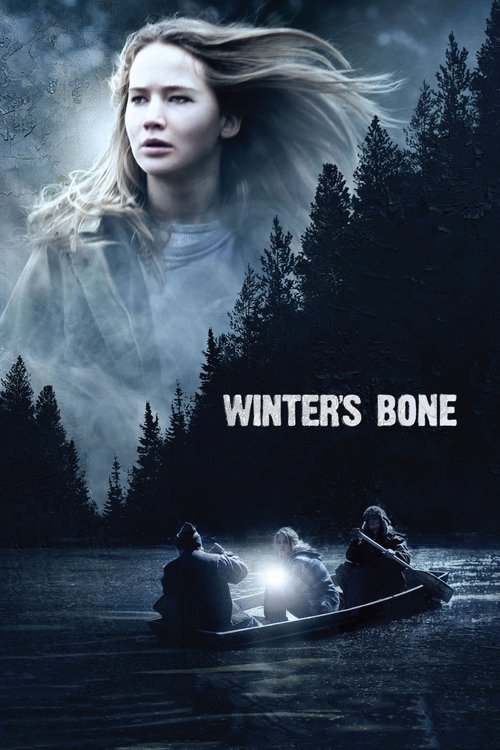
Winter's Bone2010
Both show how children are failed by the adults meant to protect them, but Winter's Bone refuses the clarity of exposition—you simply watch it happen.
Narrative film about a girl raising her siblings in rural Missouri, searching for her missing father. Like Kidnapped, it documents the cruelty families inflict on their own children, but without documentary's explanatory framework. The violence is quieter and somehow more devastating.
But Bleak rural noir. No redemption arc. If you watch documentaries for answers, this offers none.
People
Cast
- Kate Logan(voice)
- David WernsmanSelf
- Tai MathieuSelf
- Dan AndersonSelf
- Angie BlattnerSelf
- Peggy FreemoleSelf
- Deb HatlandSelf
Directing
- Kate LoganDirector
Writing
- Yada ZamoraWriter
Production
- Edgar SchoenwaldAssociate Producer
- Stash SlionskiAssociate Producer
- Lance BassExecutive Producer
- Mike ManningExecutive Producer
- Tom DeSantoExecutive Producer
- Kate LoganProducer
- Paul A. LevinProducer