
Film
Which Way Home
- Action
- Very dark
Which Way Home follows unaccompanied child migrants journeying through Mexico toward the US border. Director Richard Bull embeds himself with kids aged seven to seventeen, capturing their humor, vulnerability, and remarkable resilience. It's an intimate, unsentimental look at why children risk everything and what they endure. Essential viewing that refuses easy answers.
Should you watch it?
Watch it if you want a close, unhurried look at real children making their way north through Mexico, and you are willing to sit with hard material rather than be shielded from it.
Skip it if you want a clear arc or an argument spelled out, because this mostly lets scenes speak and rarely explains itself.
What it asks of you: Ninety minutes of steady attention, with little lightness to rest on; it moves slowly through long stretches of waiting and travel, and stays close to its subjects.
Not sure? Find tonight's pick in a minute.
If you liked this
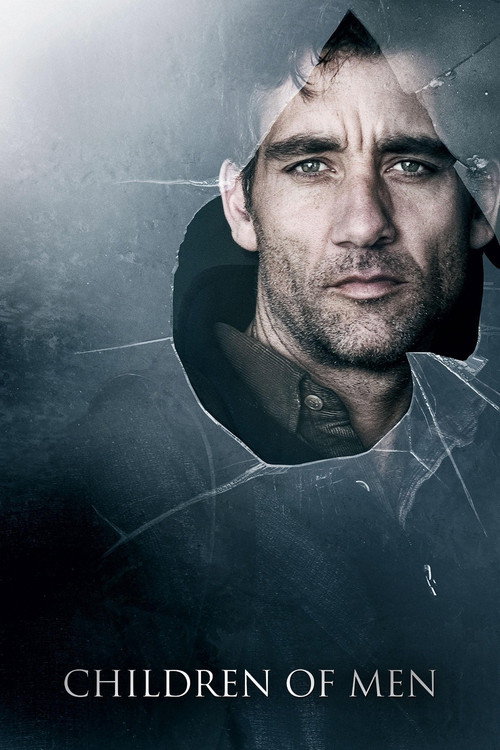
Children of Men2006
Fictional but shot like urgent documentary, following a desperate journey involving vulnerable children through hostile terrain. The long takes put you in the moment; you feel the danger and exhaustion.
But Bleak and relentless. The slow-burn pacing and absence of conventional catharsis won't appeal to everyone. Some violence is graphic.
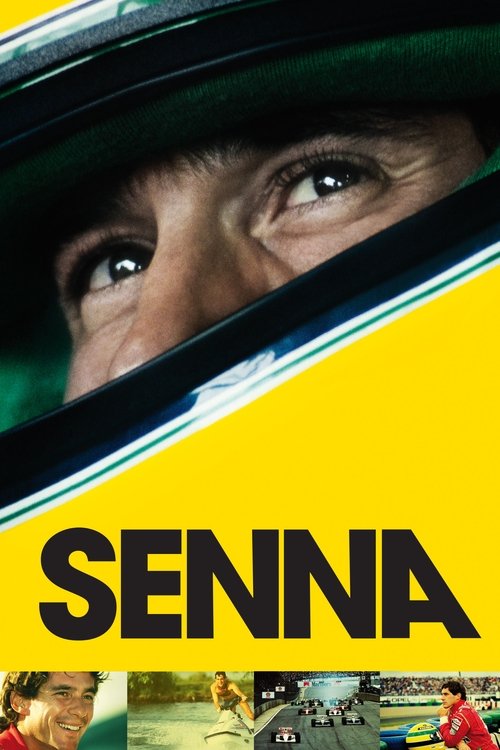
Senna2010
Documentary that weaves archival footage into a propulsive narrative about ambition and sacrifice. It respects the audience's intelligence—no manipulative score, no hand-holding, pure cinema.
But Formula one obsessives will find more depth elsewhere. If you don't care about racing, the technical detail can feel cold.
The Two Escobars2010
ESPN documentary that refuses simplification, exploring how two men named Escobar shaped Colombia through soccer and crime. It has the same moral complexity and structural elegance as Which Way Home.
But Soccer knowledge helps. The subject matter—drug trafficking, murder—is heavy and doesn't resolve neatly.

Not sure tonight? Get a pick in a minute, starting from Which Way Home
The wildcard
Something you would not have found on your own.
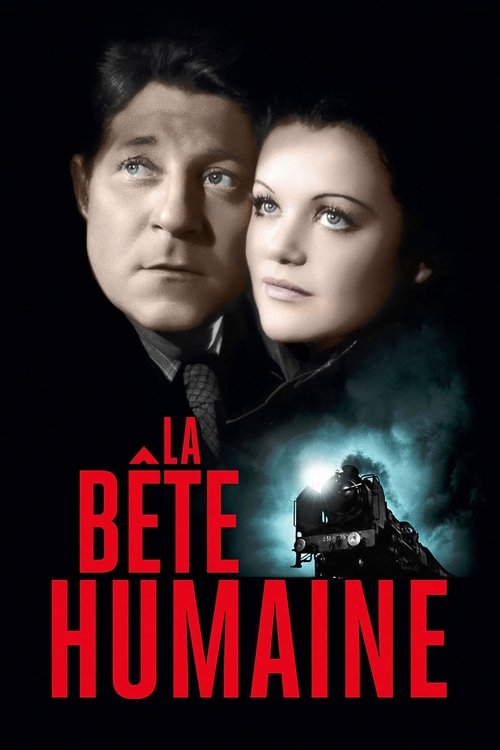
La Bête Humaine1938
Both refuse sentiment about desperation. They show how people become who circumstances force them to be, without asking you to solve it or feel better.
Renoir's masterpiece about people trapped by circumstance and their own nature. It's a fiction that captures something as true as documentary: the way survival and desire tangle together, leaving no clean choices.
But 1938 French film in black and white, heavy on atmosphere and psychology rather than plot. The pacing expects patience. Violence includes animal harm that may disturb modern viewers.
More like this (6)
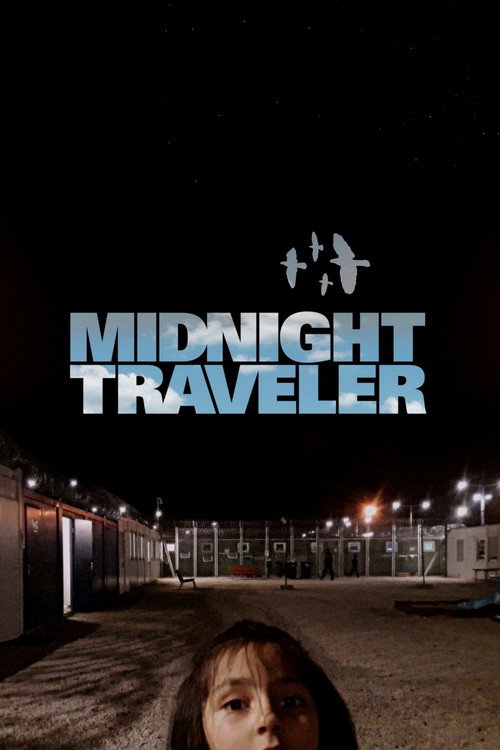
Midnight Traveler2019
Afghan family films their own refugee journey using smartphones. The urgency is raw and personal; you're seeing what they saw, when they saw it. Unforgettable perspective.
But Technically rough by design—shaky, poorly lit, sometimes inaudible. The discomfort is the point, but it can be exhausting to watch.
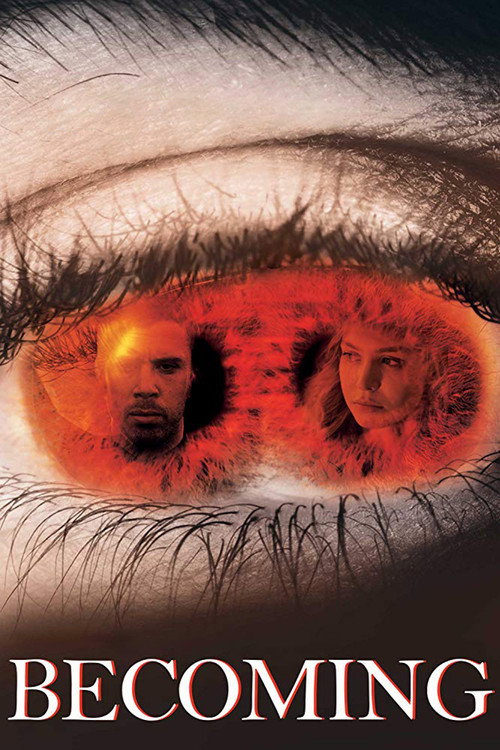
Becoming2020
Michelle Obama documentary that explores identity, ambition and belonging with genuine depth. Not a hagiography—it asks real questions about whose stories get told and why.
But If you're expecting scandal or revelation, you'll be disappointed. It's thoughtful rather than sensational. Some find it safe.
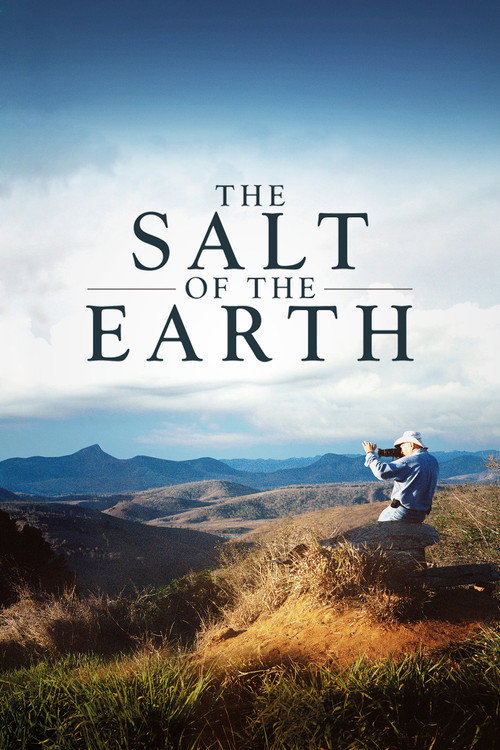
The Salt of the Earth2014
Documentary portrait of photographer Sebastião Salgado, whose work documents human struggle globally. It's a meditation on witness, responsibility, and what it means to see others.
But Slow and meditative. Heavy on Salgado's philosophy; some viewers find it self-important. Not a conventional biography.
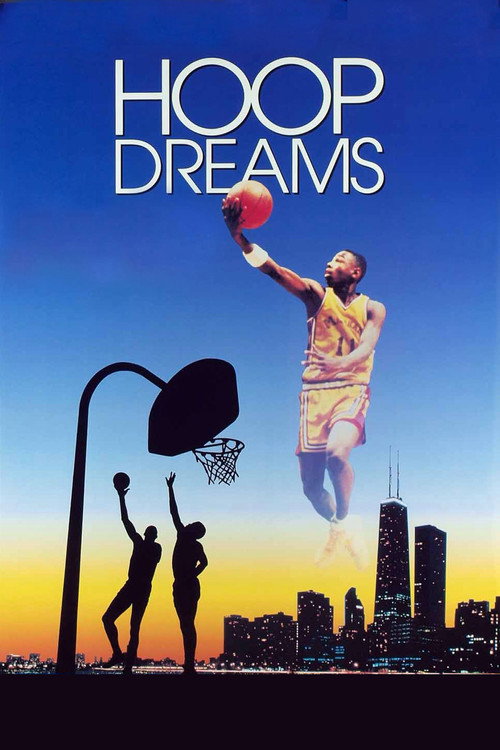
Hoop Dreams1994
Five-hour documentary following two basketball players from childhood through adulthood. Its refusal to judge or sentimentalize, and its deep patience with its subjects, influenced a generation of filmmaking.
But The length requires commitment. It's a document more than a story, and some pacing feels slack. Basketball fandom isn't required but helps.
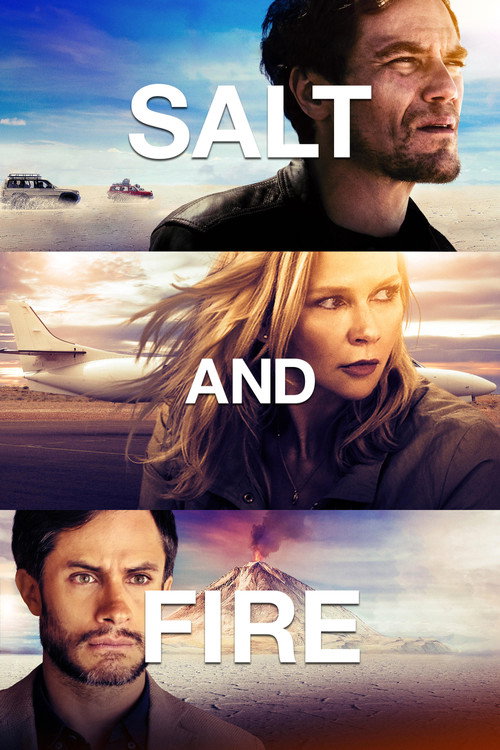
Salt and Fire2016
Herzog, like Bull, believes observation is more honest than explanation. Both films trust viewers to sit with discomfort rather than resolve it into meaning.
Werner Herzog's enigmatic film about an environmental scientist and her guide traveling across a salt flat following a chemical disaster. Like Which Way Home, it's about journey as metaphor—displacement, vulnerability, trust between strangers.
But Deeply strange and deliberately oblique. The narrative logic isn't conventional. Michael Shannon's character is unsettling in ways that may feel gratuitous. Very slow.
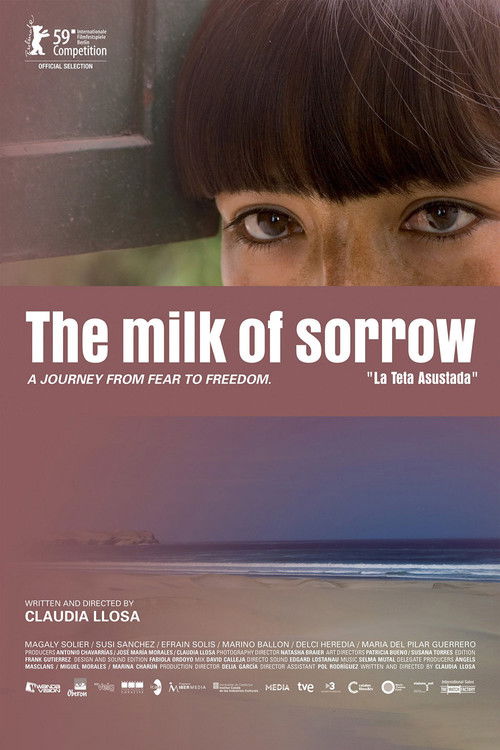
The Milk of Sorrow2009
Both explore what children inherit from catastrophe—Which Way Home through migration, La Teta Asustada through political violence. Both suggest trauma isn't individual; it moves through blood and geography.
Peruvian magical-realist film about a woman dealing with inherited trauma from her mother's experience in political violence. Shot like a dream, it asks how violence moves through families and bodies. Visually stunning.
But Deliberately cryptic and poetic. Plot is minimal; it's pure mood and symbol. Some find it inaccessible. Subtitled. Running time feels longer than ninety minutes.
People
Directing
- Rebecca CammisaDirector
Production
- Andrew HolbrookeAssociate Producer
- Savannah Smith BoucherAssociate Producer
- Benjamin GoldhirshExecutive Producer
- Bette Cerf HillExecutive Producer
- Bristol BaughanExecutive Producer
- Jack TurnerExecutive Producer
- John MalkovichExecutive Producer
- Lianne HalfonExecutive Producer
- Russell SmithExecutive Producer
- Rebecca CammisaProducer