Television series
Once Upon a Time in Northern Ireland
- Western
- Slow-burning
A four-part BBC documentary that moves past political rhetoric to sit with people who lived through thirty years of conflict in Northern Ireland. Each episode gathers unheard testimonies from all sides—victims, perpetrators, families caught in the middle—woven with archive footage into something intimate rather than didactic. It's for anyone who wants to understand how ordinary people endured extraordinary violence, and what reconciliation actually costs.
Should you watch it?
Watch it if you want to hear the Troubles from ordinary people who lived through it, in their own voices, with archive footage running alongside them.
Skip it if you are looking for a historian's argument or a clear narrative through the conflict; this is testimony first, and it moves by feeling rather than by explaining.
What it asks of you: Five episodes of testimony and archive, so you stay with people speaking directly to camera and take in hard memories without being handed a verdict.
Not sure? Find tonight's pick in a minute.
If you liked this
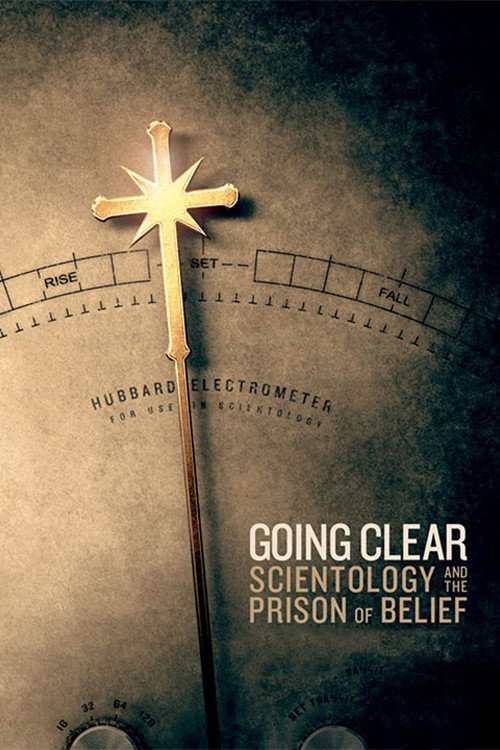
Going Clear: Scientology and the Prison of Belief2015
Alex Gibney's meticulous investigation of Scientology uses testimony from former members to expose how institutions exploit belief. Like Northern Ireland, it's about how people justify participation in systems that harm them, and what it takes to break free.
But It's a takedown, not a dialogue—Gibney isn't interested in Scientology's perspective the way the Northern Ireland series is interested in all sides. The tone is prosecutorial rather than empathetic.
The Act of Killing2012
Joshua Oppenheimer's devastating film asks perpetrators of Indonesian genocide to reenact their murders. It's uncomfortable and strange, but it reveals something true about how people rationalize atrocity. A masterclass in letting complexity exist without easy judgment.
But Watching men perform their own killings is genuinely disturbing. Some viewers find the method manipulative, and it demands emotional stamina from the audience.

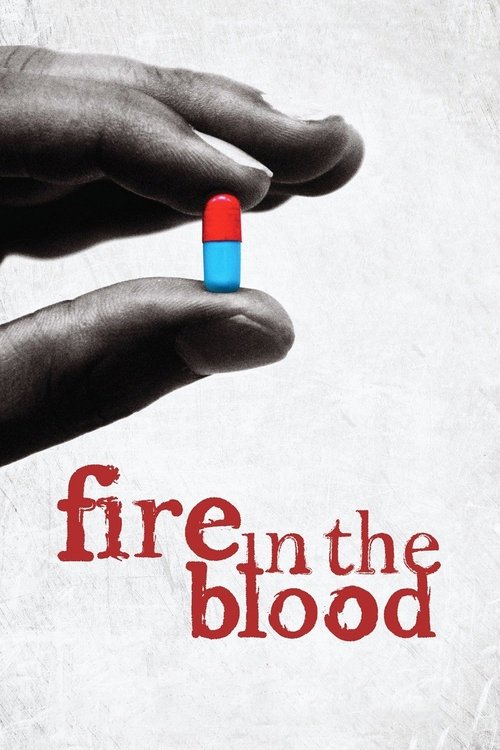
Fire in the Blood2013
Dylan Mohan Gray documents the fight for AIDS medication access in the Global South—how profit, politics, and lives collide. It's history told through personal stakes, with testimony from patients, activists, and officials, all trying to justify their choices.
But It's polemical. Gray has a clear villain (pharmaceutical corporations), so if you want perfect neutrality, this isn't it. Some find the pace slow.
Not sure tonight? Get a pick in a minute, starting from Once Upon a Time in Northern Ireland
The wildcard
Something you would not have found on your own.
Come and See1985
Both use testimony—one through interview, one through performance and image—to make atrocity intimate and undeniable. Both refuse the comfort of distance.
Elem Klimov's Soviet film follows a young partisan during the Nazi invasion of Belarus. It's fiction, but it's the most honest depiction of what war does to children and civilians ever filmed—devastating testimony through cinema rather than interview.
But It's a Soviet film from 1985, black-and-white and formally demanding. More importantly, it's almost unwatchably brutal. People walk out of this one.

More like this (7)
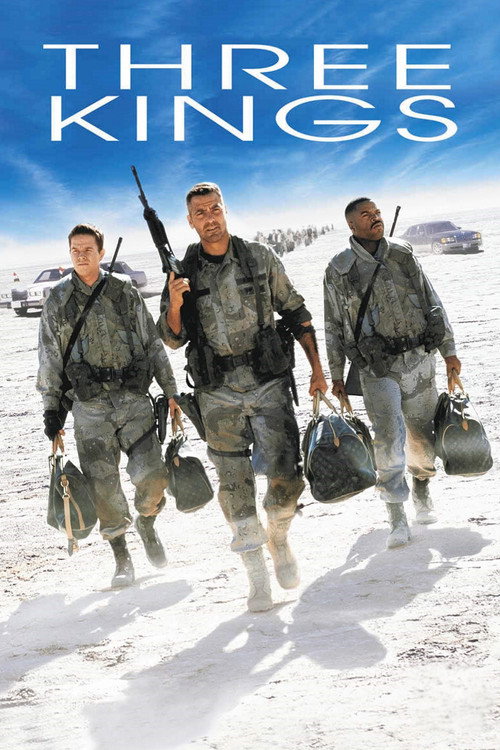
Three Kings1999
This Northern Irish documentary itself—about three men on different sides of the conflict meeting to talk. If you watch Once Upon a Time, this is the natural next step: real reconciliation in real time, uncomfortable and hopeful.
But It's slow, it circles, and there's no neat resolution. Some conversations just peter out. It requires patience with silence.
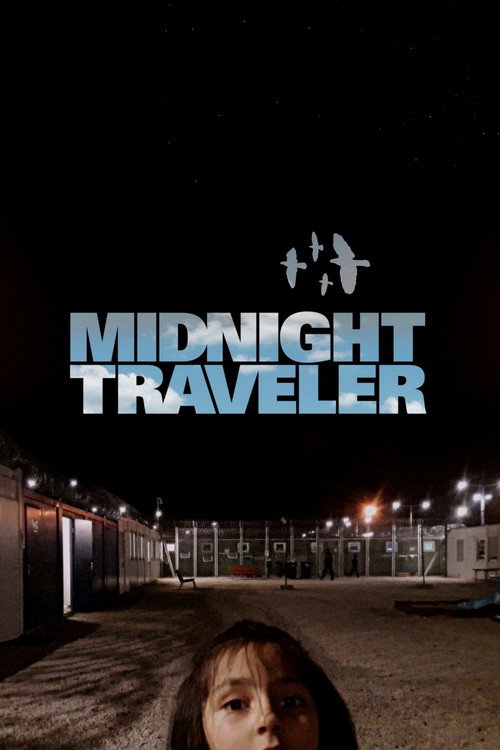
Midnight Traveler2019
An Afghan family films their own journey fleeing Taliban rule over five years. It's testimony as lived experience, raw and immediate. The emotional stakes are utterly clear because the people filming are the ones at risk.
But The production quality is deliberately rough—shot mostly on phones—which some find hard to watch for feature length. It's also relentlessly bleak.
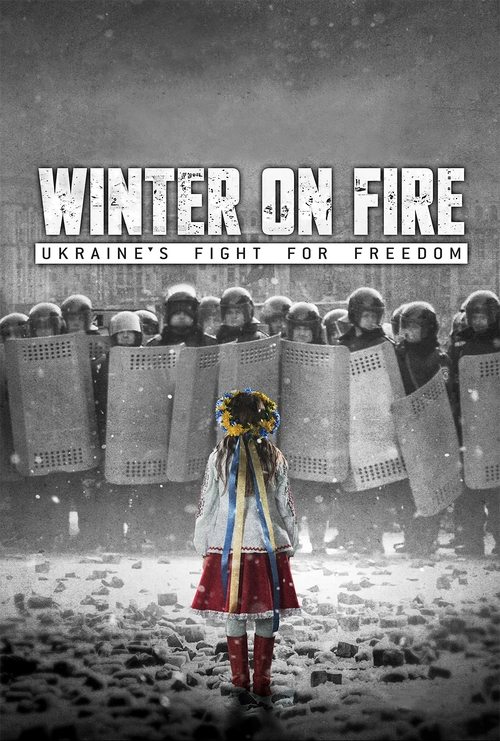
Winter on Fire: Ukraine's Fight for Freedom2015
Evgeny Afineevsky's documentary of the 2013–2014 Euromaidan protests uses footage from protesters themselves. It captures how ordinary people become activists, the moment conviction overrides fear.
But It's a heroic narrative rather than a multi-sided one. You're watching from the protesters' perspective, which means some complexity is sacrificed for momentum.
Cameraperson2016
Kirsten Johnson edits footage she shot over twenty years as a documentary cinematographer—Rwanda, Kosovo, Afghanistan, Palestine. It's a meditation on witnessing, on the ethics of filming other people's suffering, and what the camera actually captures.
But It's essayistic and sometimes abstract. There's no plot, and some sequences are opaque unless you know the back stories. It's meditative rather than explanatory.
The World for the Two of Us2022
This is actually about Jewish and Palestinian neighbors in Jerusalem who have lived side by side for decades, trying to model coexistence. It's intimate and quiet, about the work of understanding across irreconcilable difference.
But Hope documentaries can feel naive in the face of structural conflict. The film's gentleness may frustrate viewers who think more aggressive rhetoric is necessary.
The Reunion2011
Testimonies from trauma survivors, but formal innovation to hold emotional truths that straight documentary can't contain. Animation allows interior life to be visible in ways interviews alone cannot.
Raúl de la Fuente and Damian Nenow's animated documentary about three people who survived the Srebrenica massacre, meeting twenty years later. Animation lets complicated emotion exist without the weight of photographic evidence. It's strange and moving in ways live-action can't quite reach.
But The animation style is deliberately simple and sometimes childlike, which can seem to trivialize the subject matter. Some view animation as inappropriate for genocide testimony.
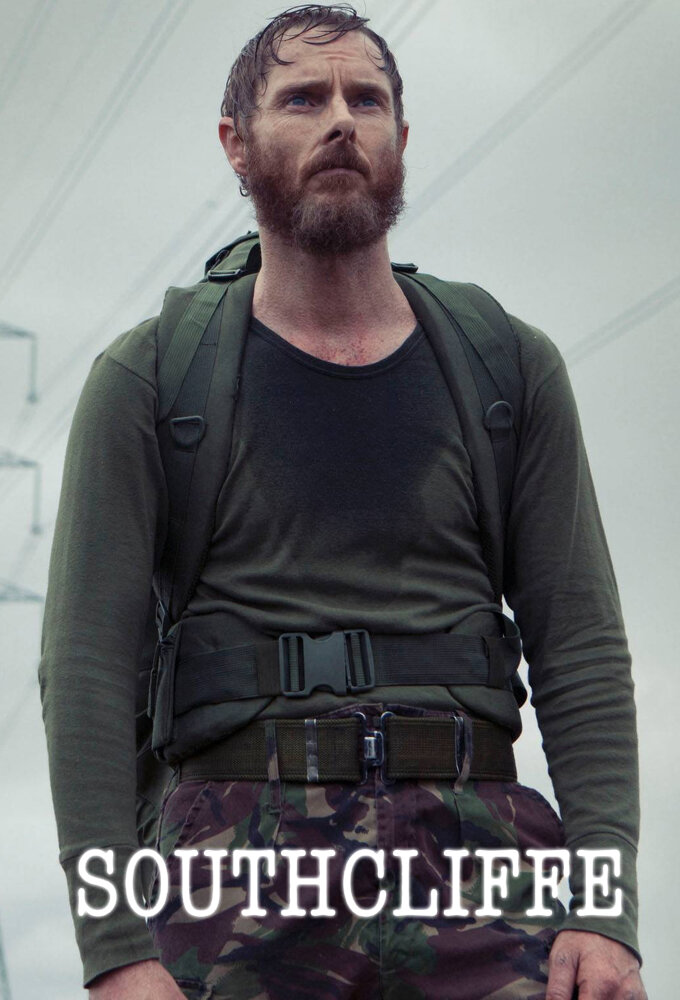
Southcliffe2013
Both refuse easy narratives about violence. Both are interested in how ordinary people (including perpetrators' families) carry the weight of it forward, and what actual coexistence requires.
Sean Durkin's four-part drama about a small English town dealing with a mass shooting. It's not true crime; it's about how communities metabolize trauma, how people live alongside each other after incomprehensible violence, what forgiveness might mean.
But It's bleak and slow, with no catharsis. The narrative is diffuse—no investigation or closure. Some find it punishing rather than illuminating.